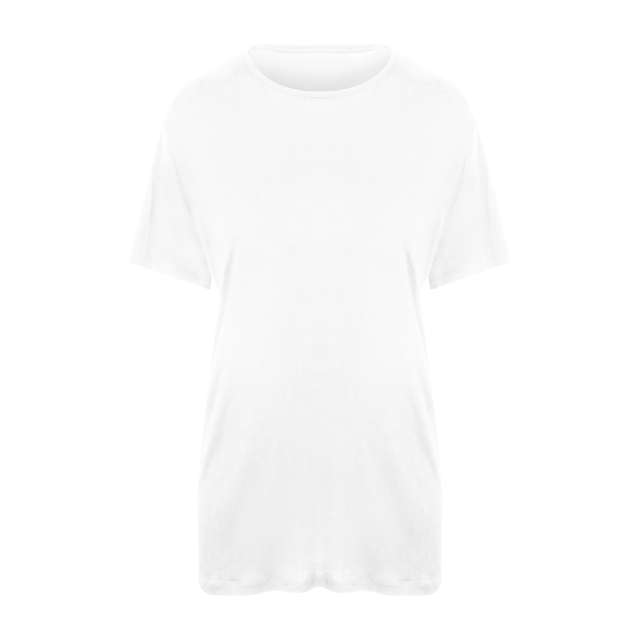
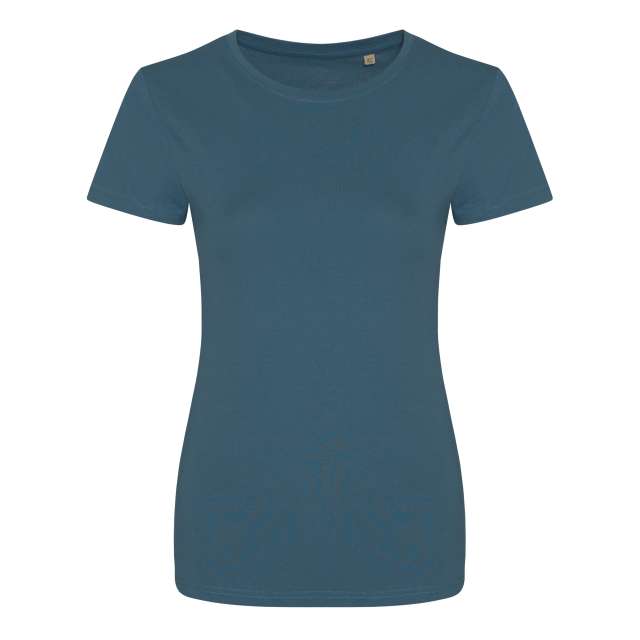
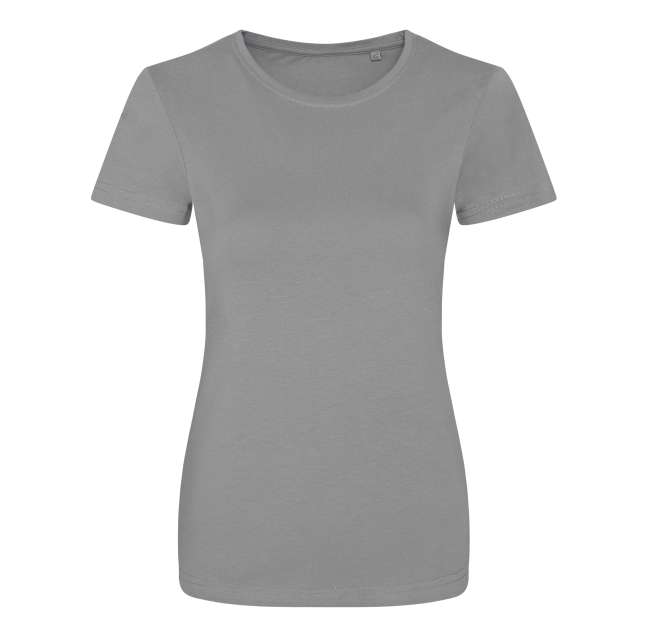
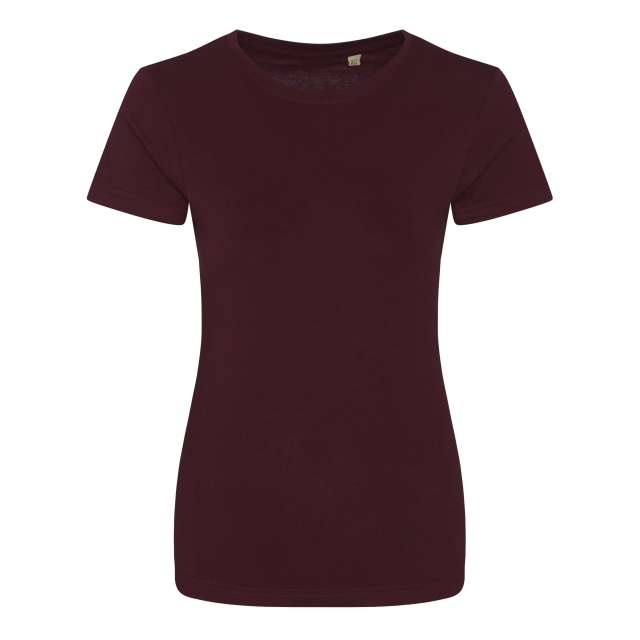
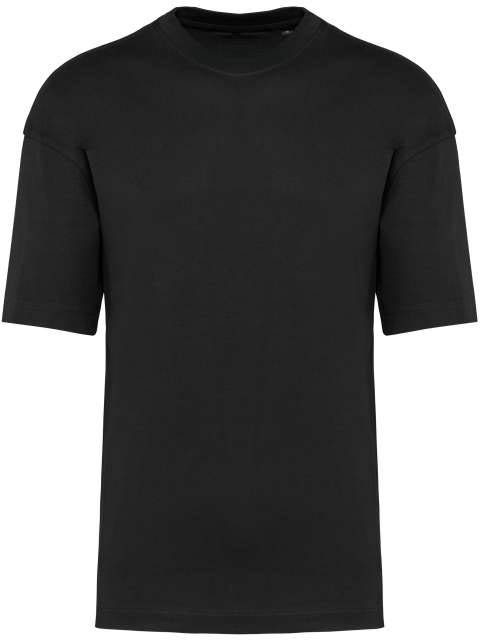
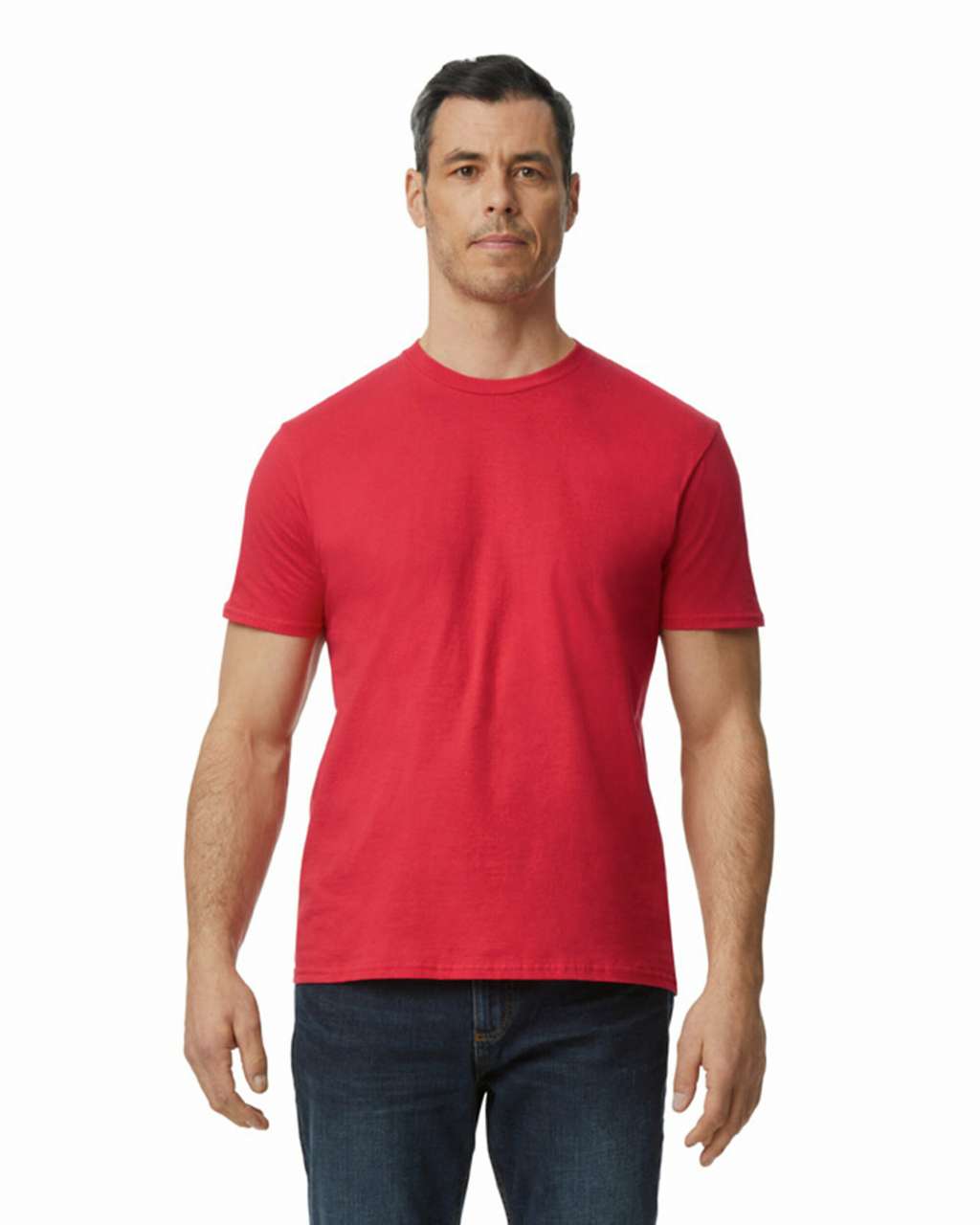
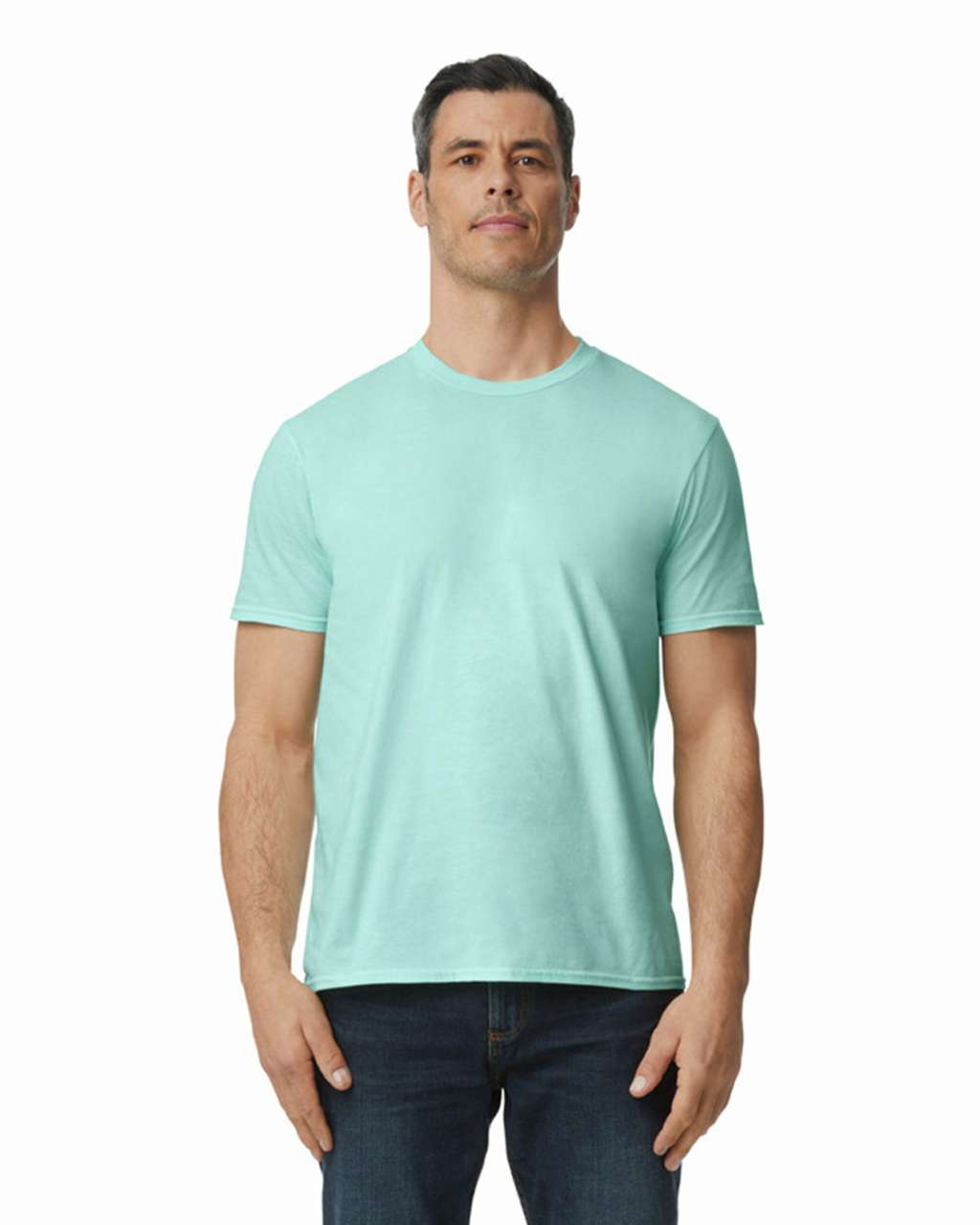
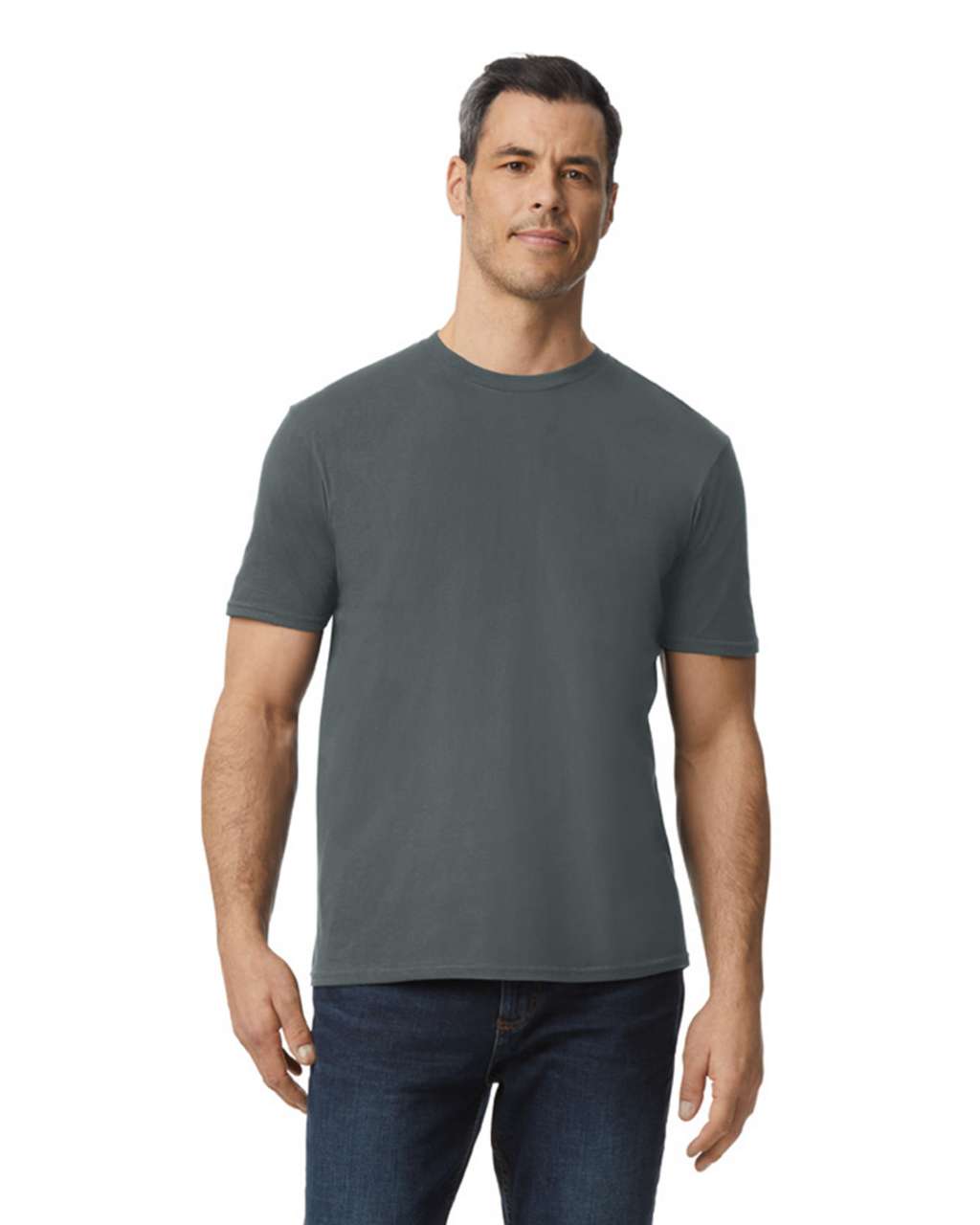
Which brands and materials are best for corporate branding on promotional T-shirts?
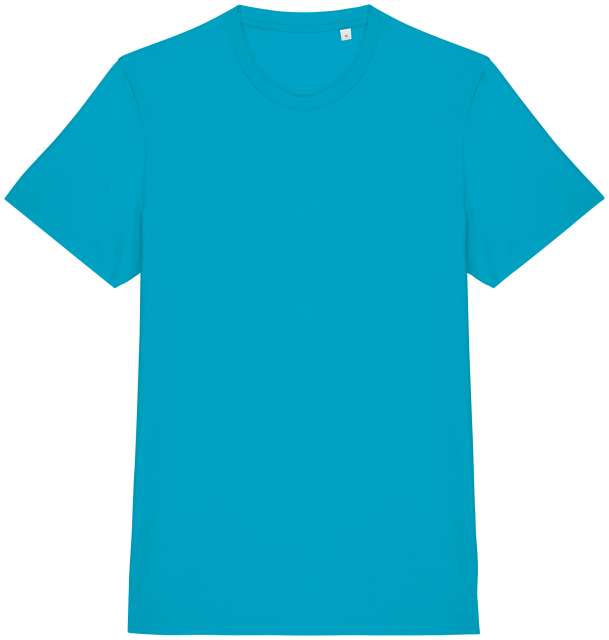
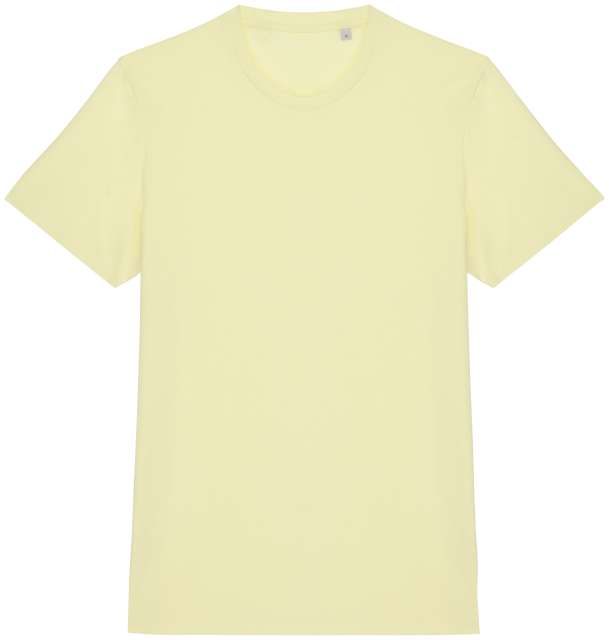
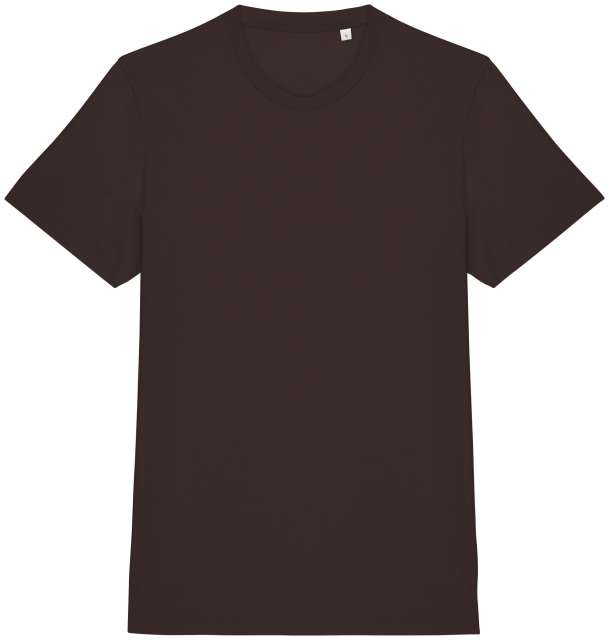
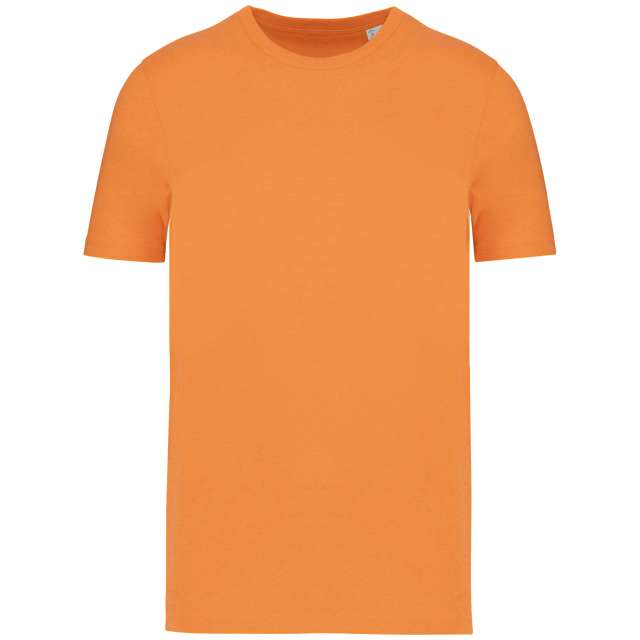
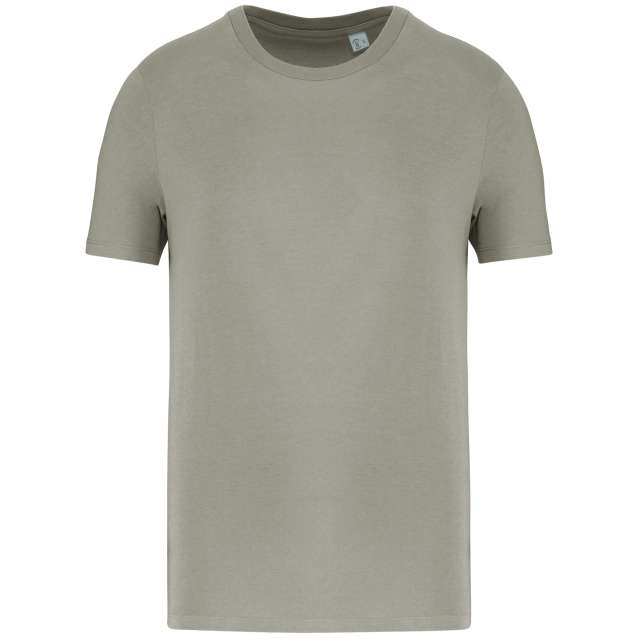
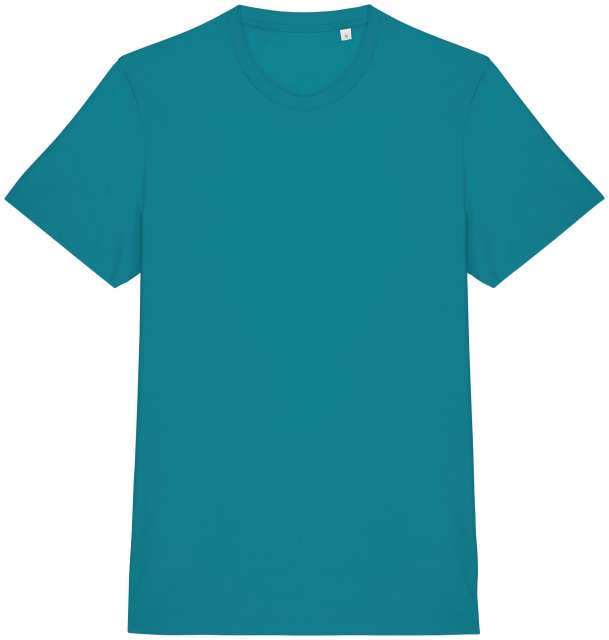
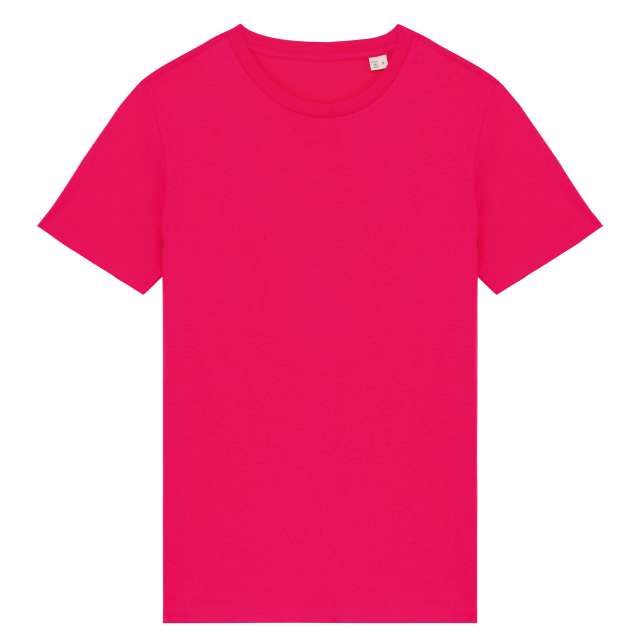
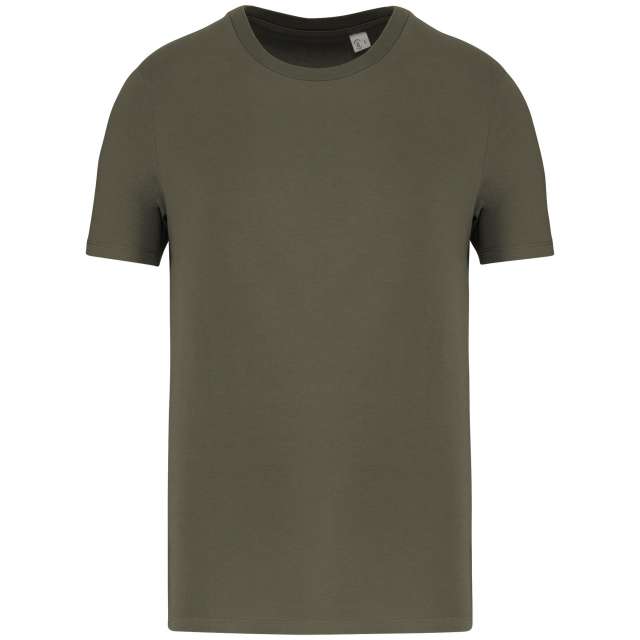
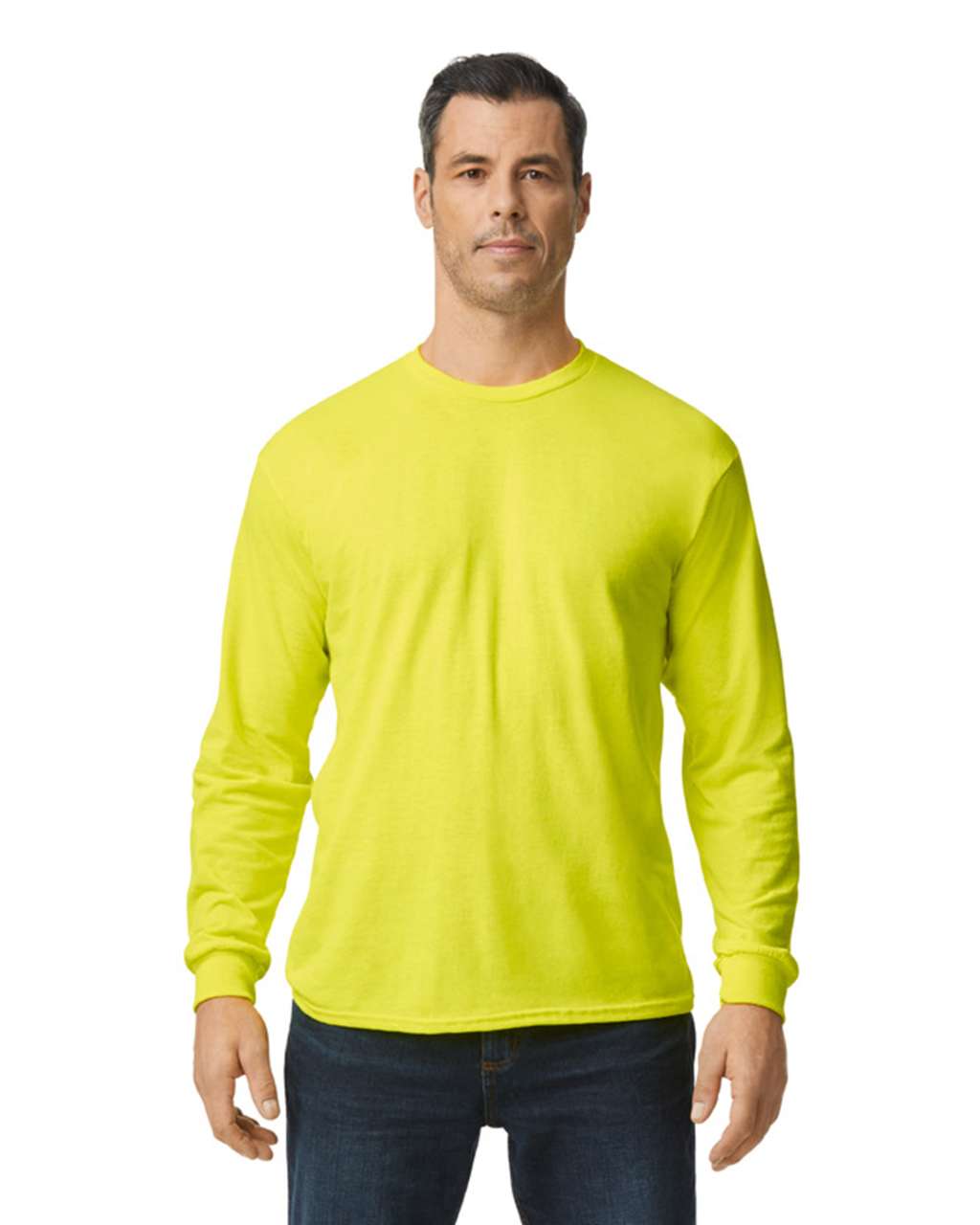
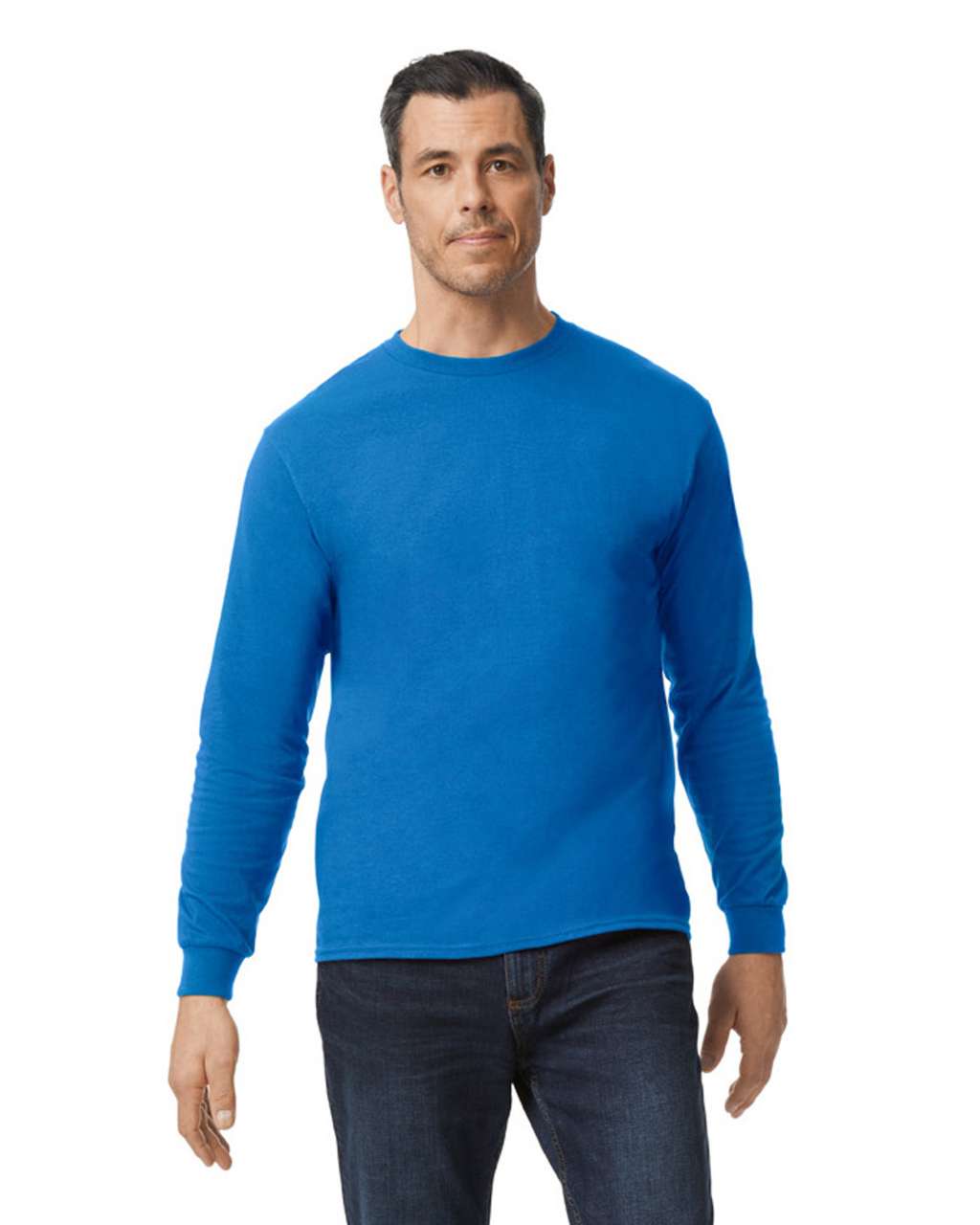
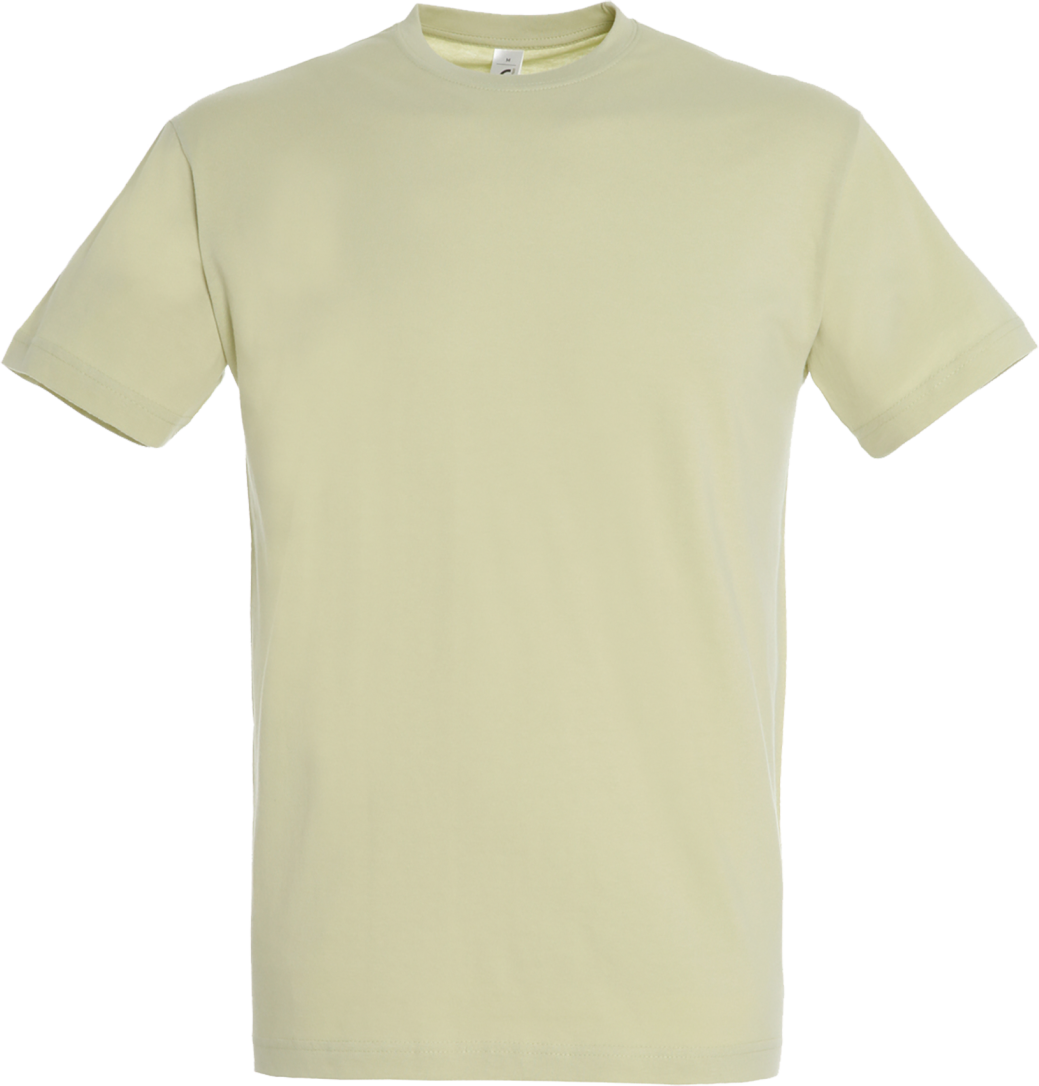
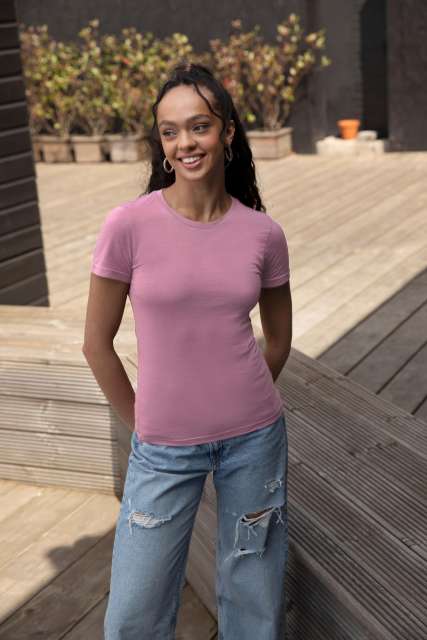
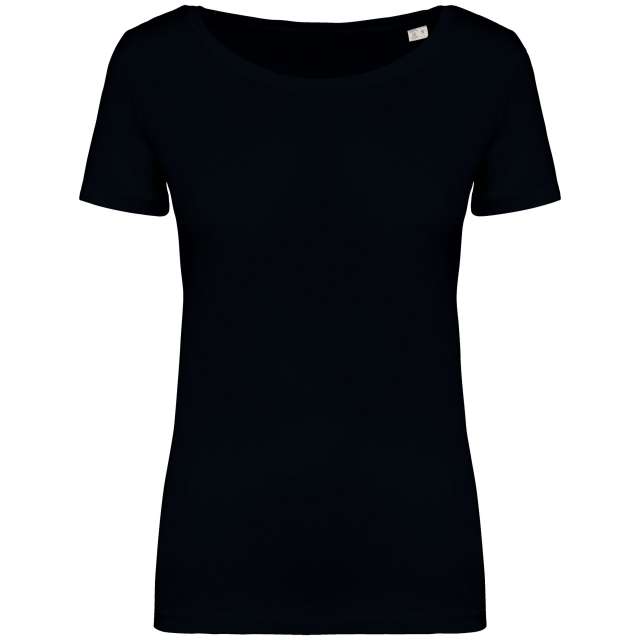
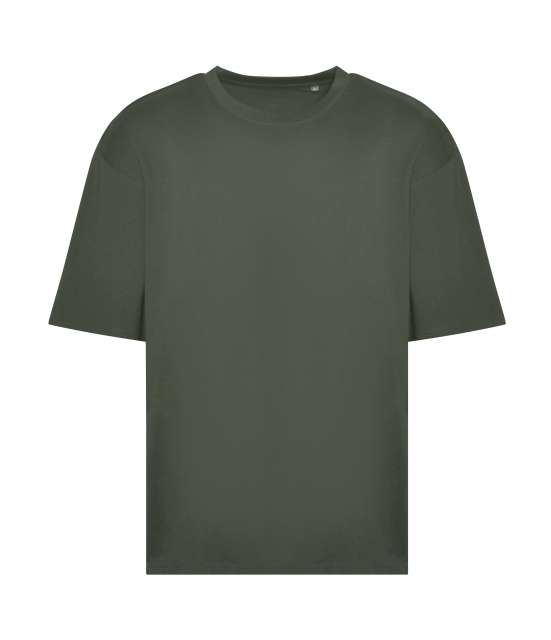
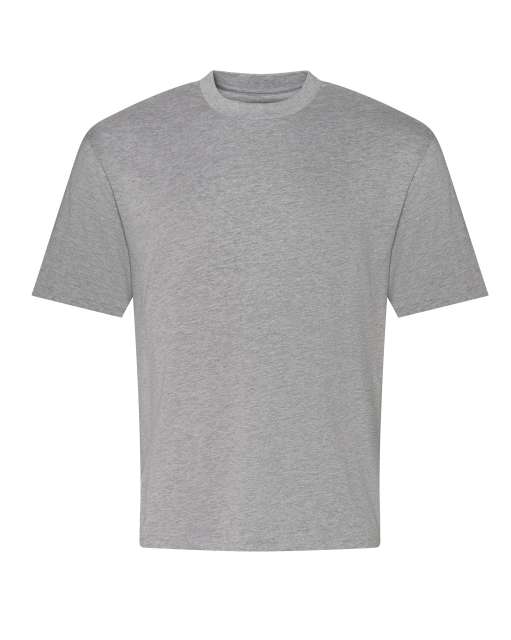
Our range is dominated by leading European and global textile brands. For budget-conscious campaigns and large-scale events, Gildan and Sol's are the go-to choices — they offer an excellent quality-to-value ratio across a wide colour palette. If your company prioritises premium quality and sustainability (ESG strategy), Stanley/Stella is the clear choice: this brand specialises in textiles made from 100% organic cotton and recycled materials with GOTS certification. For sports clubs, team-building events and outdoor activities we supply functional T-shirts made from 100% quick-drying polyester, which effectively wicks moisture and keeps the body dry.
Which brands and materials of promotional T-shirts are most suitable for corporate printing?
Our range is dominated by leading global textile brands such as Sol's, Gildan and Stanley/Stella. The choice of material depends on the intended use. For classic corporate events and merchandise, 100% cotton in various weights is the standard. Sustainable organic cotton (bio cotton) is gaining an increasing share — it is gentle on the skin and kind to the environment. For sports teams, construction companies and outdoor activities, functional T-shirts made from 100% polyester are ideal: they effectively wick moisture away from the body, dry quickly and resist creasing.
How do you choose the right decoration method — screen printing, DTF or embroidery — for corporate T-shirts?
The choice of technology depends on the artwork, the fabric and the order quantity. For large runs with simpler vector logos, direct screen printing is the industry standard — it delivers exceptional wash durability, vivid colours and the lowest cost per piece. For more complex full-colour artwork, detailed graphics or even single-unit orders, we use modern DTF (Direct to Film) technology: a digital print is made onto a film that is then heat-transferred onto the fabric, resulting in a soft, highly elastic print. Machine embroidery is the hallmark of quality and luxury; on T-shirts it is typically applied in a smaller format (for example, on the chest) and works best on heavier-weight cotton, as it offers absolute longevity and does not fade or peel.
What does fabric weight mean for a promotional T-shirt, and how does it affect quality and wearability?
Fabric weight indicates how heavy the fabric is in grams per square metre (g/m2) and is the primary indicator of material thickness. T-shirts with a lower weight (around 130-140 g/m2) are lightweight, breathable and ideal for large-scale summer festivals or one-off promotional events. A mid-range weight (150-160 g/m2) represents the industry standard for everyday corporate wear. A high fabric weight (180-200 g/m2 and above) denotes premium, heavyweight T-shirts that are highly resistant to wear, hold their shape excellently after many washes and convey a premium, luxurious impression.
What does fabric weight mean for T-shirts and how does it affect their intended use?
Fabric weight (expressed in grams per square metre — g/m²) determines the thickness and density of the knit. Lightweight T-shirts with a weight of around 130–140 g/m² are thin, breathable and ideal for large-scale summer festivals, one-off promotional events or as functional sports jerseys. A mid-range weight of 150–160 g/m² is the universal standard for corporate merchandising and client gifts. Higher weights above 180–220 g/m² (so-called heavy weight) represent premium, substantial T-shirts that hold their shape perfectly, withstand frequent washing in demanding conditions and are ideal as long-term workwear for employees.
What are the differences between T-shirt printing technologies such as screen printing and modern DTF?
The choice of technology depends on the complexity of the artwork and the quantity required. Direct screen printing is the best choice for larger runs and simpler vector graphics. It offers exceptional durability, vivid colours and outstanding cost-effectiveness at higher volumes. For complex, full-colour logos, photographs, shadows and fine details, modern DTF (Direct to Film) technology is the ideal solution. The artwork is first printed onto a special film and then heat-pressed under high pressure into the fabric structure. DTF printing is highly elastic, soft to the touch and holds up excellently even on coloured textiles.
When is embroidery a better choice than classic printing for a T-shirt?
Machine embroidery (or a woven patch) transforms an ordinary T-shirt into a premium corporate garment. Embroidery has a virtually unlimited lifespan — it does not rub off, withstands washing at higher temperatures and projects a highly professional image. It is ideal for smaller, understated logos placed on the chest, sleeve or back below the collar. We recommend applying embroidery primarily to heavier-weight T-shirts (Heavy Weight) and polo shirts, as very thin fabrics may pucker around the embroidered motif.
How should I care for printed promotional T-shirts to make the logo last as long as possible?
To preserve vivid print colours and fabric integrity, we recommend always washing T-shirts inside out at a maximum temperature of 30–40 °C. Use gentle liquid detergents and strictly avoid aggressive bleaching agents and fabric softeners, which can break down the print binder. Never tumble-dry printed T-shirts. When ironing, again work inside out or cover the print with baking paper — direct contact between the iron and the printed logo can permanently damage the artwork.
 English - EUR
 Deutsch - EUR
 Slovensky - EUR
 Česky - CZK