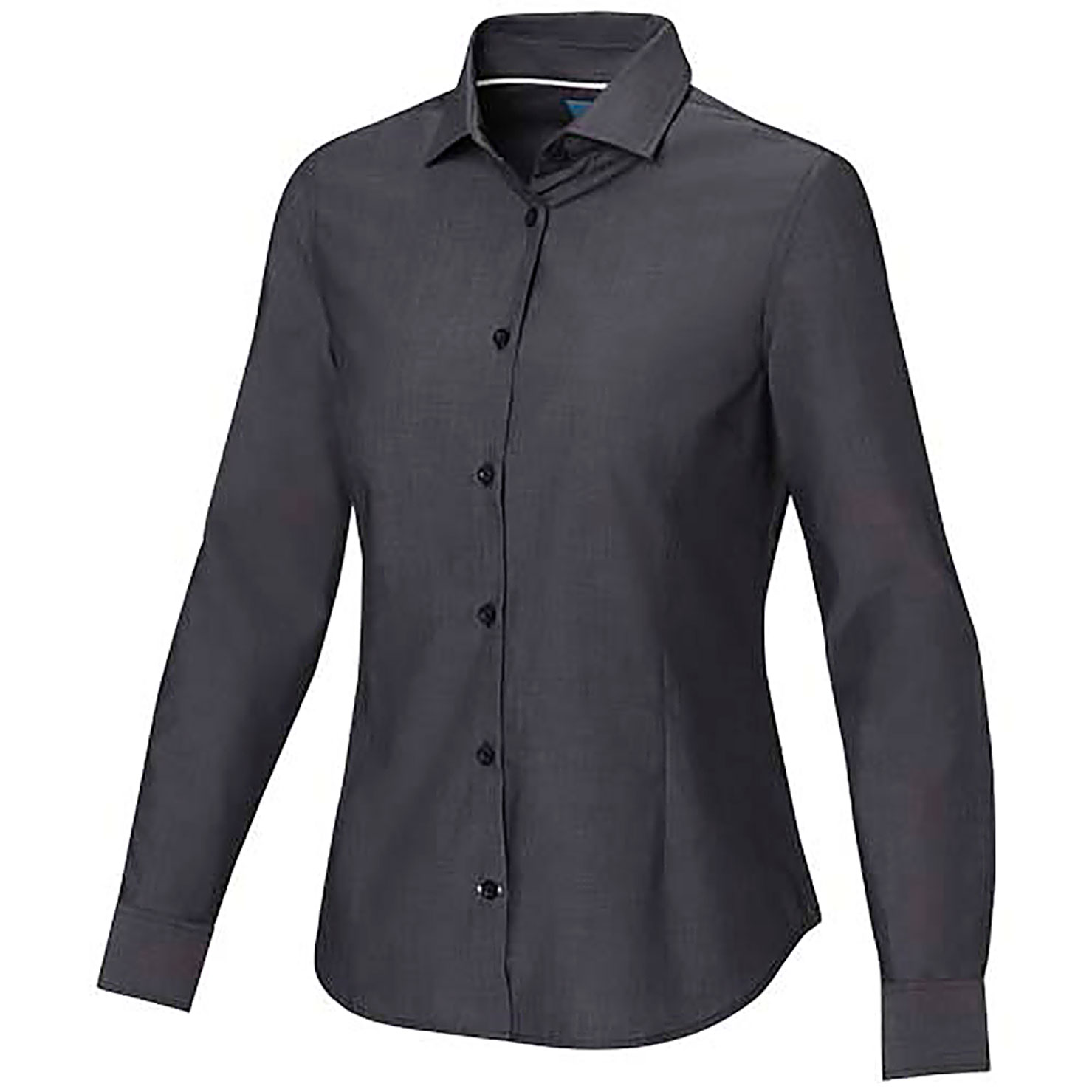
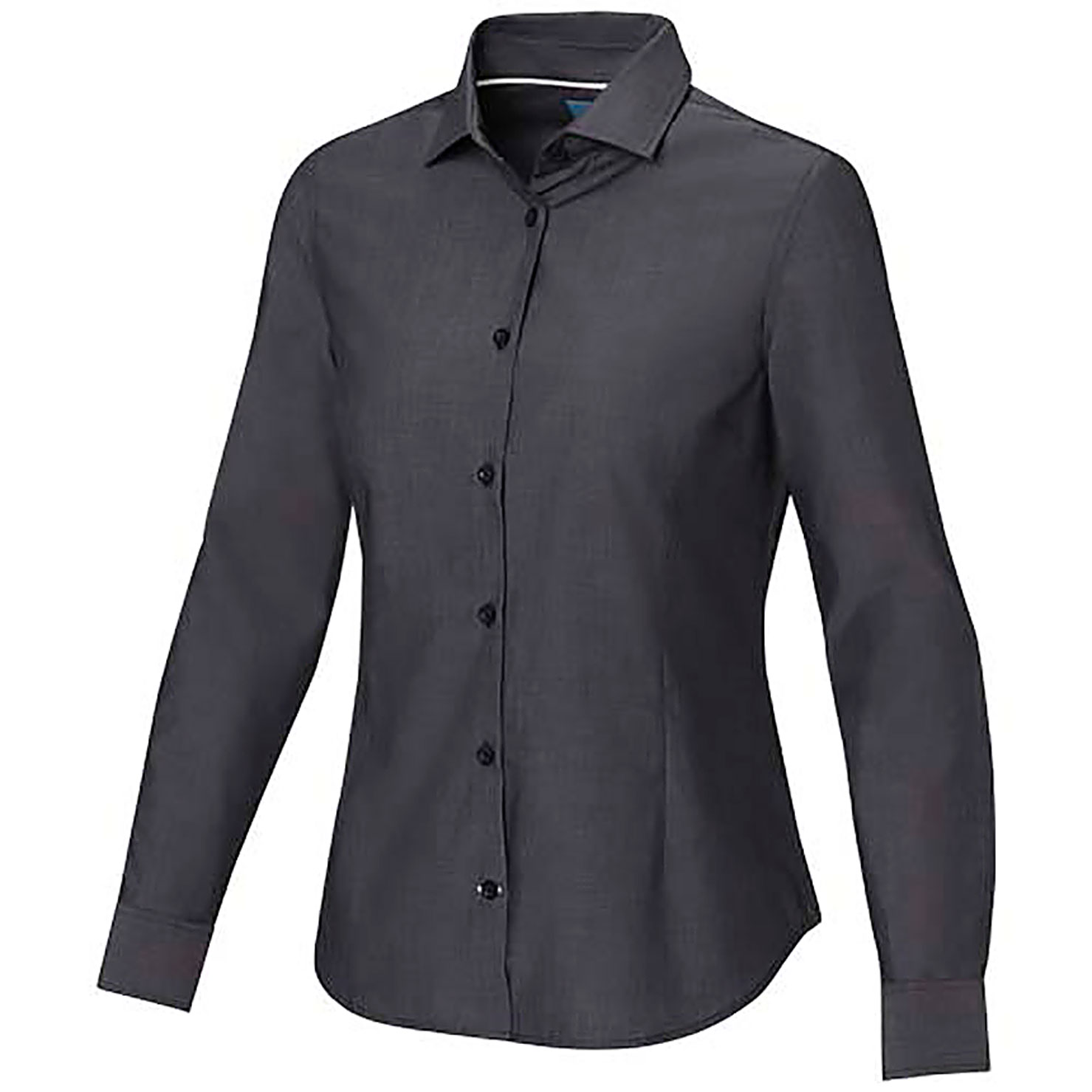
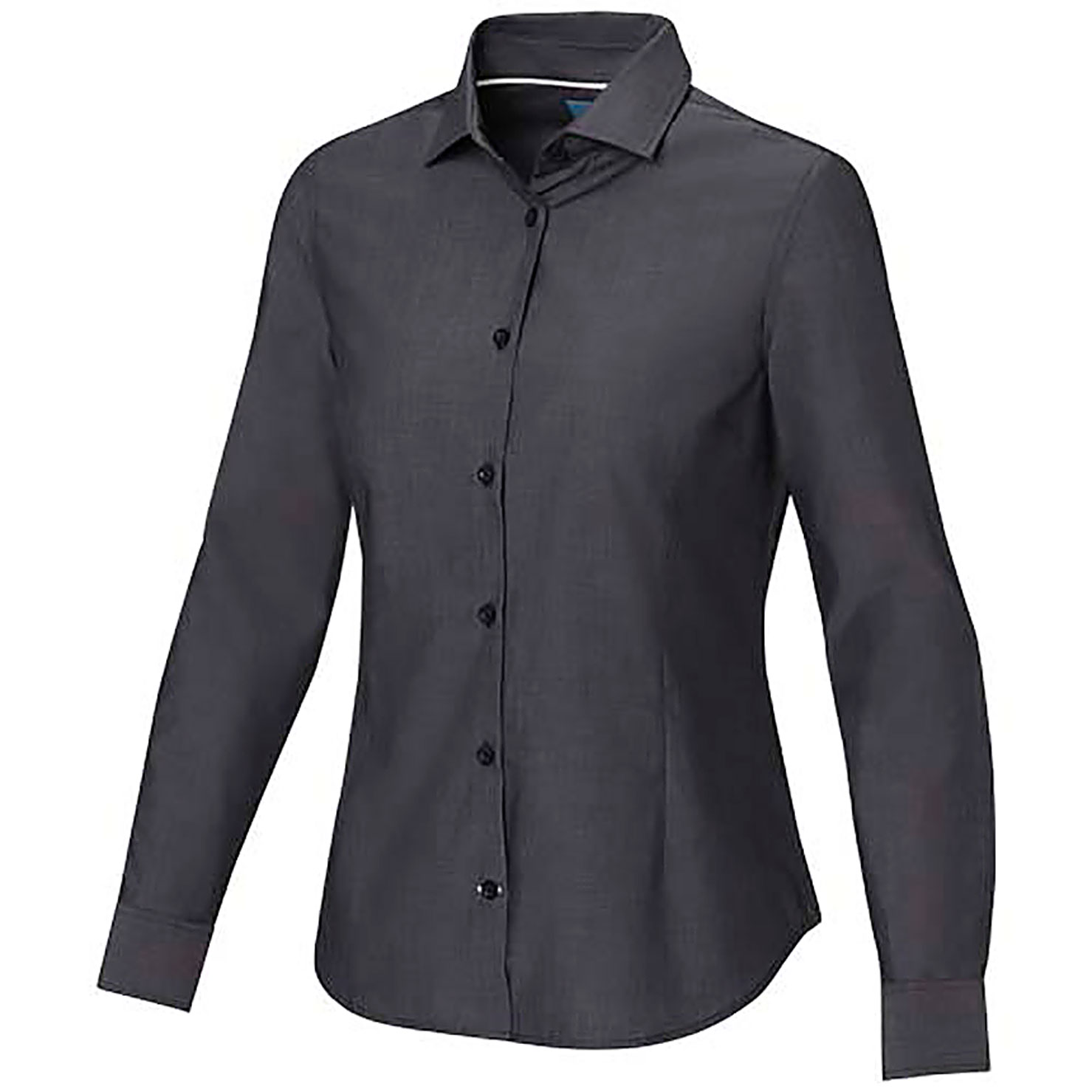
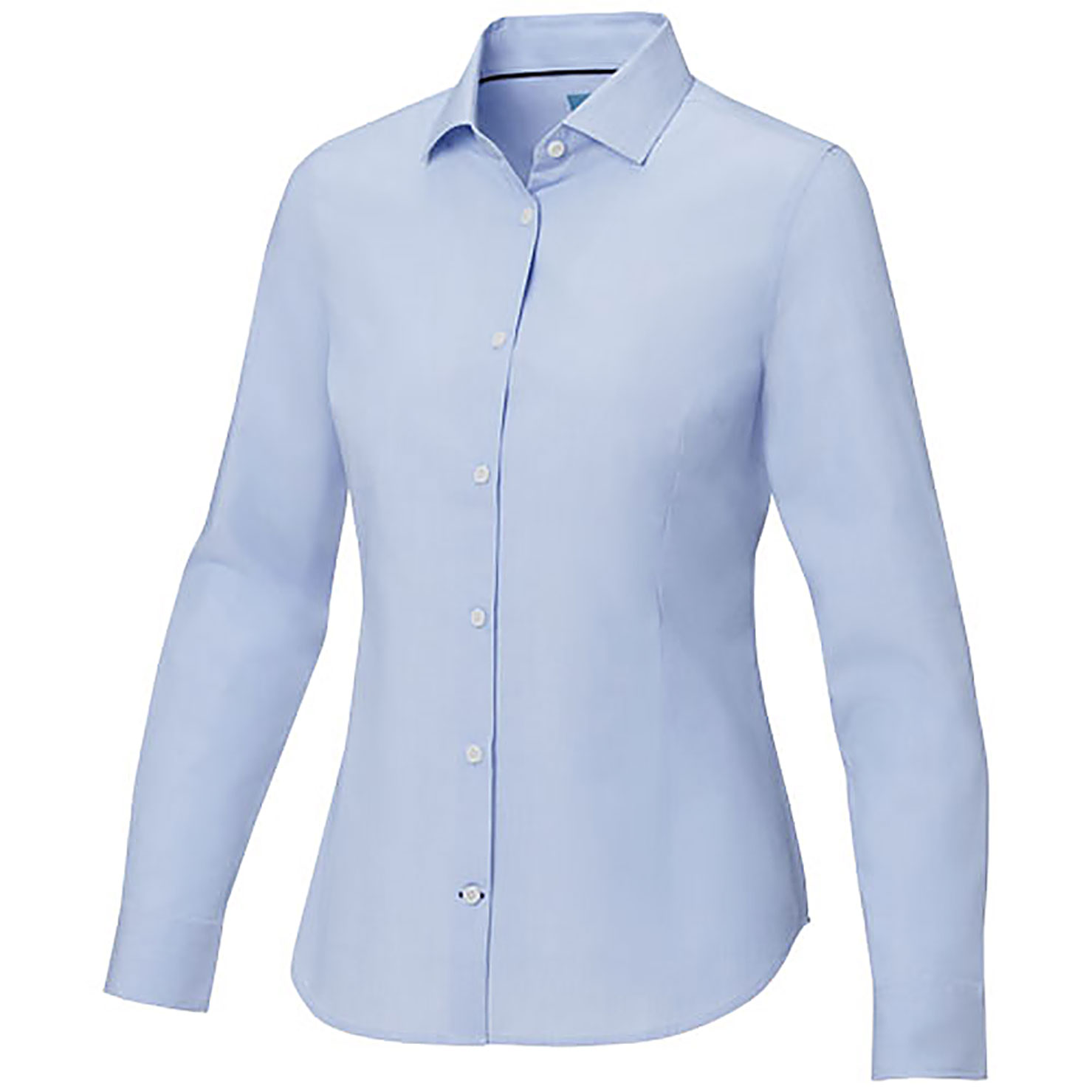
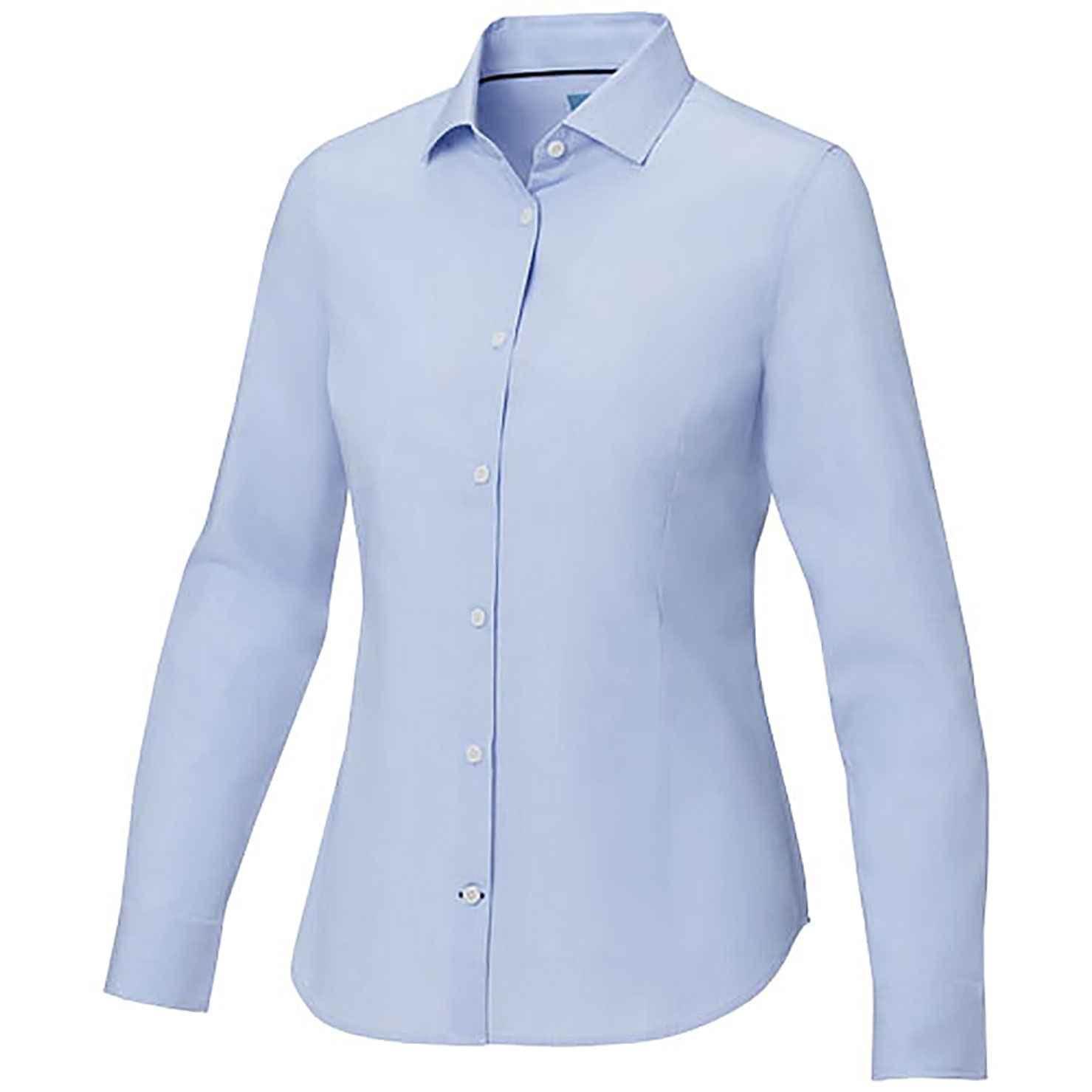
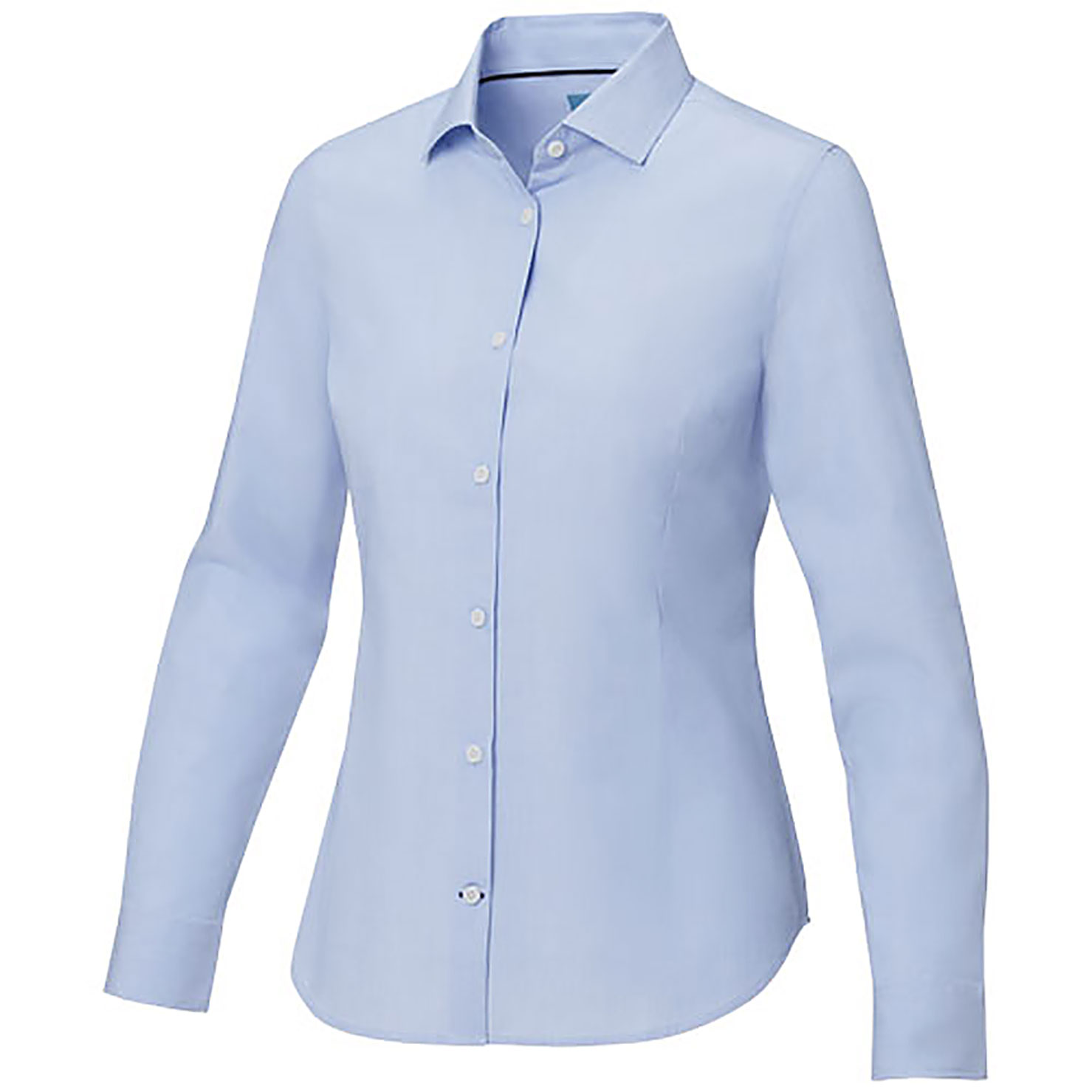
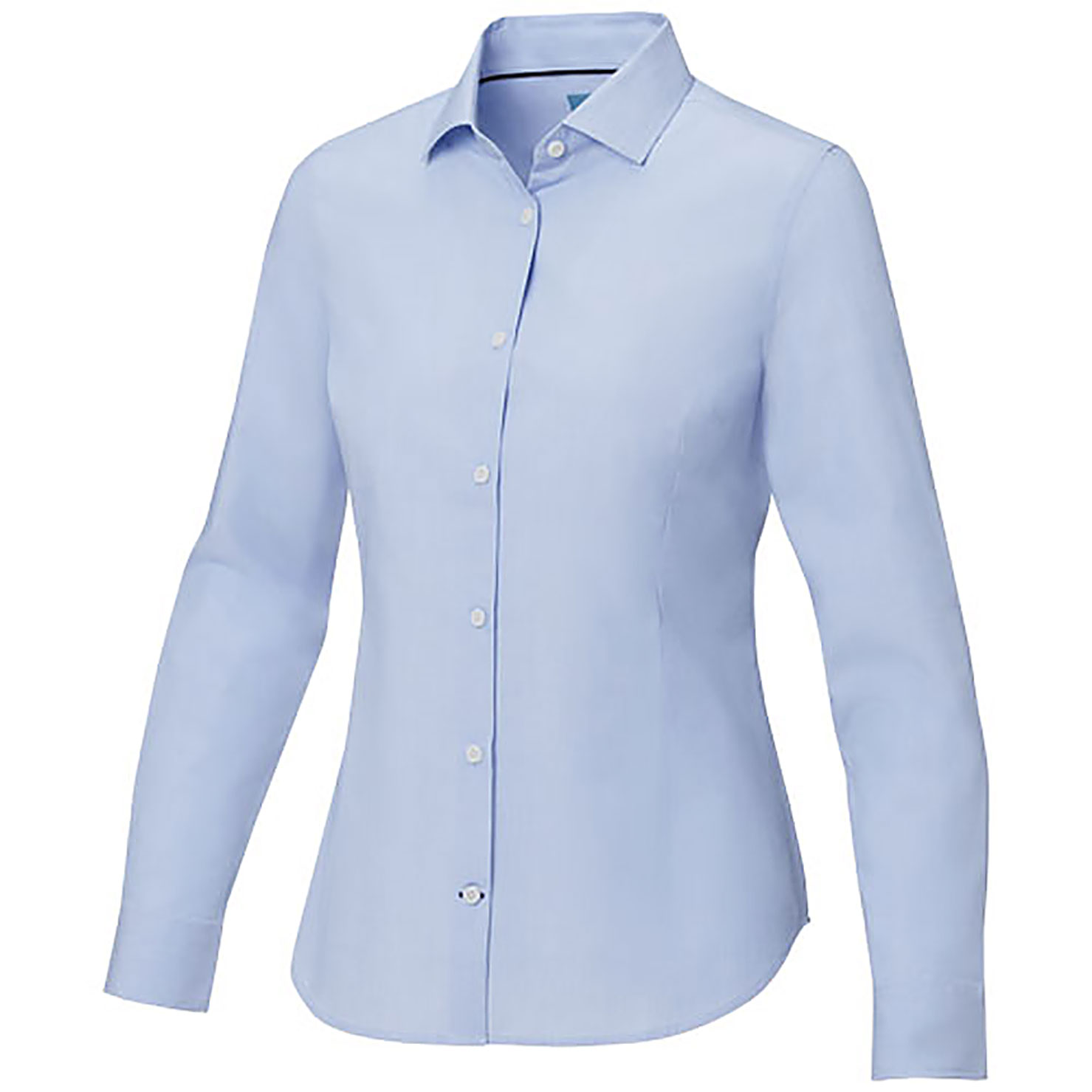
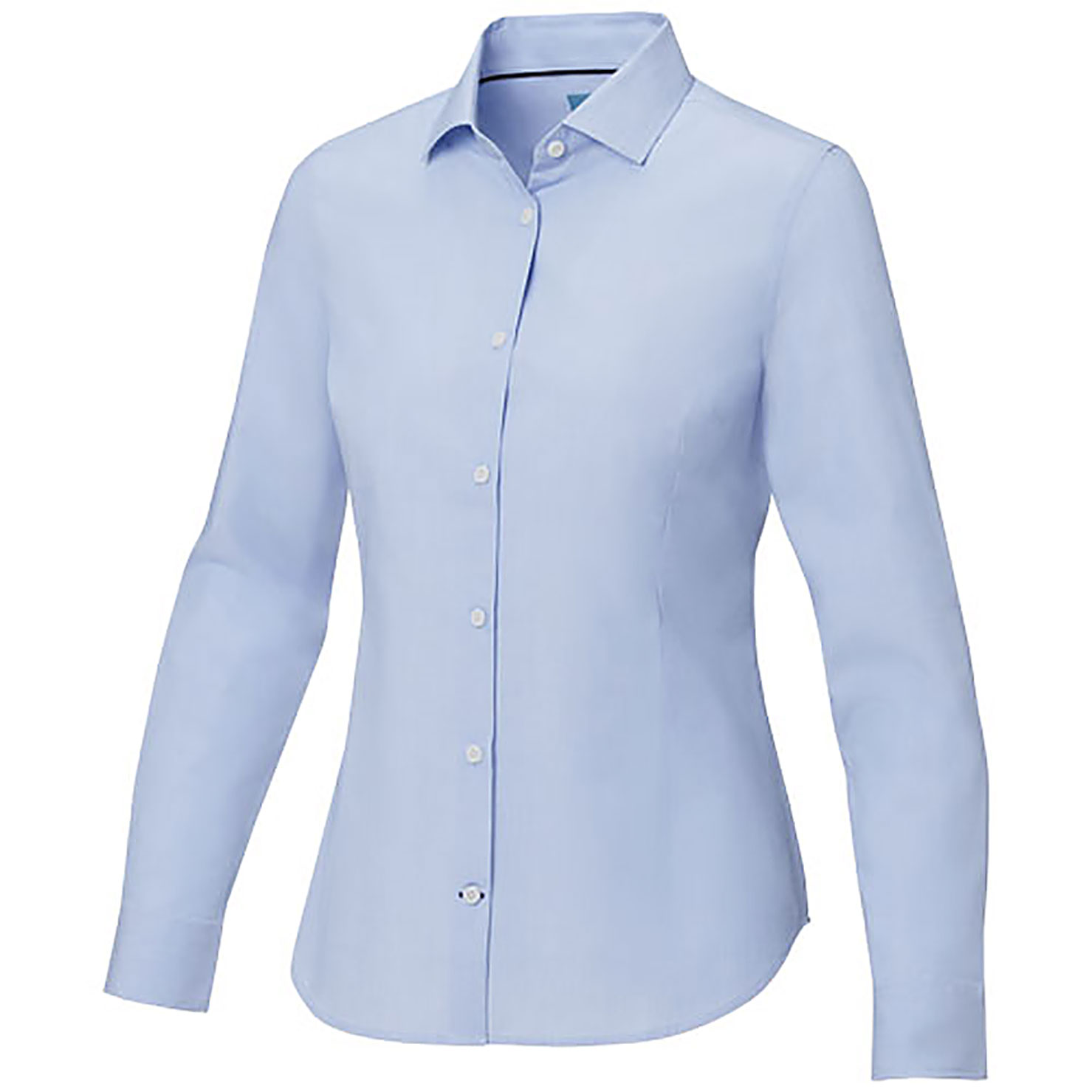
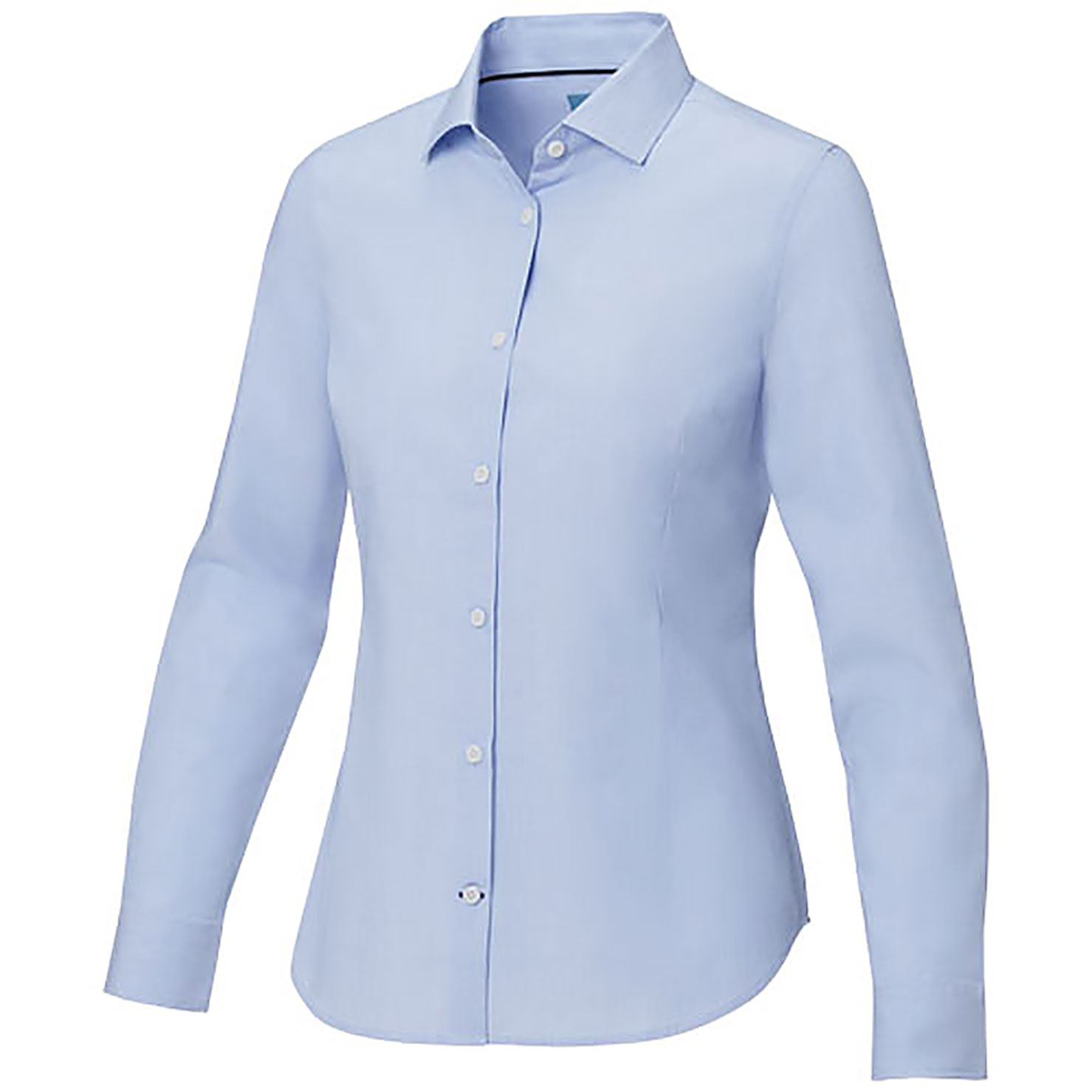
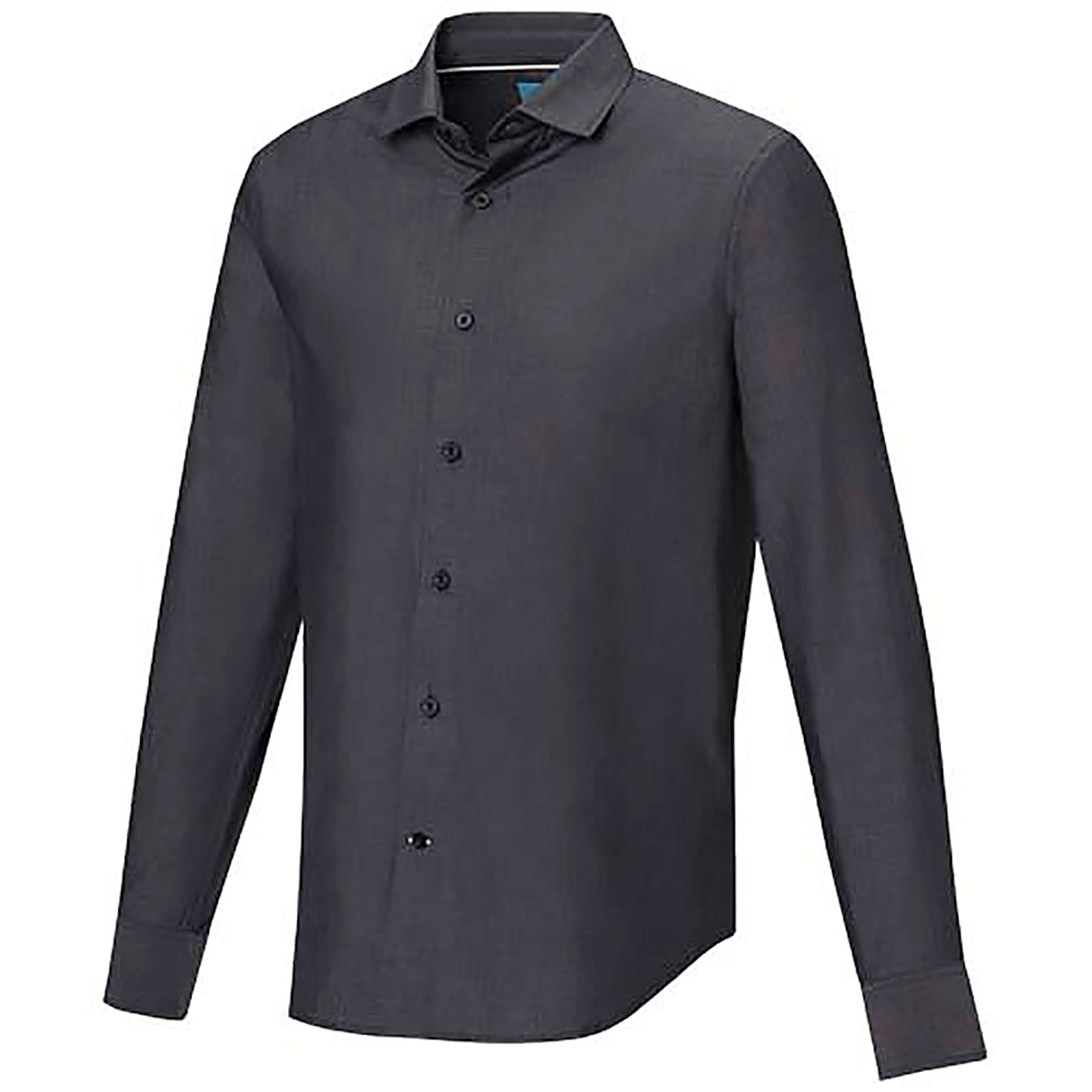
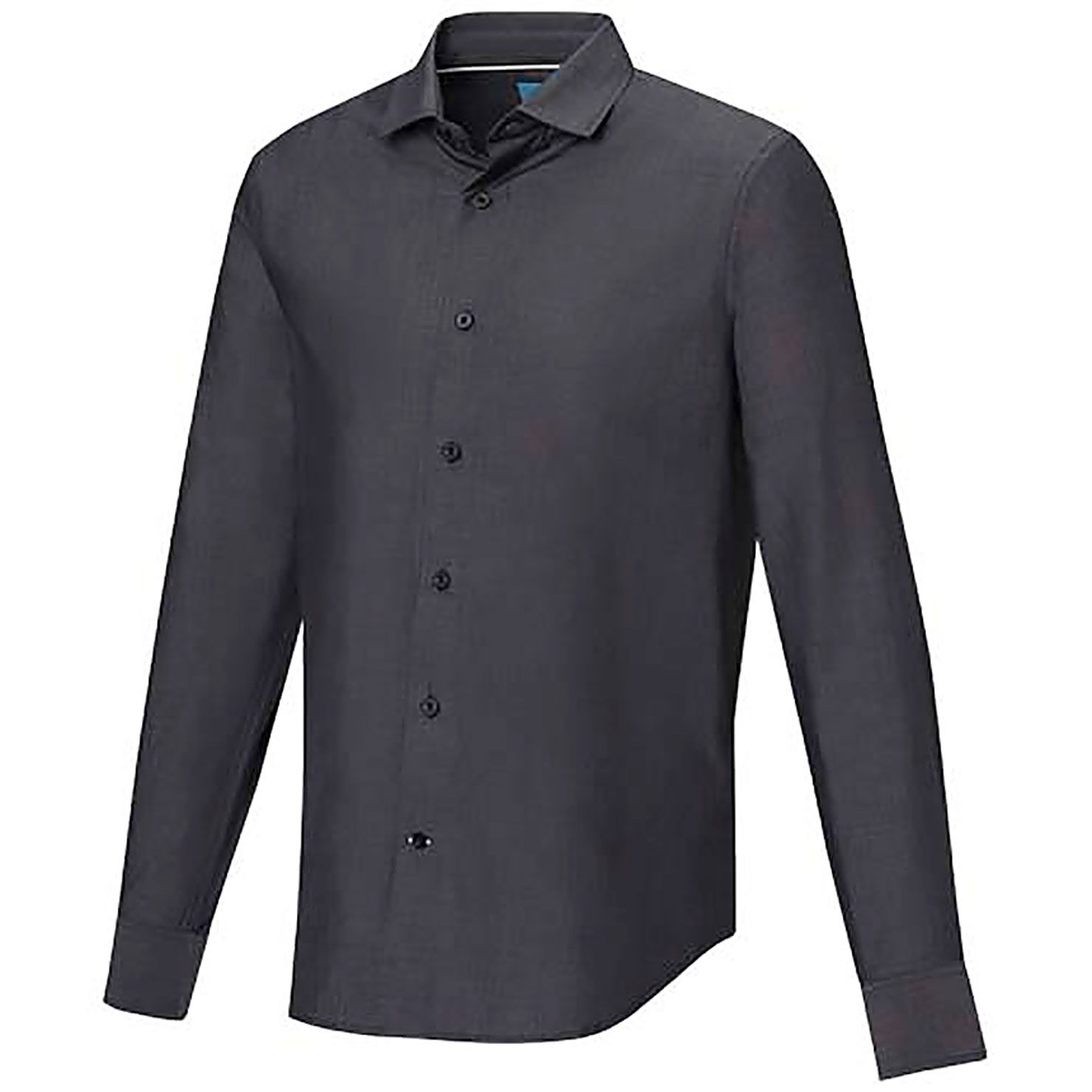
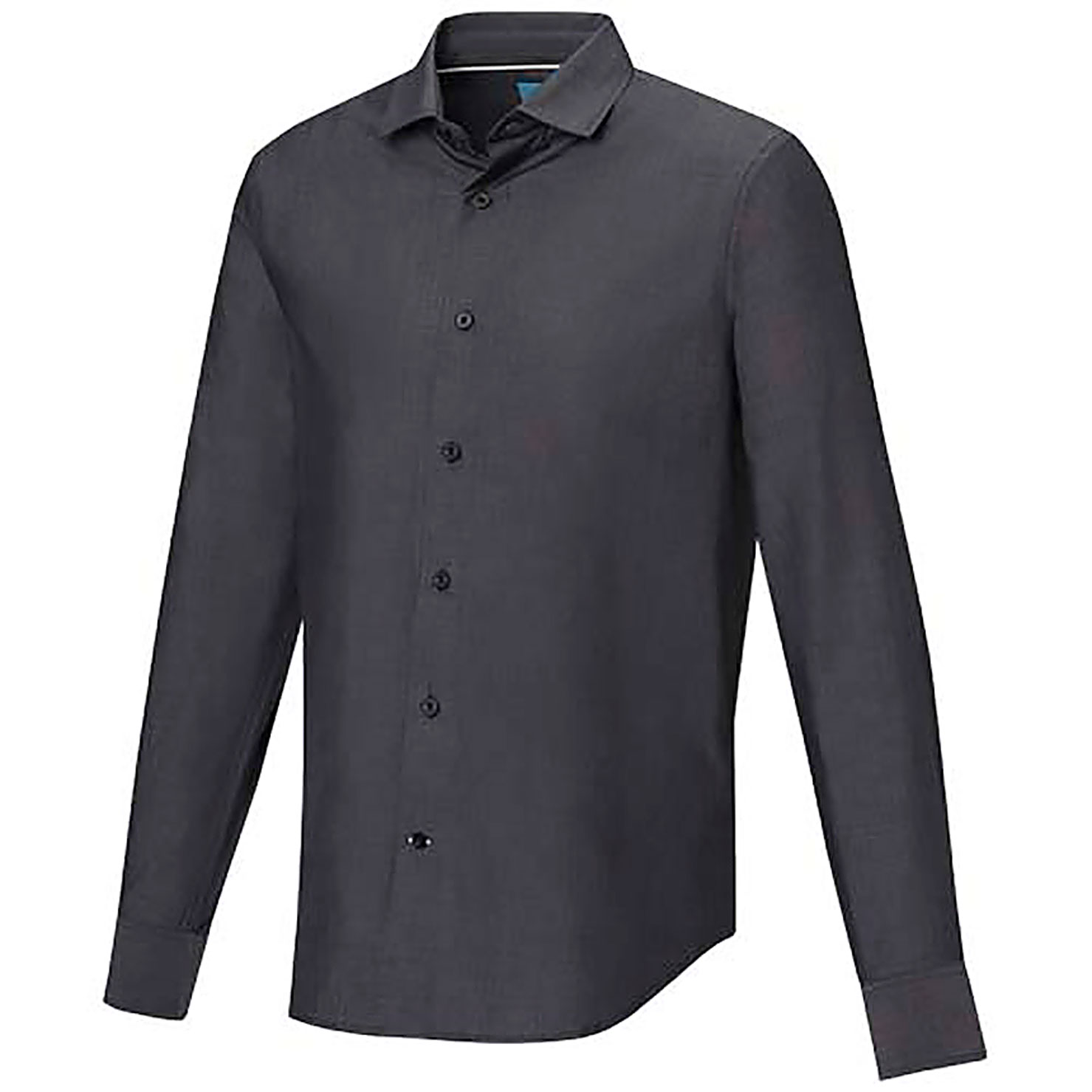
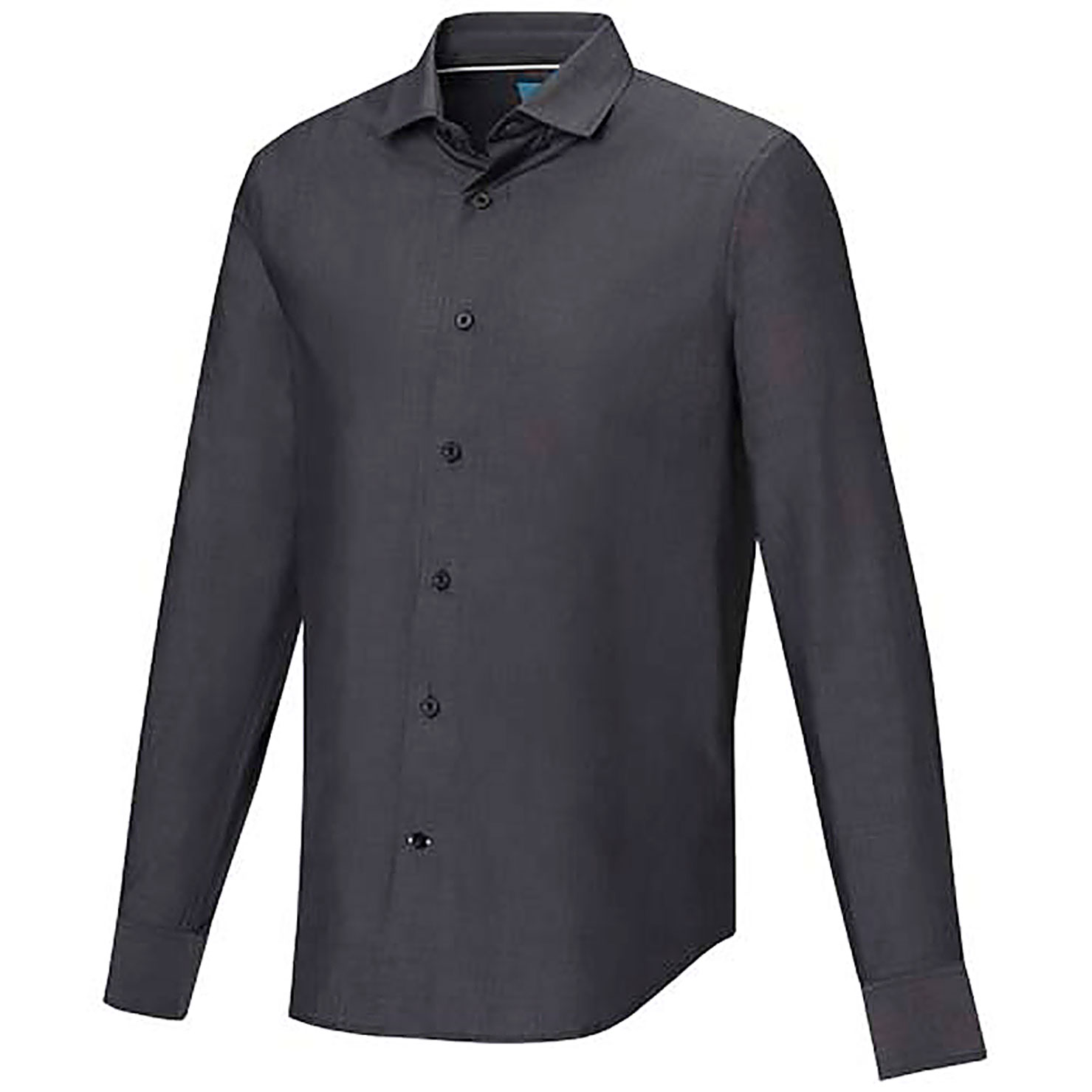
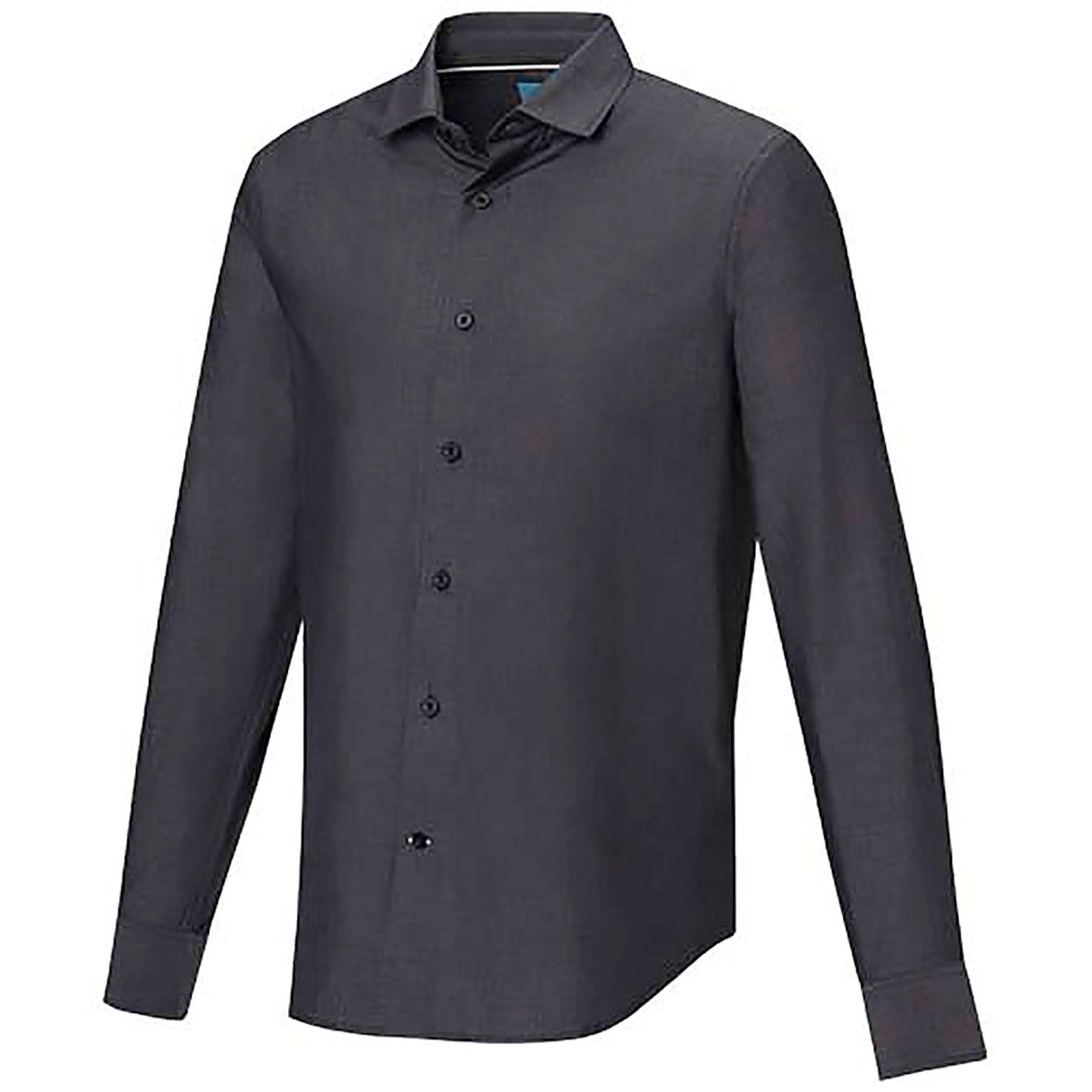
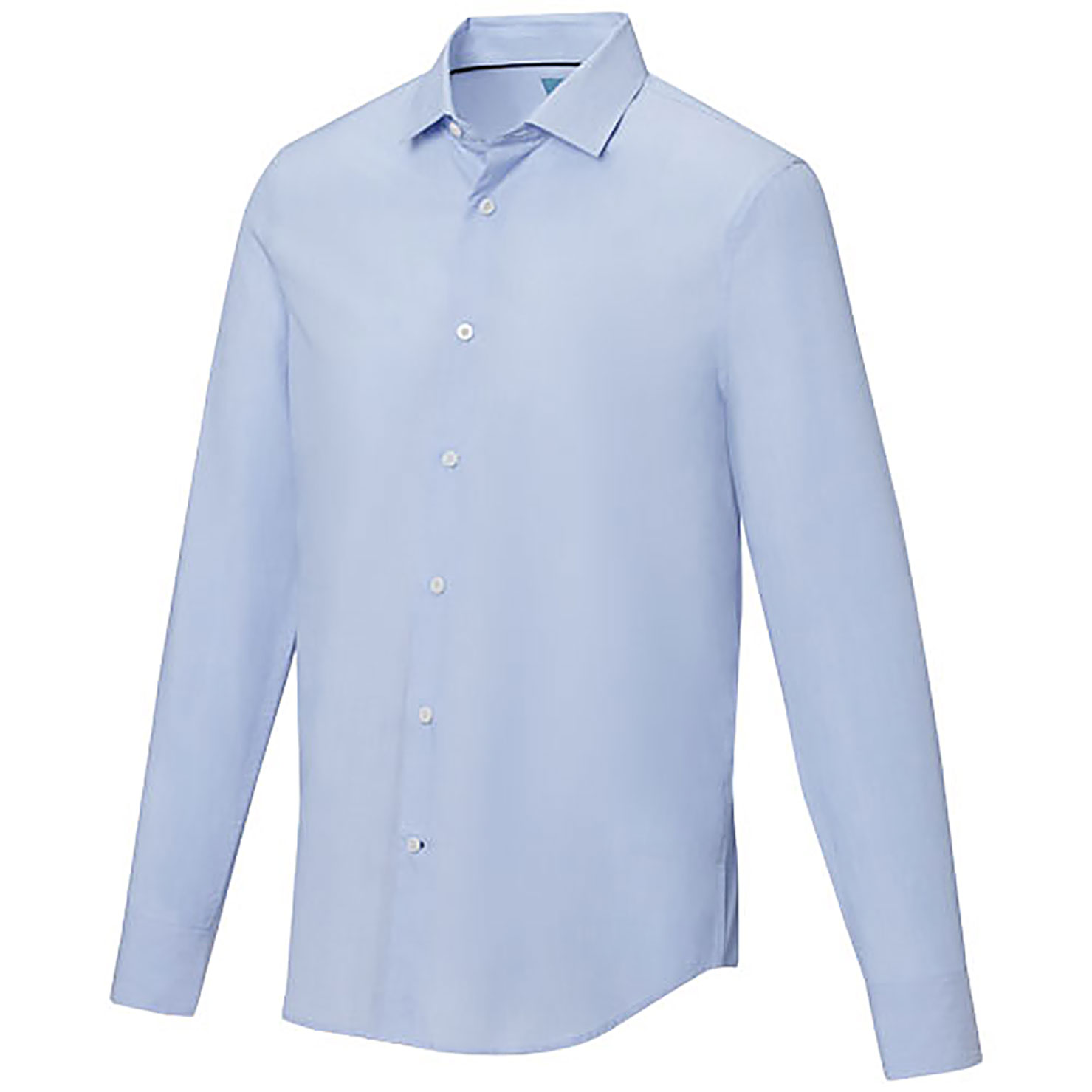
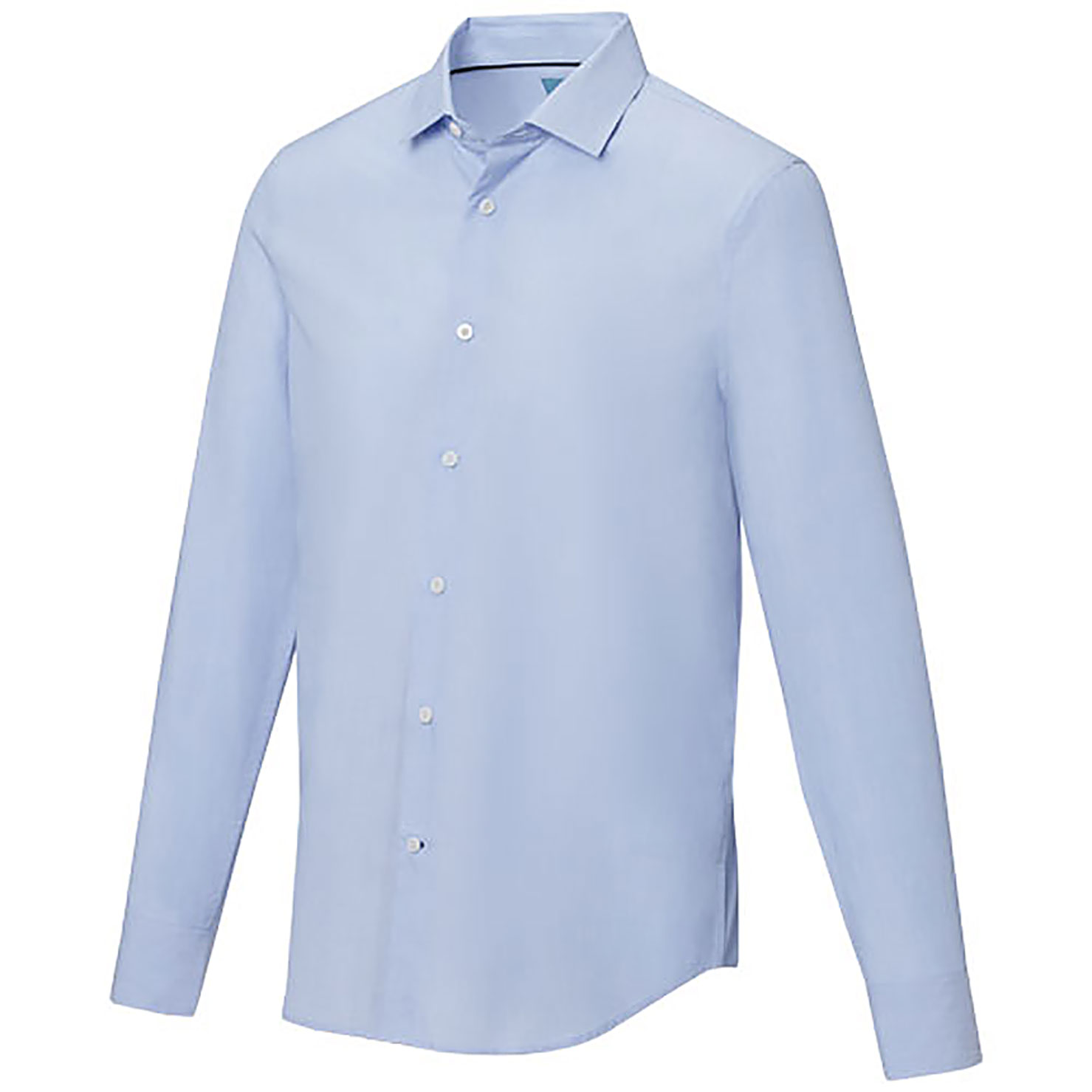
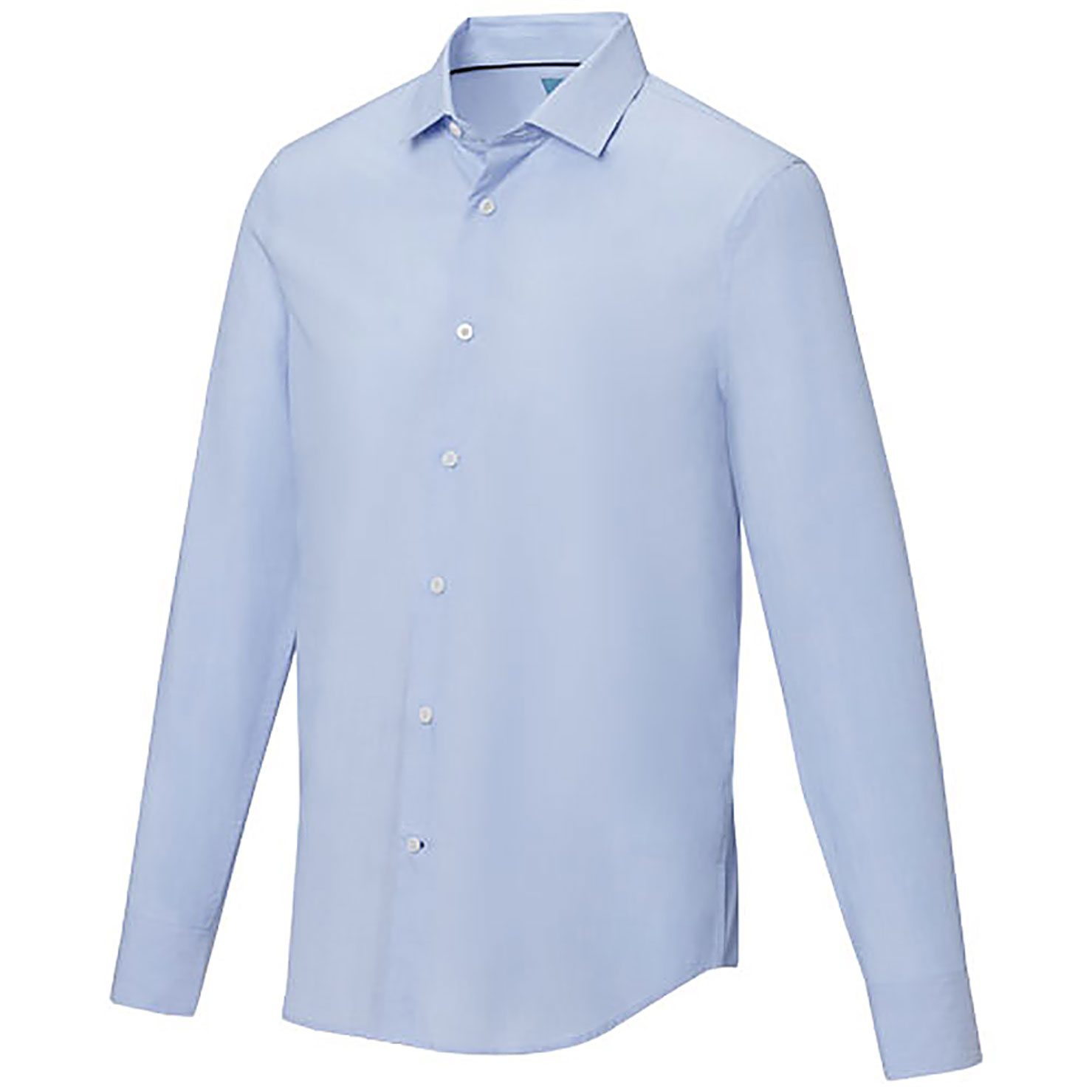
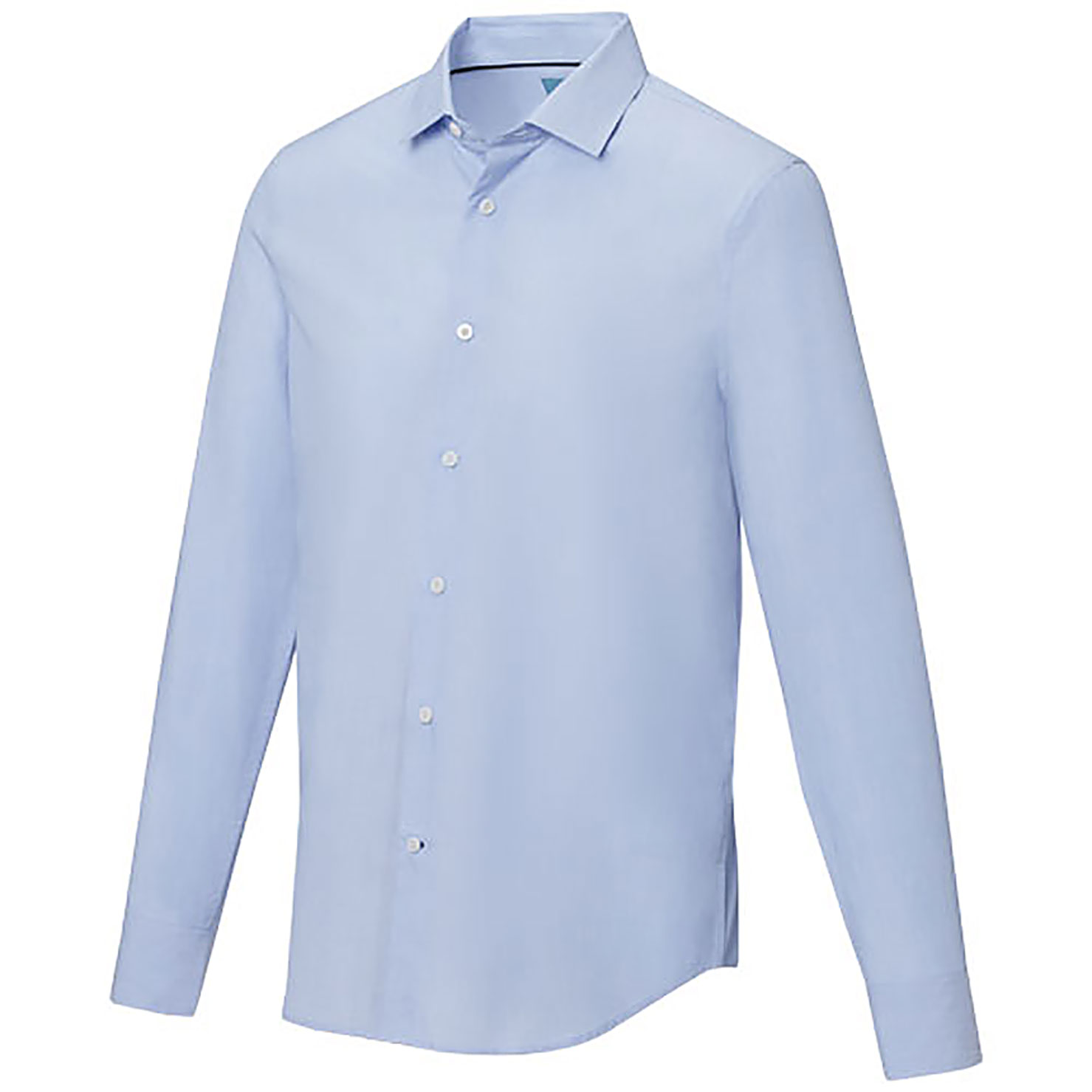
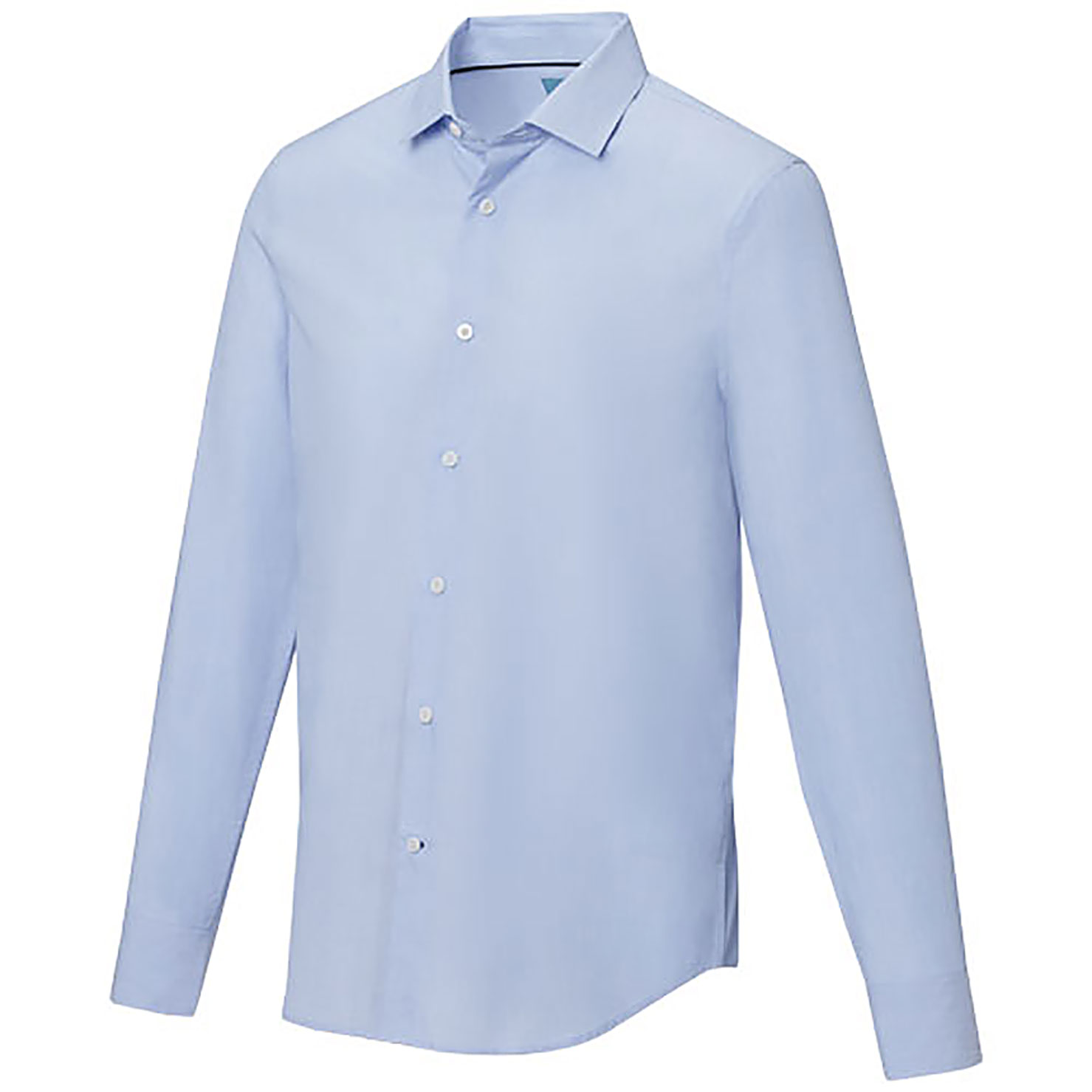
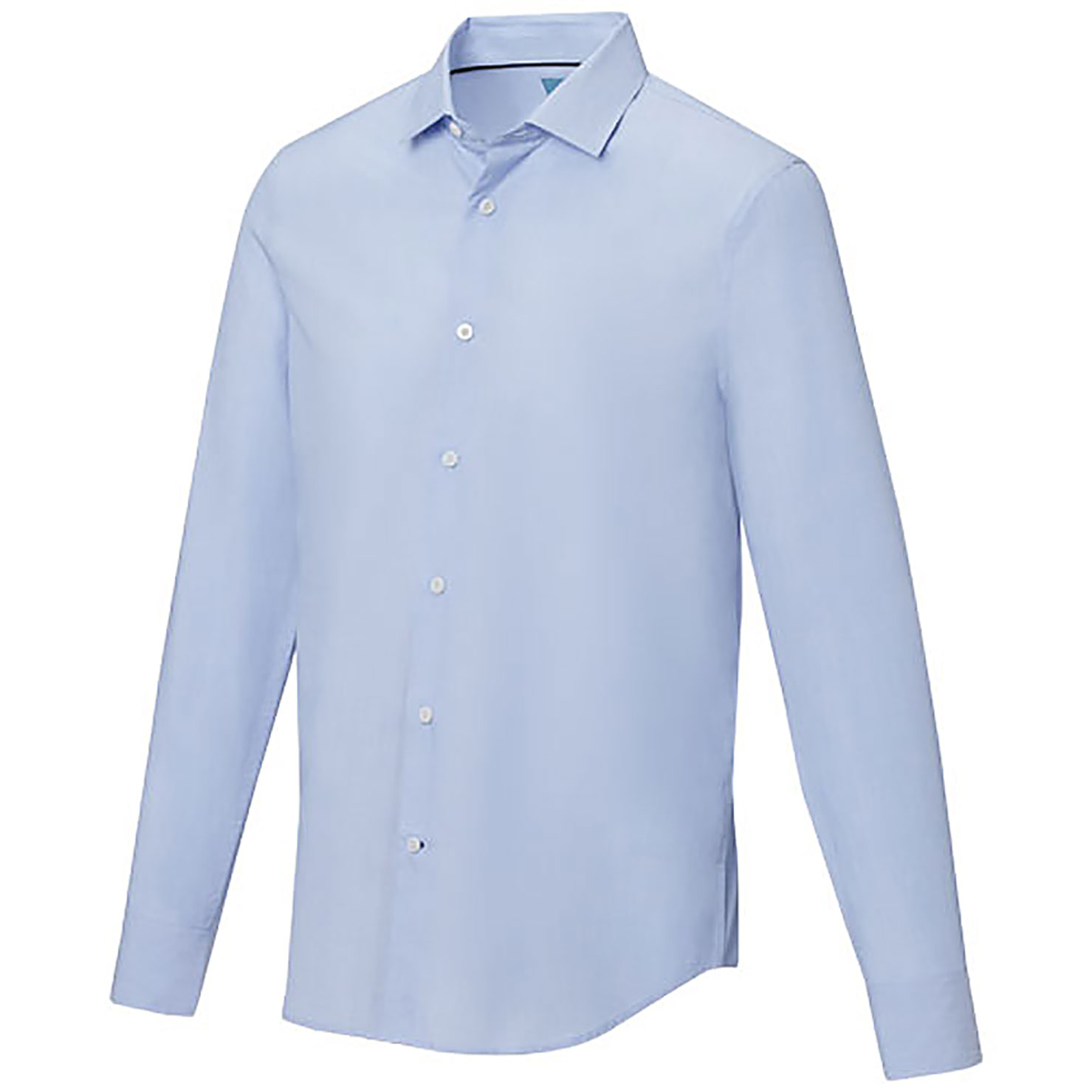
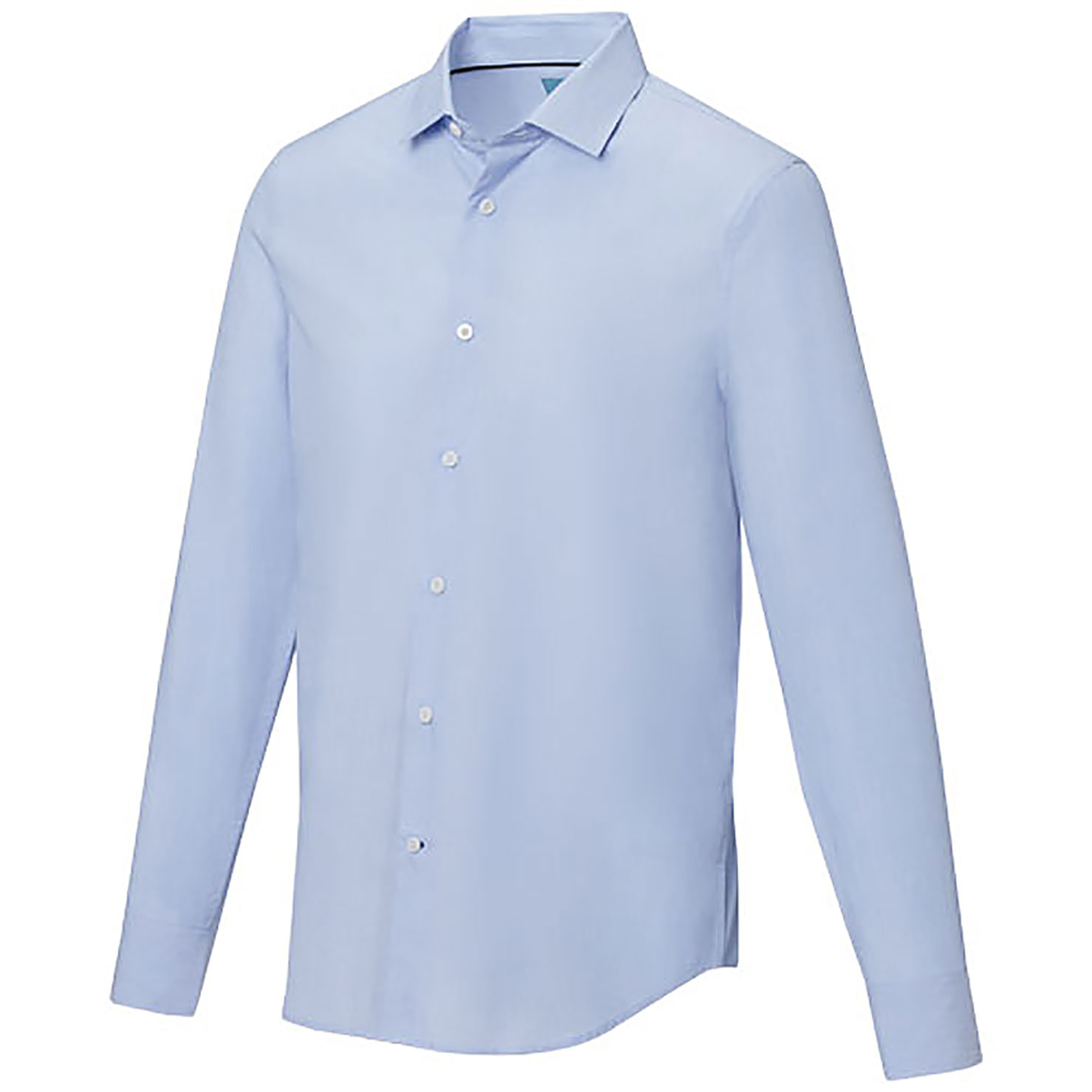
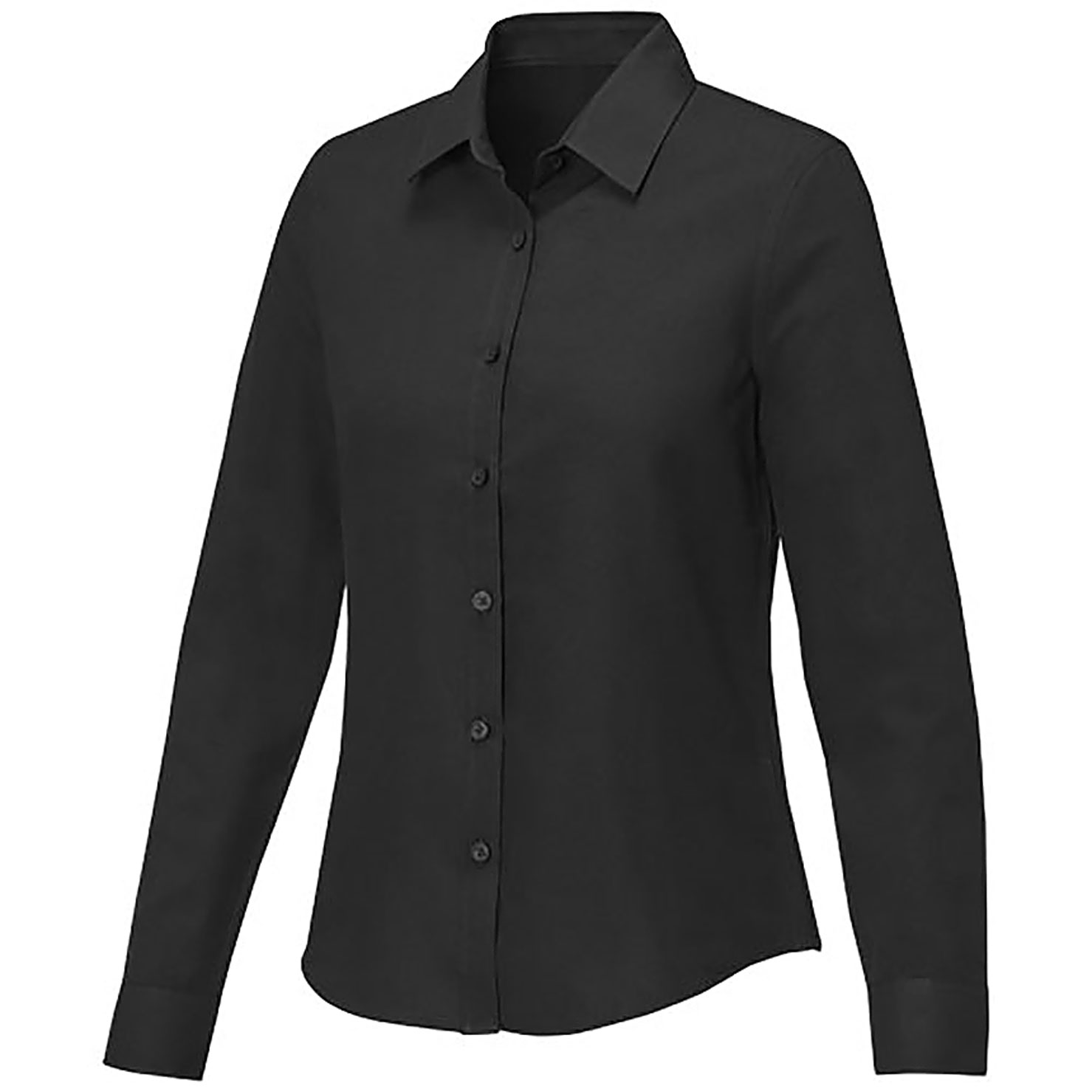
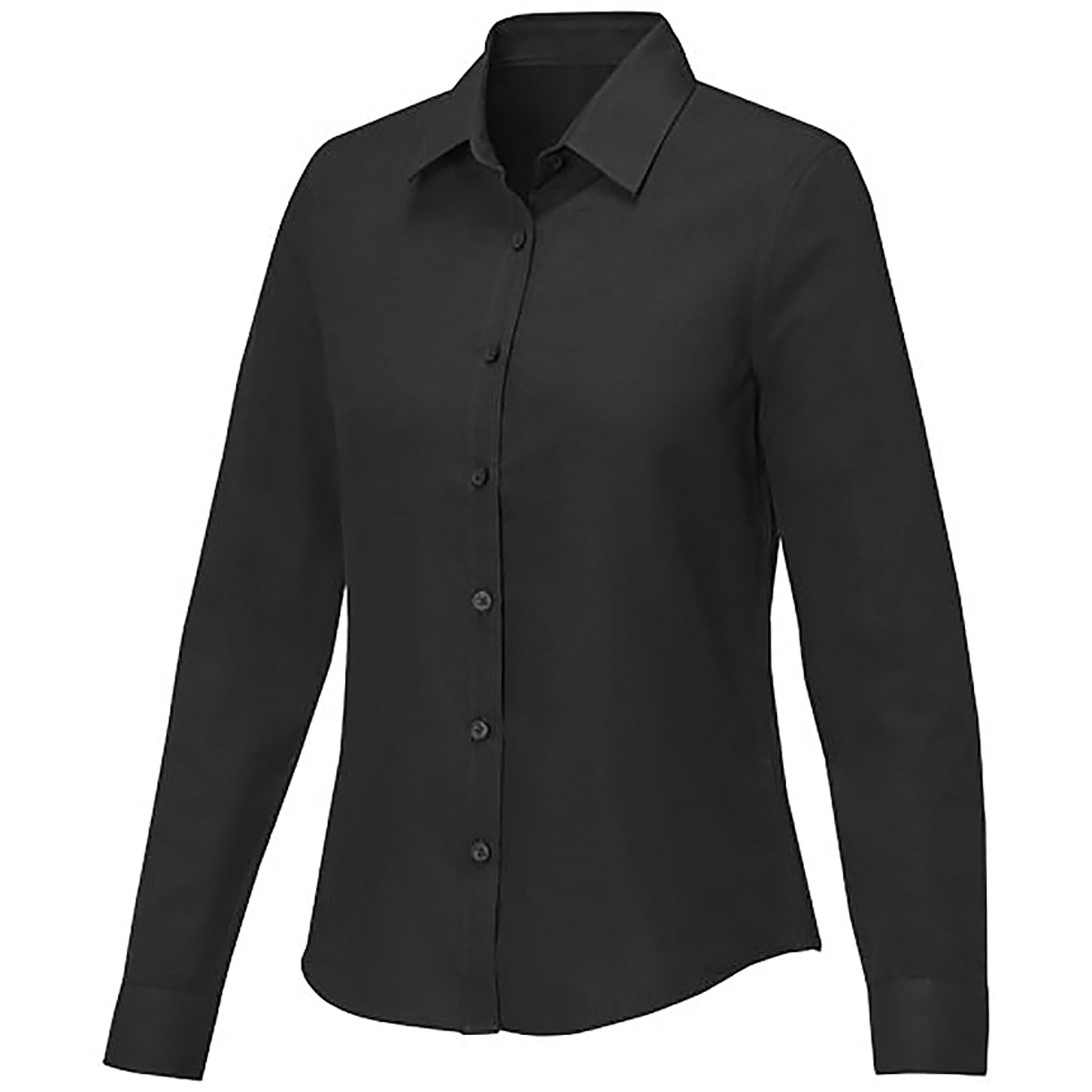
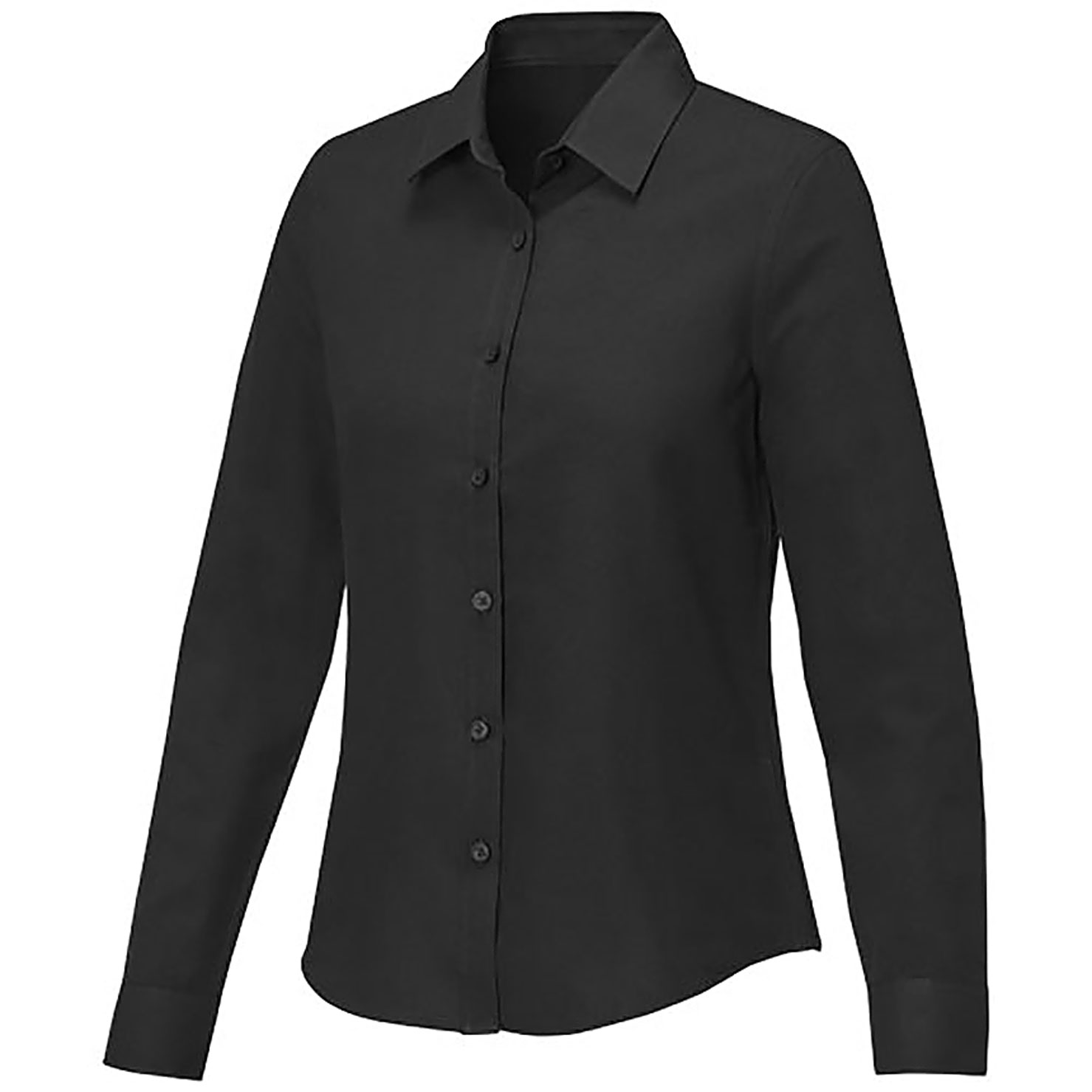
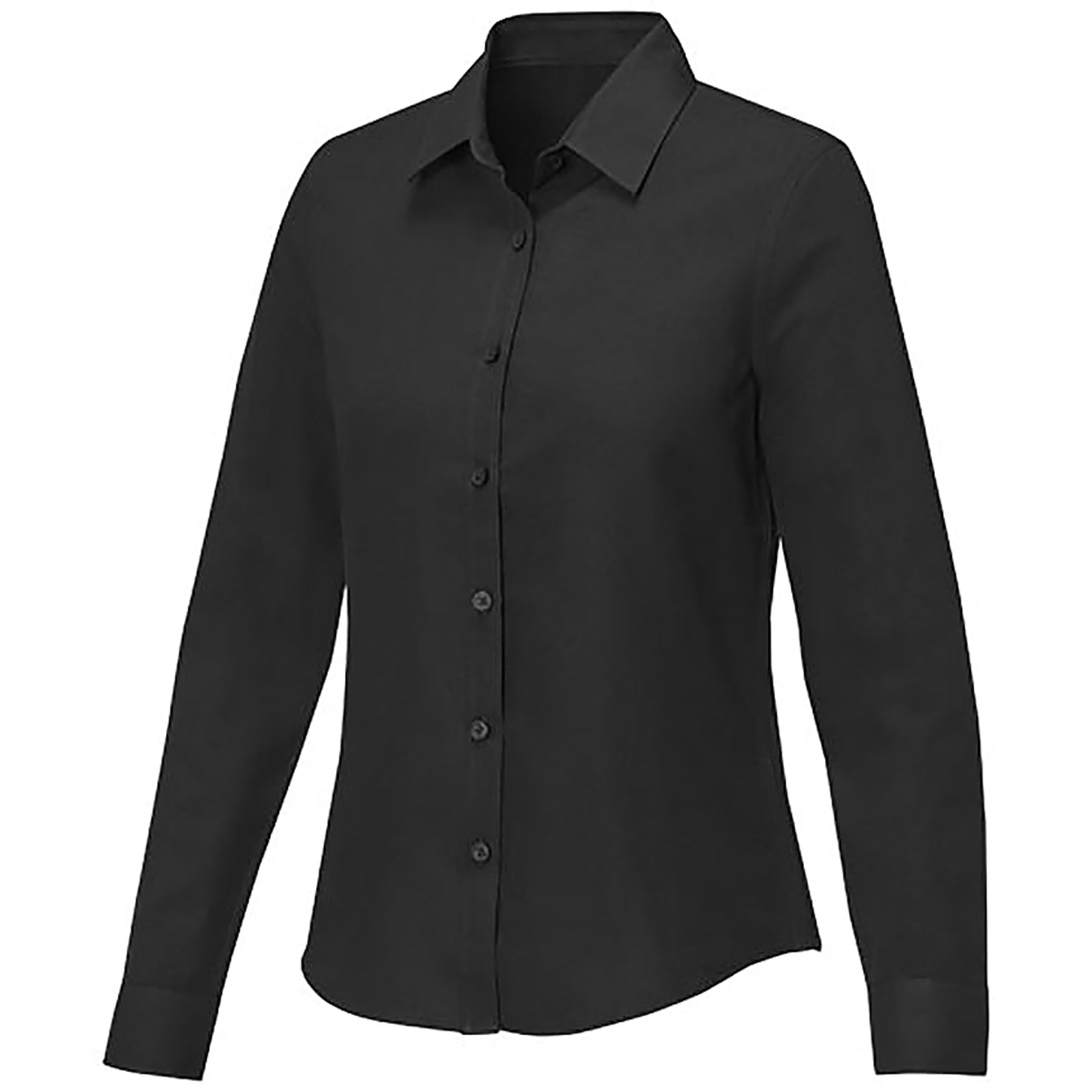
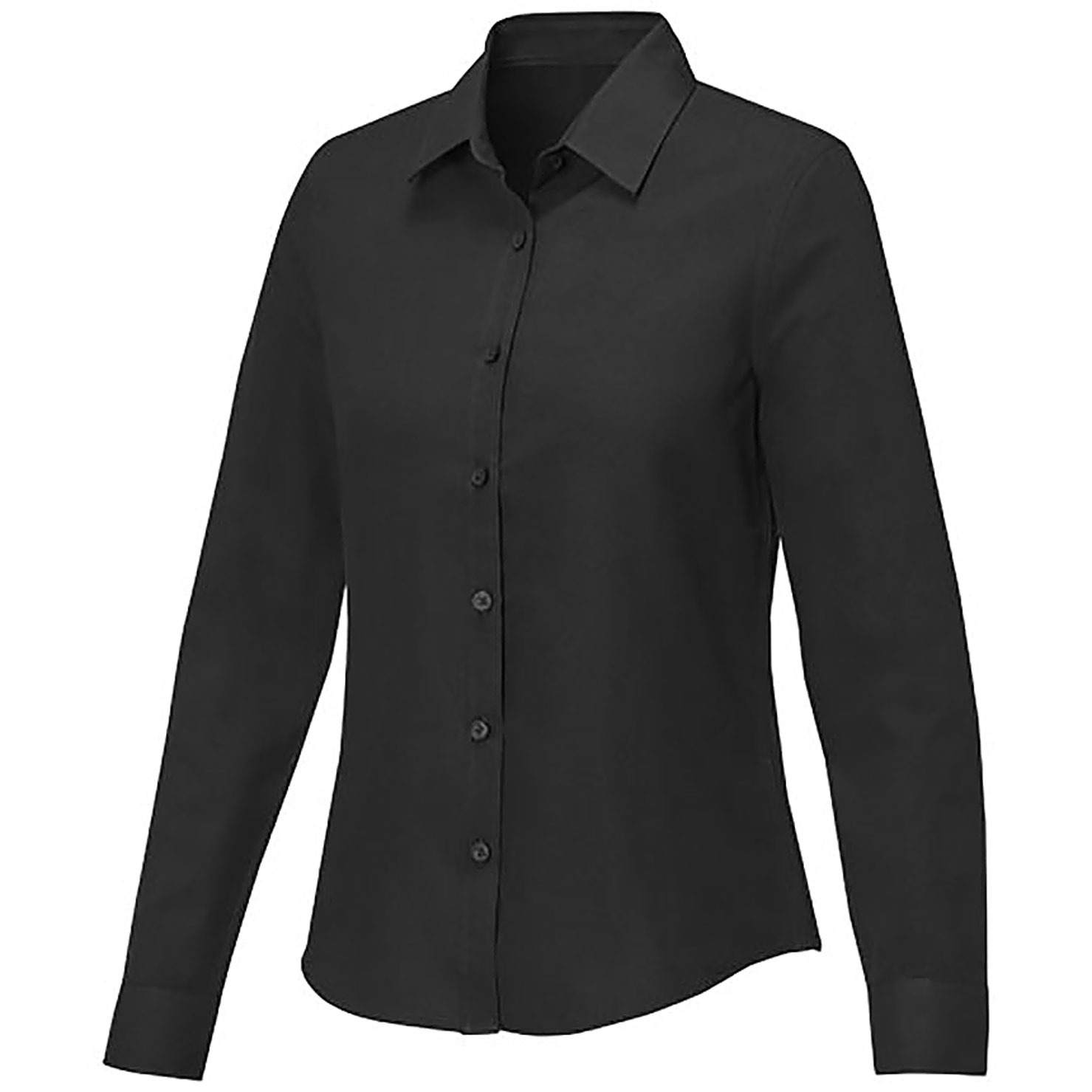
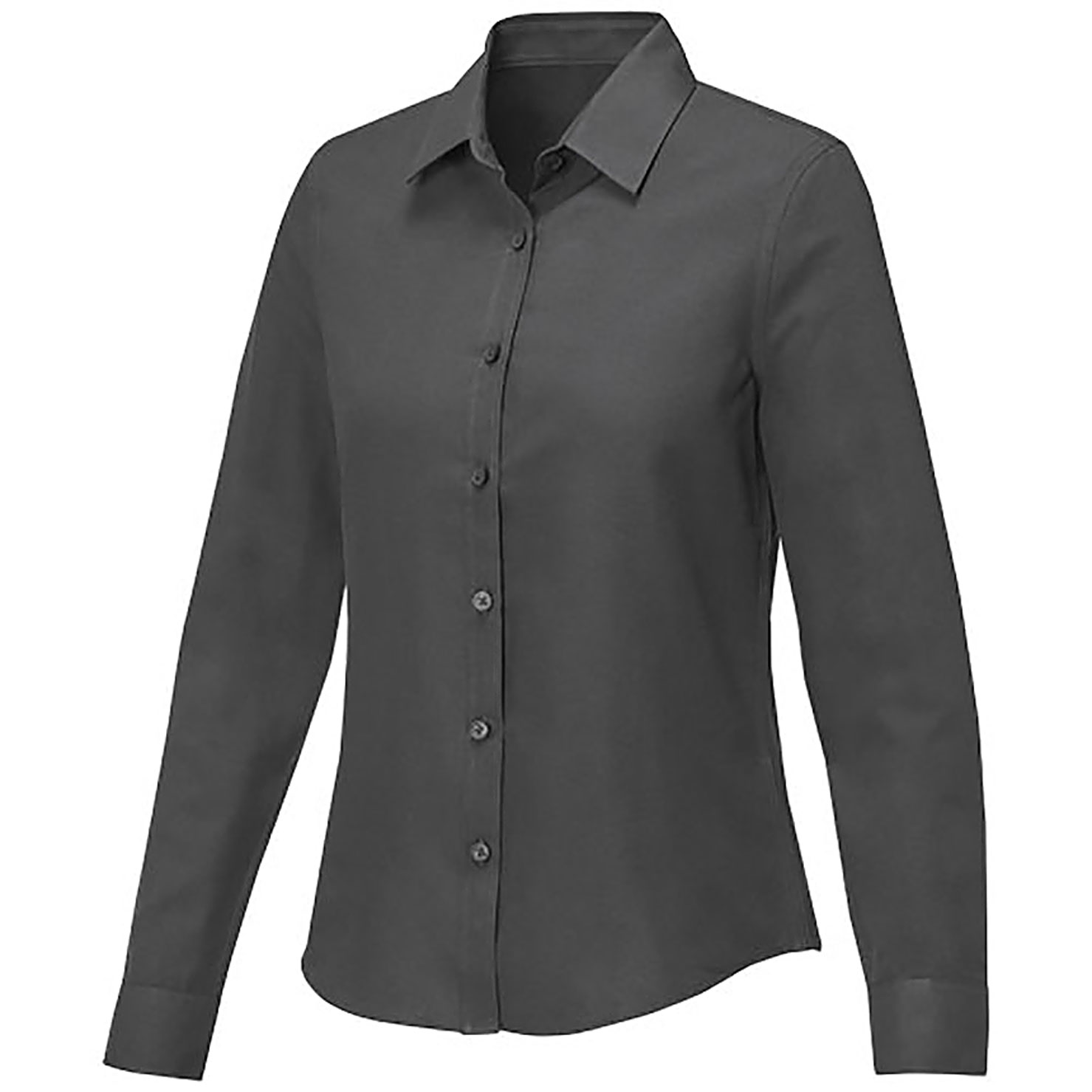
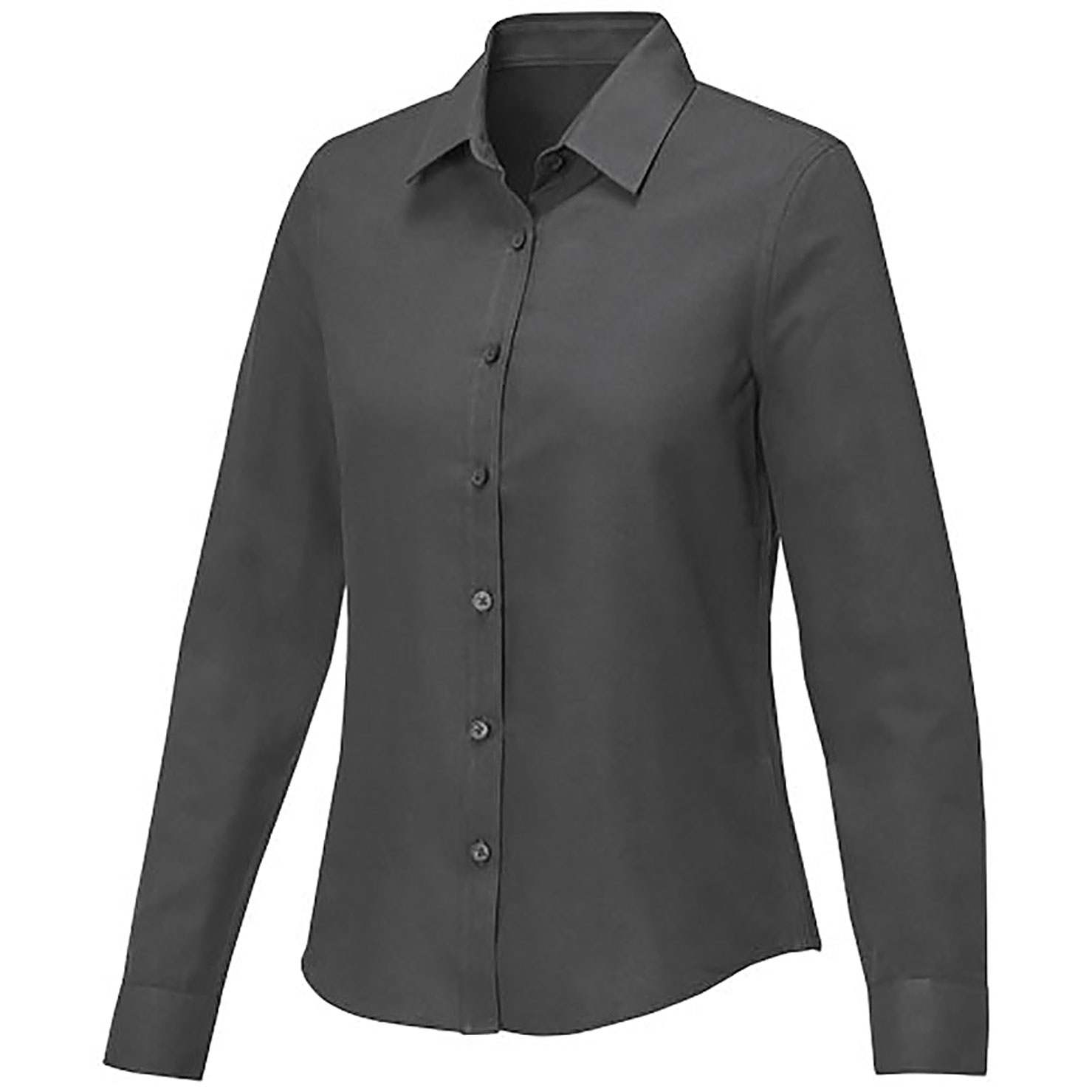
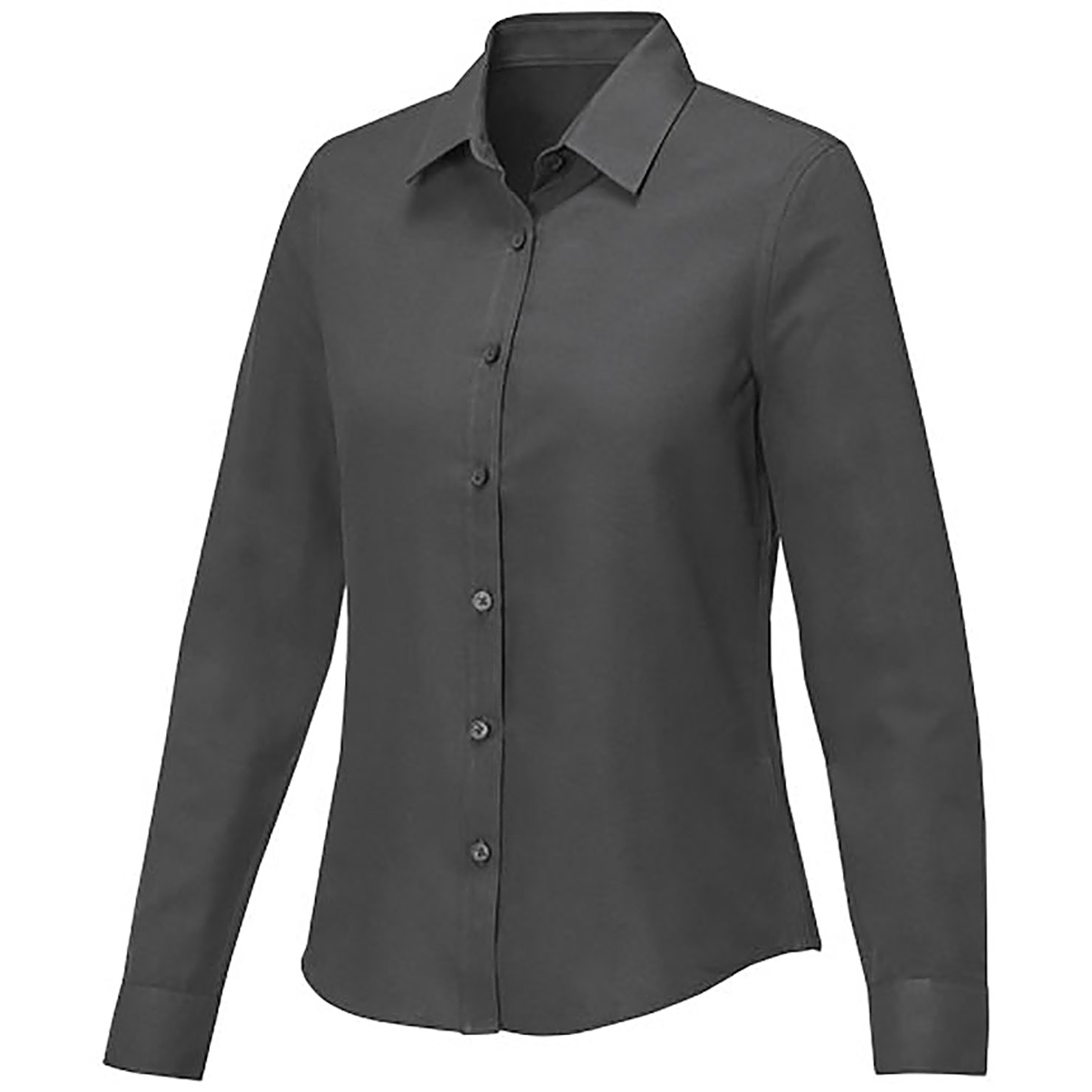
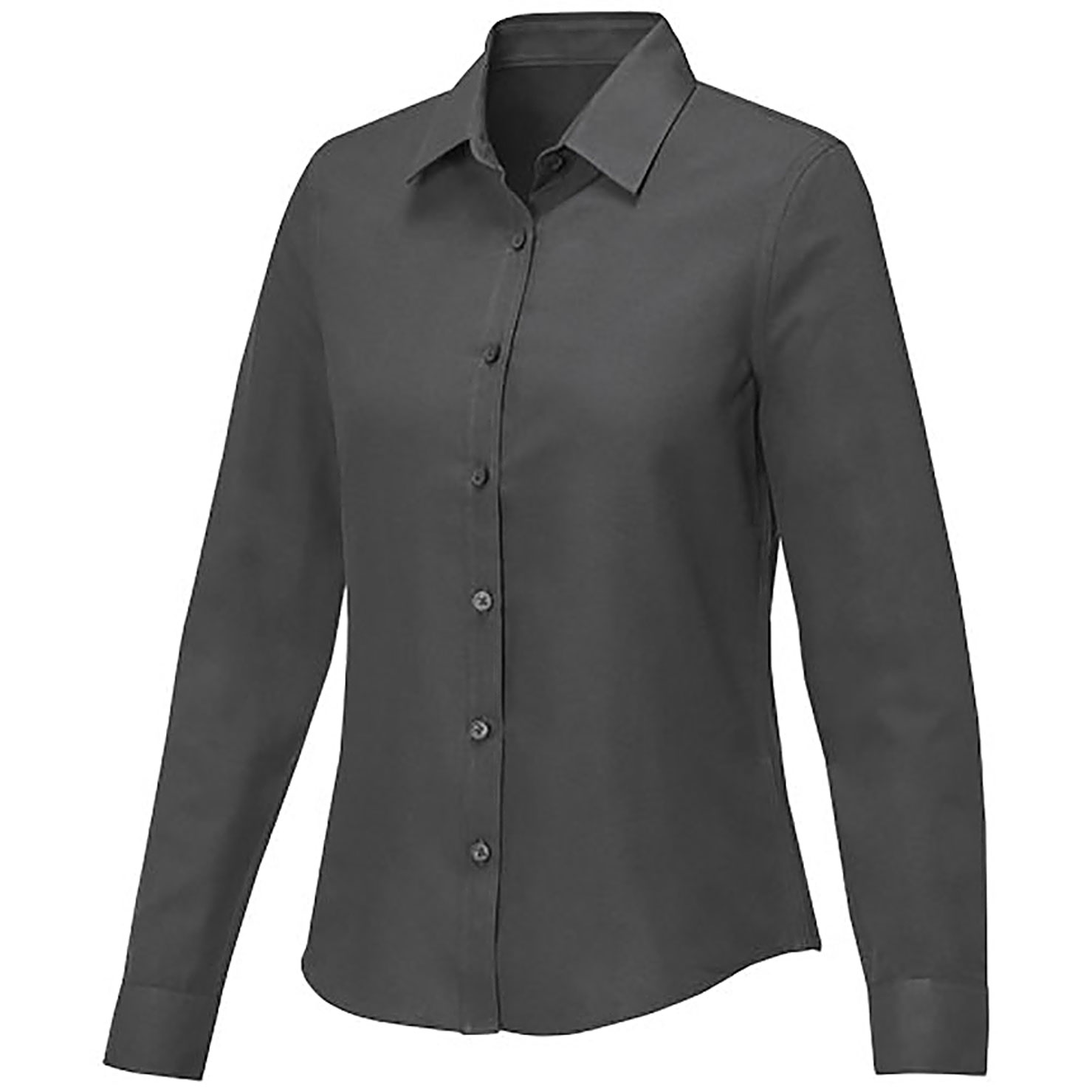
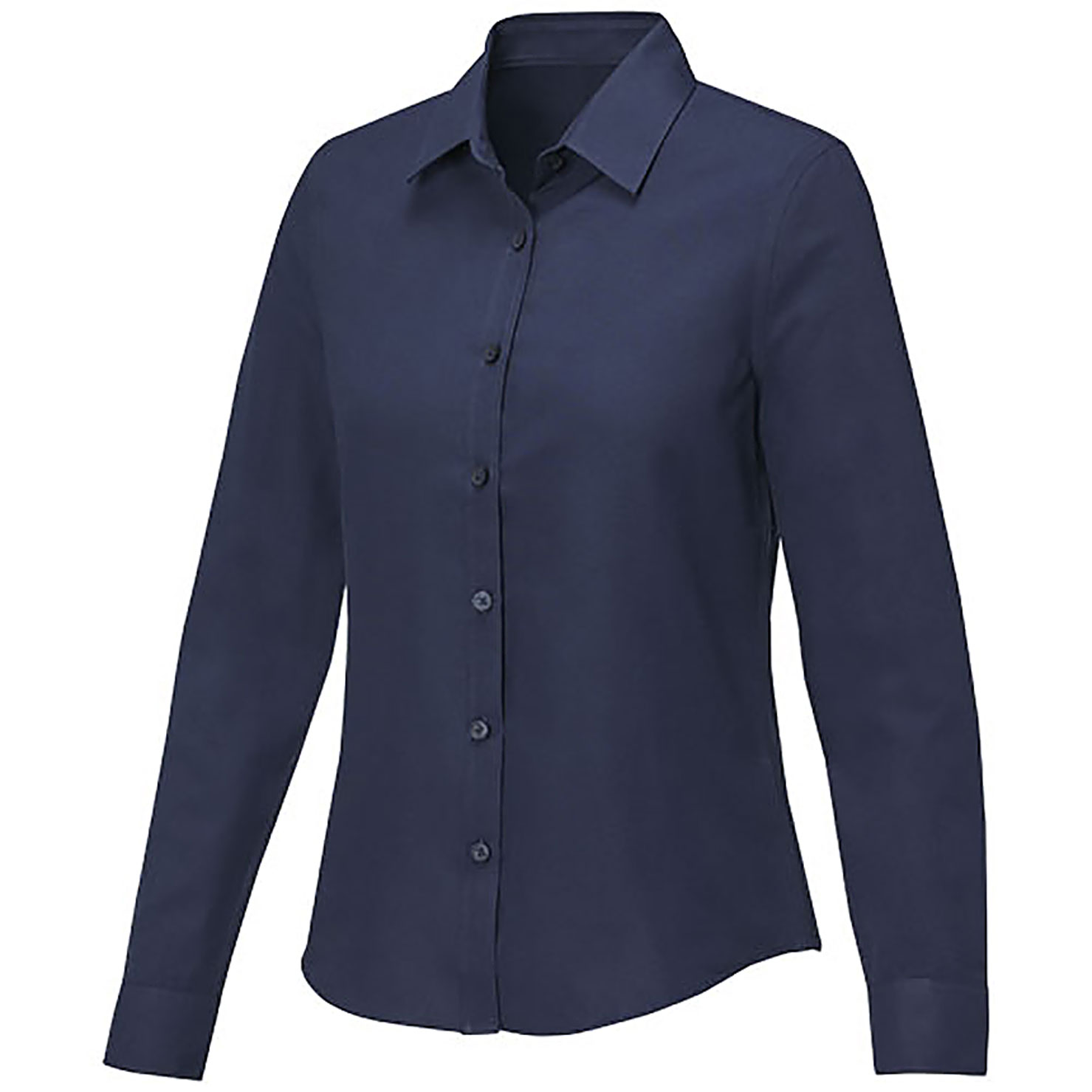
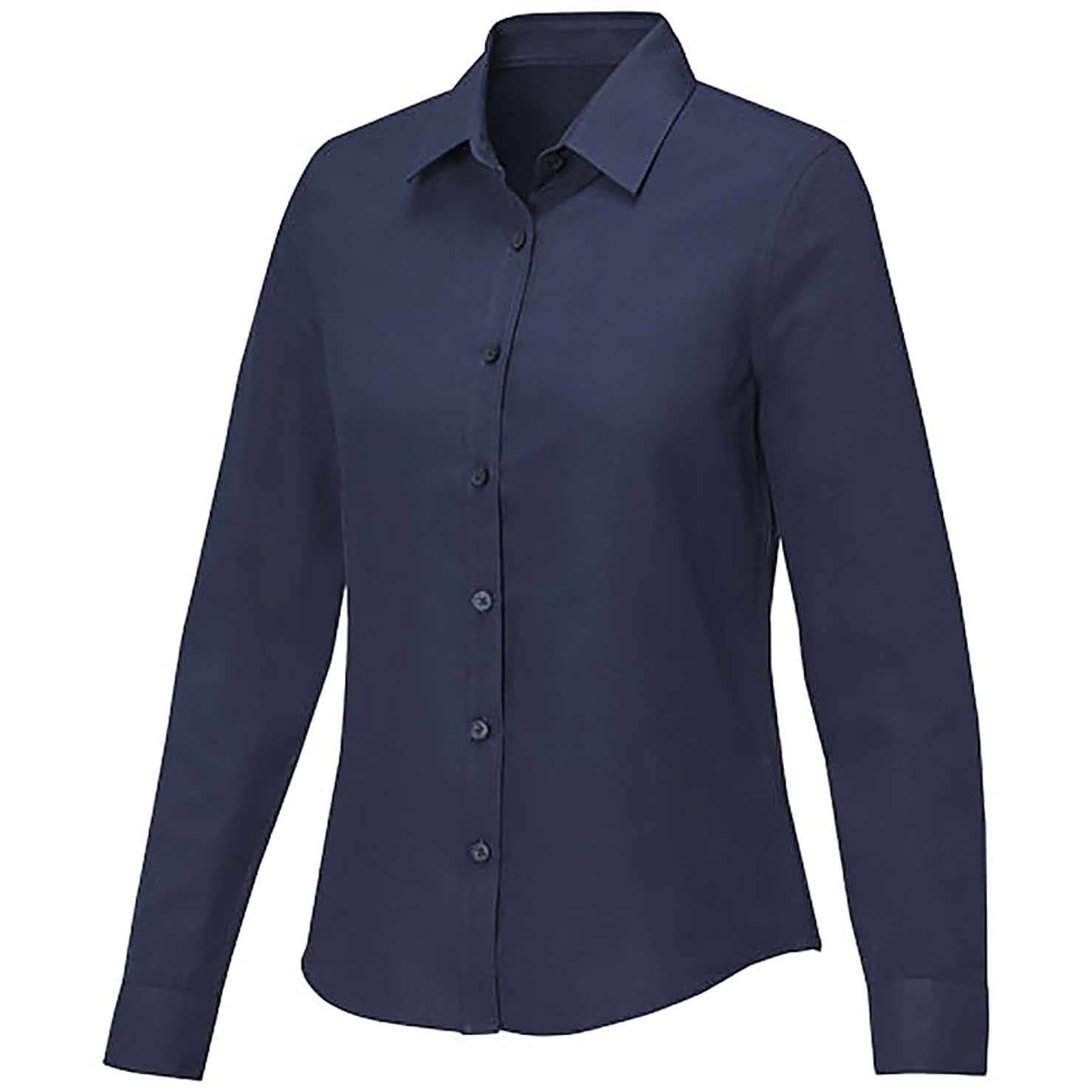
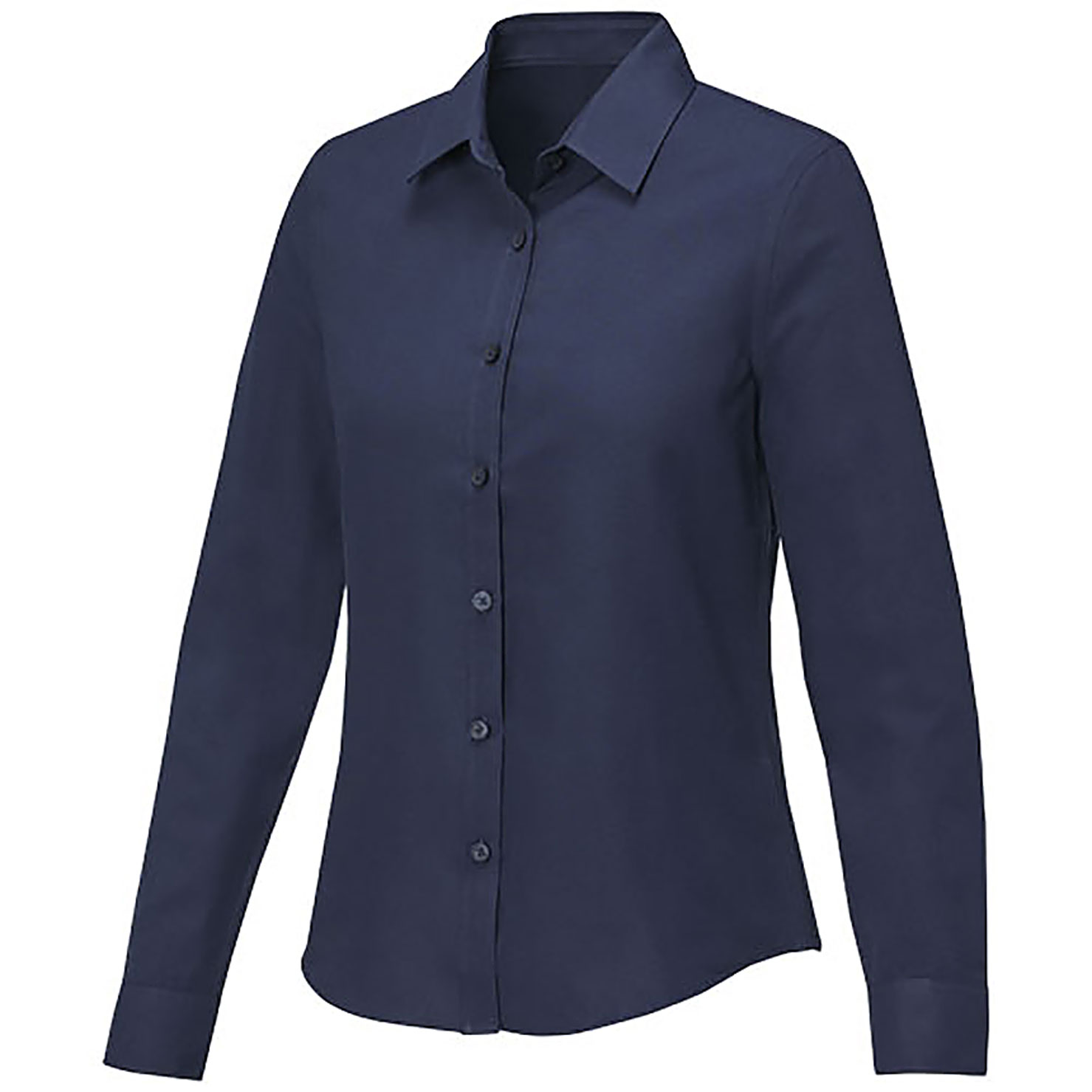
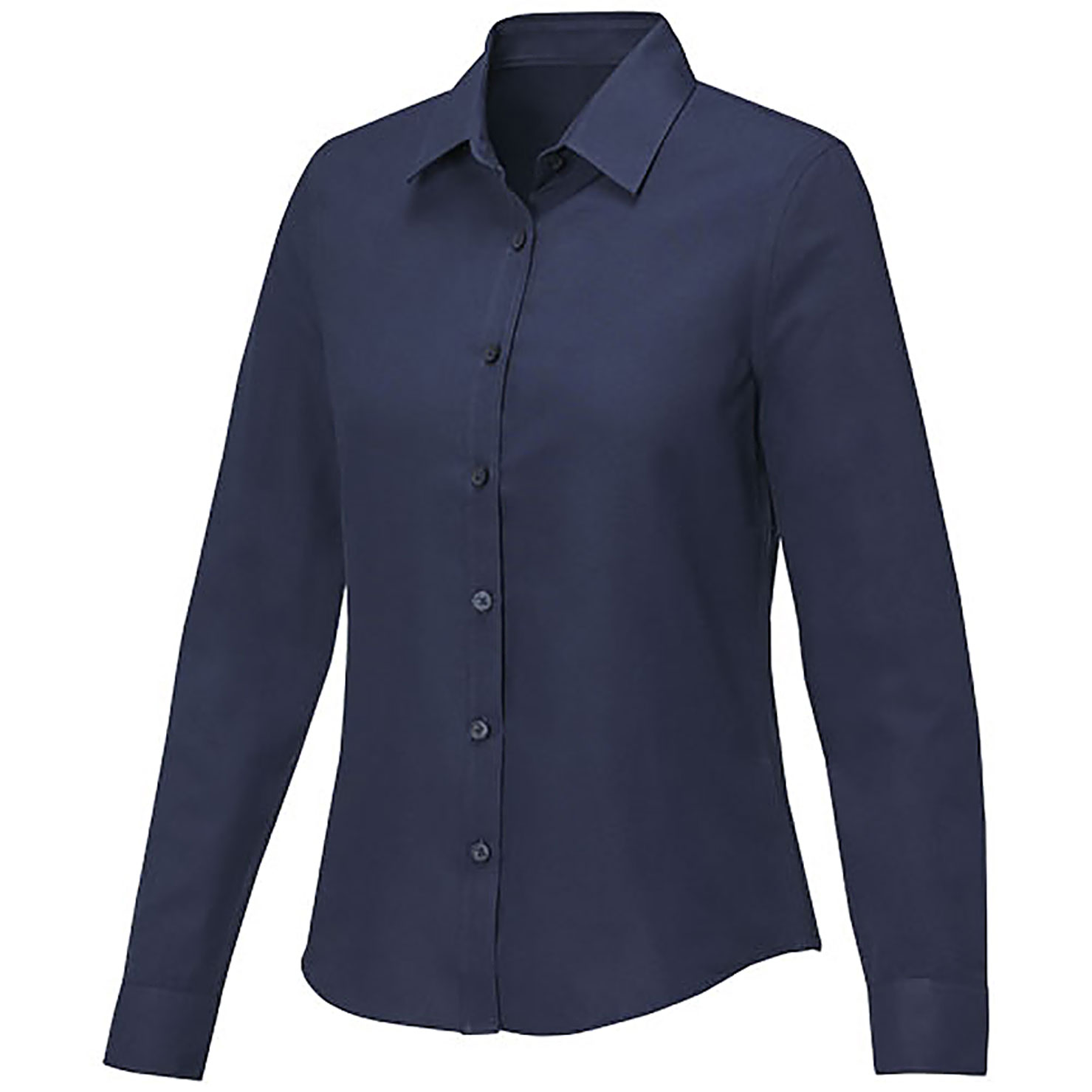
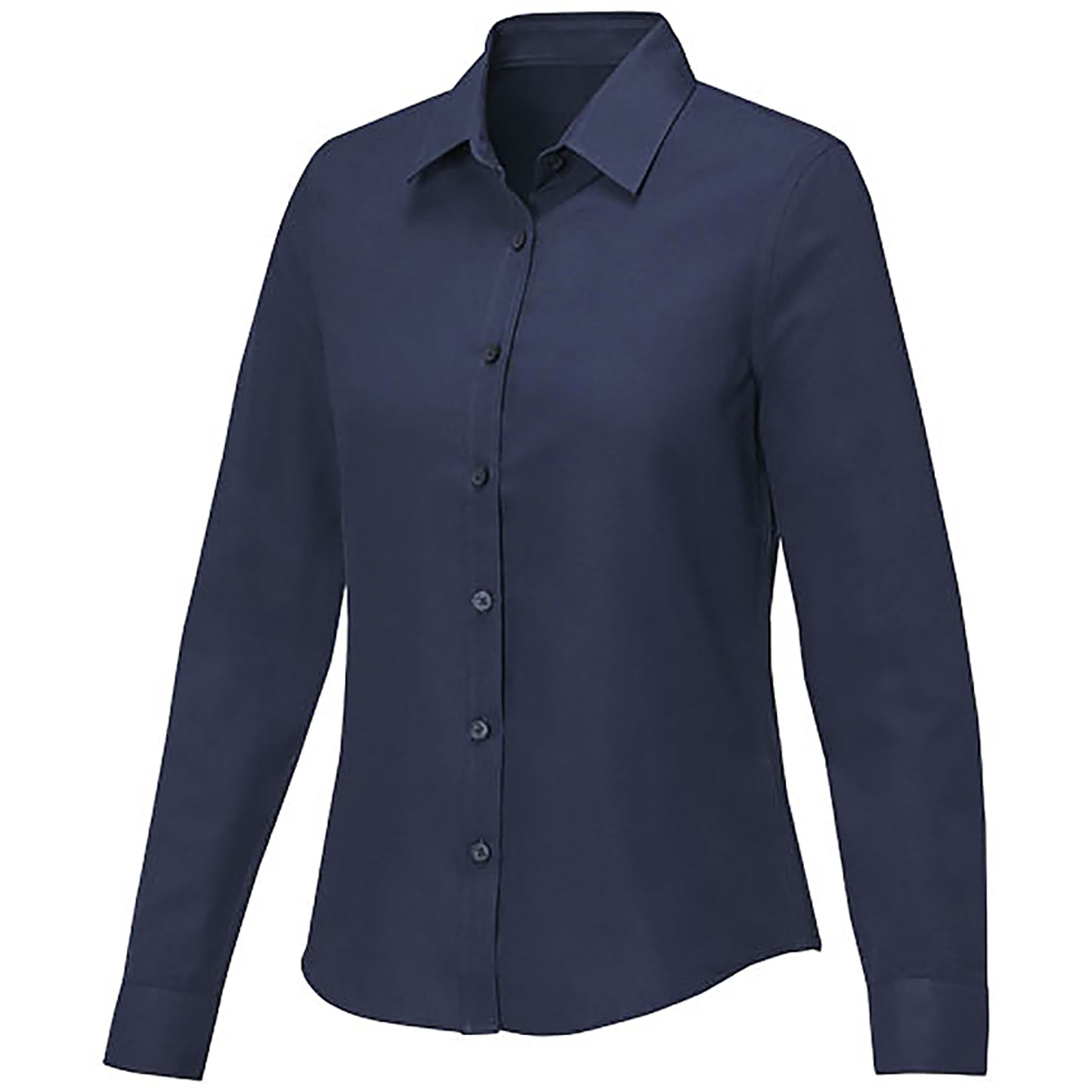
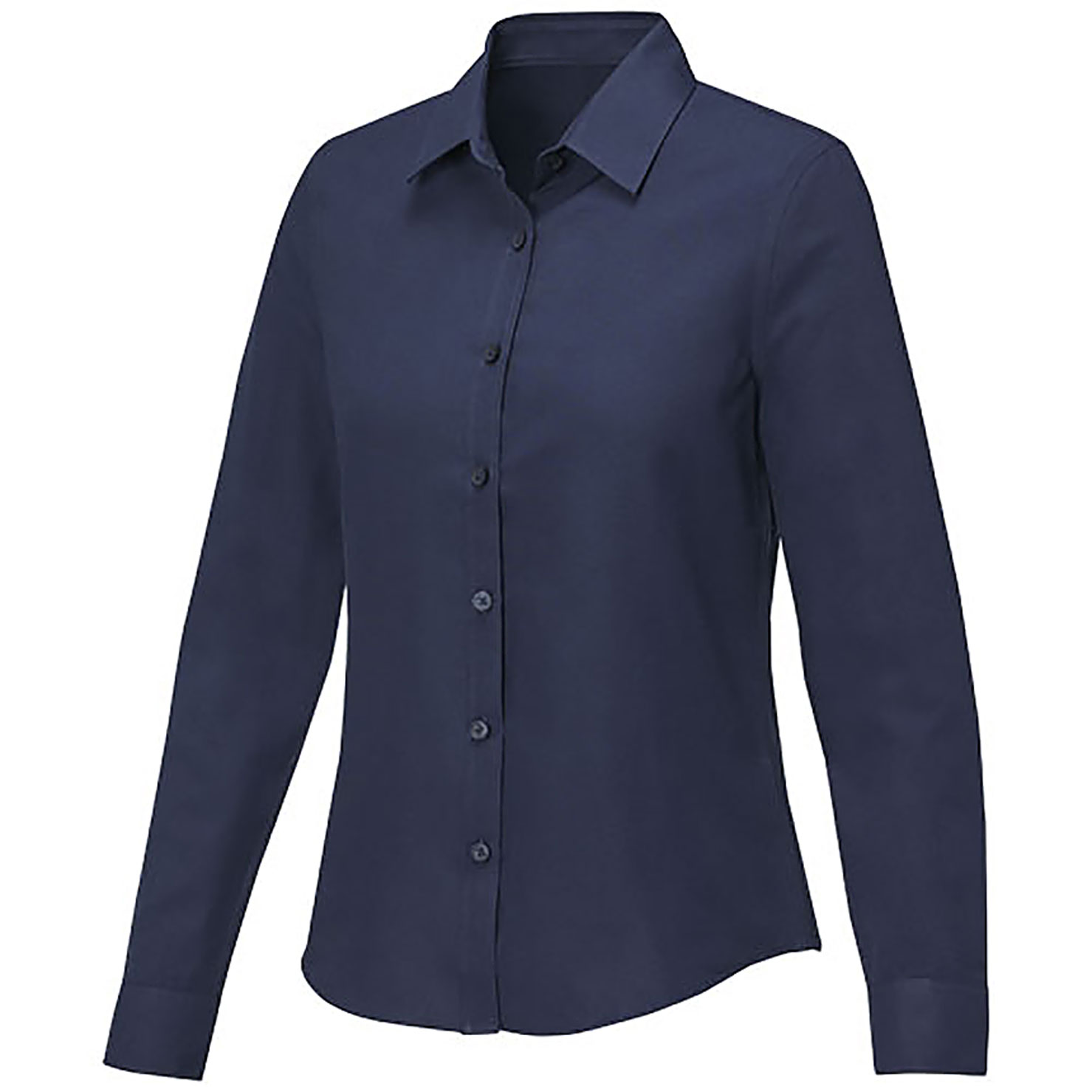
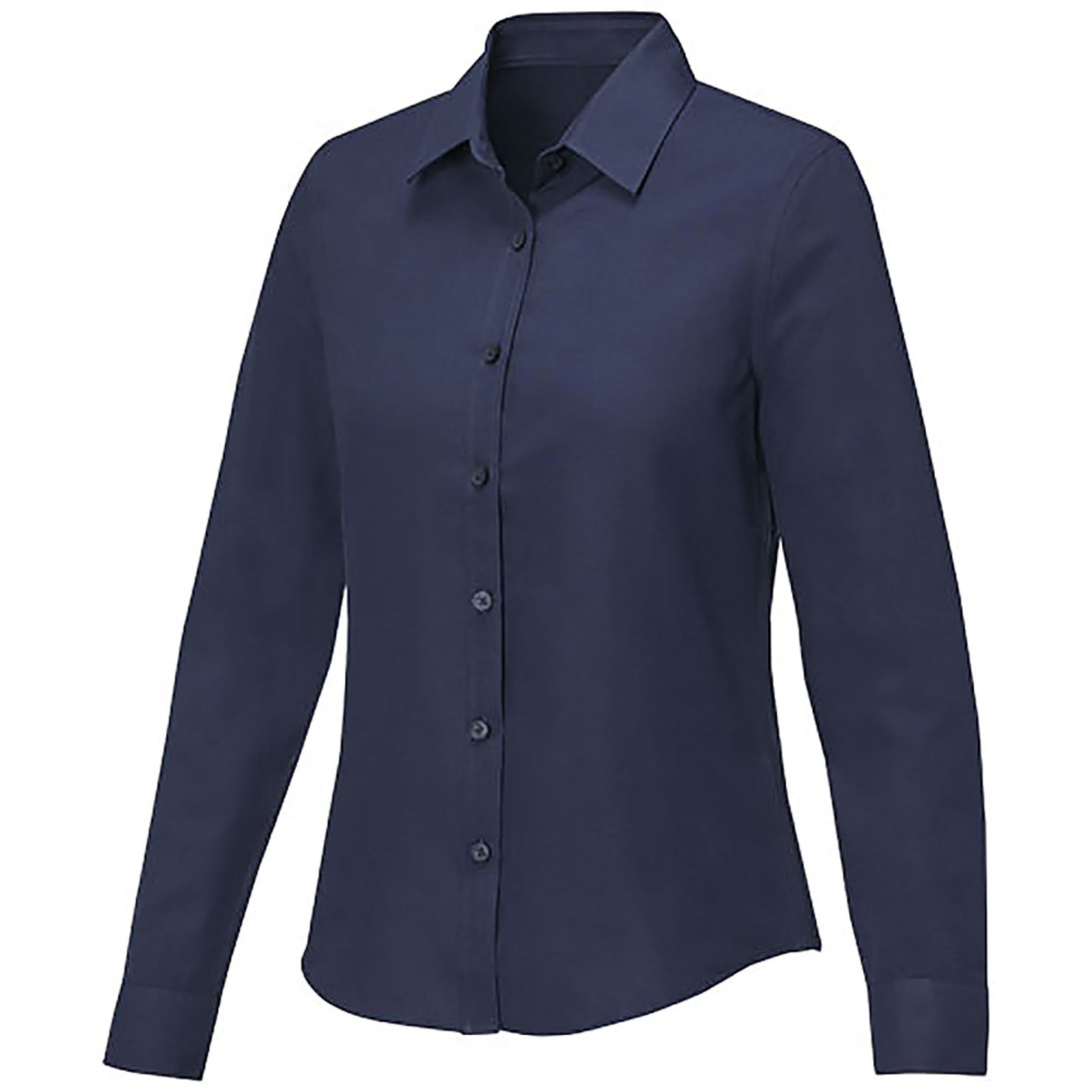
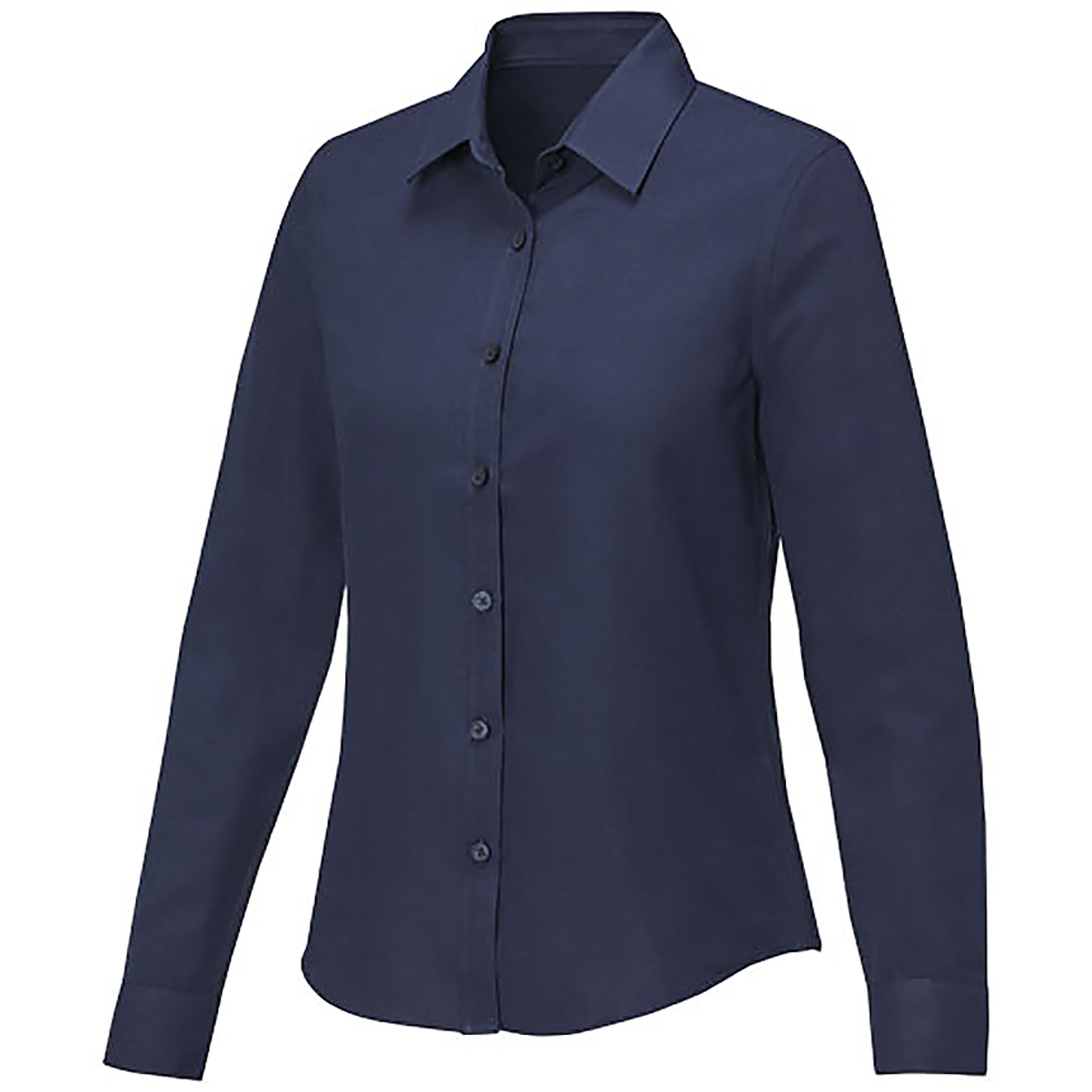
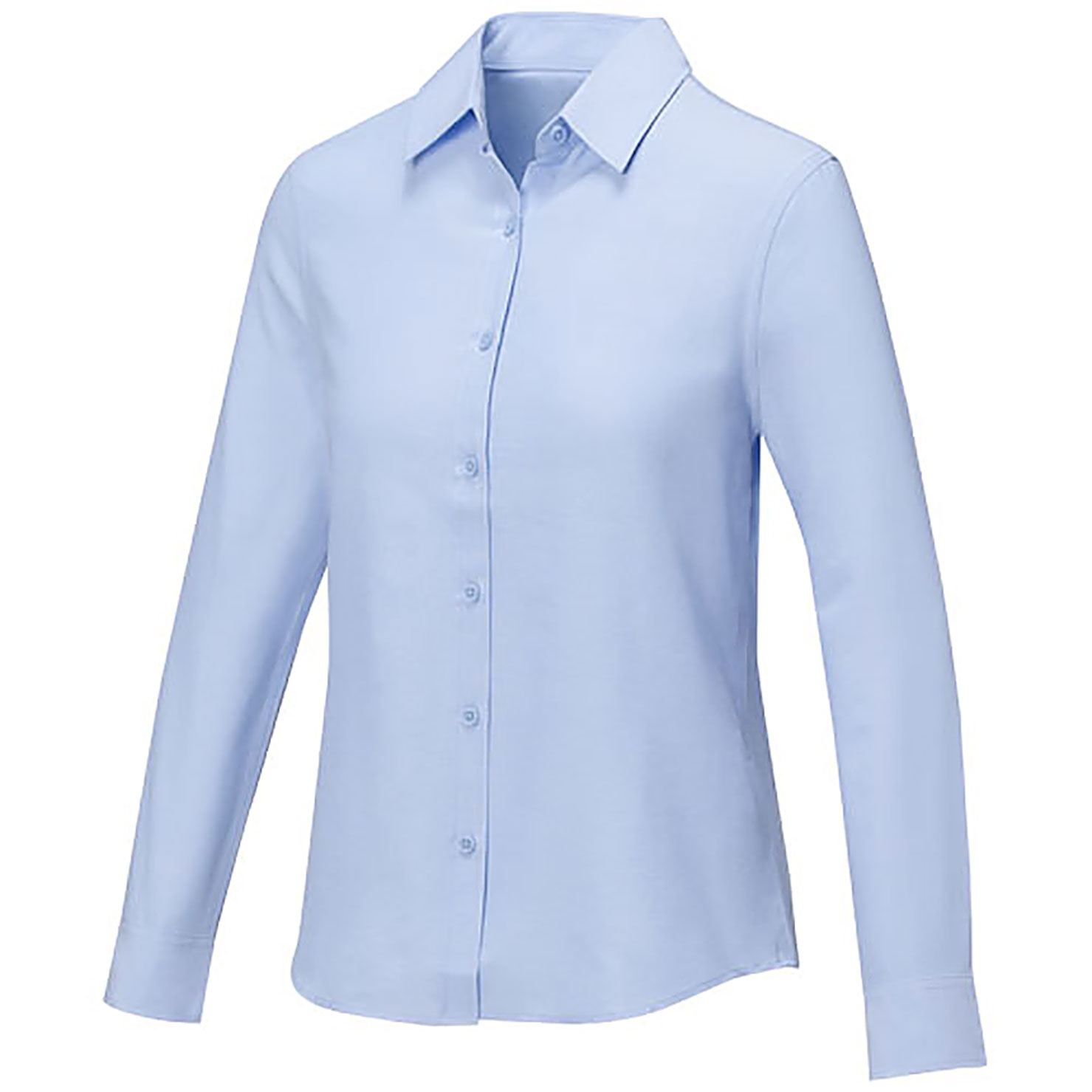
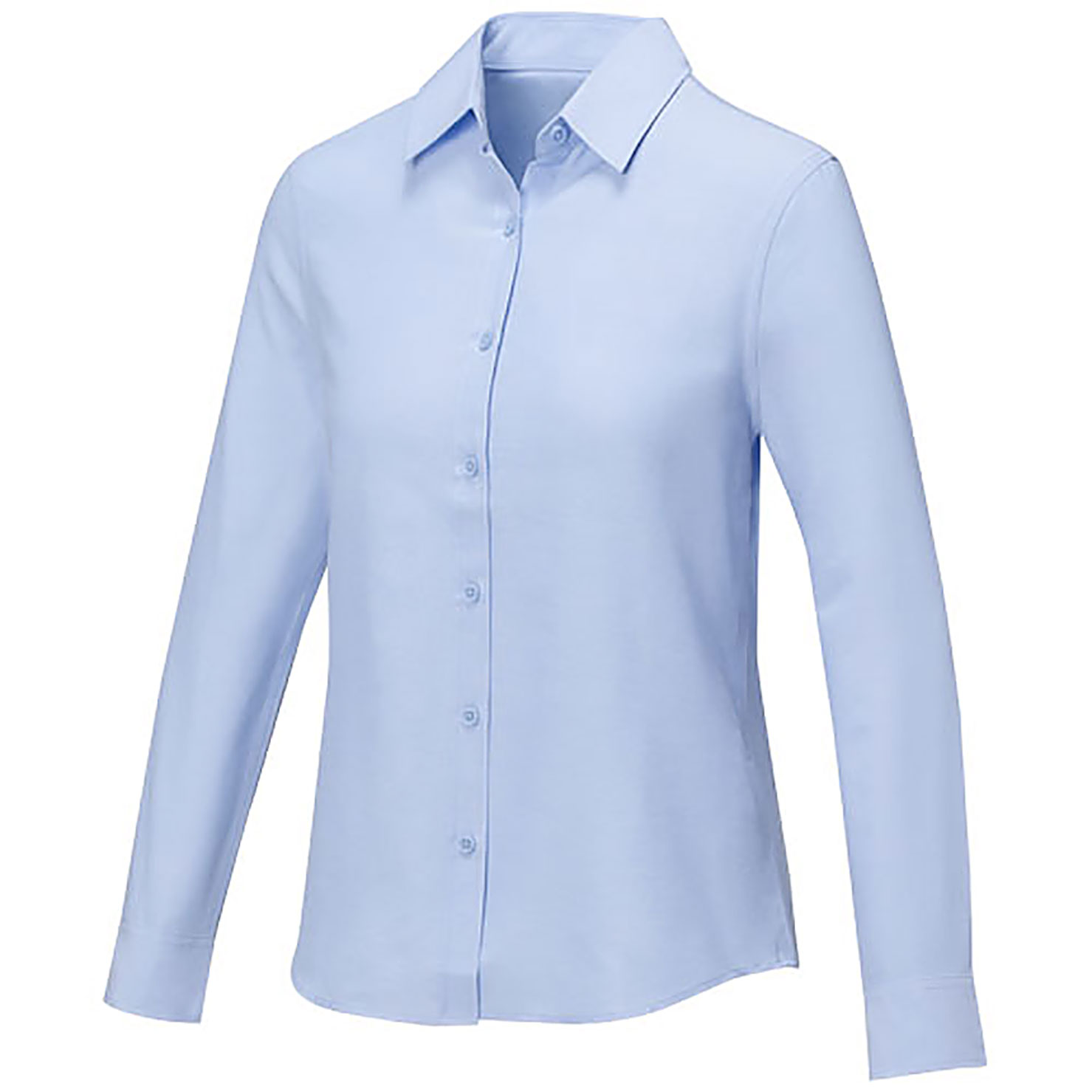
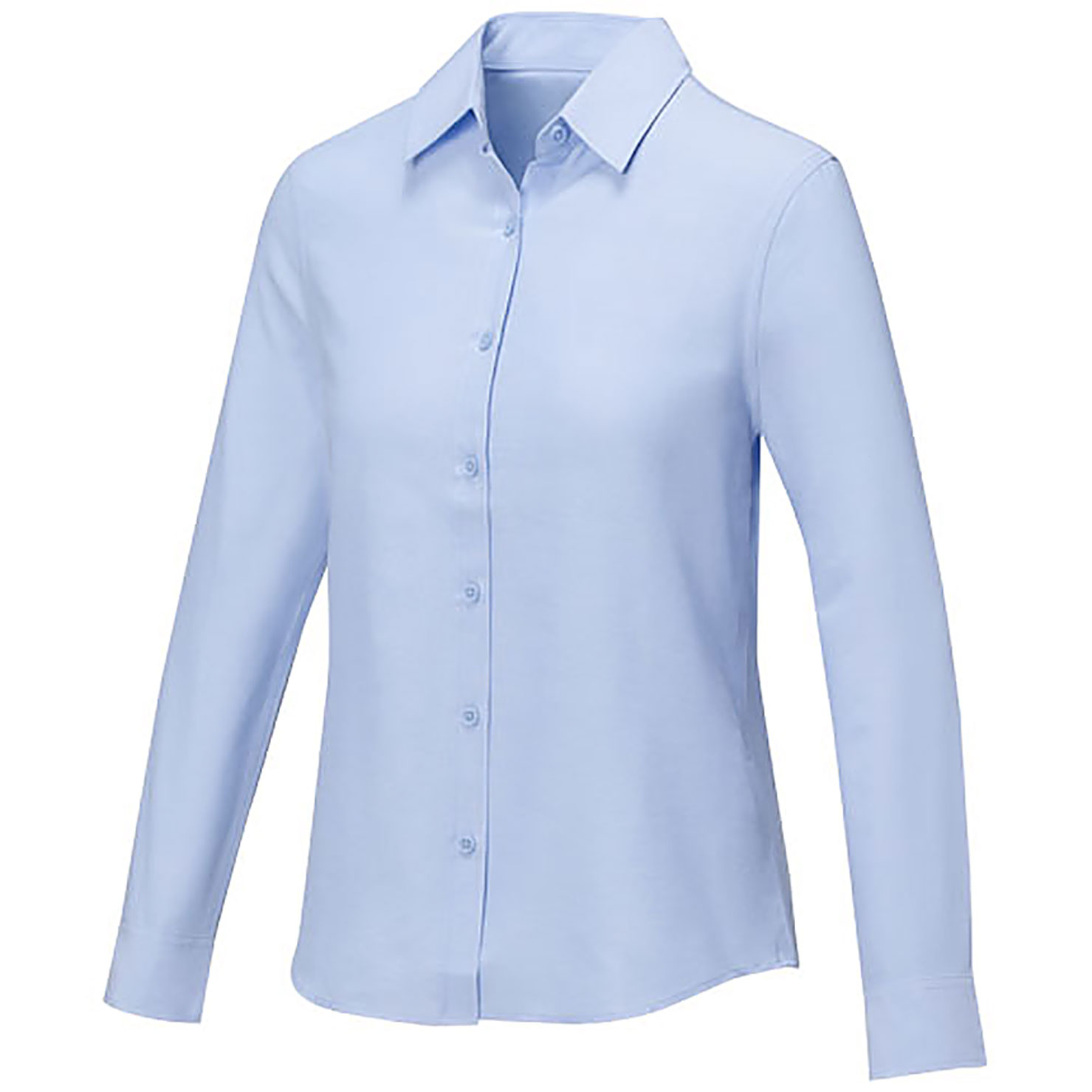
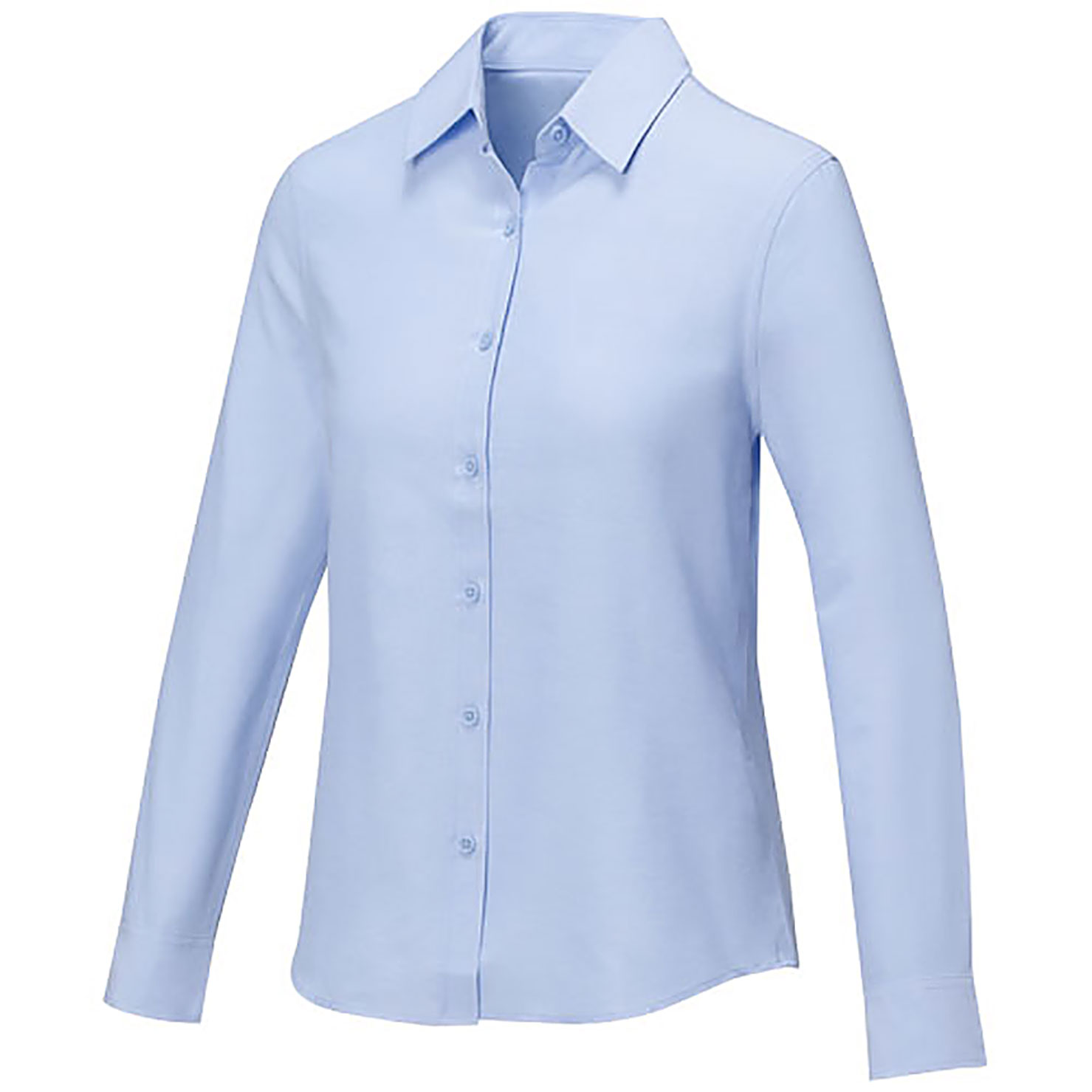
For which industries are branded shirts with a logo a must-have, and which branding technology should you choose?
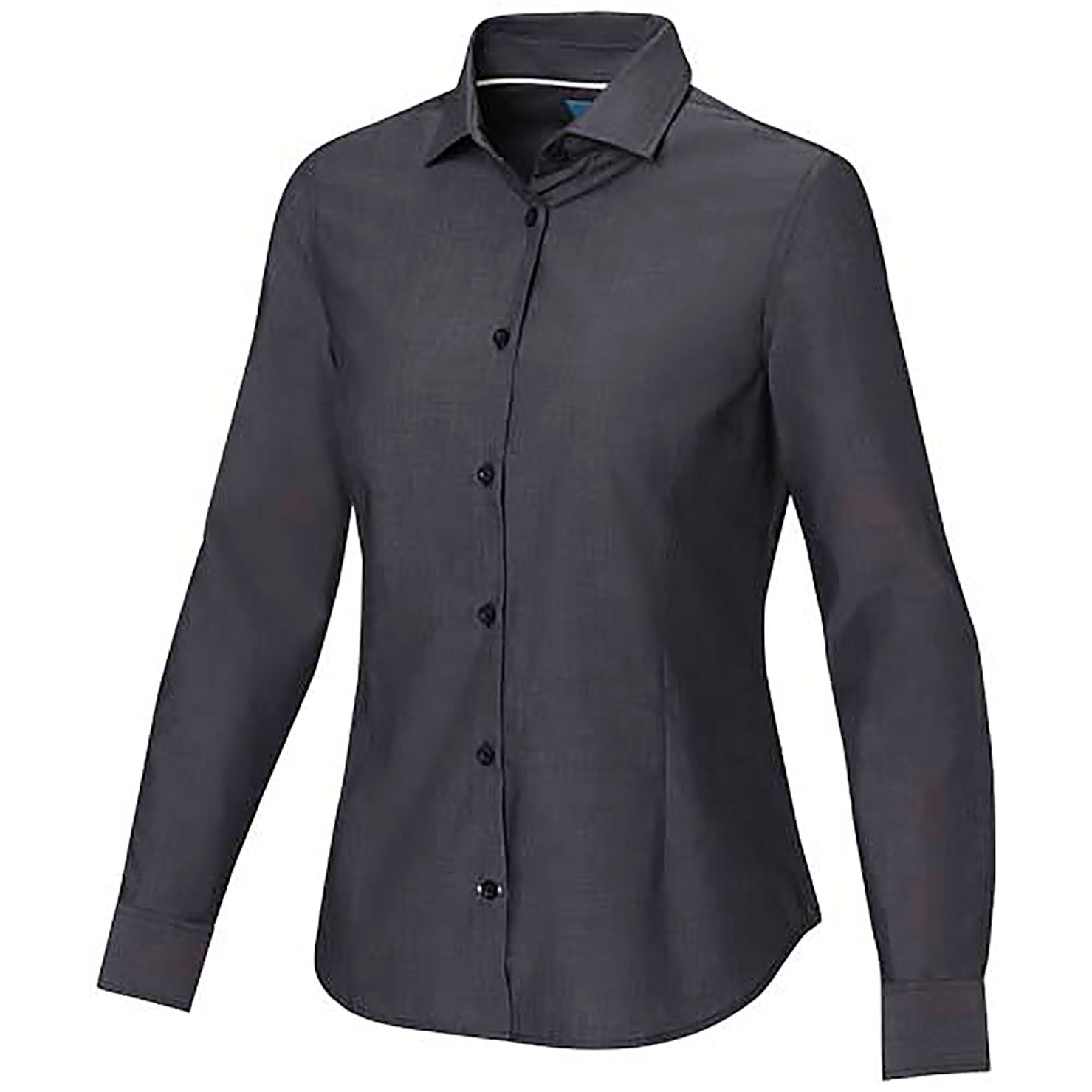
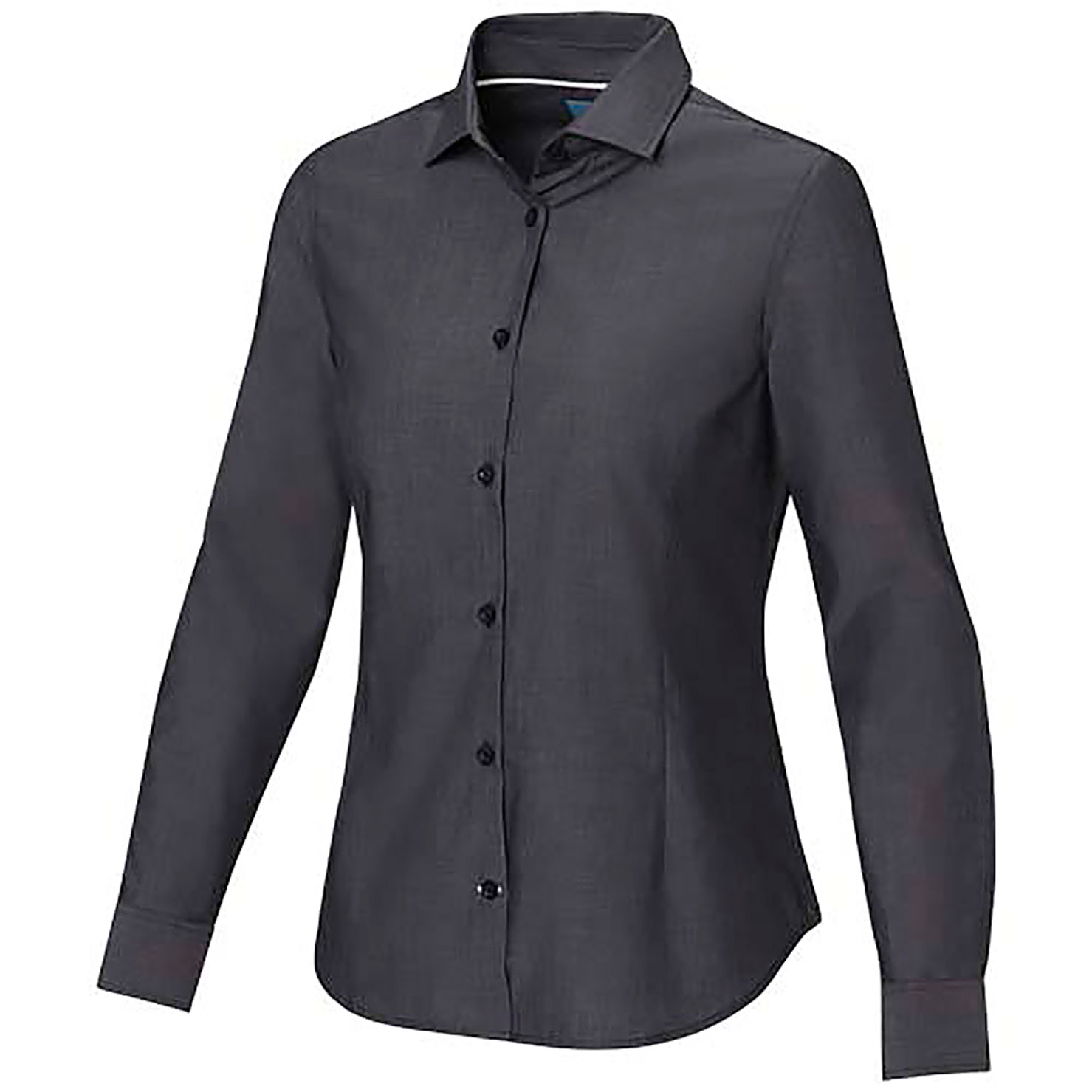
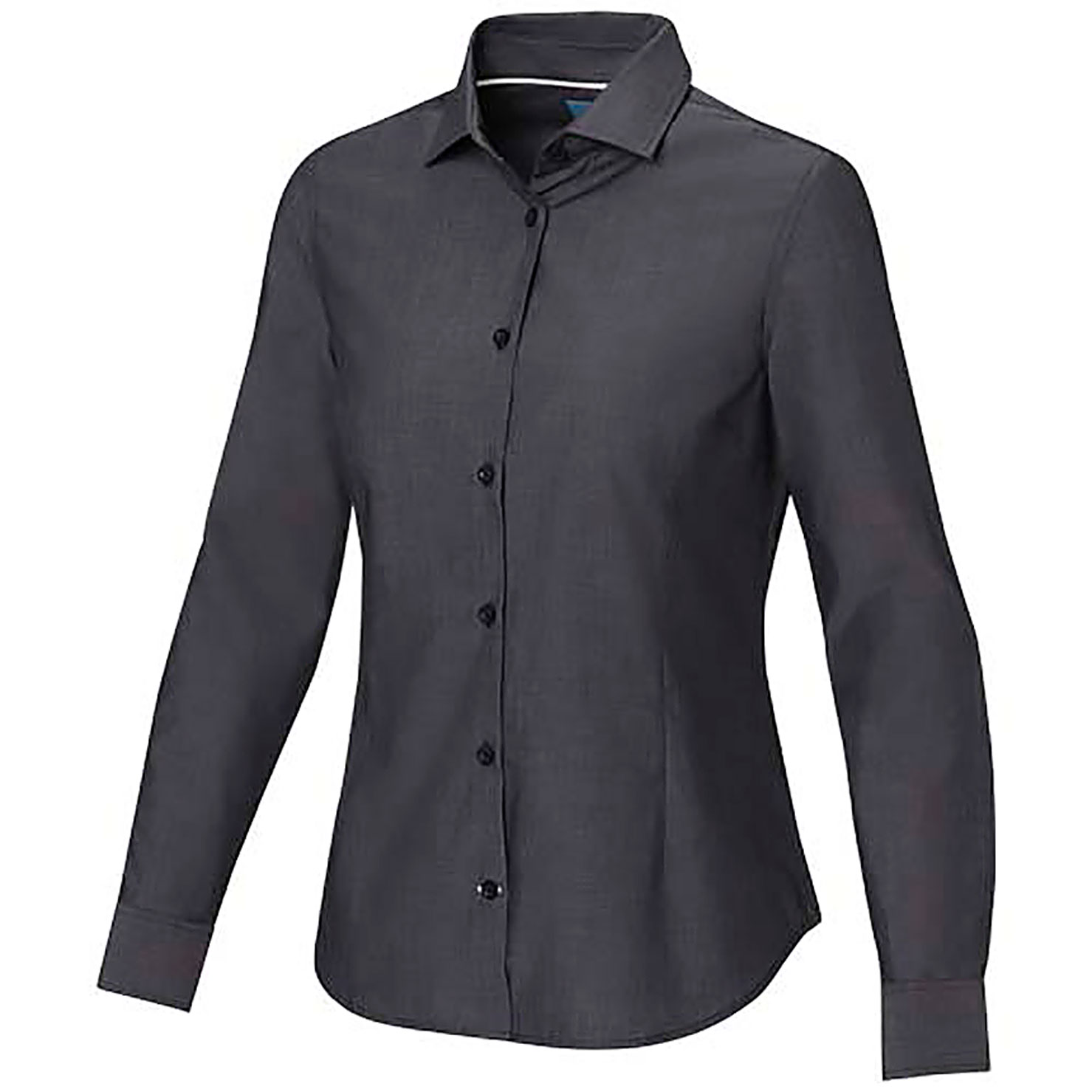
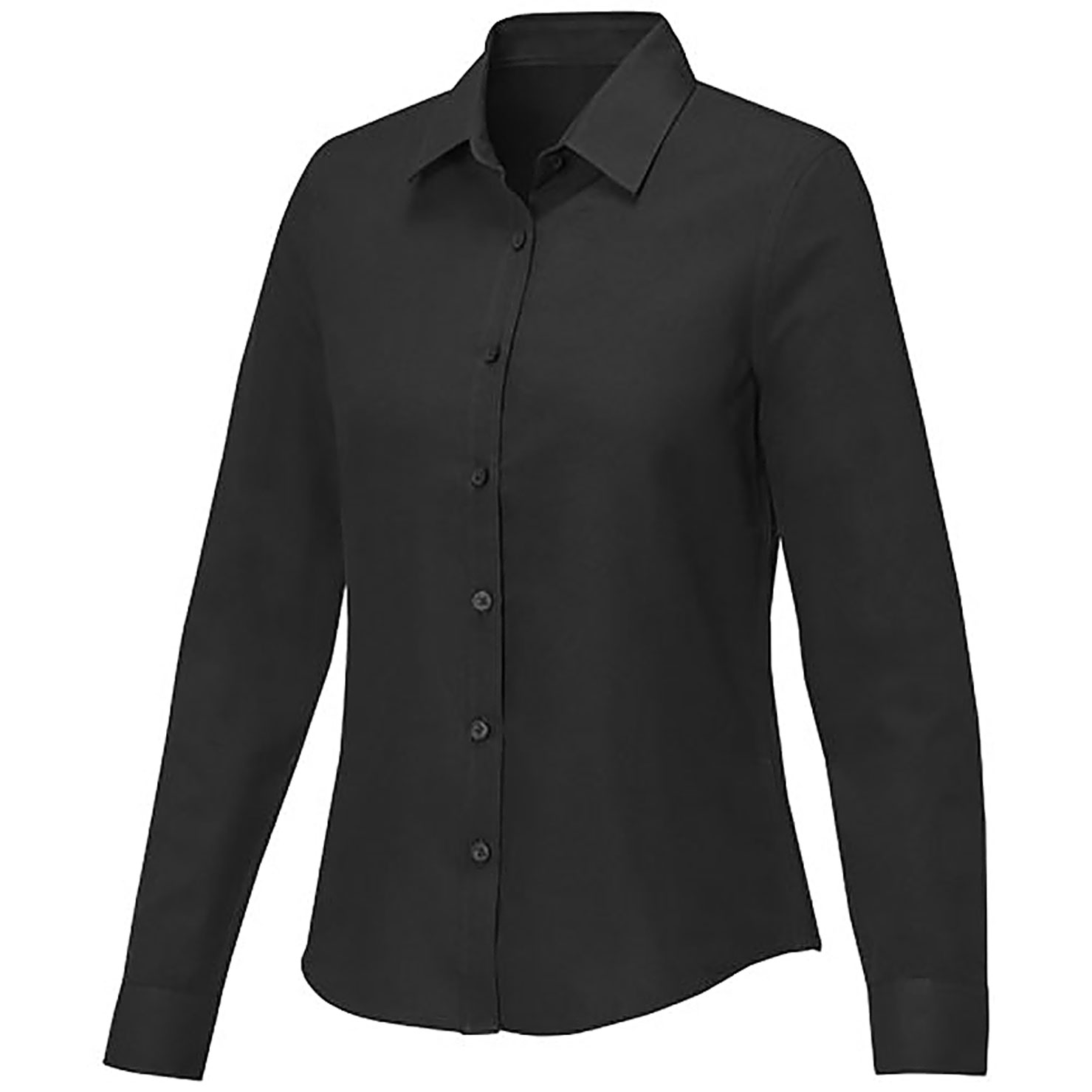
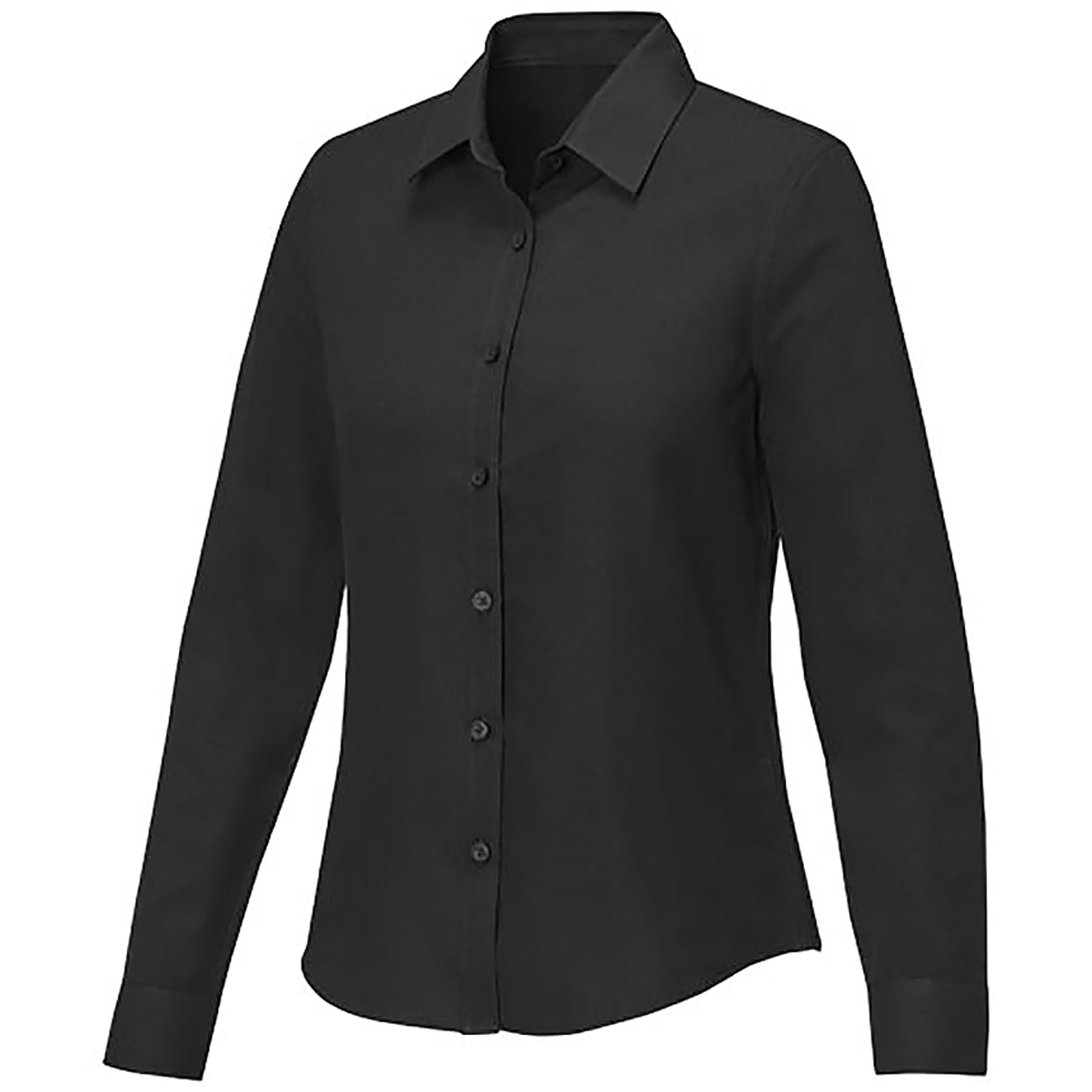
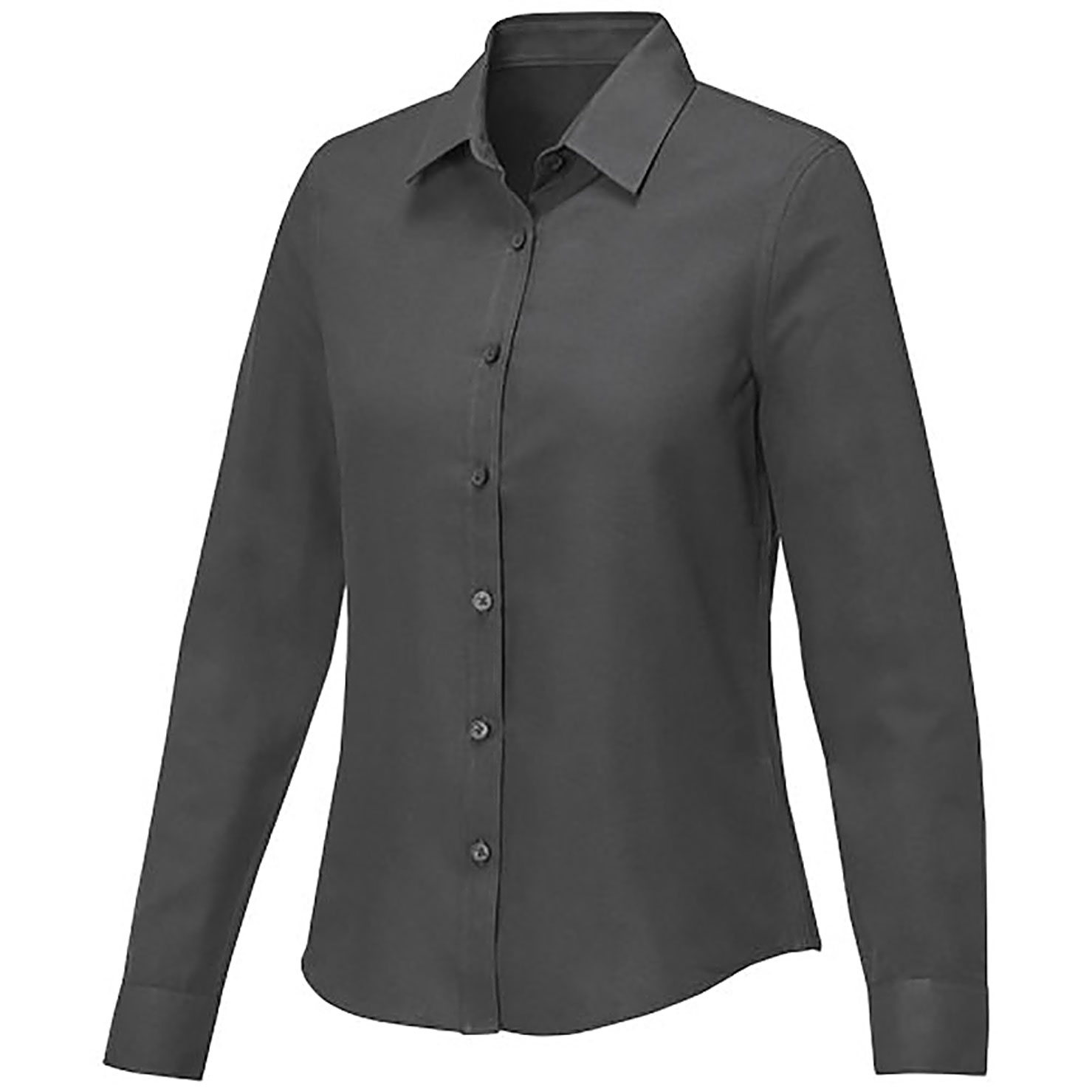
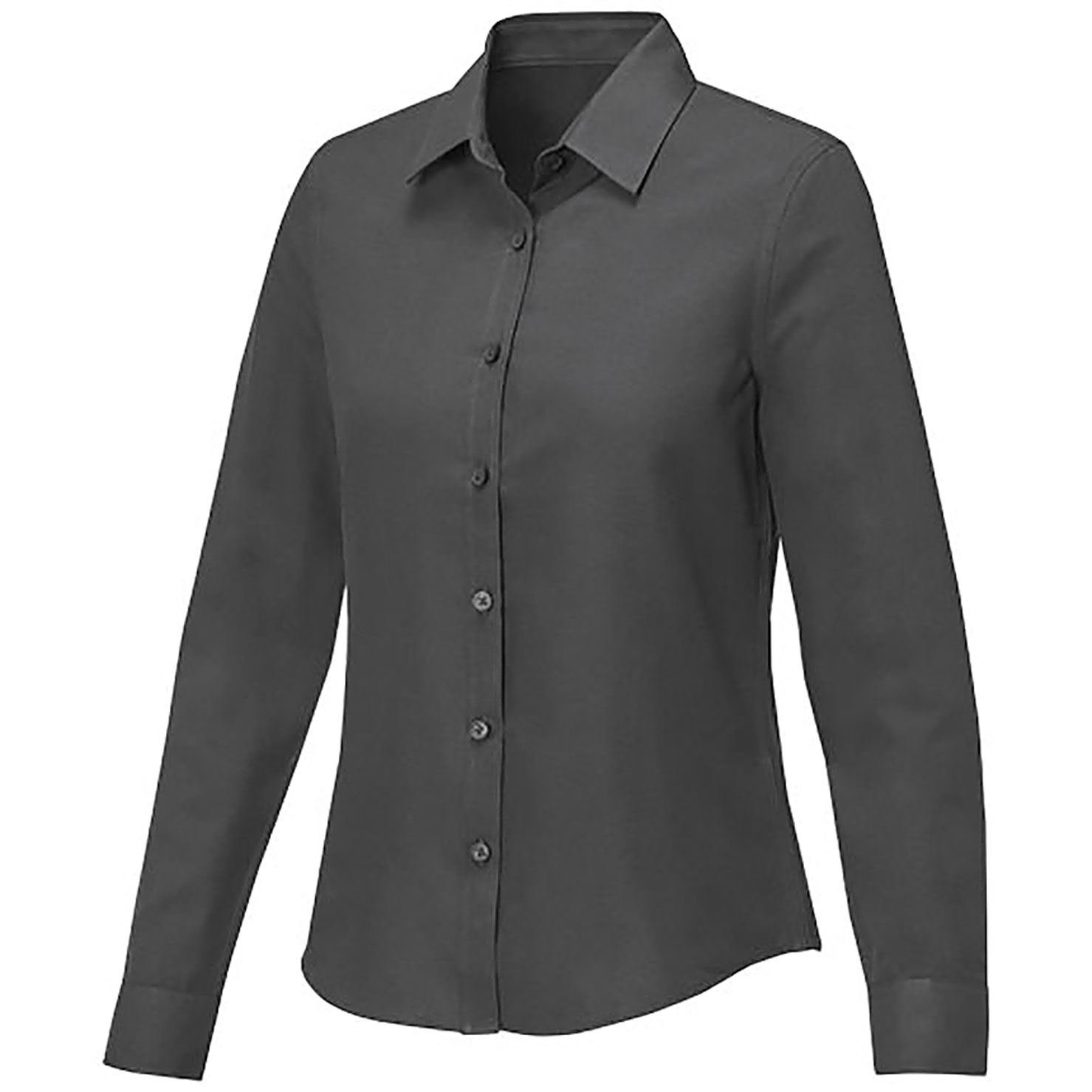
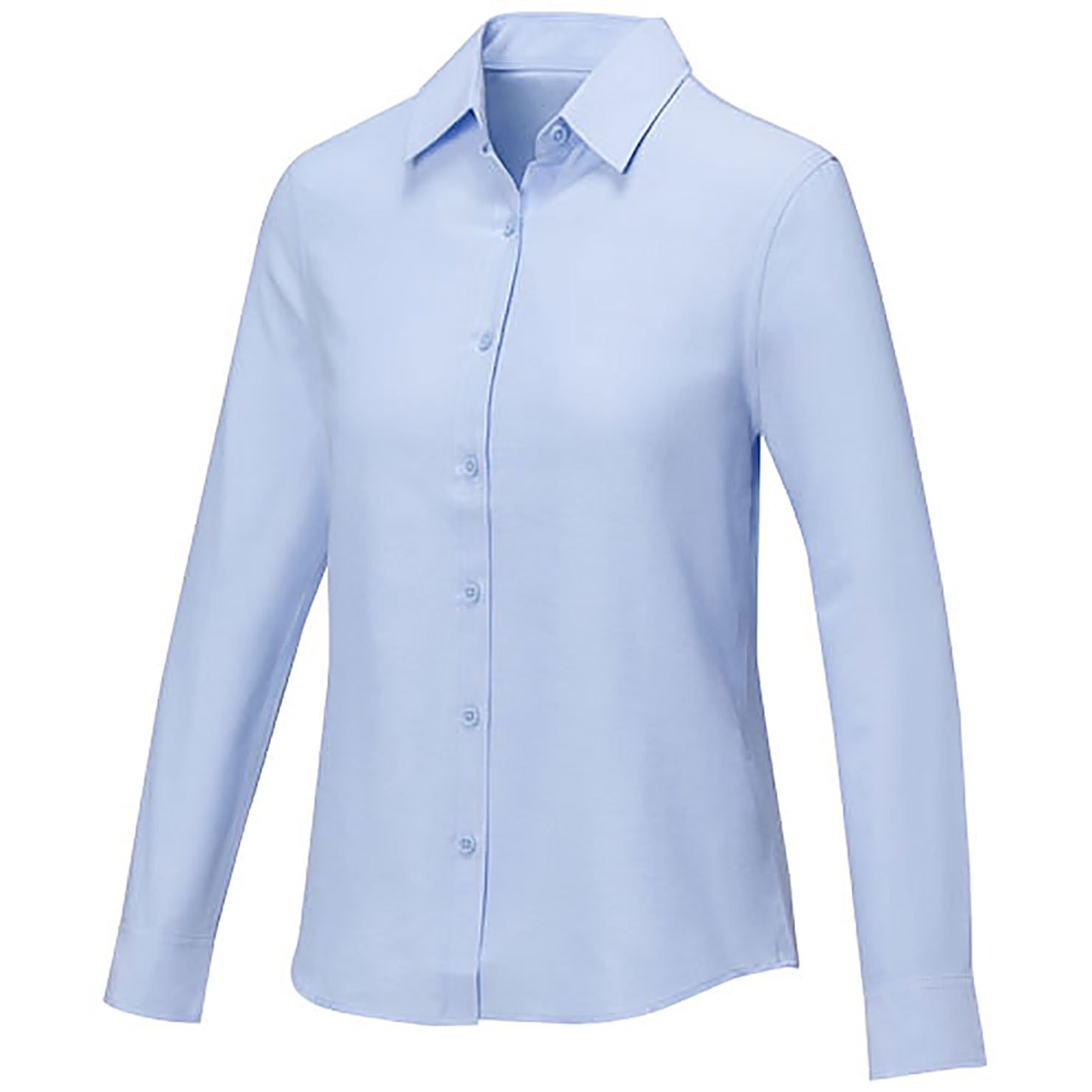
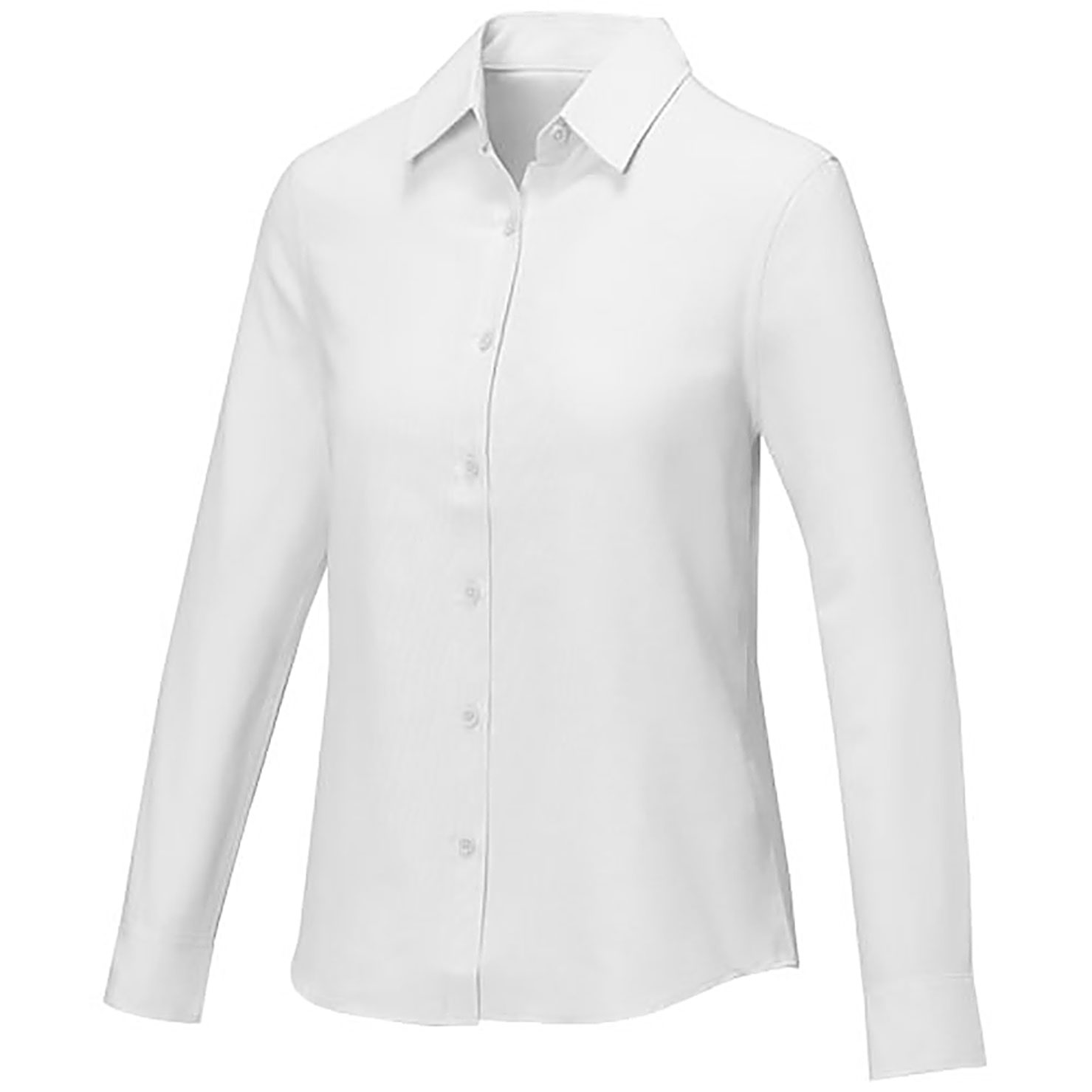
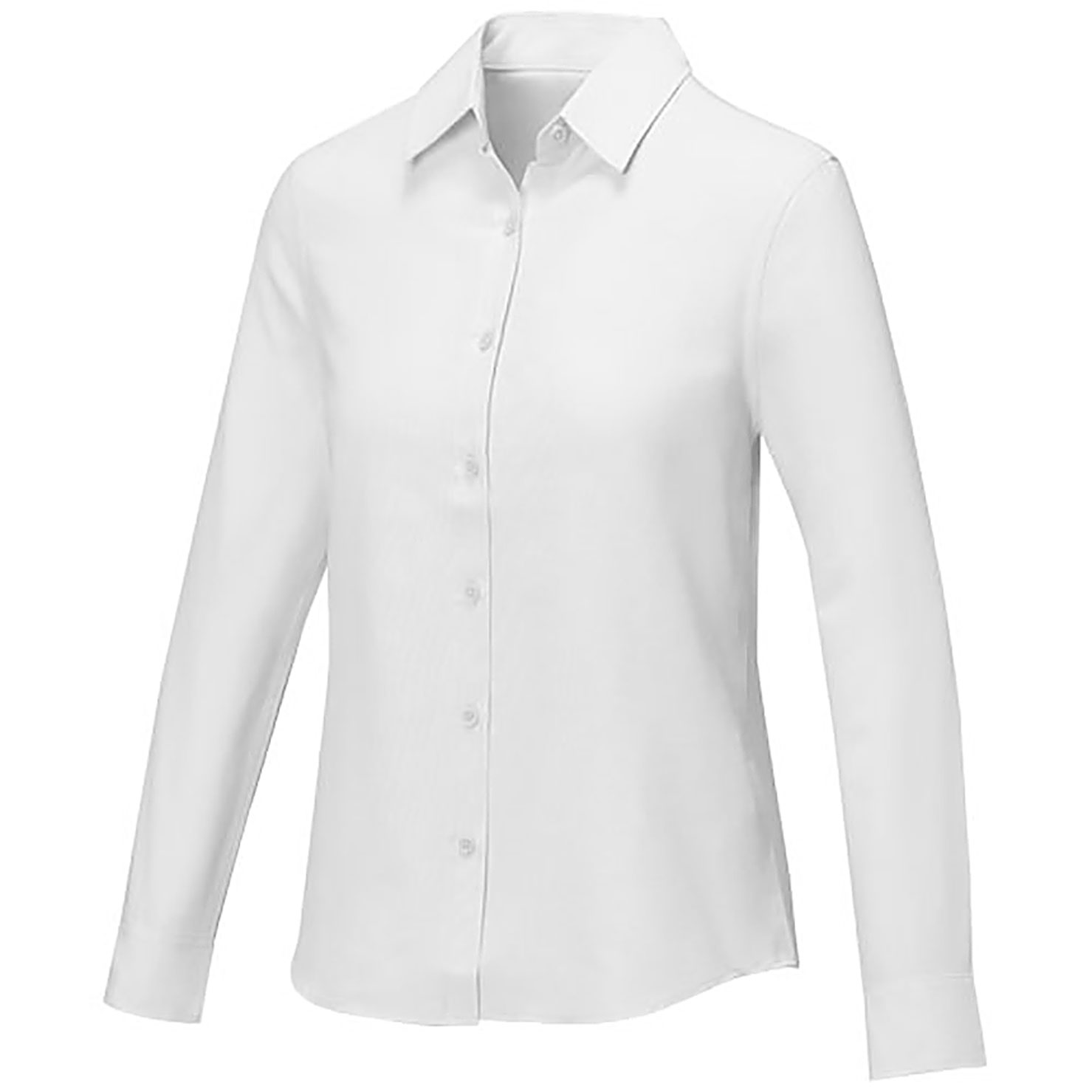
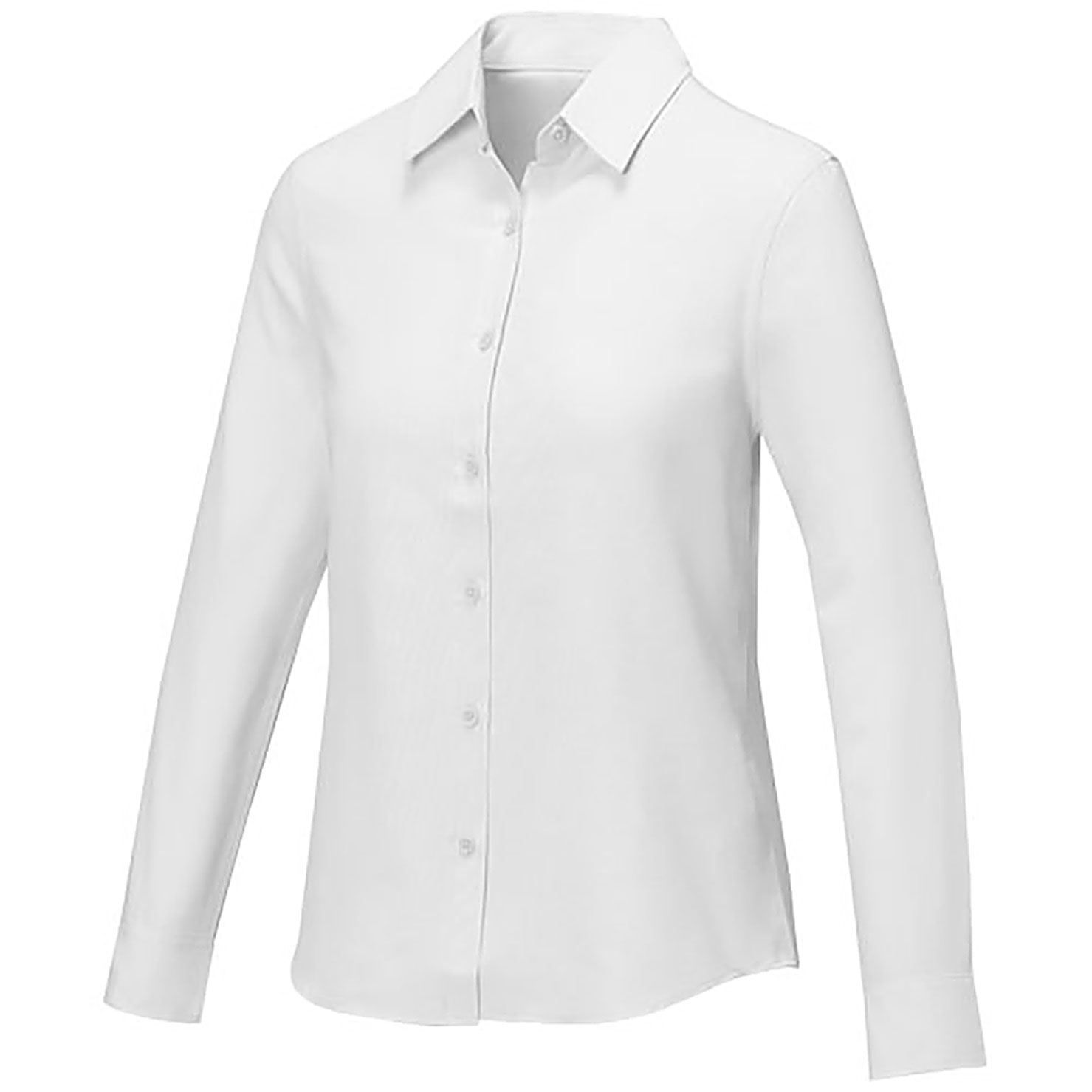
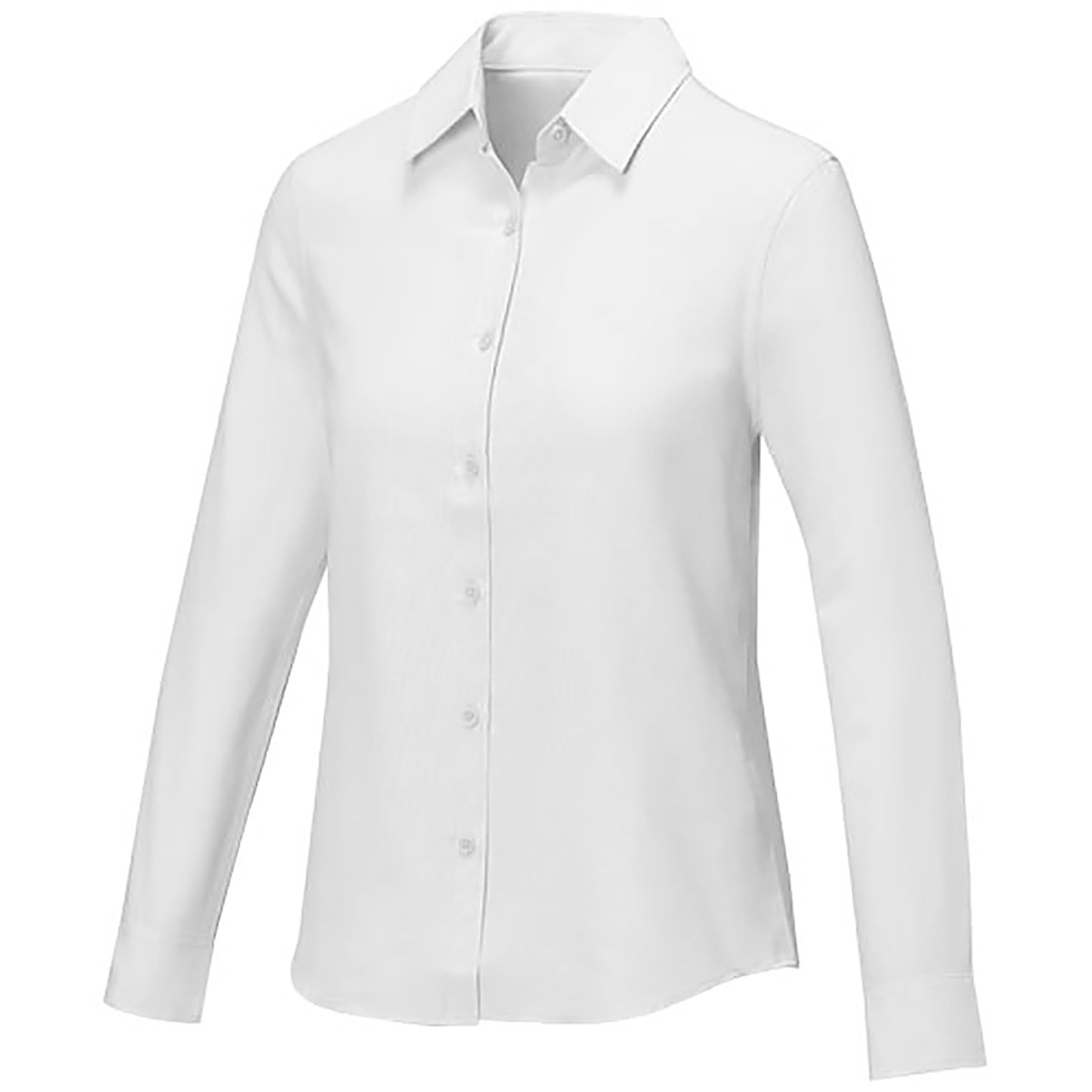
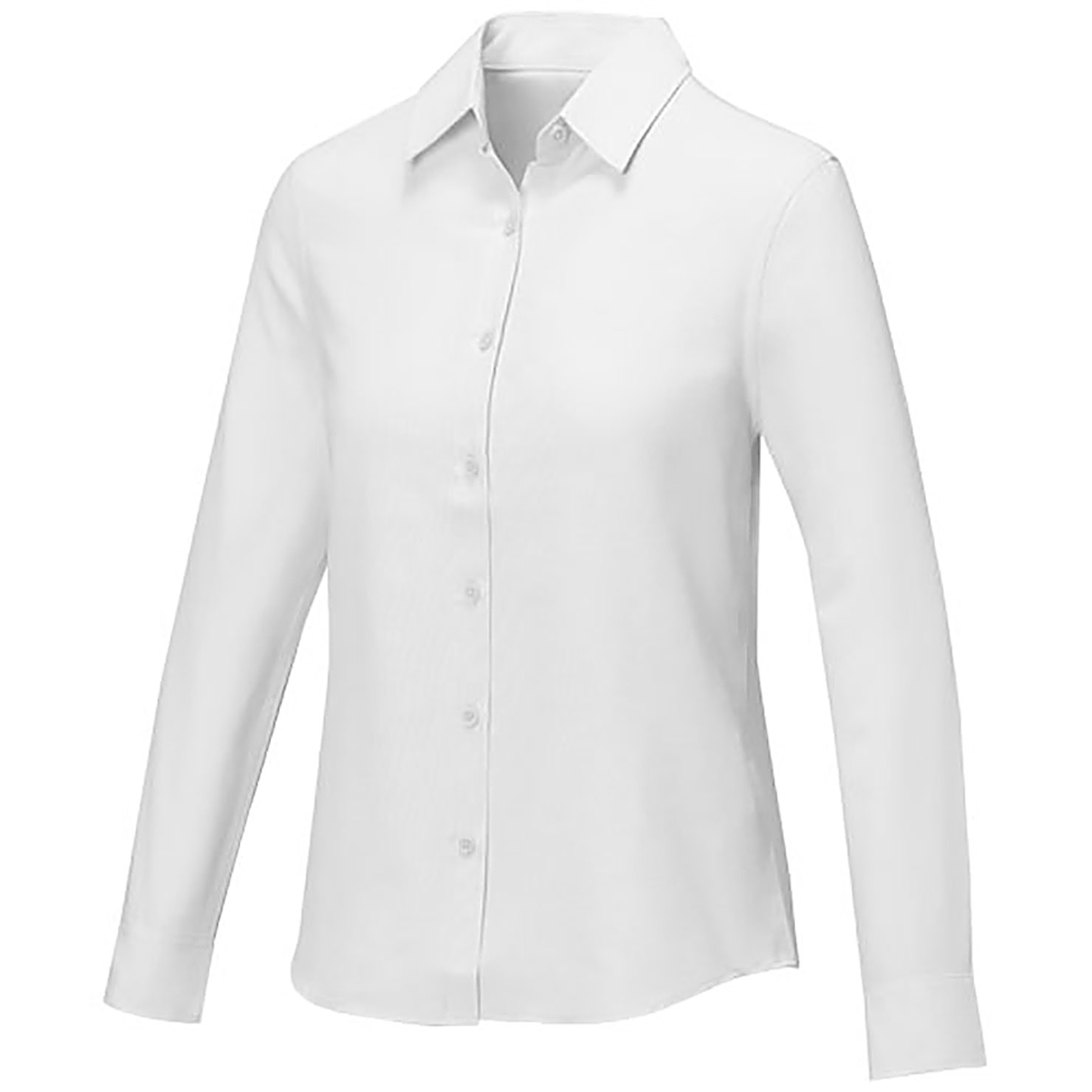
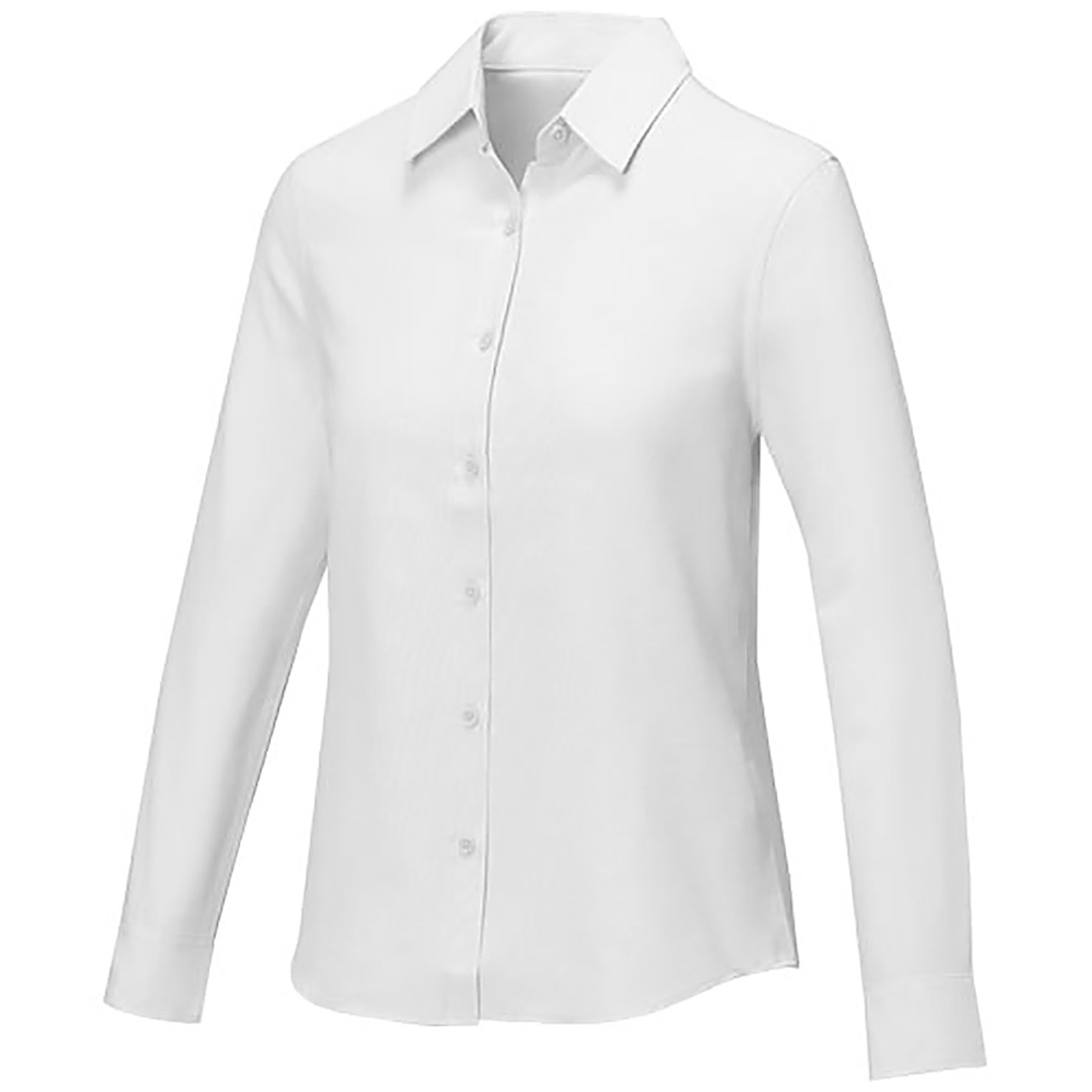
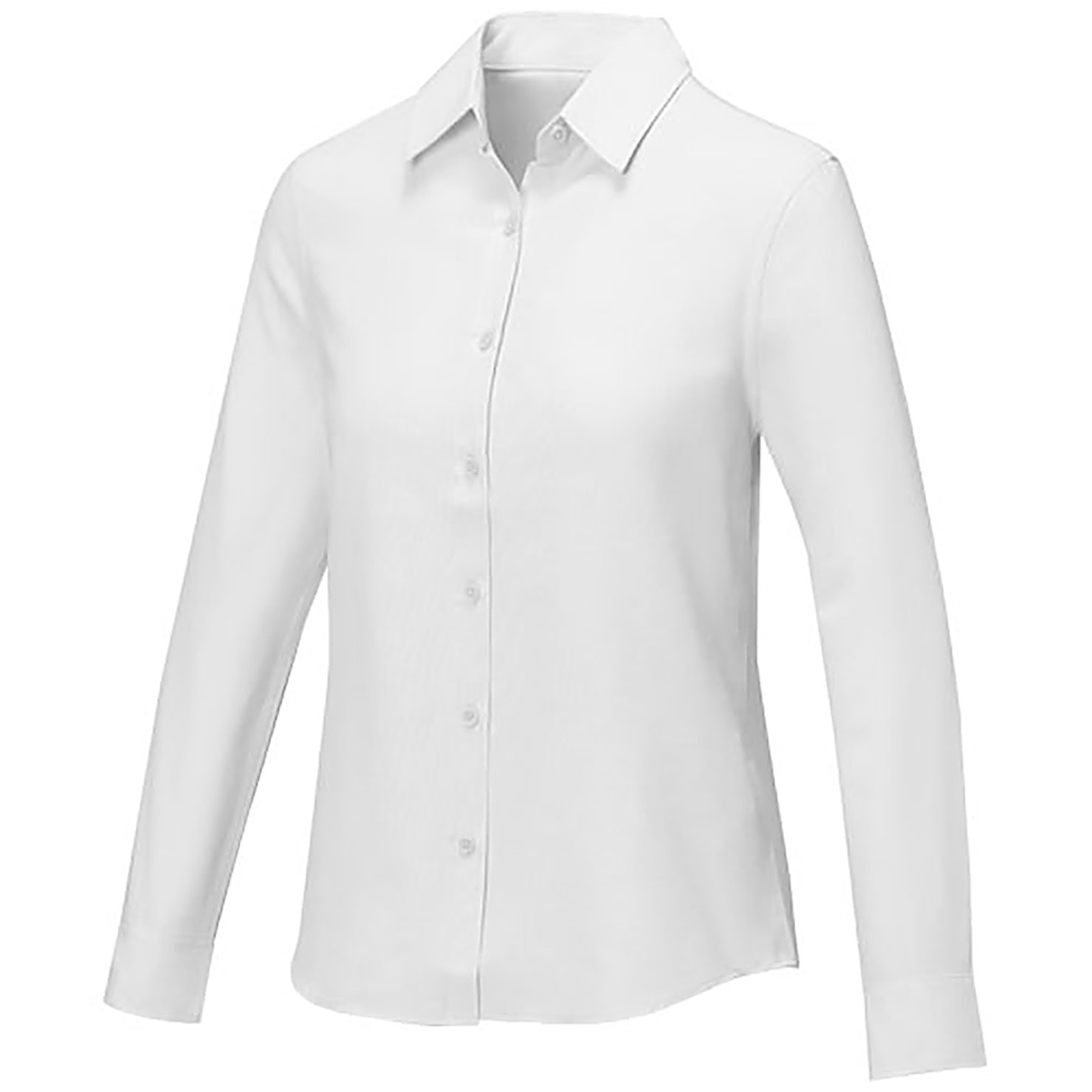
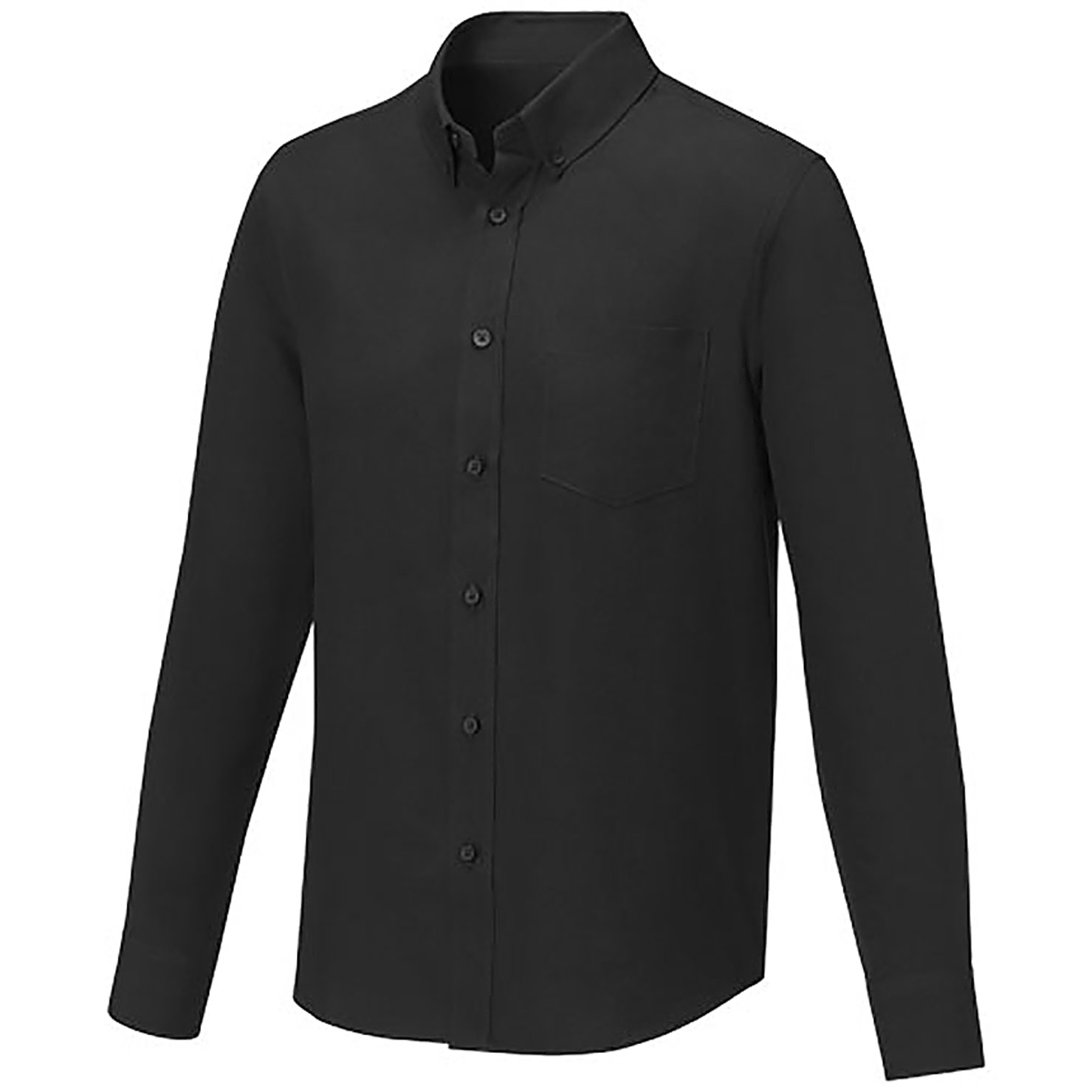
Elegant long-sleeve or short-sleeve shirts are a cornerstone of corporate culture in sectors where a formal and professional appearance is paramount. They are essential attire in banking, insurance, law firms, sales representation, aviation (pilots and cabin crew) and premium hospitality (restaurant managers and sommeliers). Given the delicate fabric structure and high elegance of the garment, precision machine embroidery is the only appropriate branding method for shirts. It is most commonly placed on the collar, the cuff, or above the left breast pocket, where it delivers a discreet and tasteful result.
For which industries and professions are promotional shirts with a custom logo an essential part of the uniform?
Corporate shirts — available in long-sleeve and short-sleeve styles — represent the highest level of formal business attire. They are an absolute necessity for the banking sector, financial advisory firms, law firms, hotel receptions and premium hospitality venues (waitstaff, sommeliers). A specific category is shirts for pilots and cabin crew featuring epaulettes. A well-branded shirt instantly builds client trust and clearly defines the professional standard of your company.
What materials and fabric finishes (e.g. Easy Care) do employees appreciate most in corporate shirts?
For demanding all-day office work, comfort and easy garment care are paramount. Alongside 100% cotton, blended fabrics (cotton with a mix of polyester and elastane) are extremely popular — they are breathable, soft against the skin, highly flexible and far less prone to creasing when sitting at a desk or in a car. Shirts with an 'Easy Care' or 'Non-Iron' finish have become a major hit. This special textile treatment ensures that shirts require virtually no ironing after washing and drying on a hanger, saving employees time and guaranteeing a polished appearance throughout the entire working day.
Why is machine embroidery the preferred branding technology for corporate shirts?
Shirts demand maximum attention to detail and a refined, upscale appearance, which is why print is used only sparingly. Machine embroidery is the first-class choice. An embroidered logo on a shirt is an inseparable part of high-end office and hospitality culture. Embroidery withstands frequent washing at higher temperatures as well as intensive ironing — both everyday necessities for shirts. The logo is most commonly placed on the left chest (above the breast pocket), on the sleeve cuff, or discreetly on the collar tip.
What shirt cuts are available for a perfectly coordinated corporate team look?
To ensure every employee's shirt fits perfectly and feels confident wearing it, we offer three core cut ranges. The Slim Fit cut is modern, closely follows the body shape, and is very popular with younger generations. The Regular Fit (classic/straight) cut is a proven standard that provides ample freedom of movement and accommodates a range of body types. For women, there are specially tailored business cuts with bust darts that beautifully accentuate the feminine silhouette while maintaining a fully professional appearance.
What are the differences between Slim Fit and Regular Fit shirt cuts when dressing a corporate team?
The Regular Fit (or Comfort Fit) cut is a classic, looser shirt with a straight silhouette that provides maximum freedom of movement and suits all body types. The Slim Fit cut is a modern, tailored shirt that follows the body's contour closely, thanks to darts at the back. It is ideal for slimmer figures and younger teams. When ordering for an entire corporate team, we recommend having employees try the shirts on in advance so they feel comfortable wearing them throughout the working day.
What does the Easy Care finish mean on promotional shirts, and what are its benefits?
Easy Care (also known as Non-Iron) is a special chemical-thermal stabilisation of cotton fibres. Garments with this finish crease minimally after washing and hanging to dry. For employees, this is a significant advantage — the shirt is extremely easy and quick to iron, does not wrinkle during a demanding day in the office or after long periods of sitting in a car, and maintains a perfectly smooth, neat appearance from morning to evening.
Which shirt fabrics are most suitable for demanding hospitality operations and office environments?
For offices and management, shirts made of one hundred percent fine cotton (e.g. with an Oxford or Poplin weave) are ideal — they breathe excellently and feel very pleasant on the skin. For demanding hospitality operations, waiters and bartenders, blended fabrics with a polyester content are more suitable. Polyester gives the shirt high strength, tear resistance and colour fastness during frequent washing, and prevents food and wine stains from penetrating deep into the fibres.
 English - EUR
 Deutsch - EUR
 Slovensky - EUR
 Česky - CZK