What are eco-friendly promotional products and why choose them today?
Eco-friendly promotional products are items made from recycled, renewable or biodegradable materials with minimal environmental impact. Today this is no longer an alternative — it is the standard. Large companies increasingly prioritise ESG suppliers and require eco values throughout the supply chain. Key reasons to choose them: alignment with your corporate ESG strategy, a clear signal of your company's values to clients and employees, requirements from major corporate customers, and EU legislation (CSRD reporting). Price-wise, eco products are comparable to conventional ones — sometimes even slightly lower due to material efficiencies. For companies with 250+ employees, eco reporting has been mandatory since 2024.
Which materials are the most popular eco-friendly choices in promotional products?
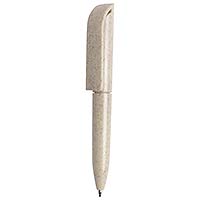
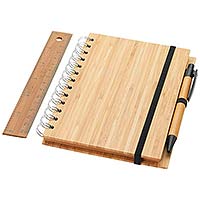
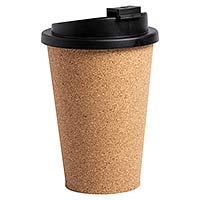
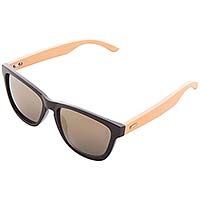
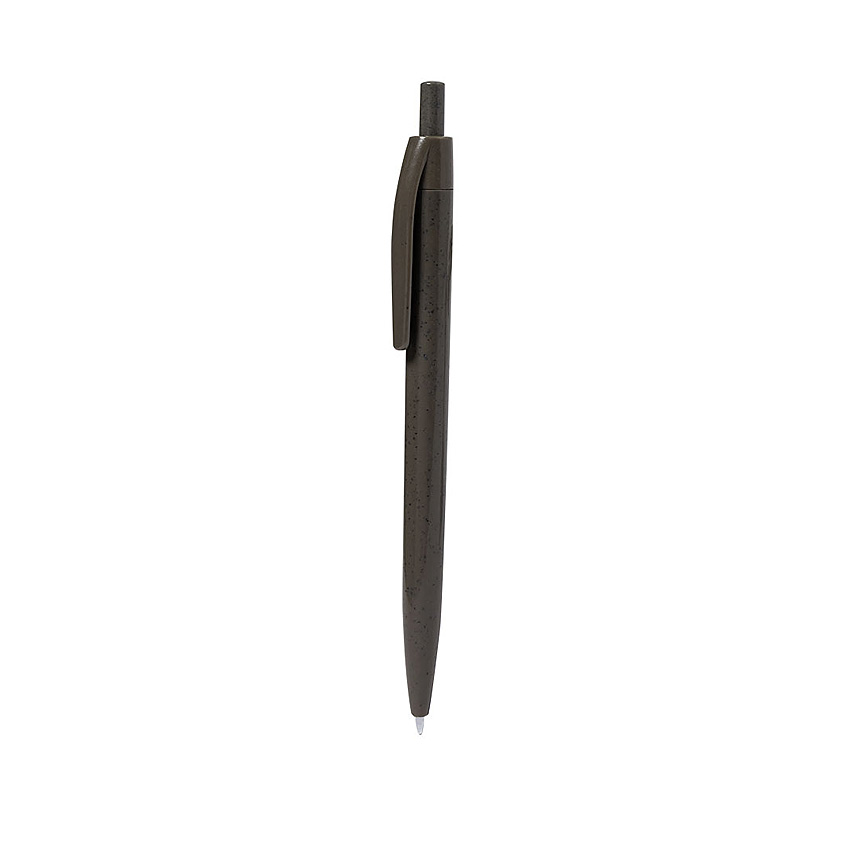
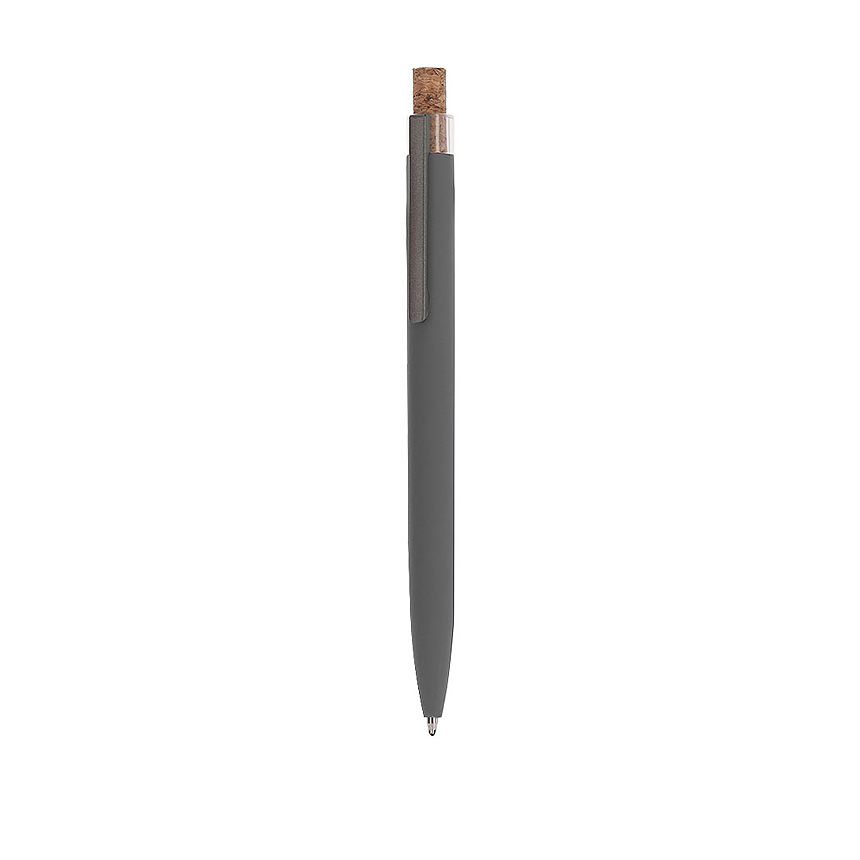
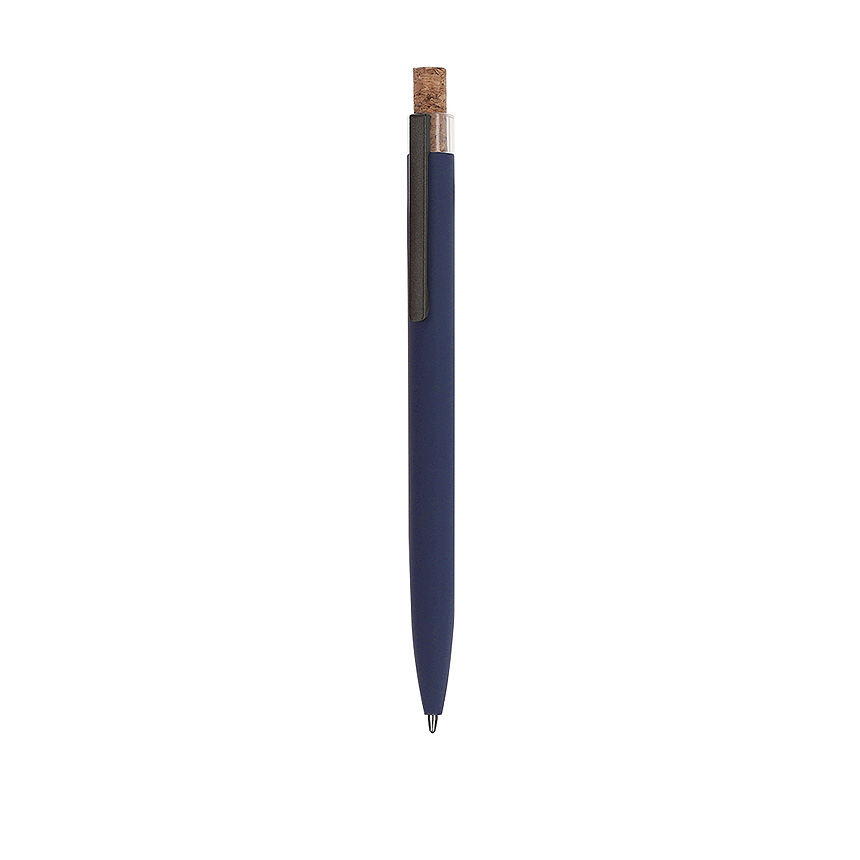
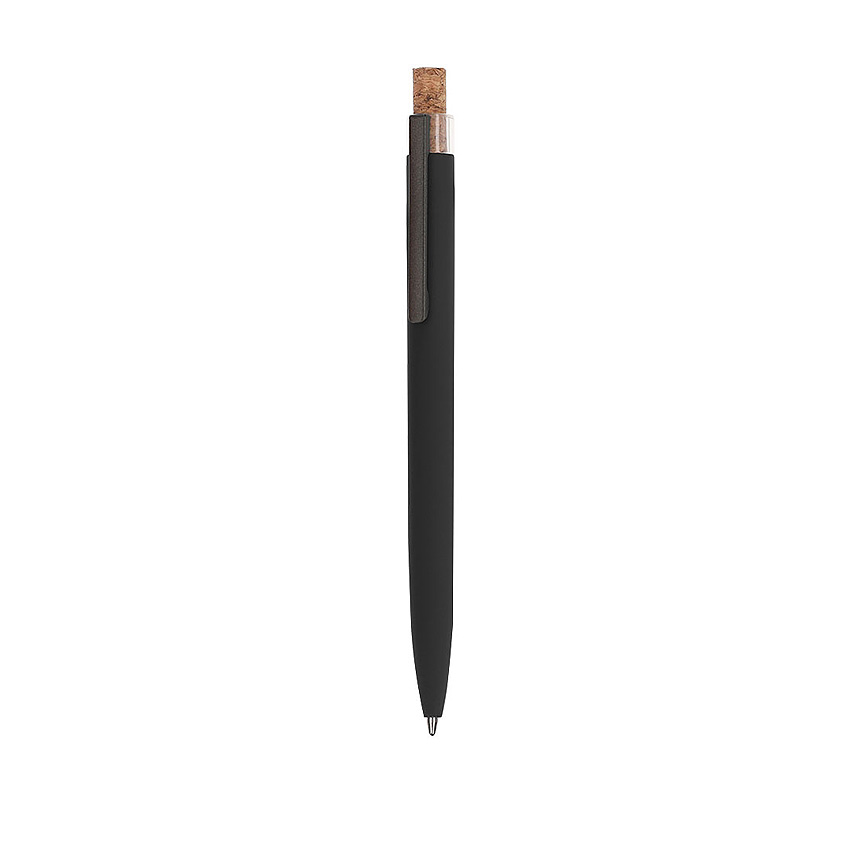
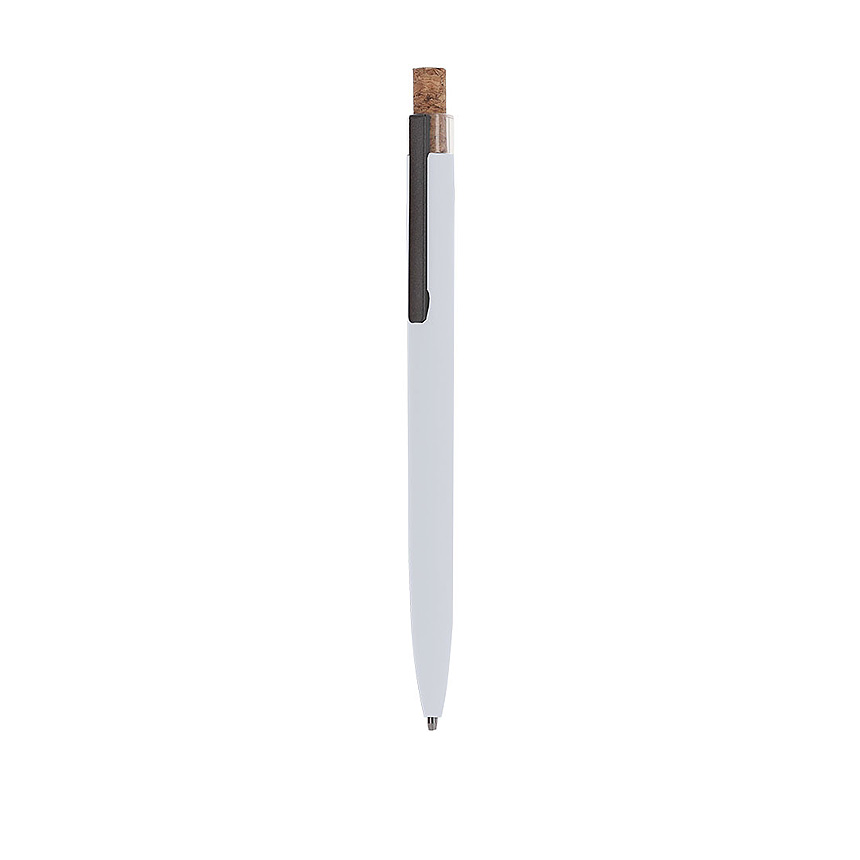
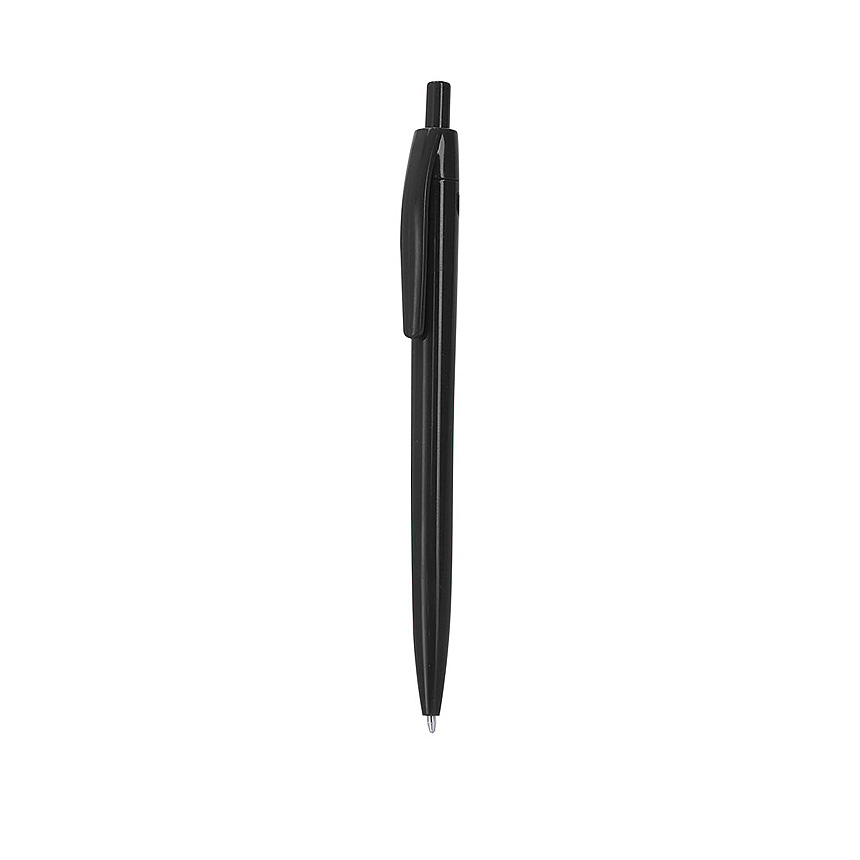
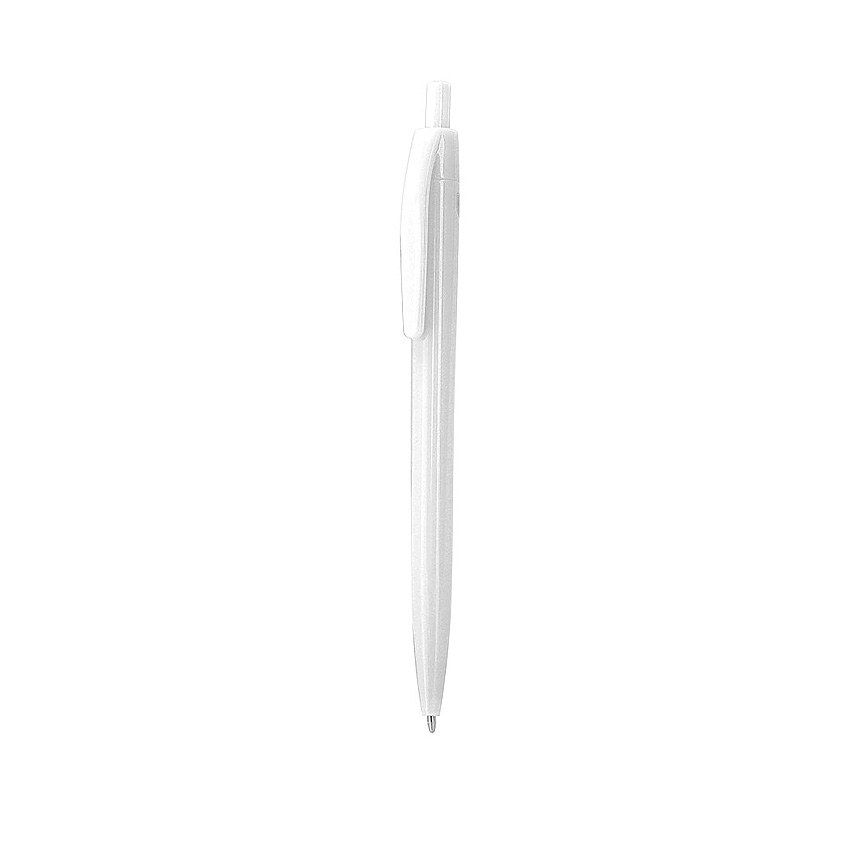
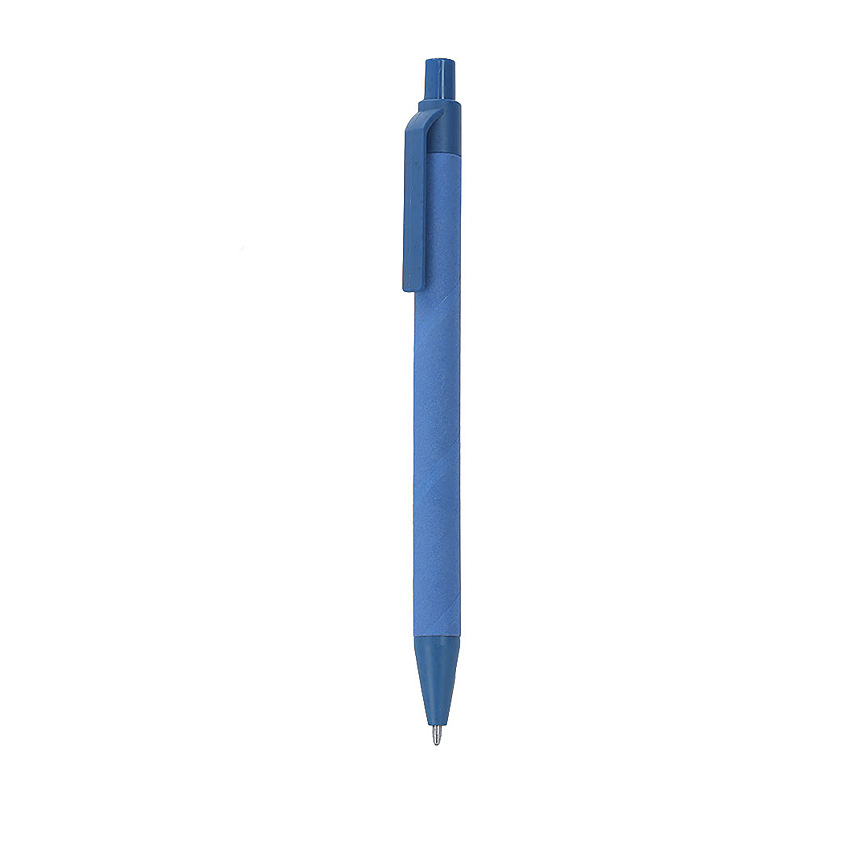
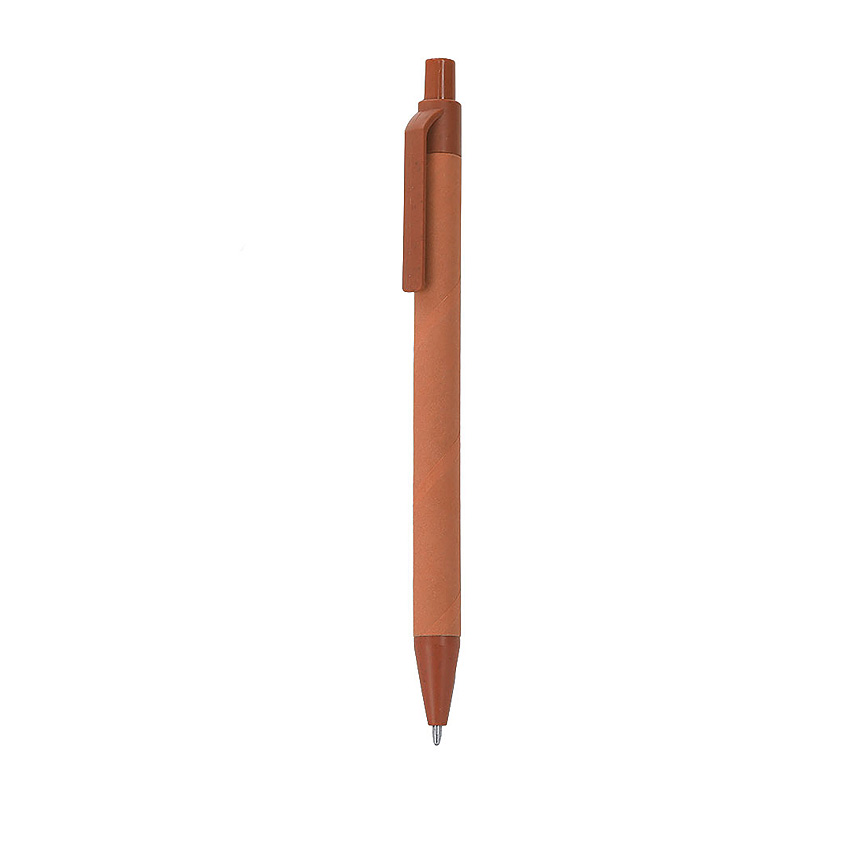
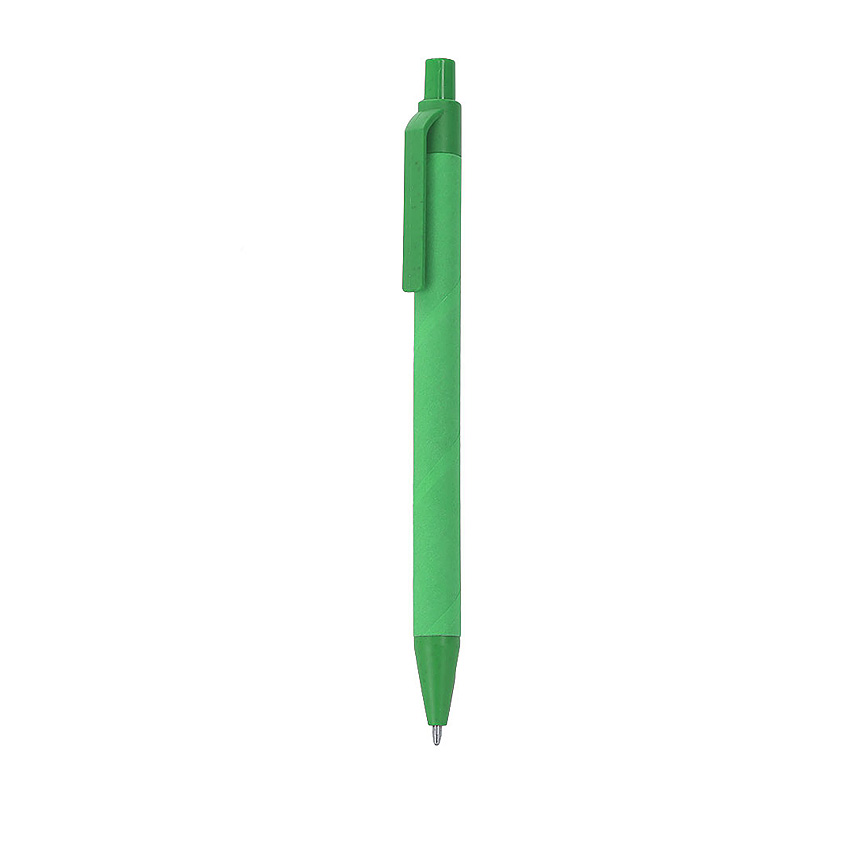
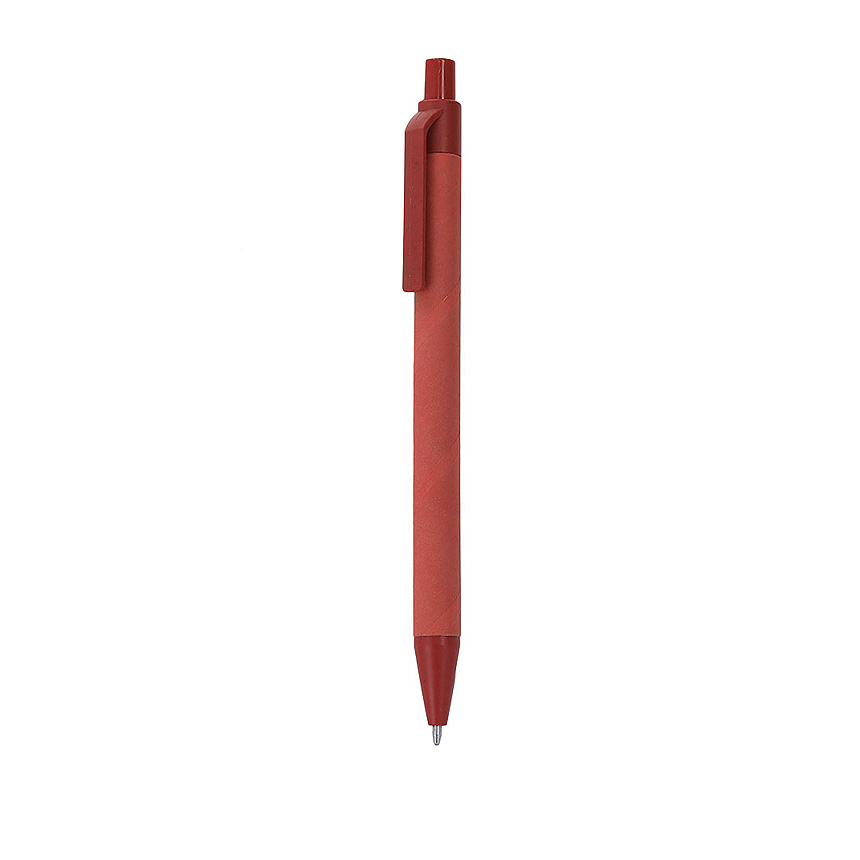
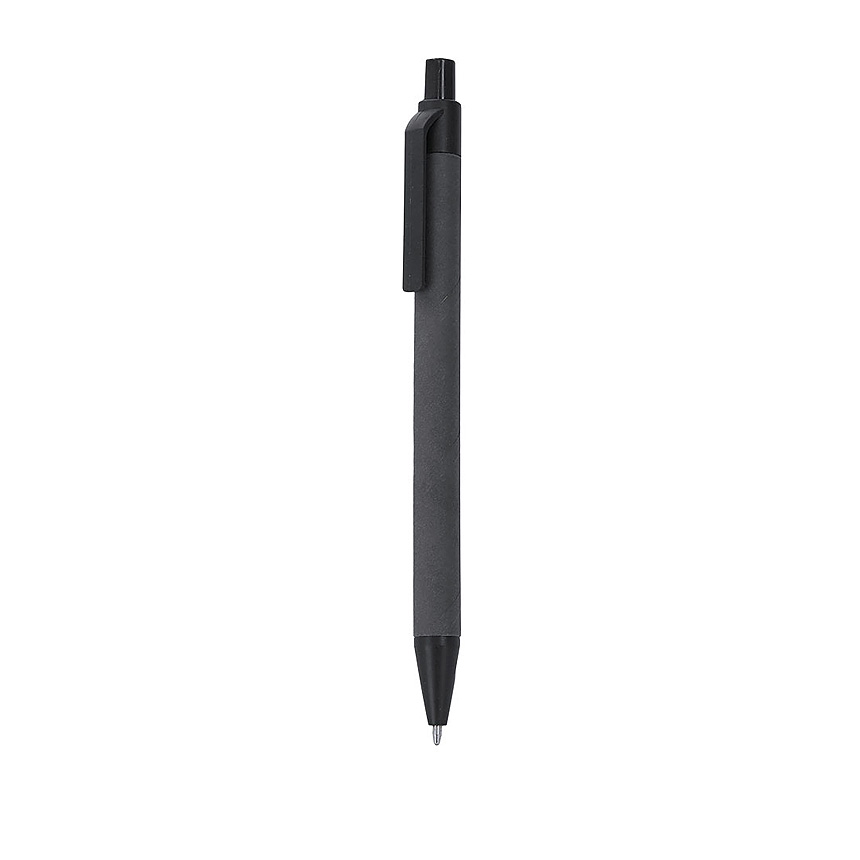
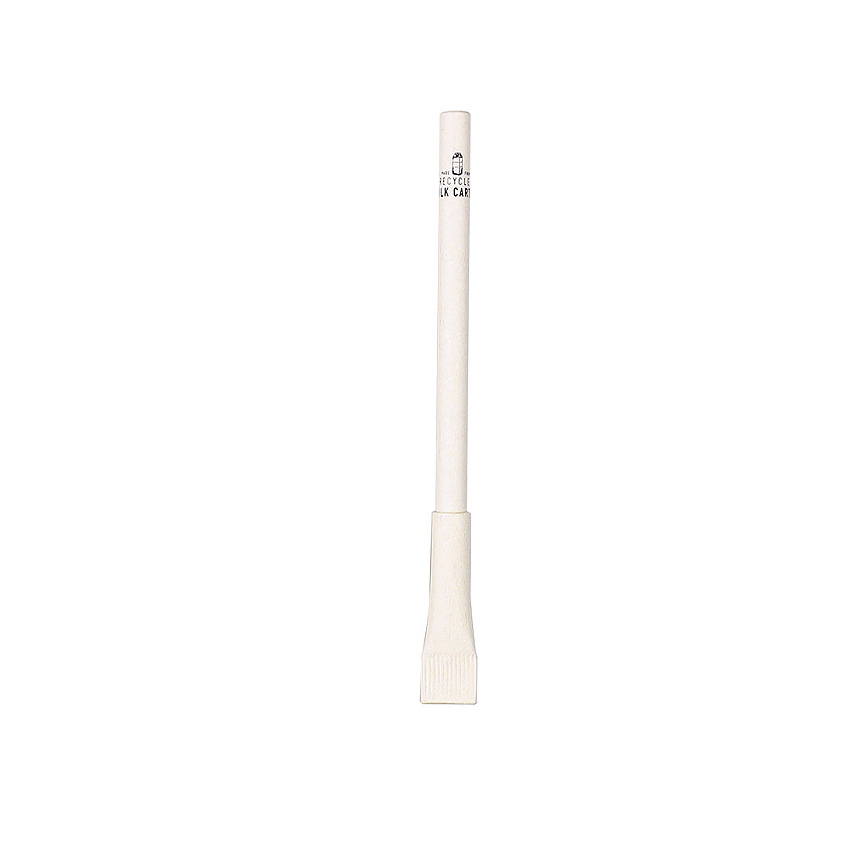
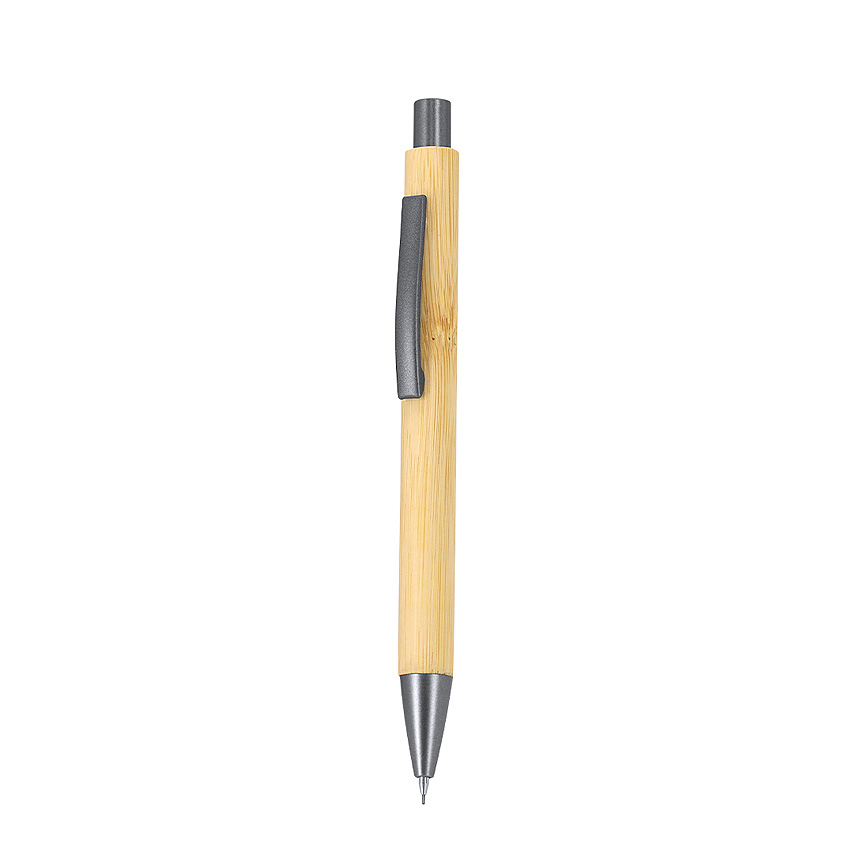
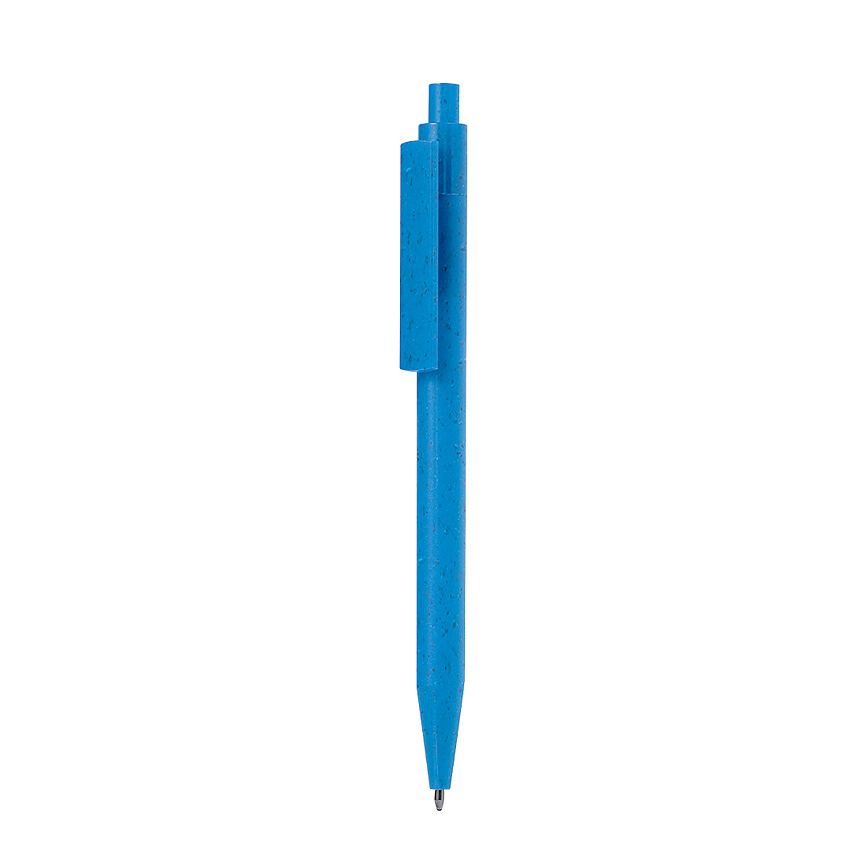
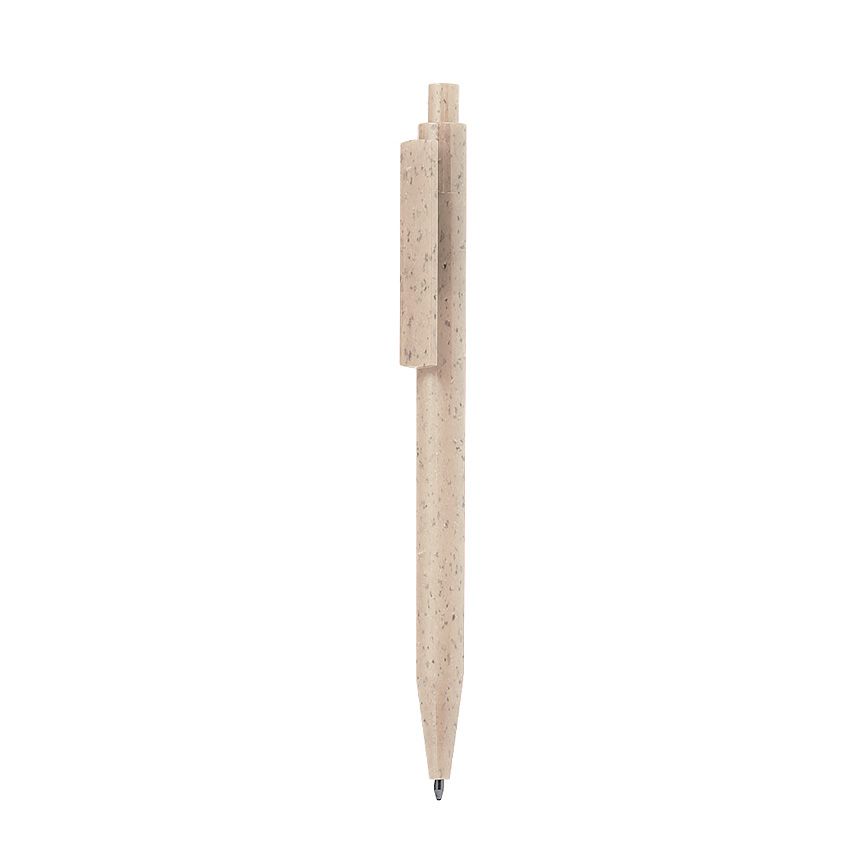
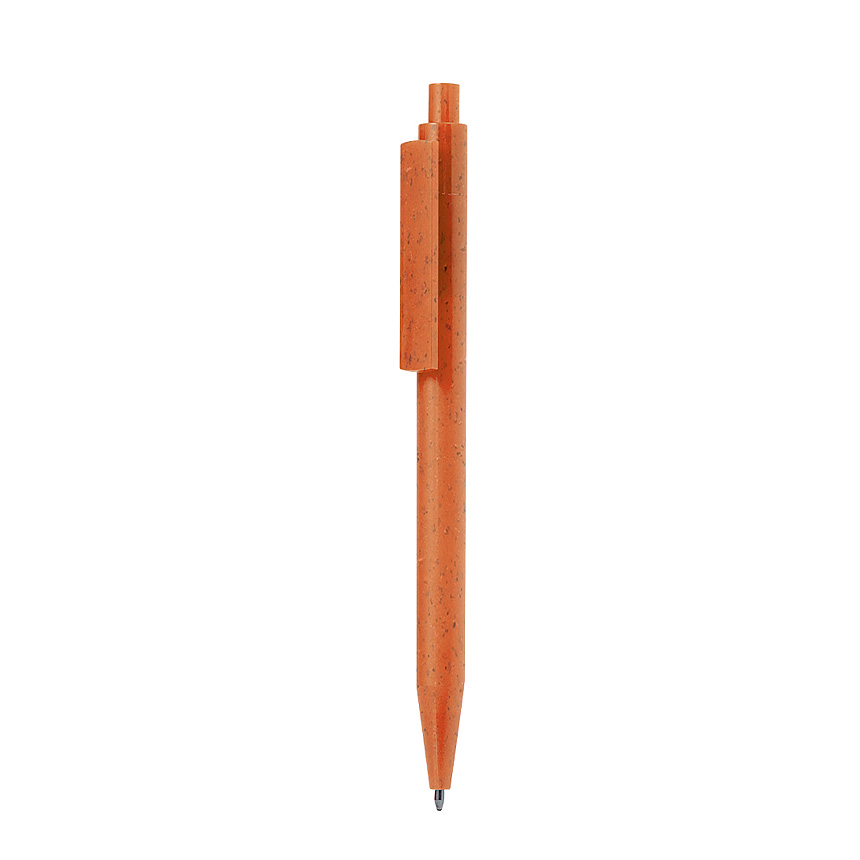
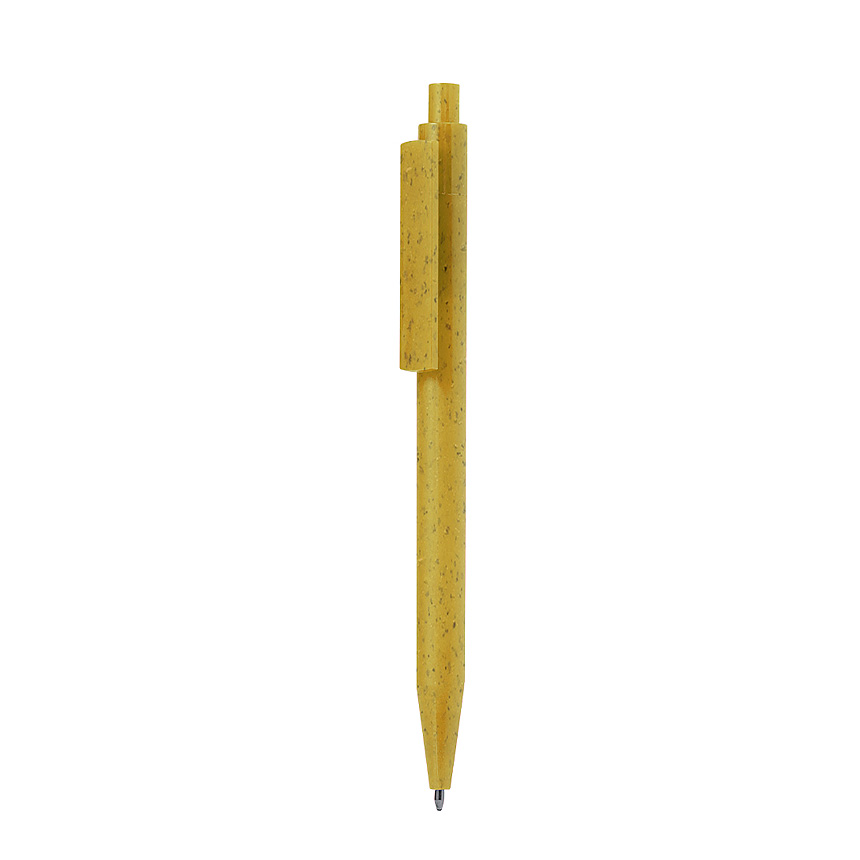
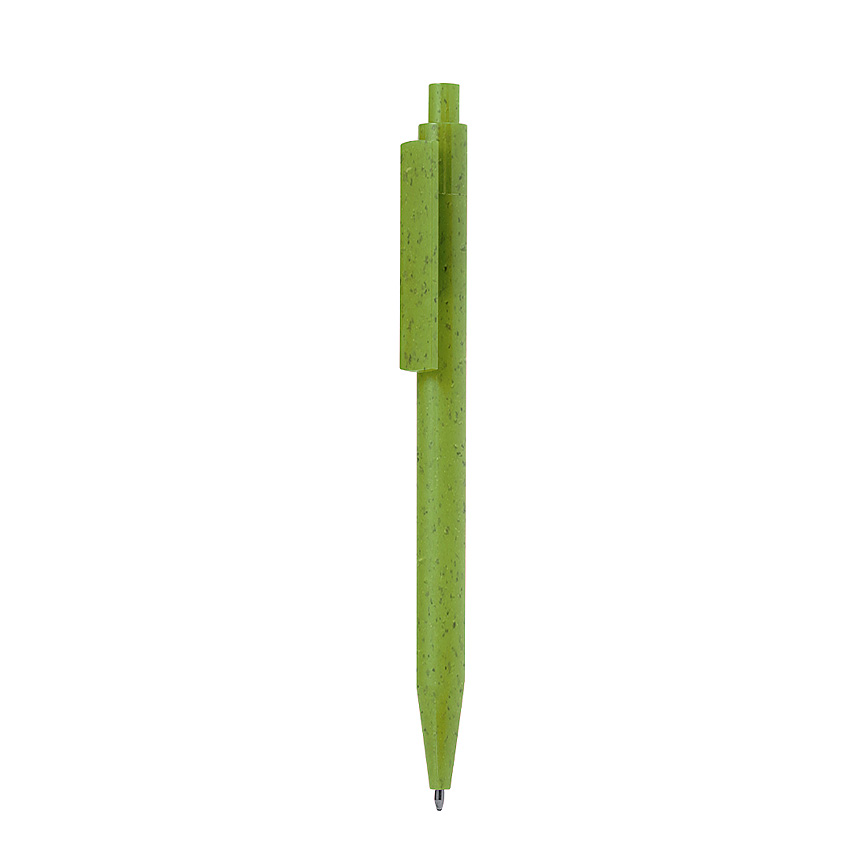
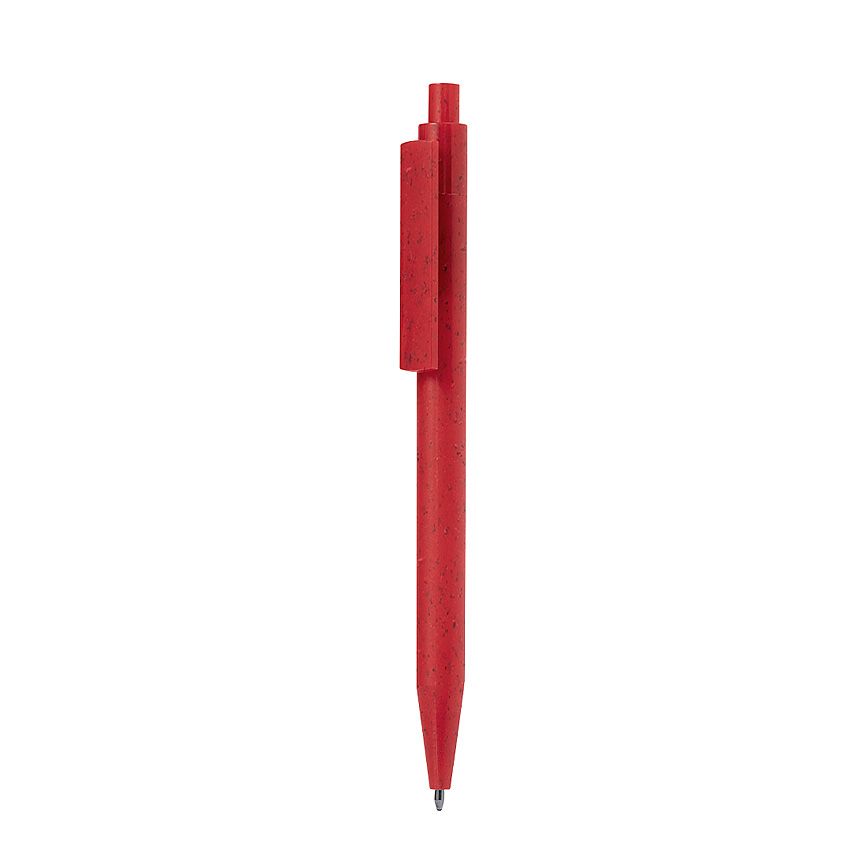
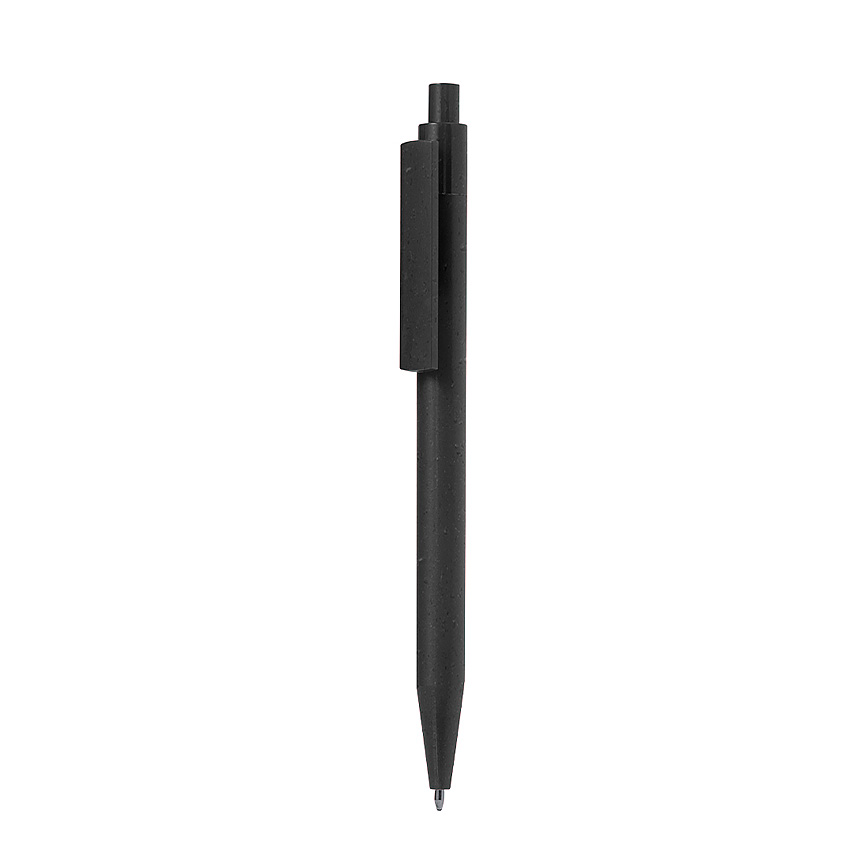
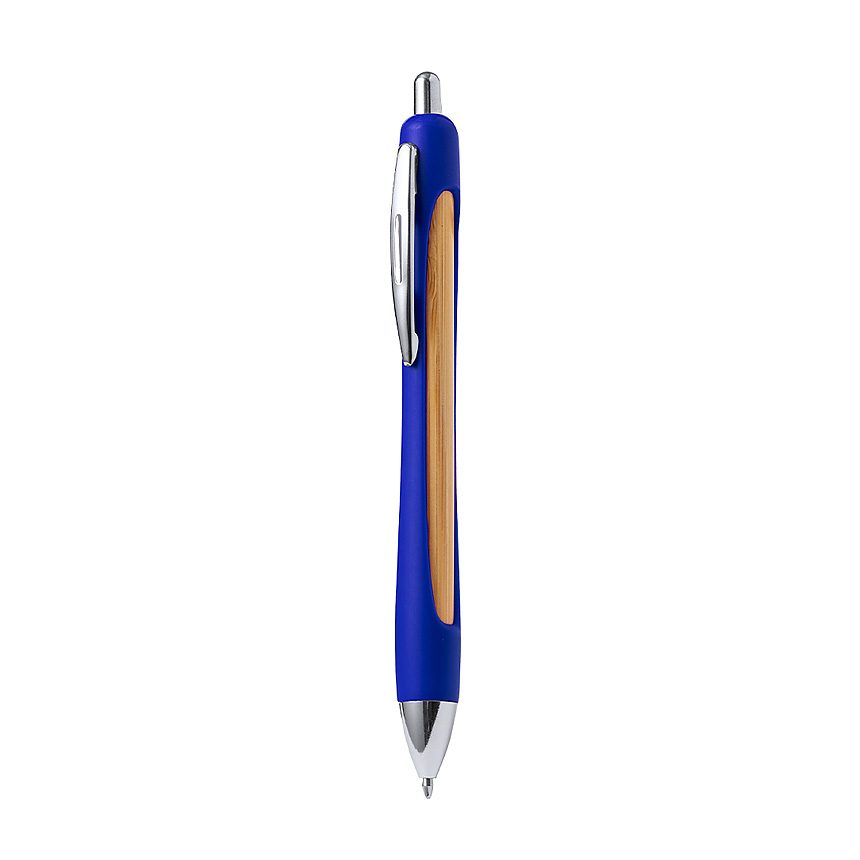
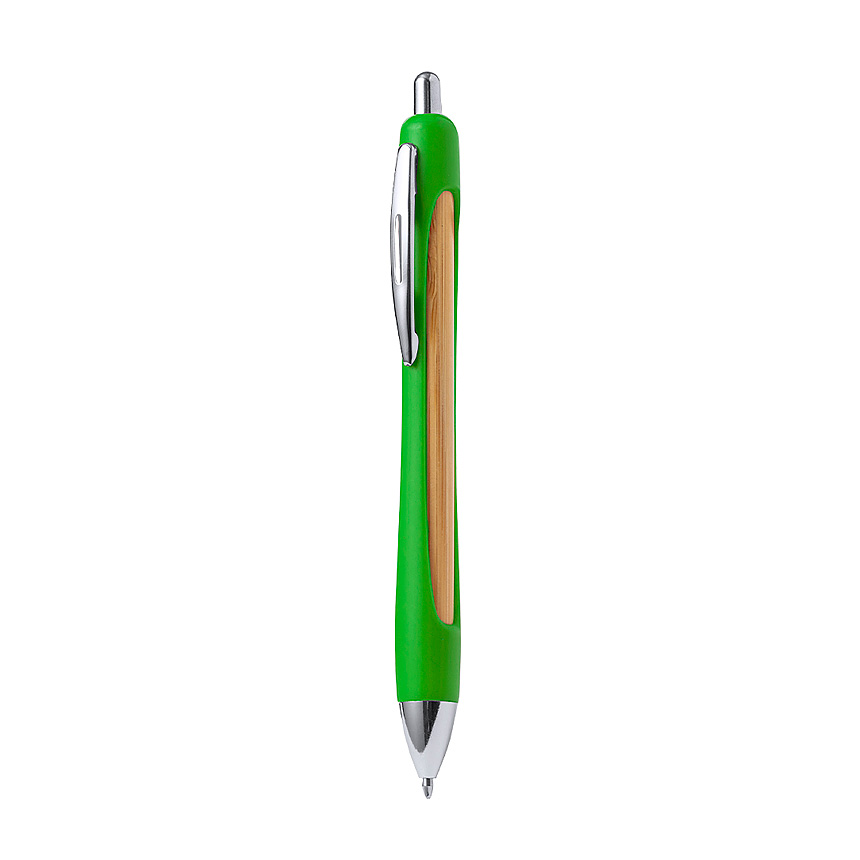
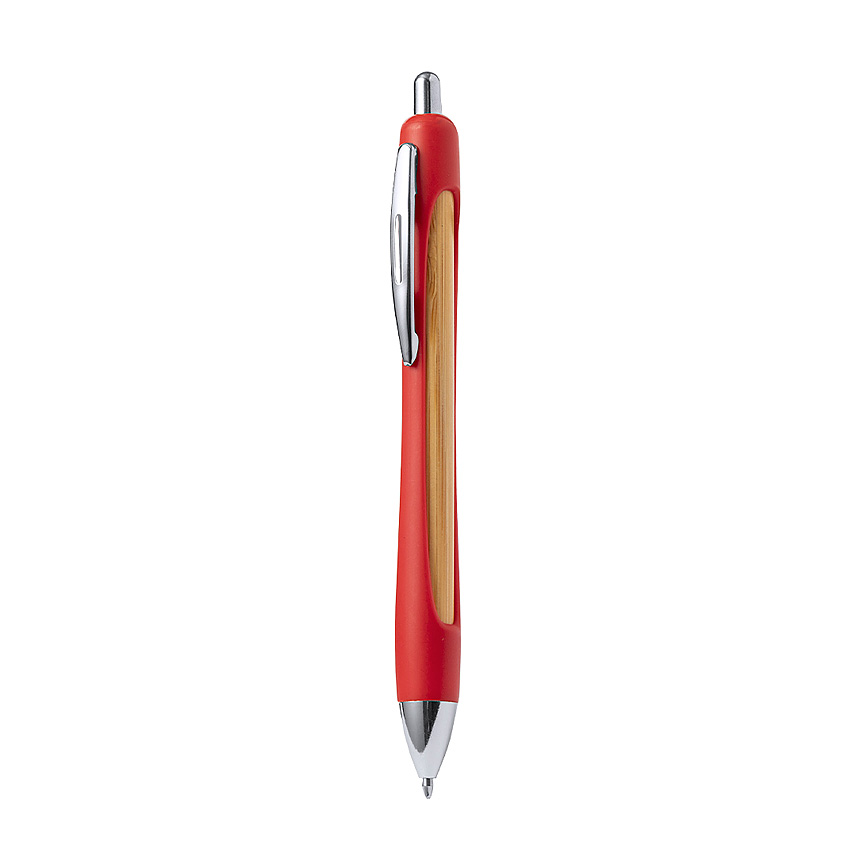
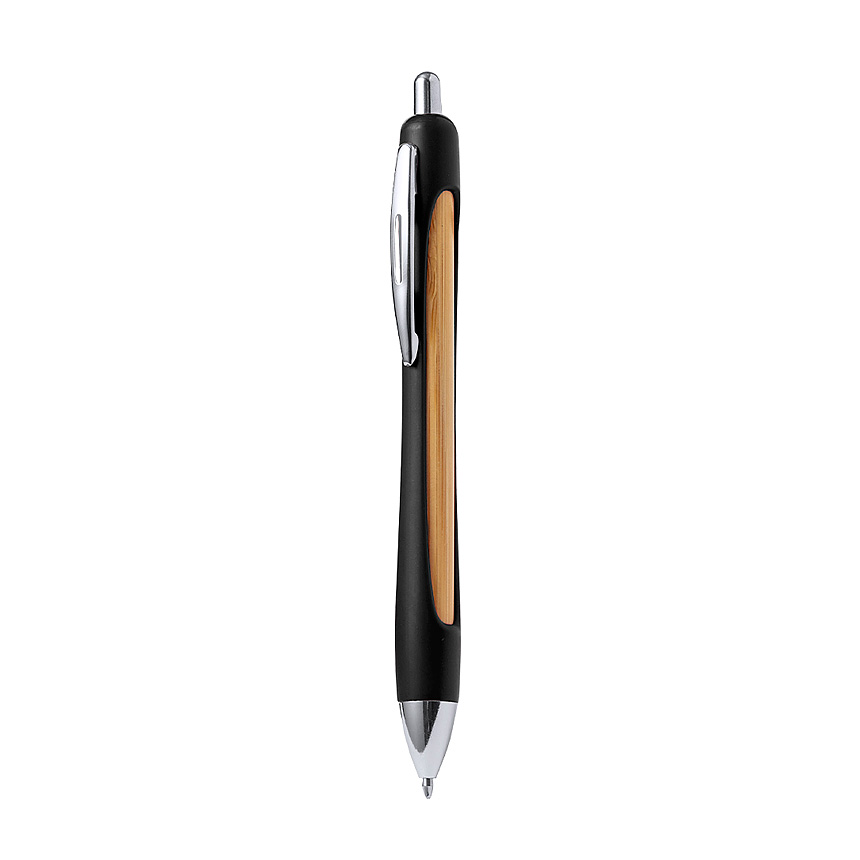
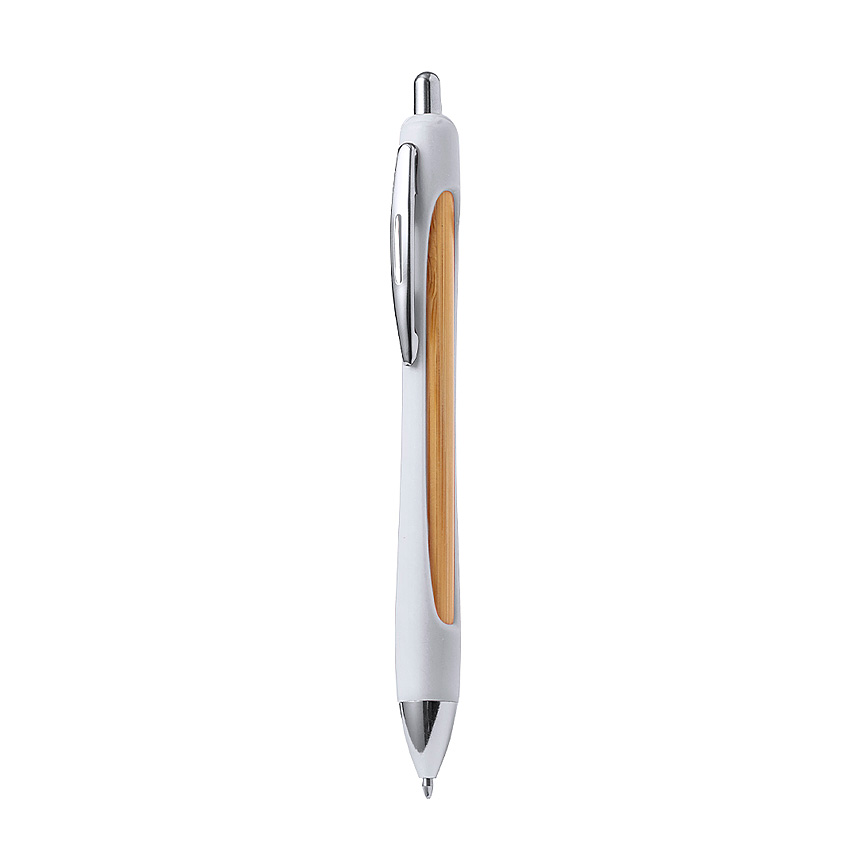
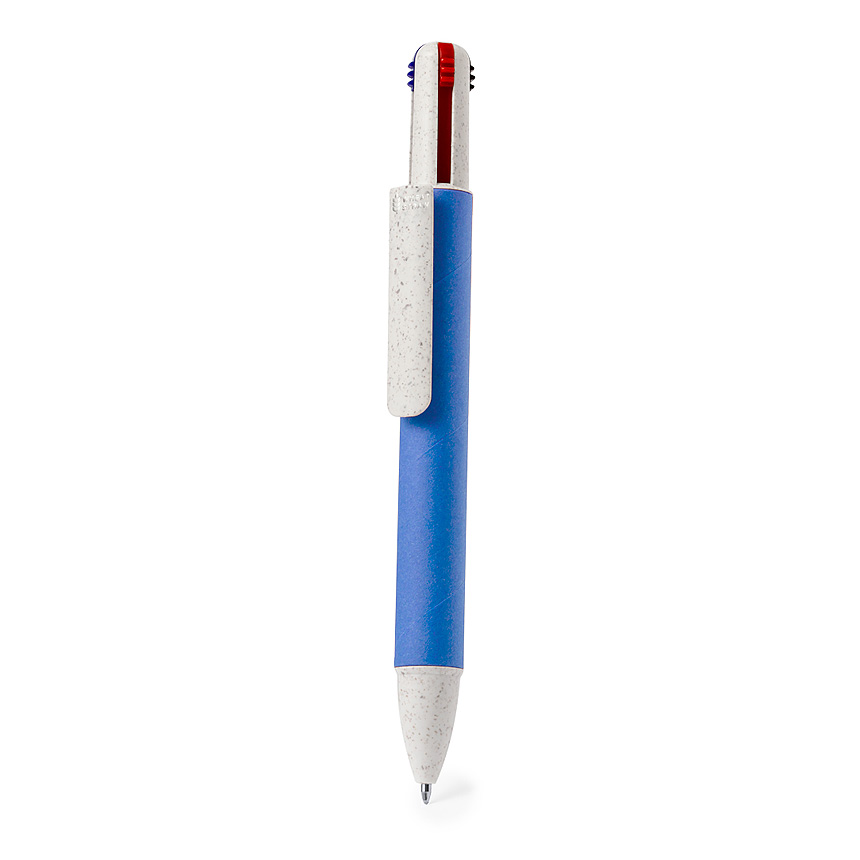
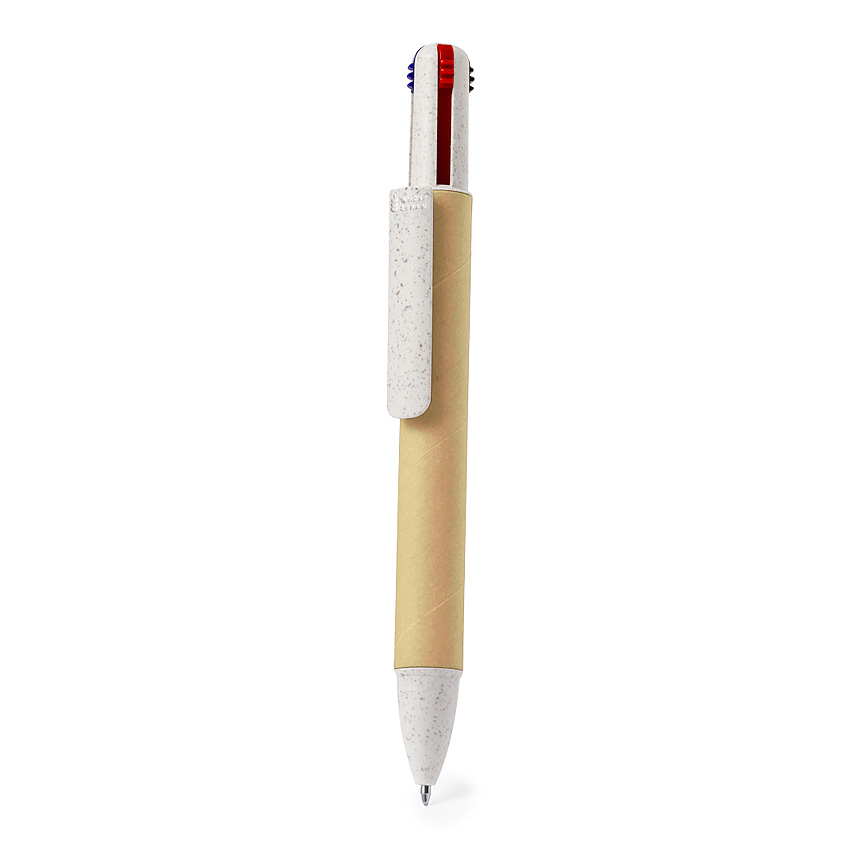
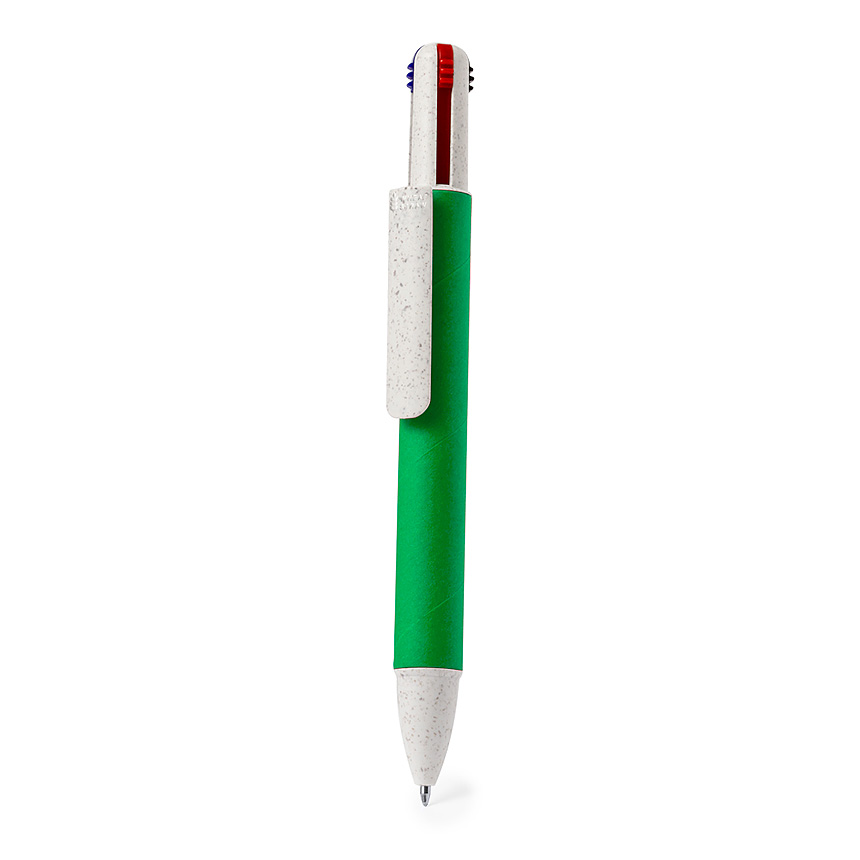
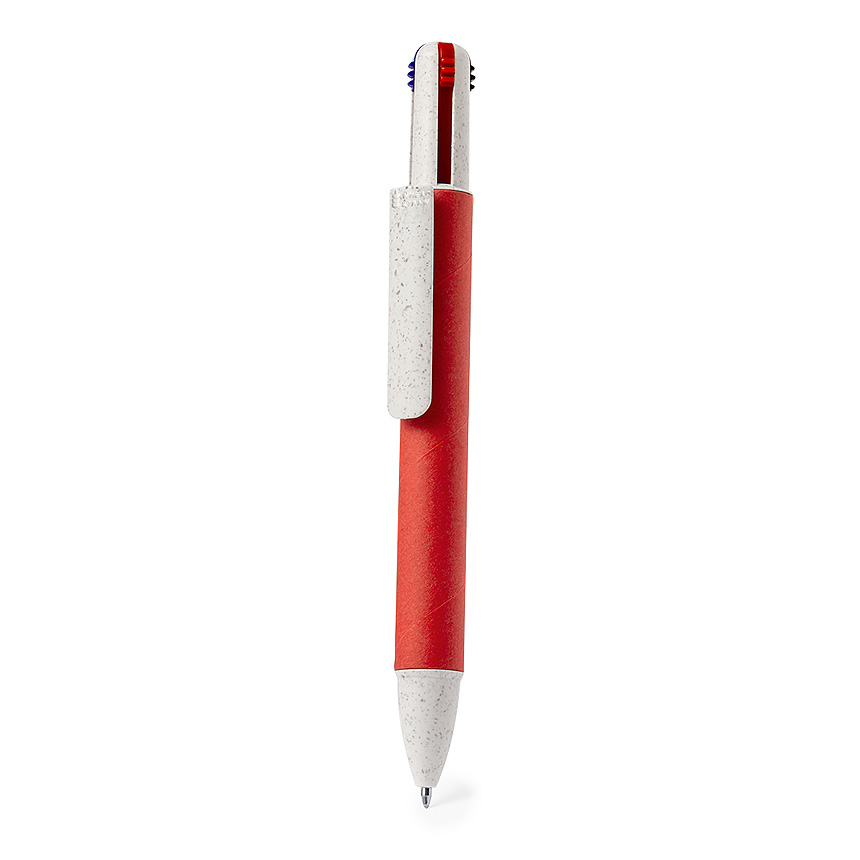
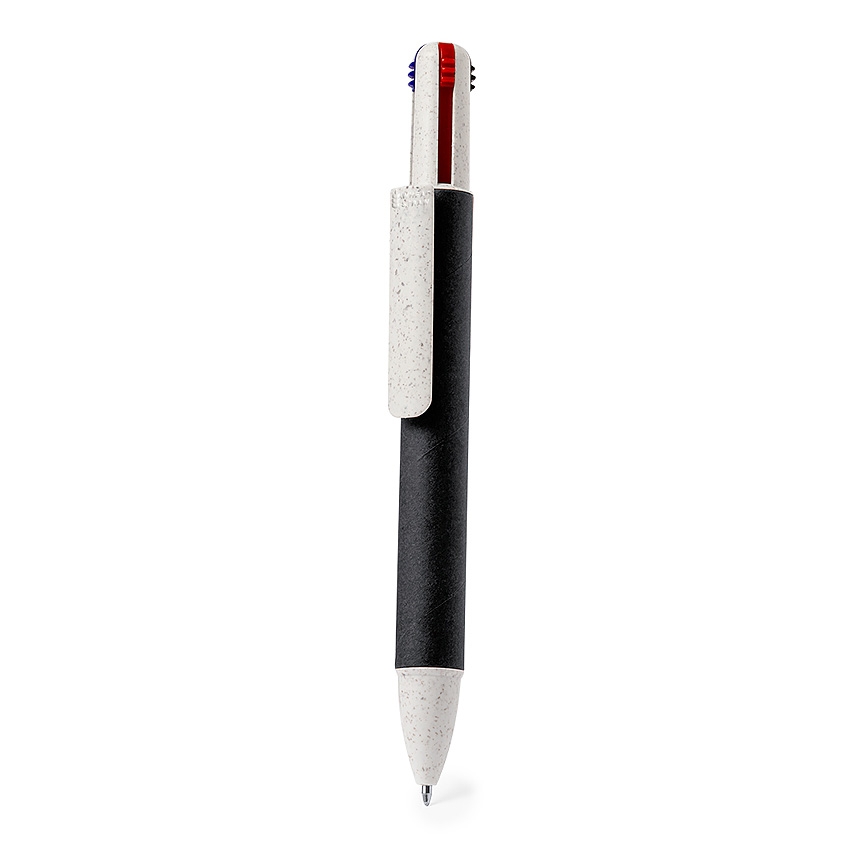
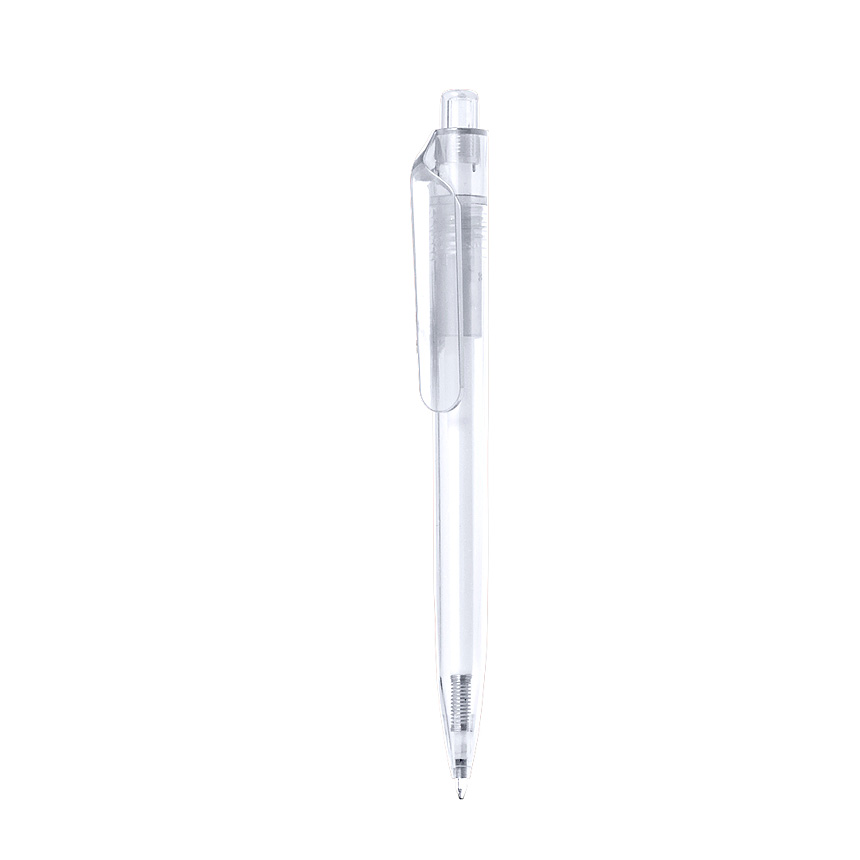
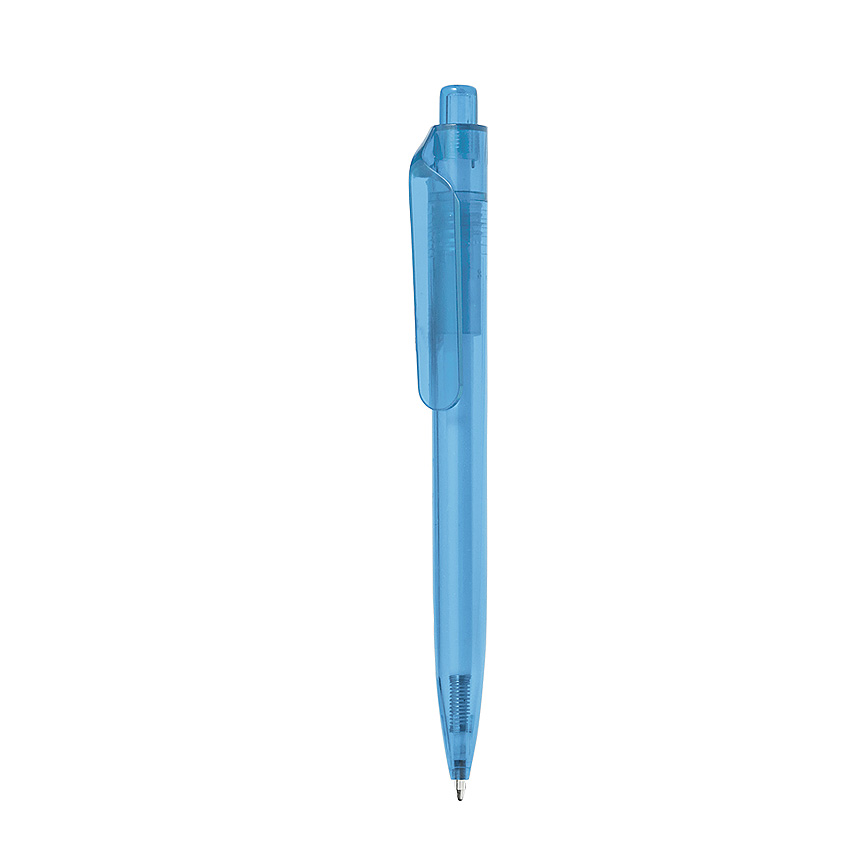
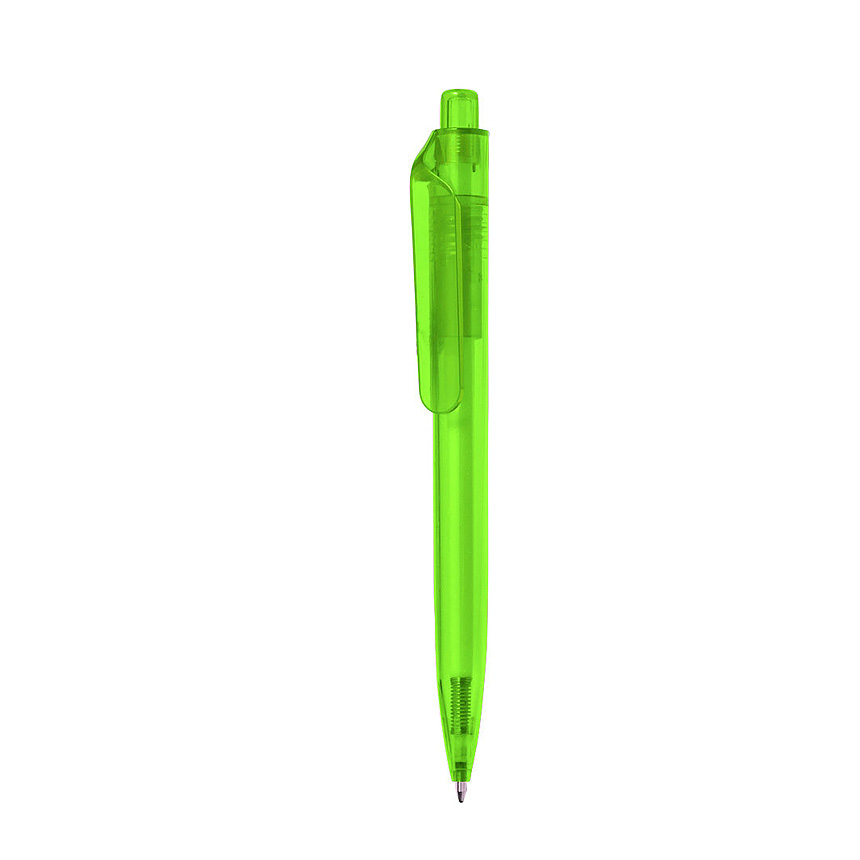
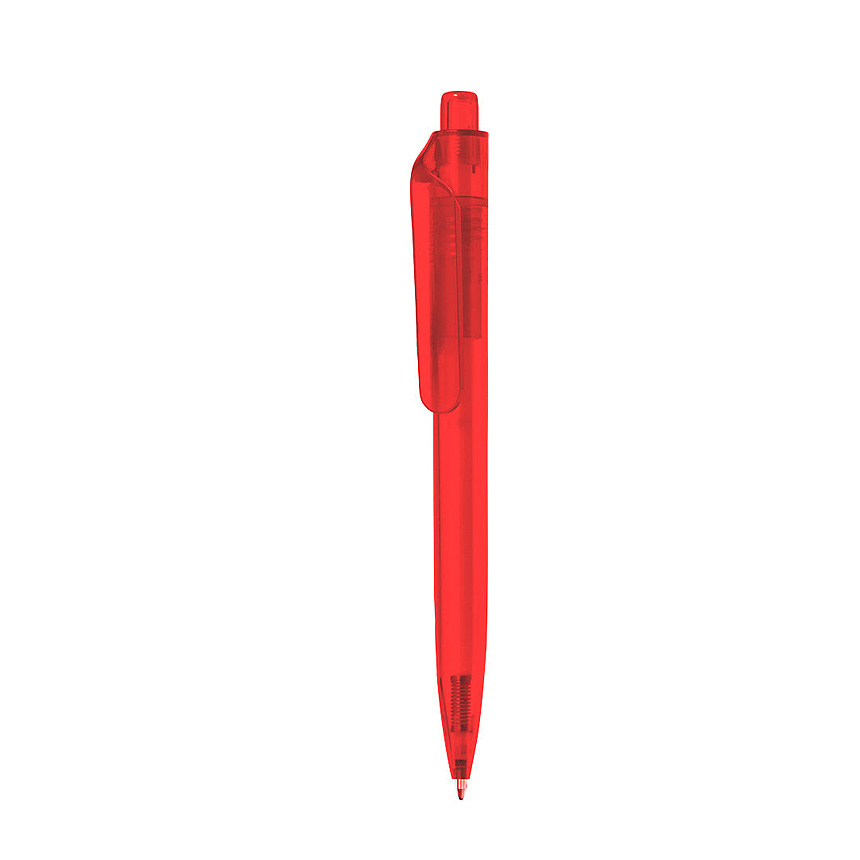
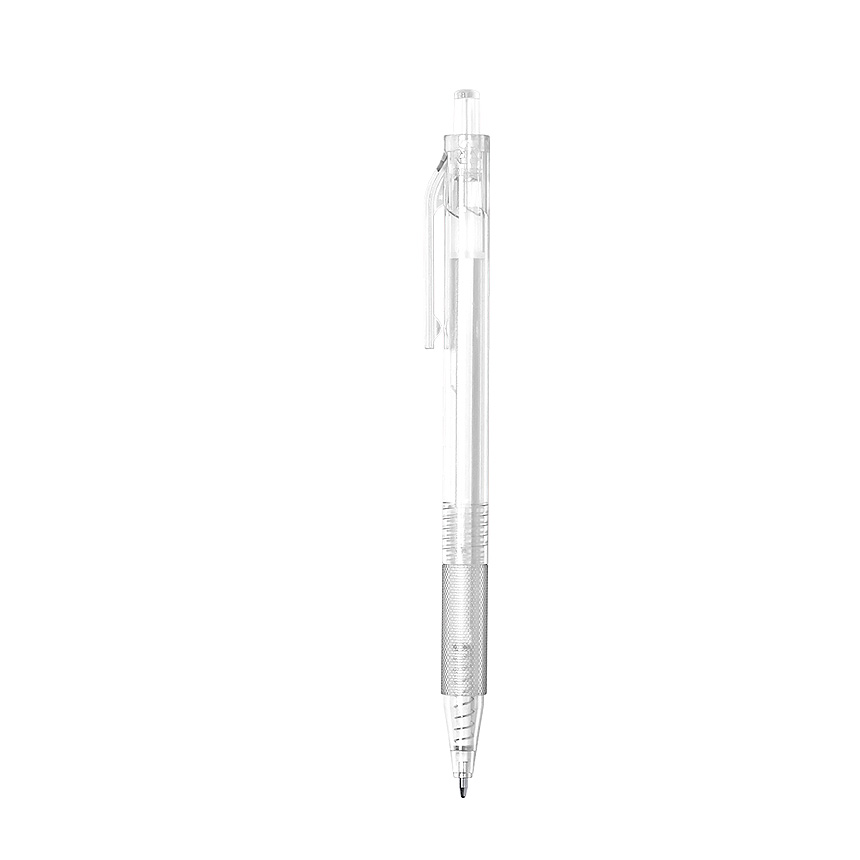
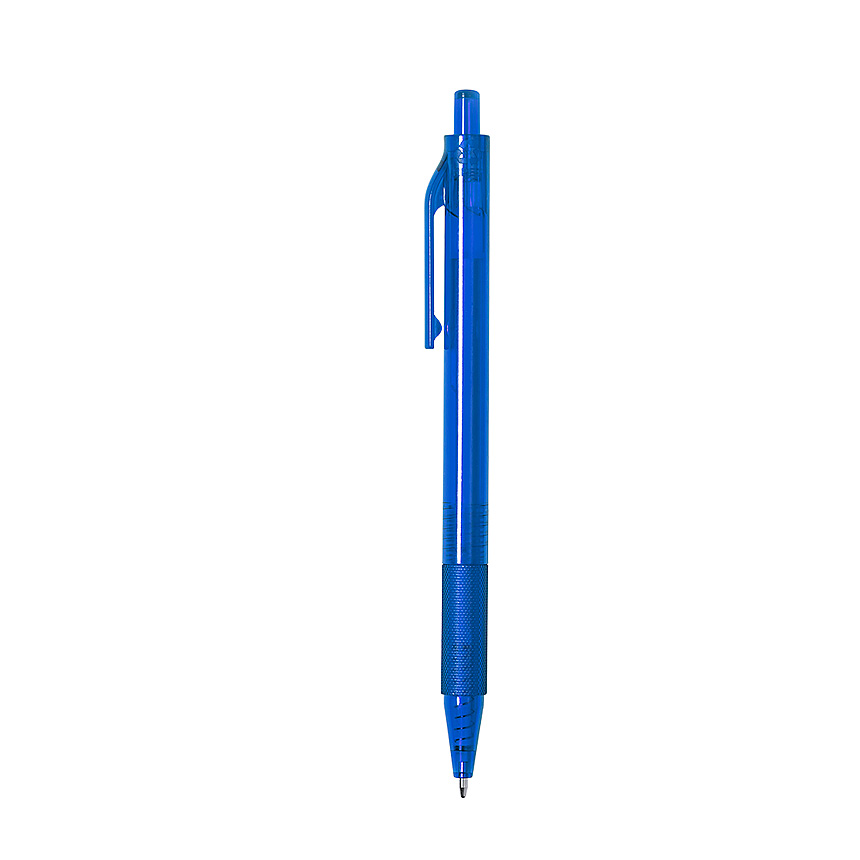
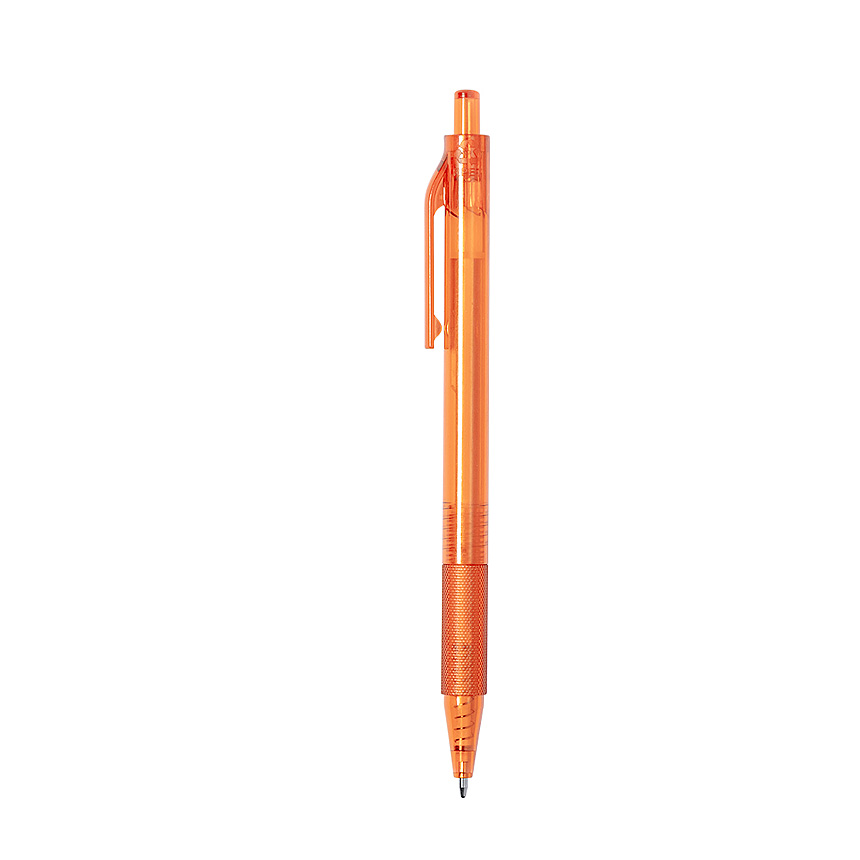
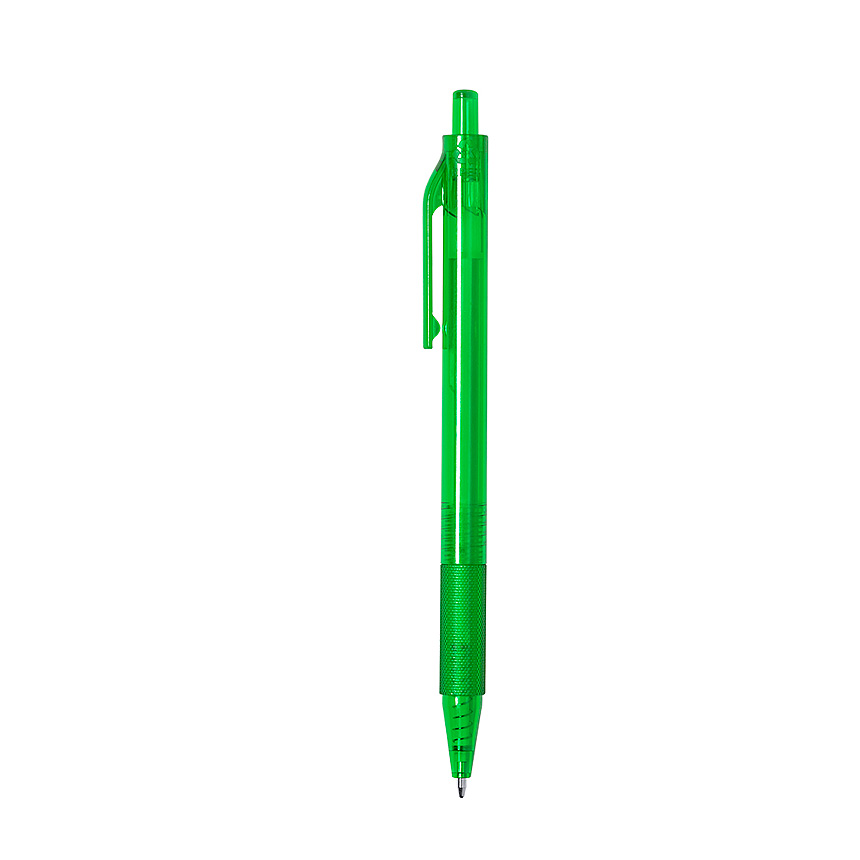
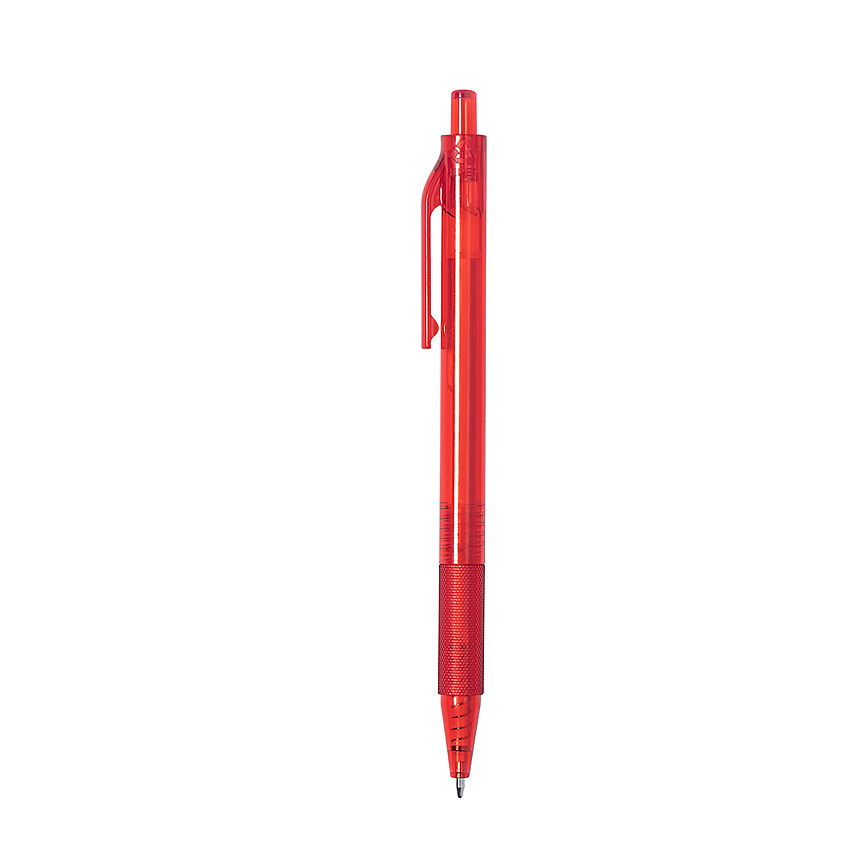
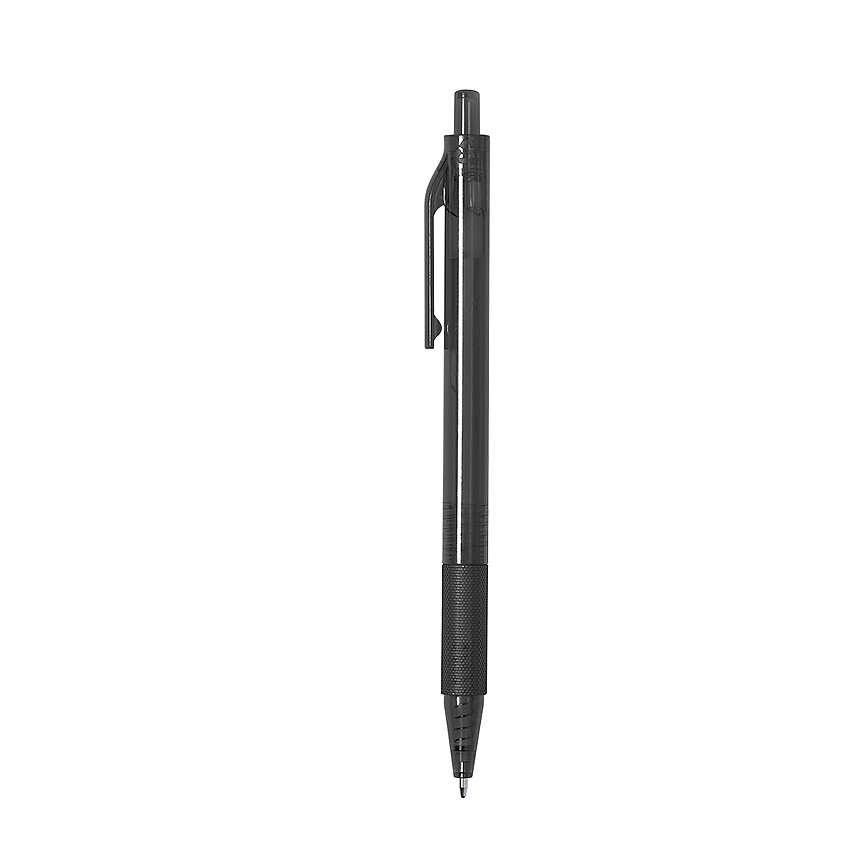
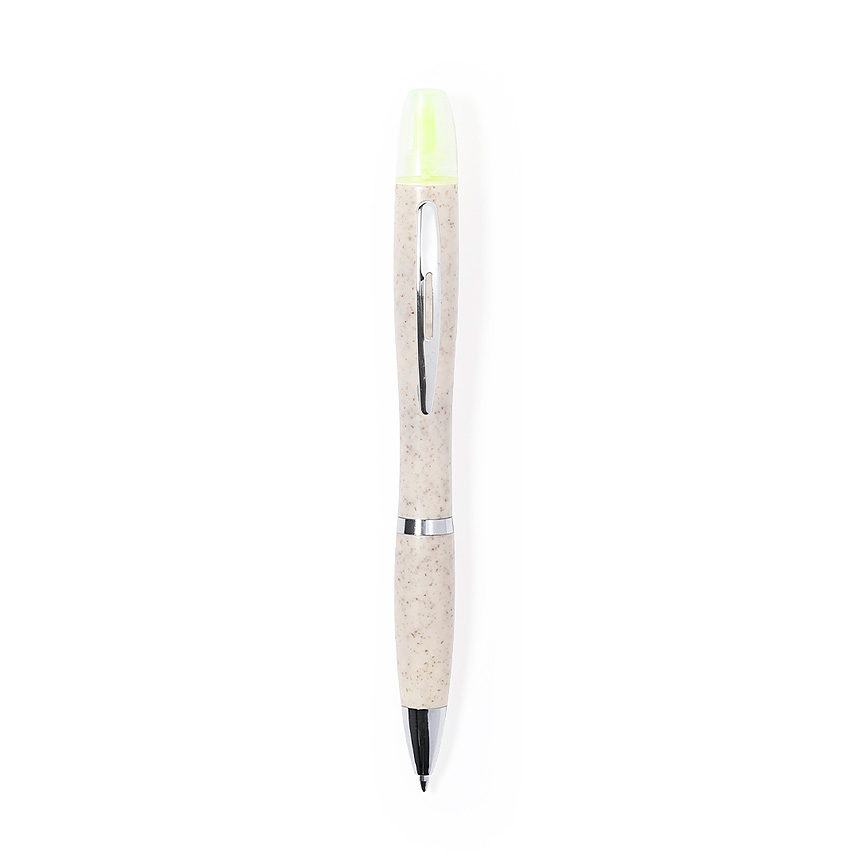
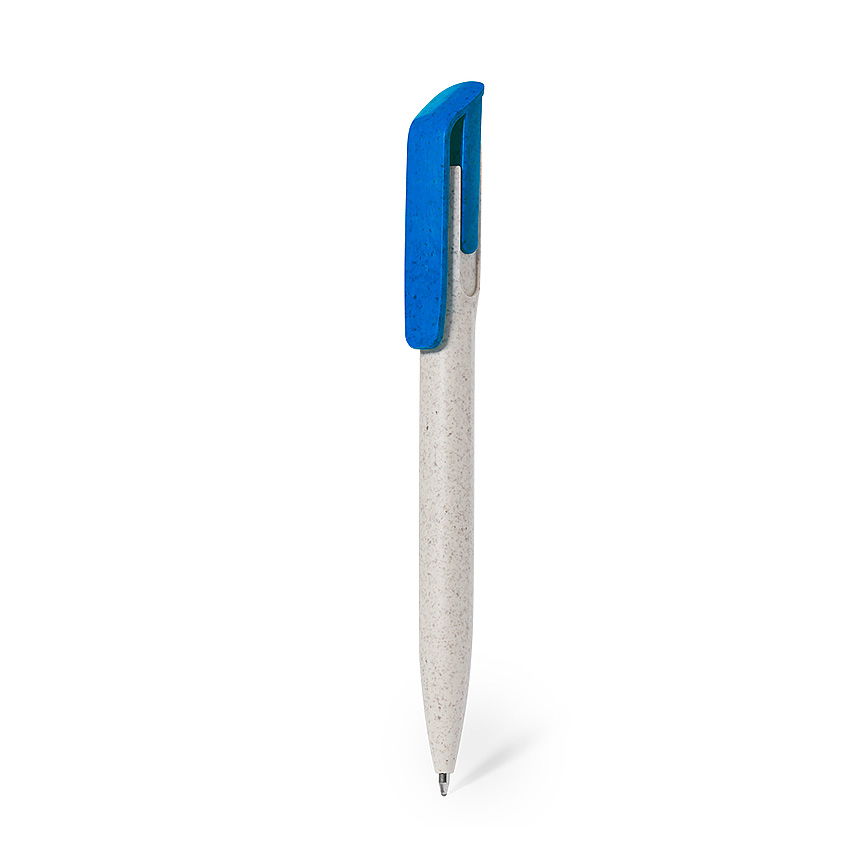
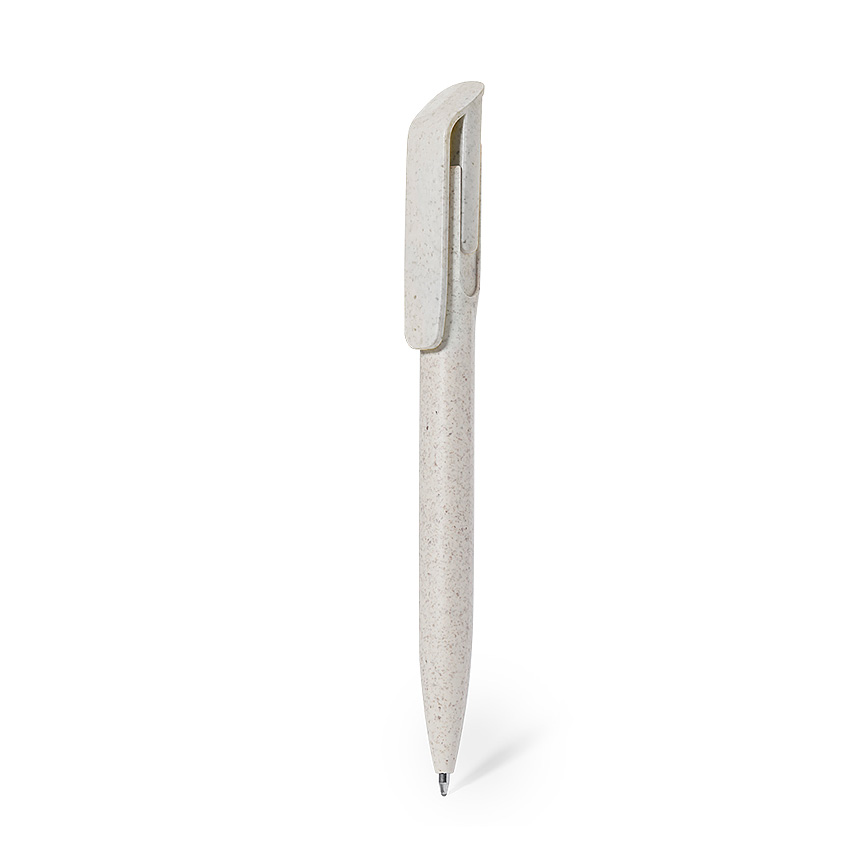
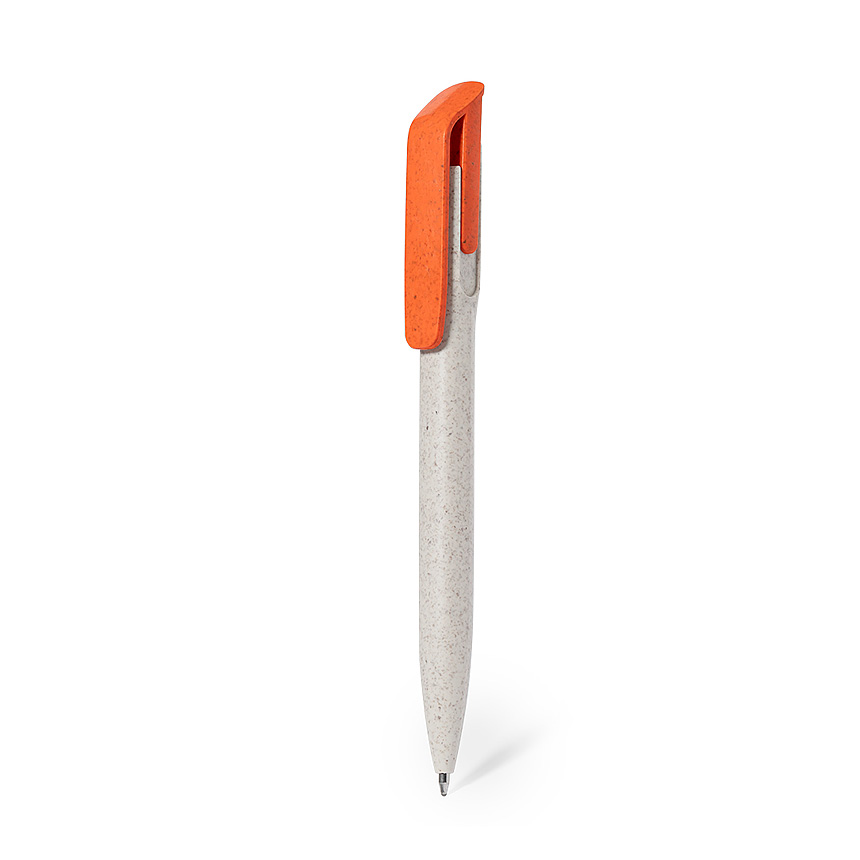
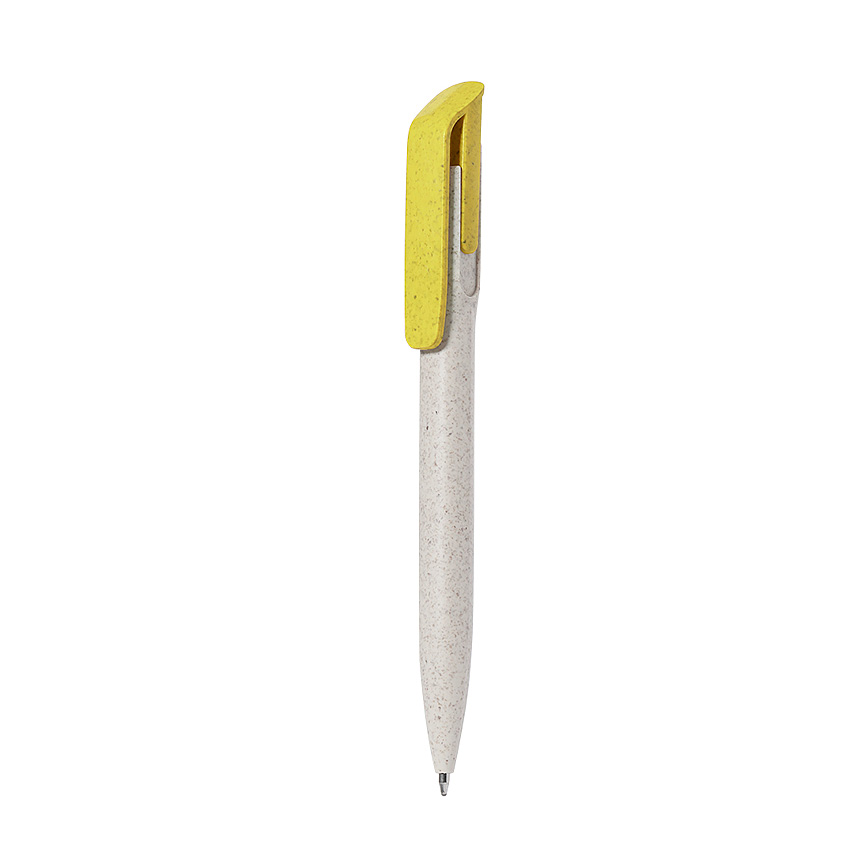
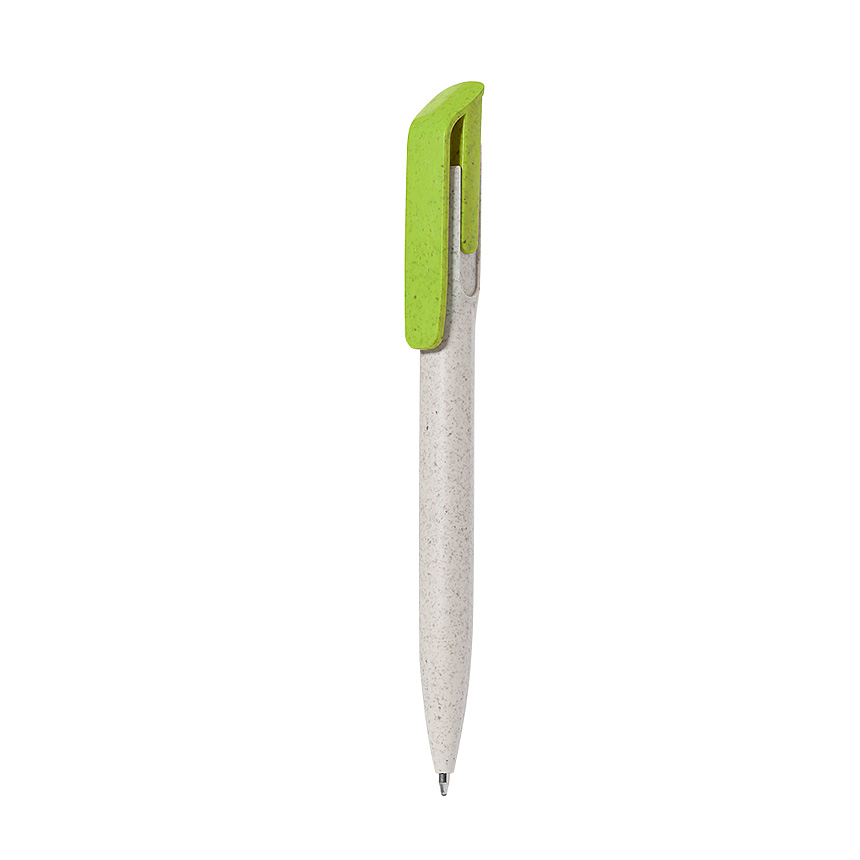
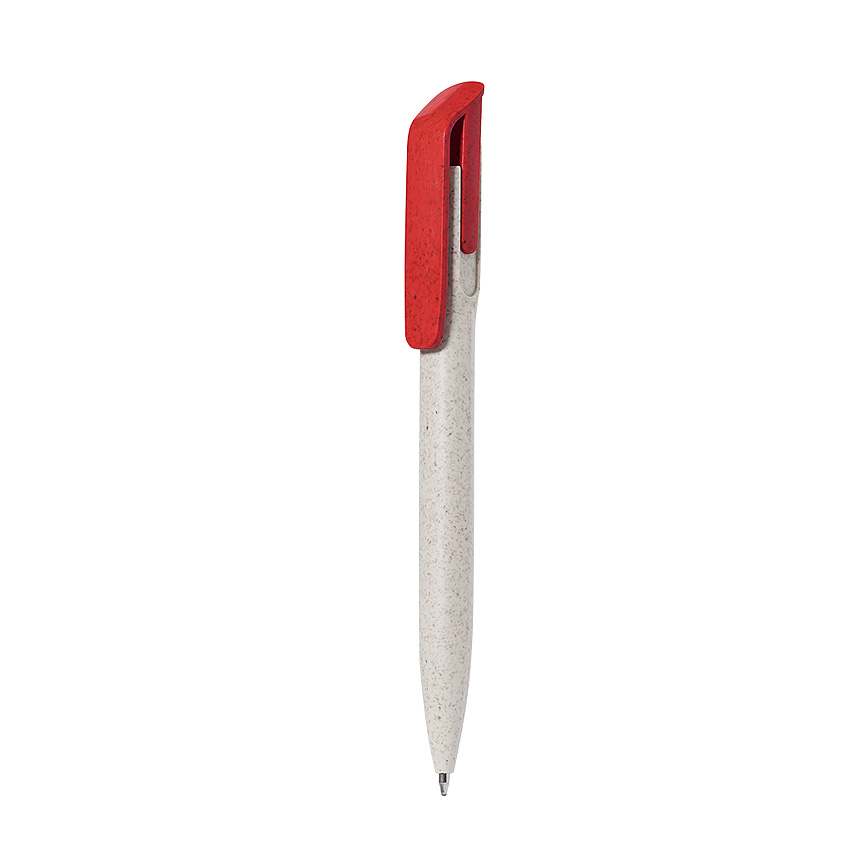
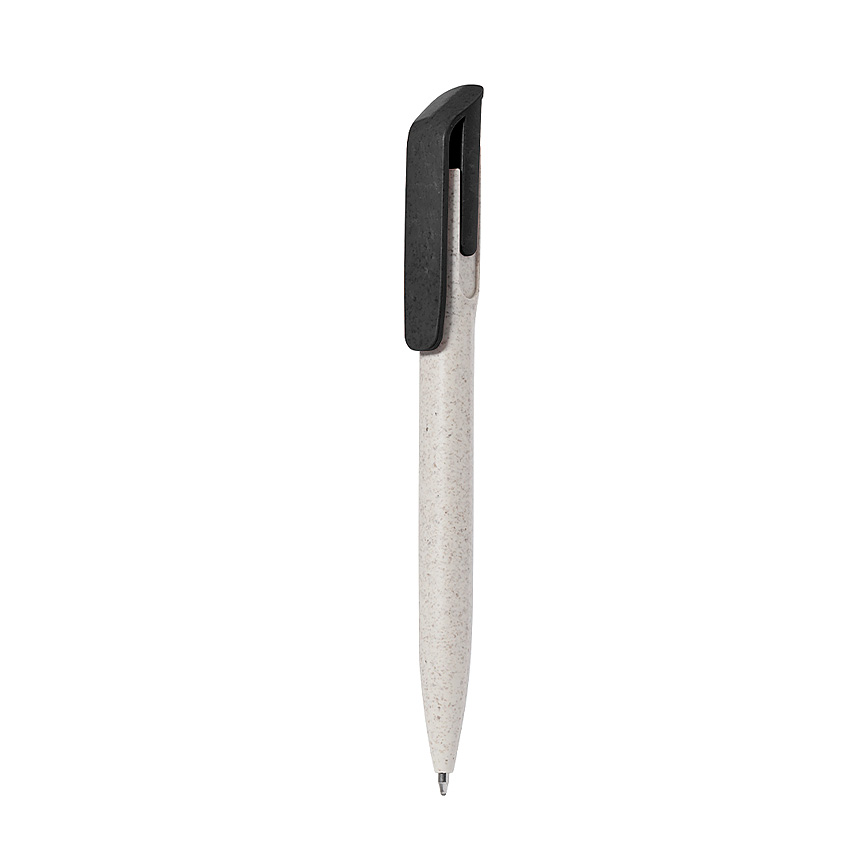
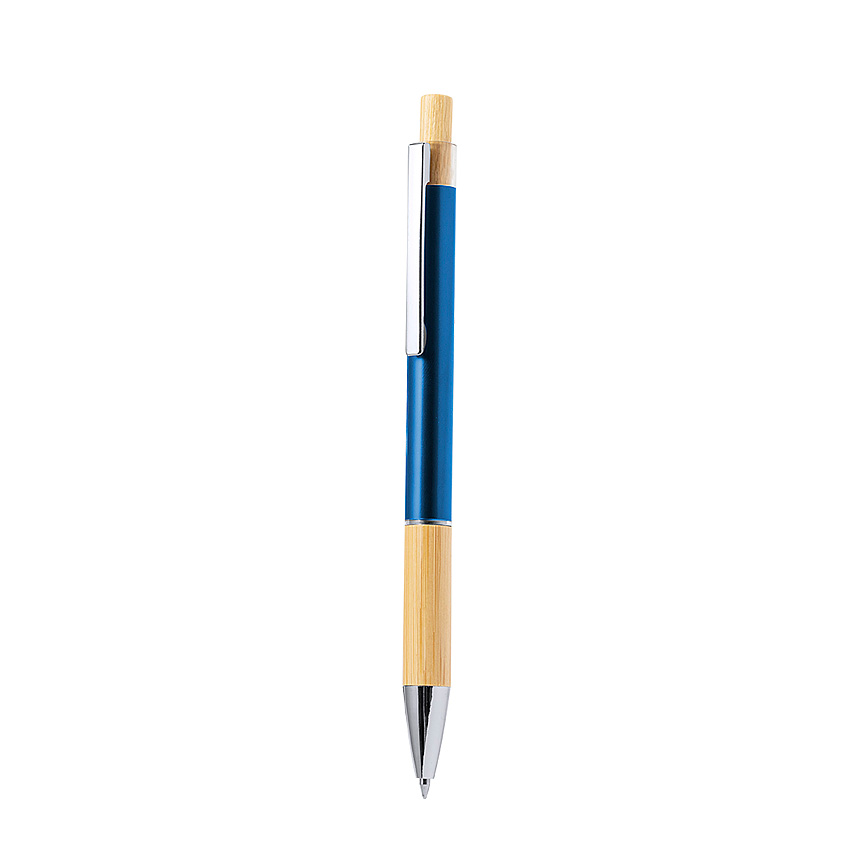
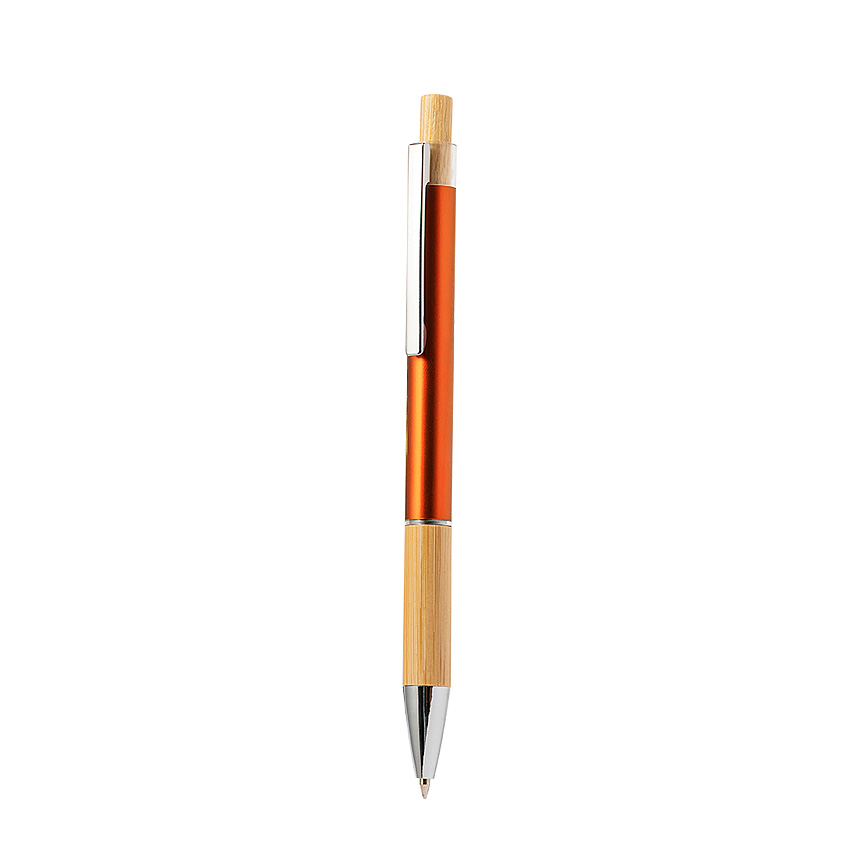
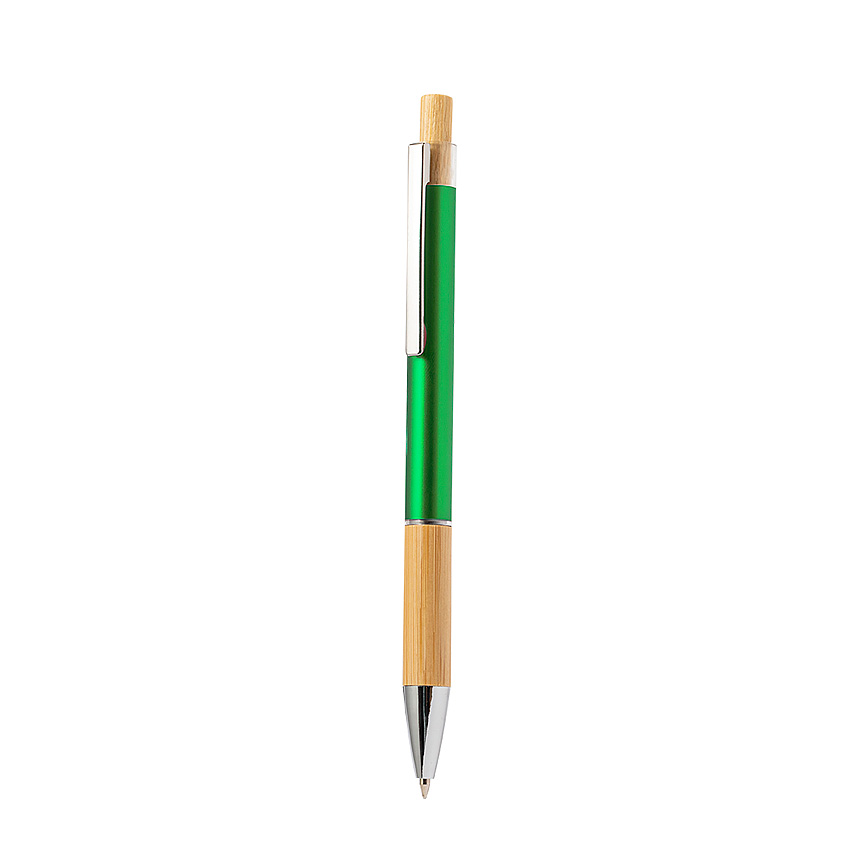
rPET (recycled PET bottles) — for backpacks, bags, umbrellas and textiles. Recycled paper and cardboard (FSC certified) — for calendars, diaries, packaging and pens. Bamboo — for writing instruments, kitchen utensils and cosmetic accessories. Recycled aluminium and stainless steel — for bottles, thermoses and watches. Organic cotton (GOTS certified) — for textiles. Cork — for coasters, keyrings and cosmetic pouches. Wheat straw and coffee grounds — for pens and mugs. PLA bioplastic (corn-based) — for pens and cutlery. Recycled ocean plastic (Ocean Plastic) — for power banks and headphones. Recycled polyester (rPES) — for functional clothing. Each material has different properties, environmental footprint and price tier — the specific application is key when making a choice.
How do you tell a genuinely eco-friendly promotional product from greenwashing?
The key is certification and transparency. Look for verified certificates: FSC (forestry), GOTS (organic cotton), GRS (recycled content), Cradle to Cradle (circular economy), EU Ecolabel (broad scope), B Corp (company-wide). Ask your supplier for the specific percentage of recycled content (not just 'contains recycled material' — that phrase means nothing on its own), the country and conditions of production (an 'eco' product manufactured far away may have a worse overall footprint than a non-certified European product due to transport emissions), and the product's end-of-life story (is it biodegradable, recyclable?). Promo Direct lists all eco products with specific certificates and states the exact percentage of recycled content in every product description. If you see only 'eco friendly' without any supporting detail, it is almost certainly a marketing trick.
What are the most popular eco-friendly promotional products for corporate use?
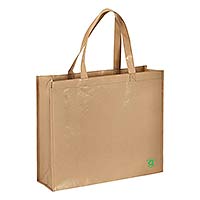
Cotton shopping bags and tote bags made from organic cotton — a sustainable alternative to plastic bags with high daily usability. Stainless steel thermal bottles — an alternative to single-use plastic PET bottles, used by recipients every day. Bamboo ballpoint pens and pencils — elegant and visibly eco-friendly. Recycled notebooks and notepads. Wooden USB drives made from FSC-certified wood. Bamboo power banks for IT companies. Eco T-shirts made from organic cotton for corporate events. Glasses made from recycled glass. rPET umbrellas for outdoor use. Coffee mugs made from bamboo fibre. For companies with an ESG strategy, we recommend gift sets combining multiple eco materials (a bamboo diary + bamboo pen + organic cotton tote bag in gift packaging) — a coherent, unified eco brief.
For which types of companies are eco-friendly promotional products essential?
Eco-friendly promotional products are essential for: companies with ESG reporting obligations (mandatory under the CSRD directive for organisations with 250+ employees), green technology companies (solar energy, e-mobility, recycling), healthcare and wellness brands (values of cleanliness and care), organic and natural food producers, energy and construction companies focused on passive buildings, educational institutions and universities (sustainability education), and non-profit organisations active in the environmental sector. For these industries, a mismatch in promotional merchandise — an eco-focused company handing out plastic giveaways — represents a serious reputational risk. At Promo Direct we practise what we preach: photovoltaic panels installed in 2024, an electric company vehicle since 2021, and full waste sorting throughout our operations — which is why we understand eco merchandise from practical experience, not just in theory.
 English - EUR
 Deutsch - EUR
 Slovensky - EUR
 Česky - CZK