What is custom promotional product manufacturing and when should you choose it?
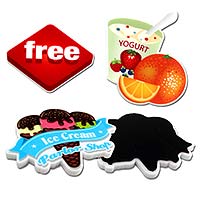
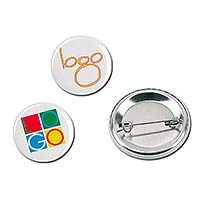
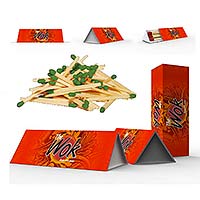
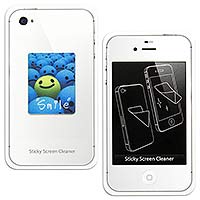
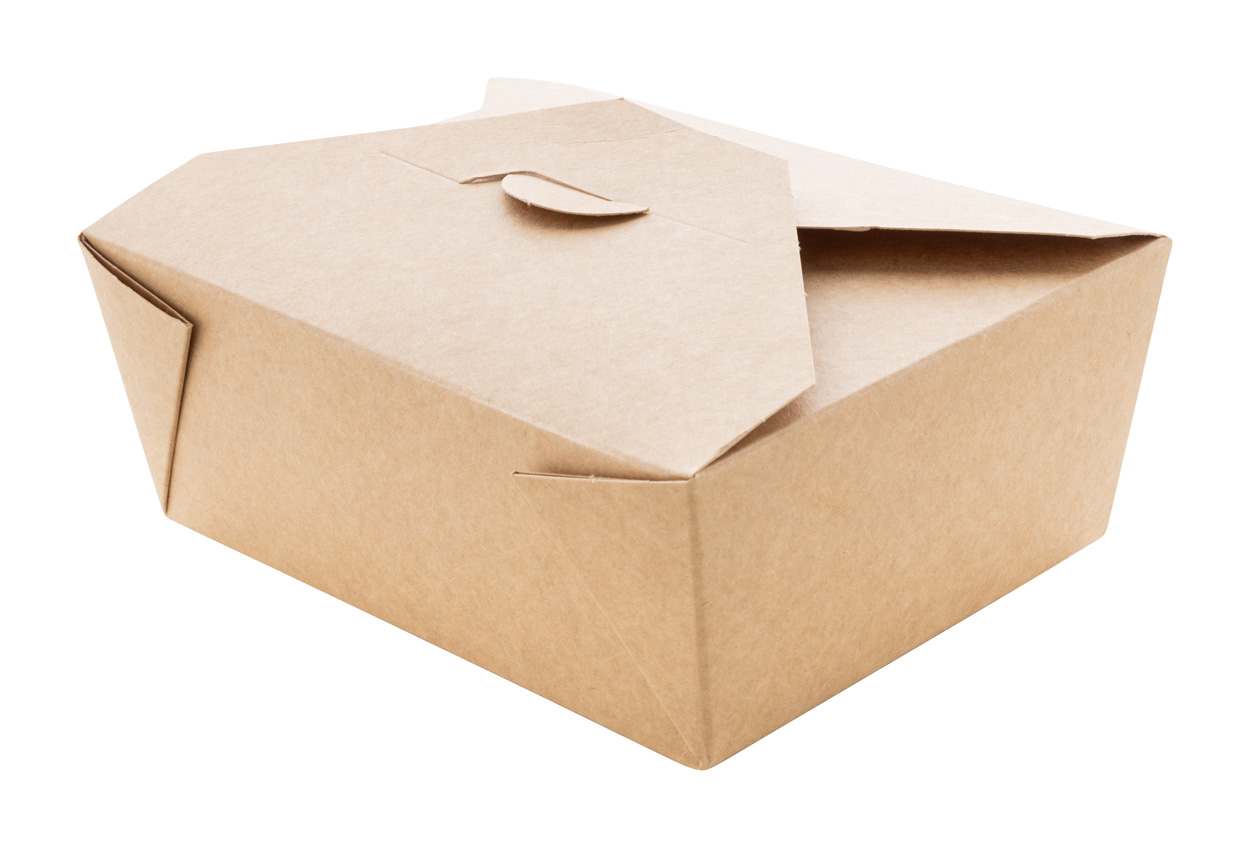
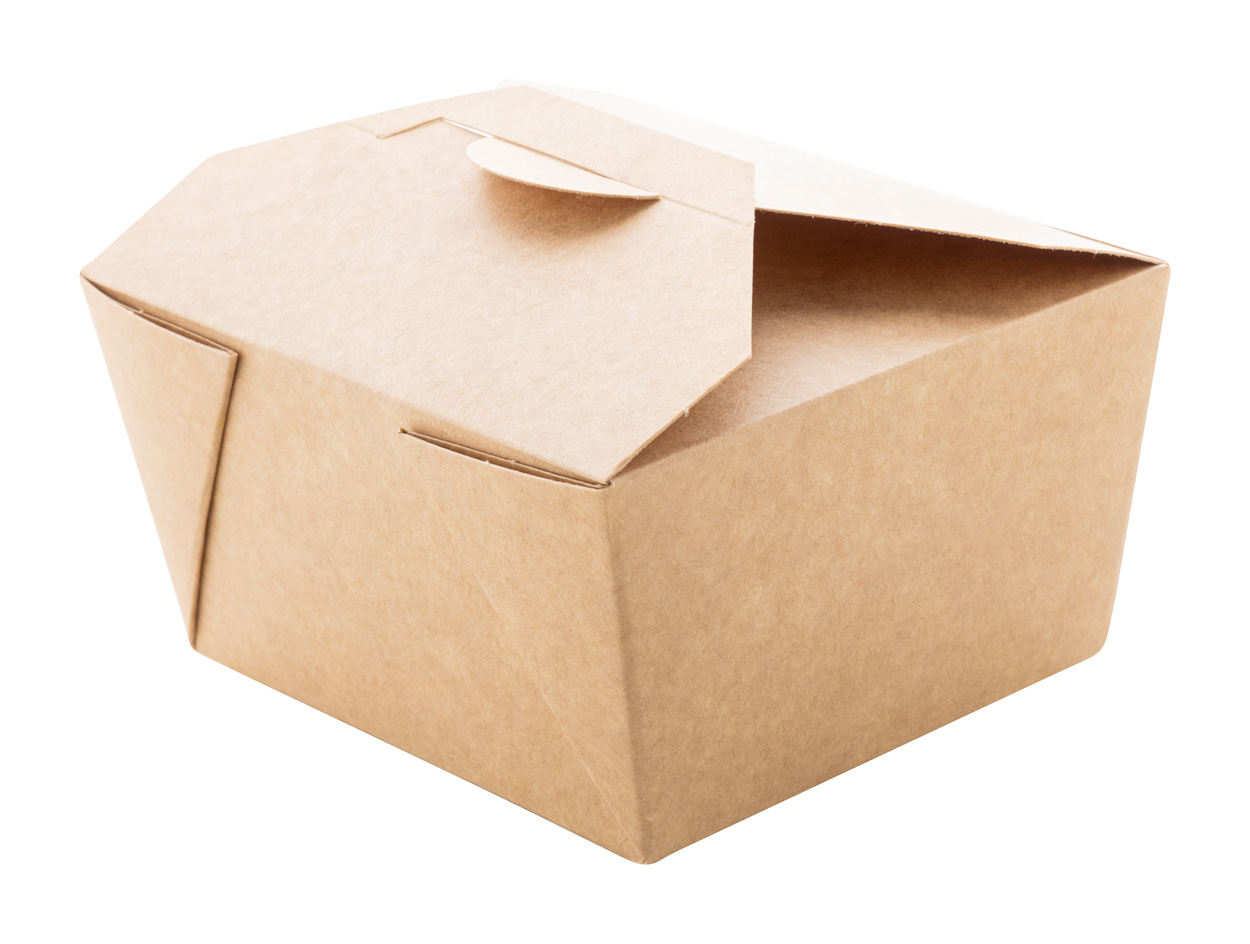
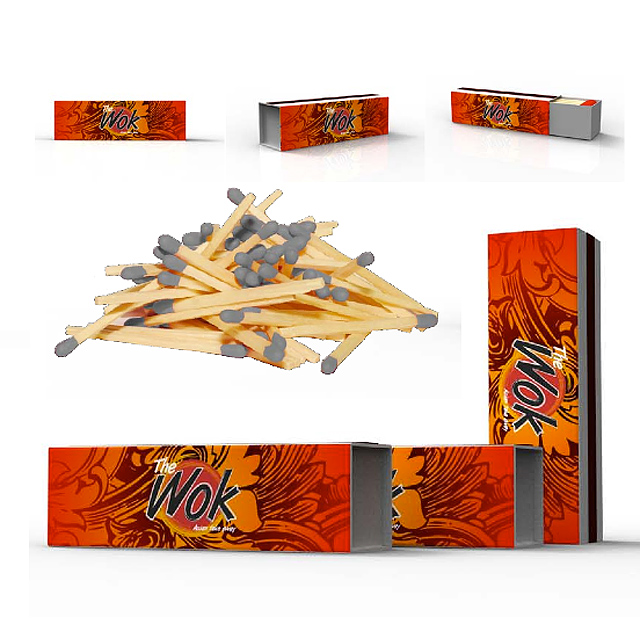
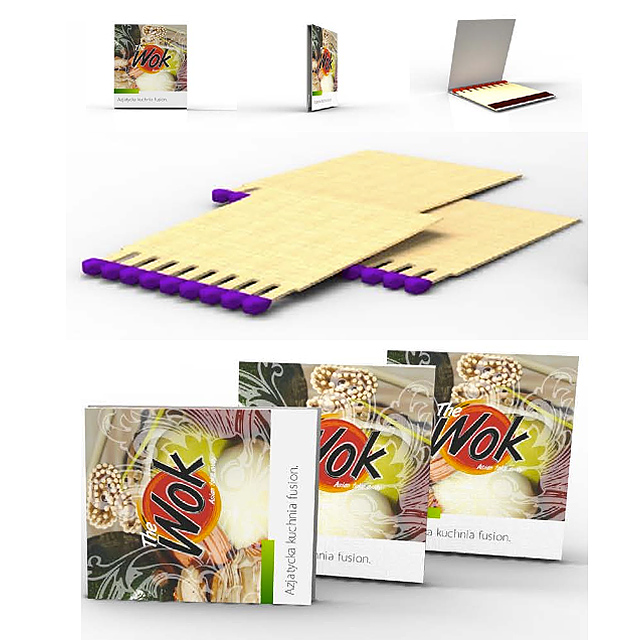
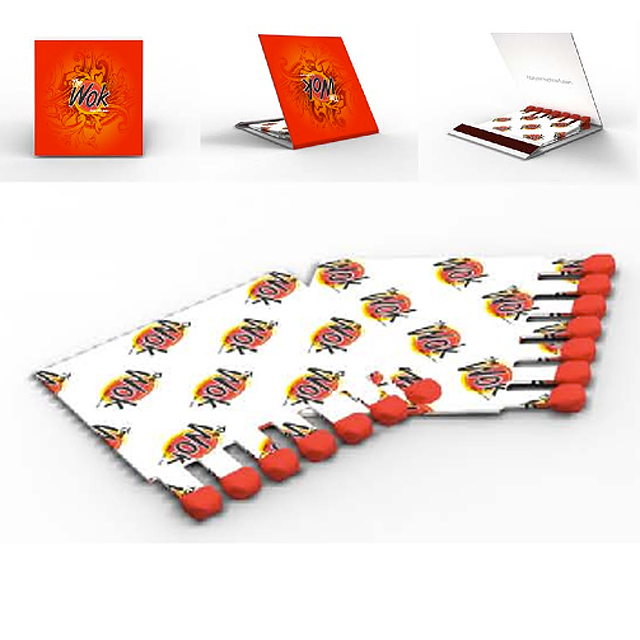
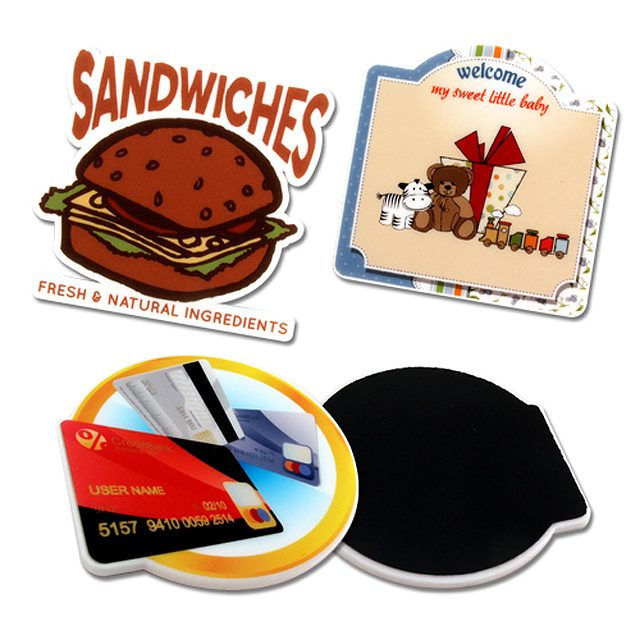
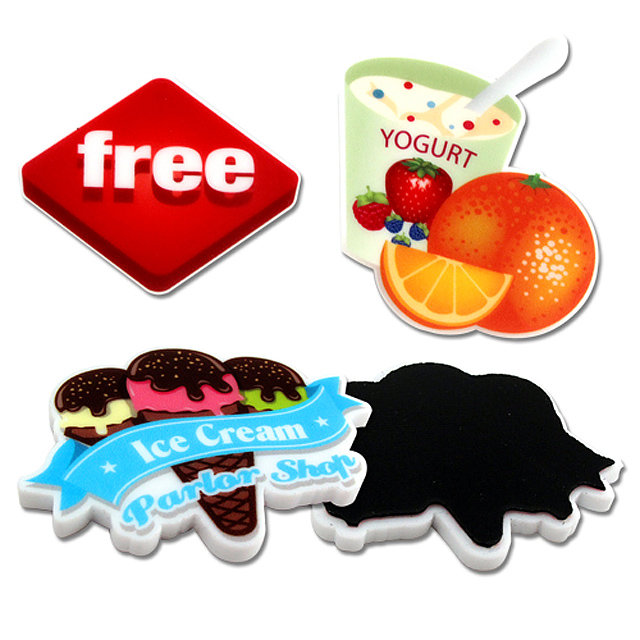
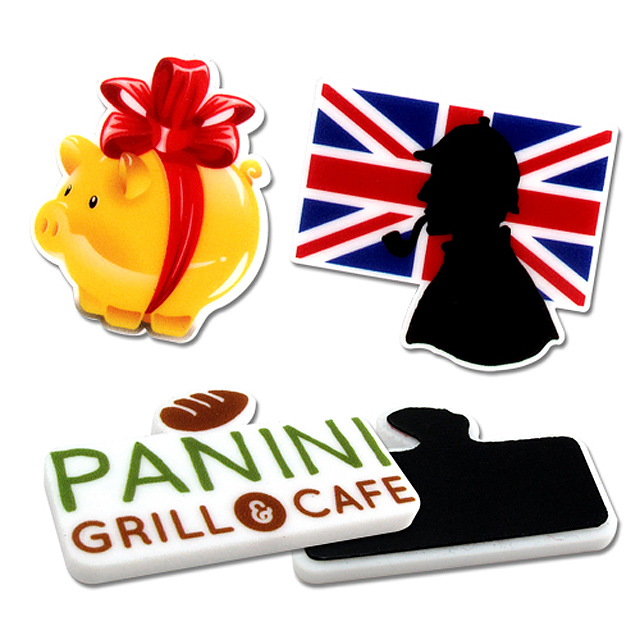
Custom manufacturing means creating a product from scratch based on your design — not just printing on an off-the-shelf item, but developing the design, materials, shape and functionality exclusively for you. Choose it when: you are looking for a unique corporate gift that no competitor can replicate; you need a specific shape or size (a 3D model of your company's product, a miniature production line, a replica of a historic building); you want fully bespoke packaging from the ground up (structure, material, opening mechanism); or you are planning a campaign around a specific theme (company anniversary, merger, product launch). The minimum order quantity for custom manufacturing is typically 200–500 pieces, with a lead time of 8–16 weeks. The cost is higher — roughly 2–5x compared to catalogue items — but the result is one-of-a-kind and leaves a lasting impression on the recipient.
How does the custom manufacturing process work, step by step?
The process has five stages. 1) Consultation and brief — tell us your goal, target audience, budget, deadline and inspiration (existing products you like). 2) Design and 3D visualisation — our design studio creates 2–3 concepts to choose from (1–2 weeks from the brief). 3) Approval and prototype production — a physical sample for sign-off (2–3 weeks after concept selection). The physical prototype is key — you will see the material, weight and feel in hand. 4) Series production — once the prototype is approved, production begins (4–10 weeks depending on volume and complexity). 5) Assembly, packaging and delivery to your specified address. Total time from brief to delivery: 8–16 weeks. We recommend planning with a buffer — for Christmas campaigns start in August, for trade fairs allow 4–5 months lead time.
What materials and technologies can be used for custom manufacturing?
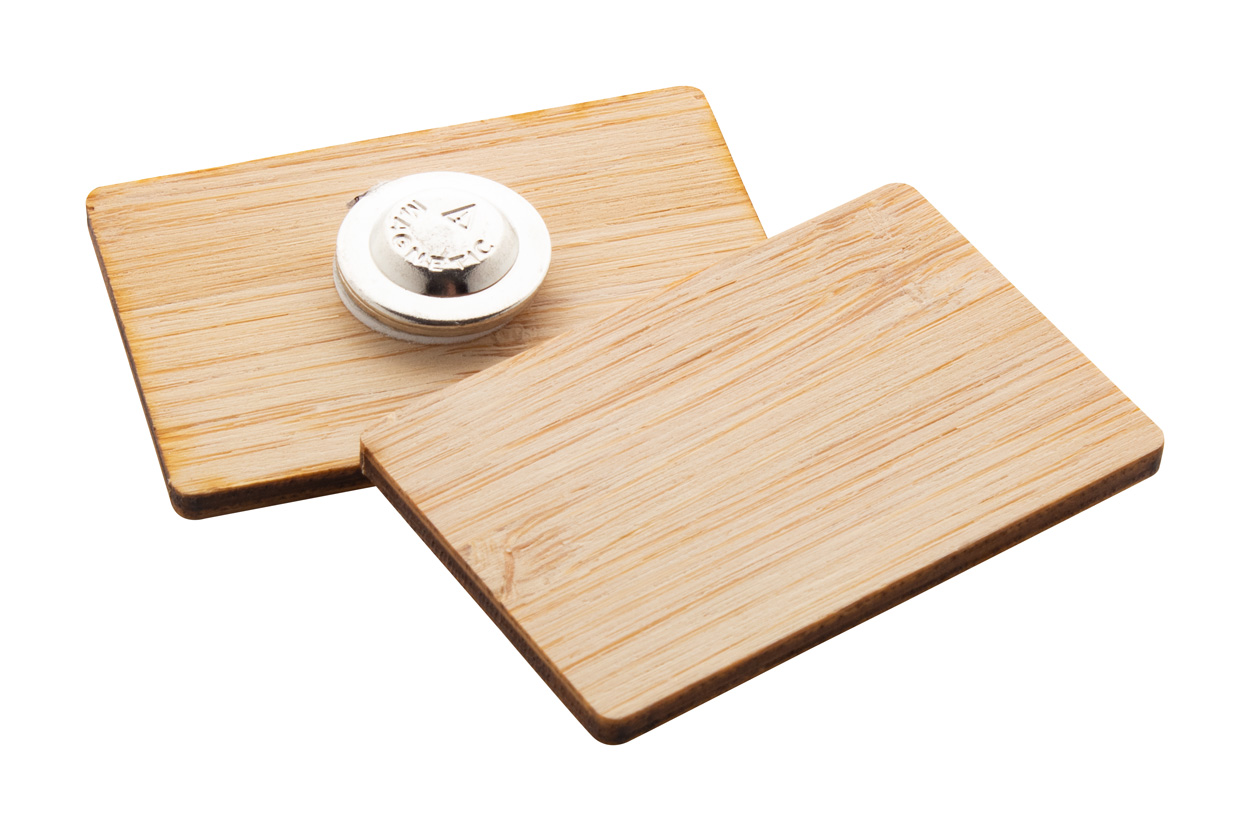
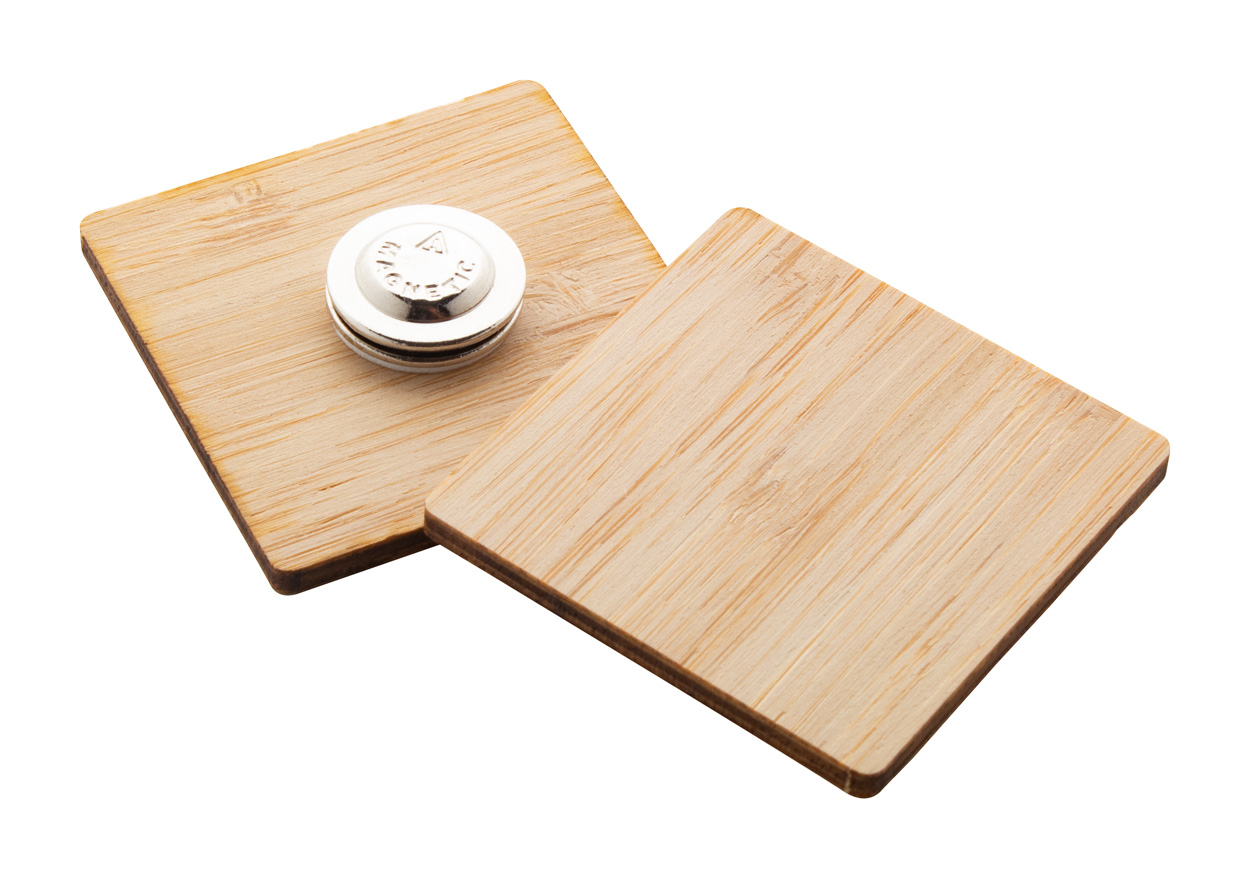
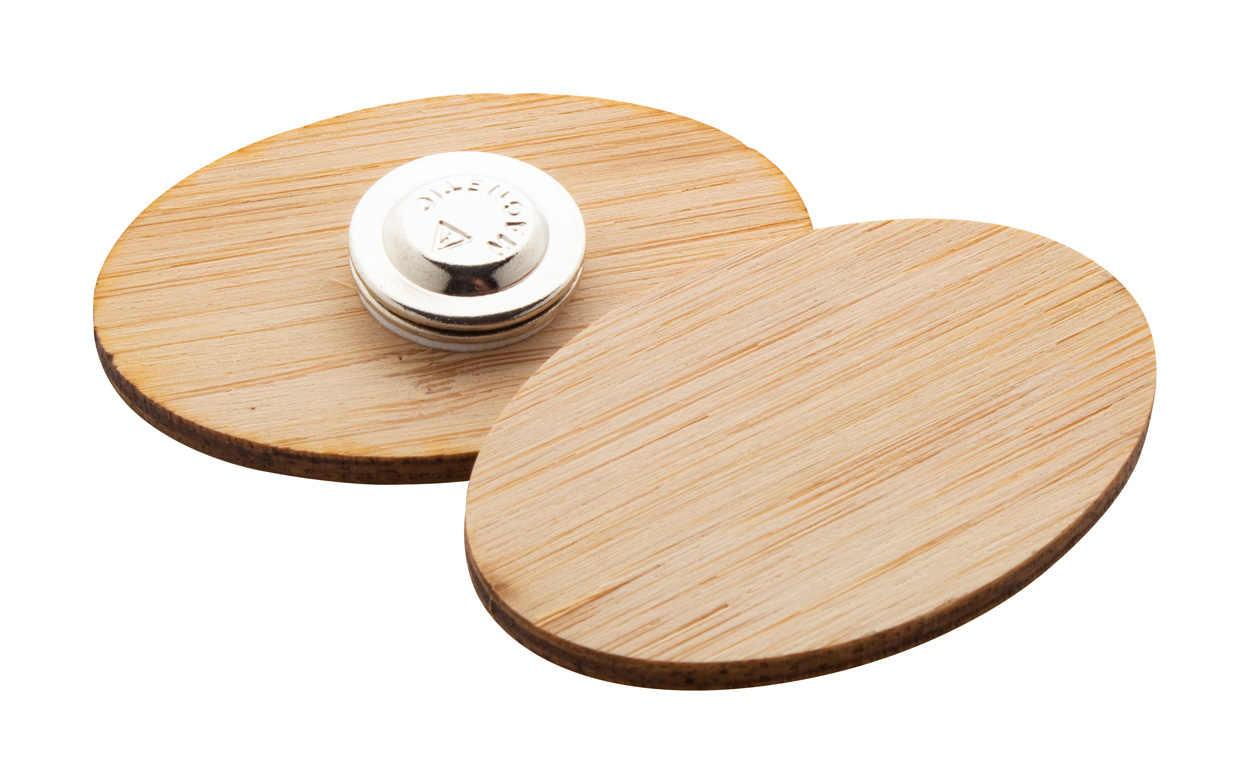
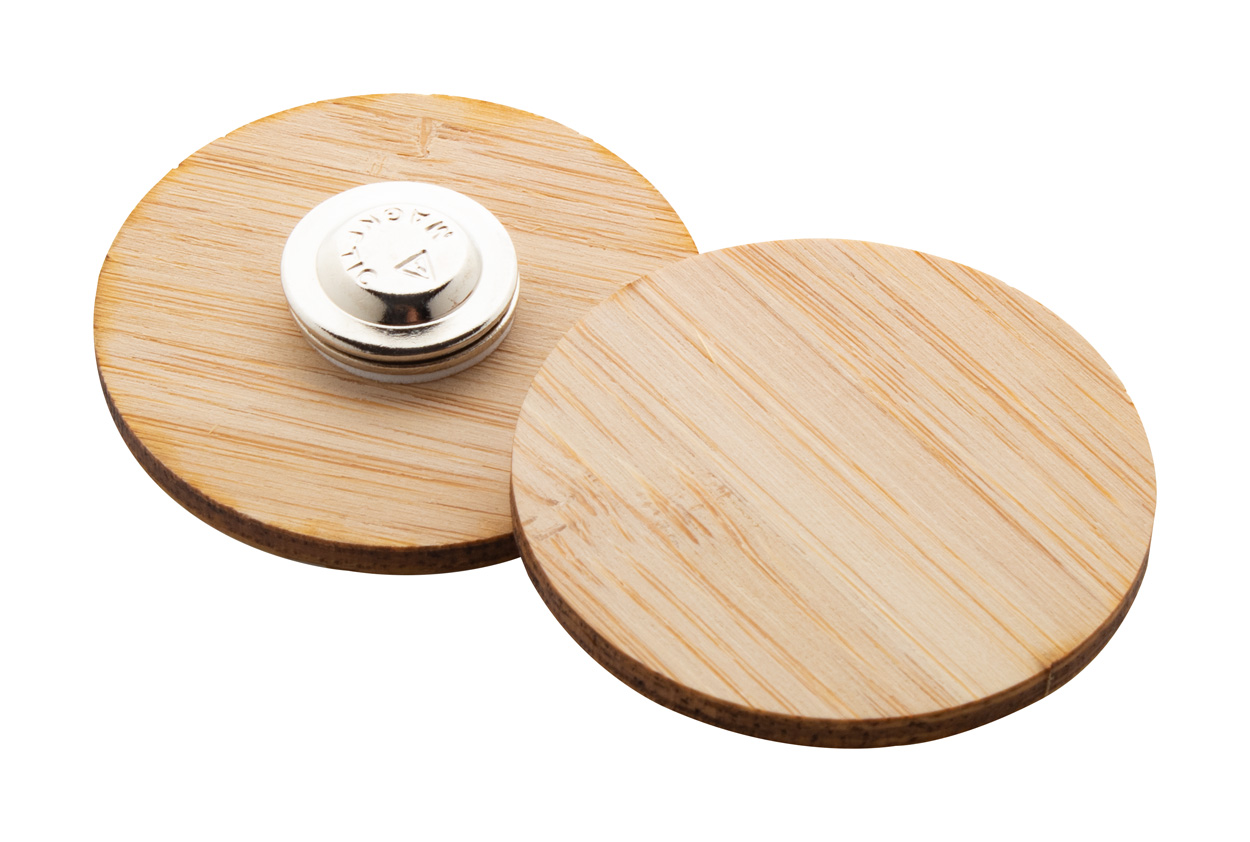
The options are almost unlimited. Metals (brass, steel, aluminium, stainless steel) — casting, CNC milling, engraving. Plastics (PVC, ABS, PP, PET) — injection moulding (requires a mould), 3D printing (no mould needed), vacuum forming. Wood and bamboo — turning, milling, engraving, laser cutting. Glass — blowing, casting, sandblasting, hand milling. Textiles — sewing, embroidery, sublimation printing, hand applique. Paper and cardboard — laminating, offset printing, die-cutting, embossing. For small runs (up to 1,000 units) we recommend 3D printing — fast, flexible and ideal for prototypes and short runs without investment in a mould. For large runs (from 5,000 units), injection moulding with a mould is the most efficient solution. A growing trend is production from recycled materials — ocean plastics, recycled aluminium and FSC-certified wood.
What are the costs and minimum quantities for custom manufacturing?
Costs vary depending on the material and technology used. For small runs (200–1,000 pcs) in plastic or 3D printing, expect entry-level to mid-tier pricing per piece including print. CNC machined or engraved metal items fall into a higher price bracket per piece, while wooden items sit in a mid-range tier. For large runs of 5,000+ pieces, injection moulding significantly reduces the unit cost. Mould preparation is a one-time, non-refundable investment whose price scales with the complexity of the shape. I recommend carefully considering your required quantity — moulds become cost-effective from around 5,000 pieces upward; below that threshold, 3D printing without a mould is typically more economical. I always prepare a comparison of both scenarios — a small run via 3D printing versus a large run with a mould — so you can clearly see the optimum for your budget.
What custom promotional items are produced most often?
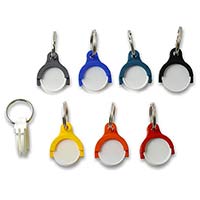
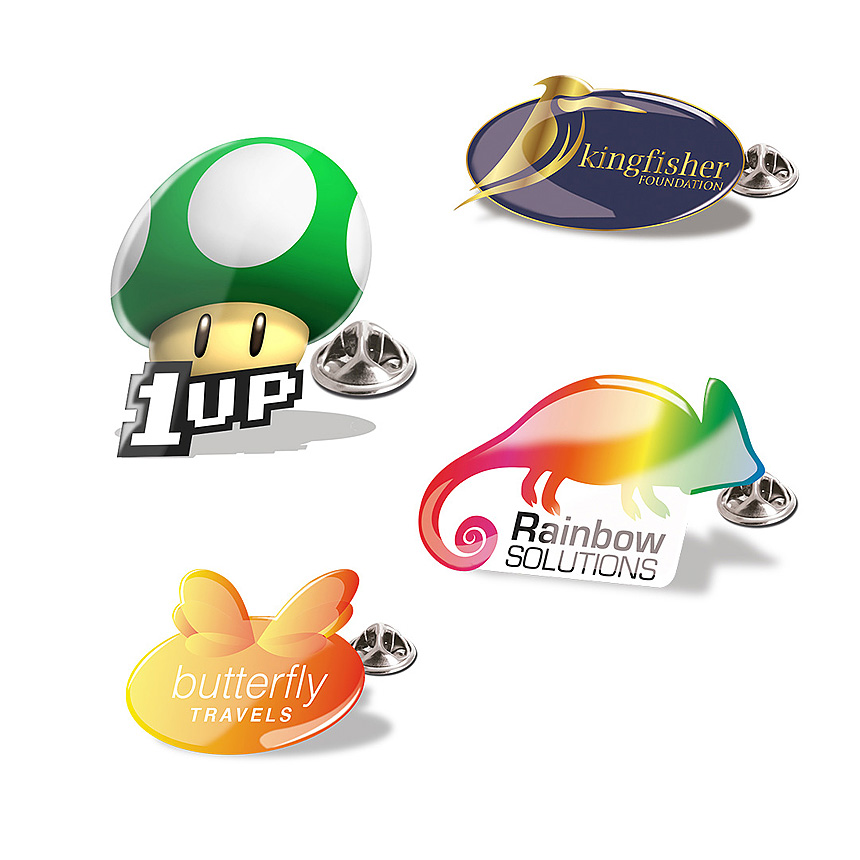
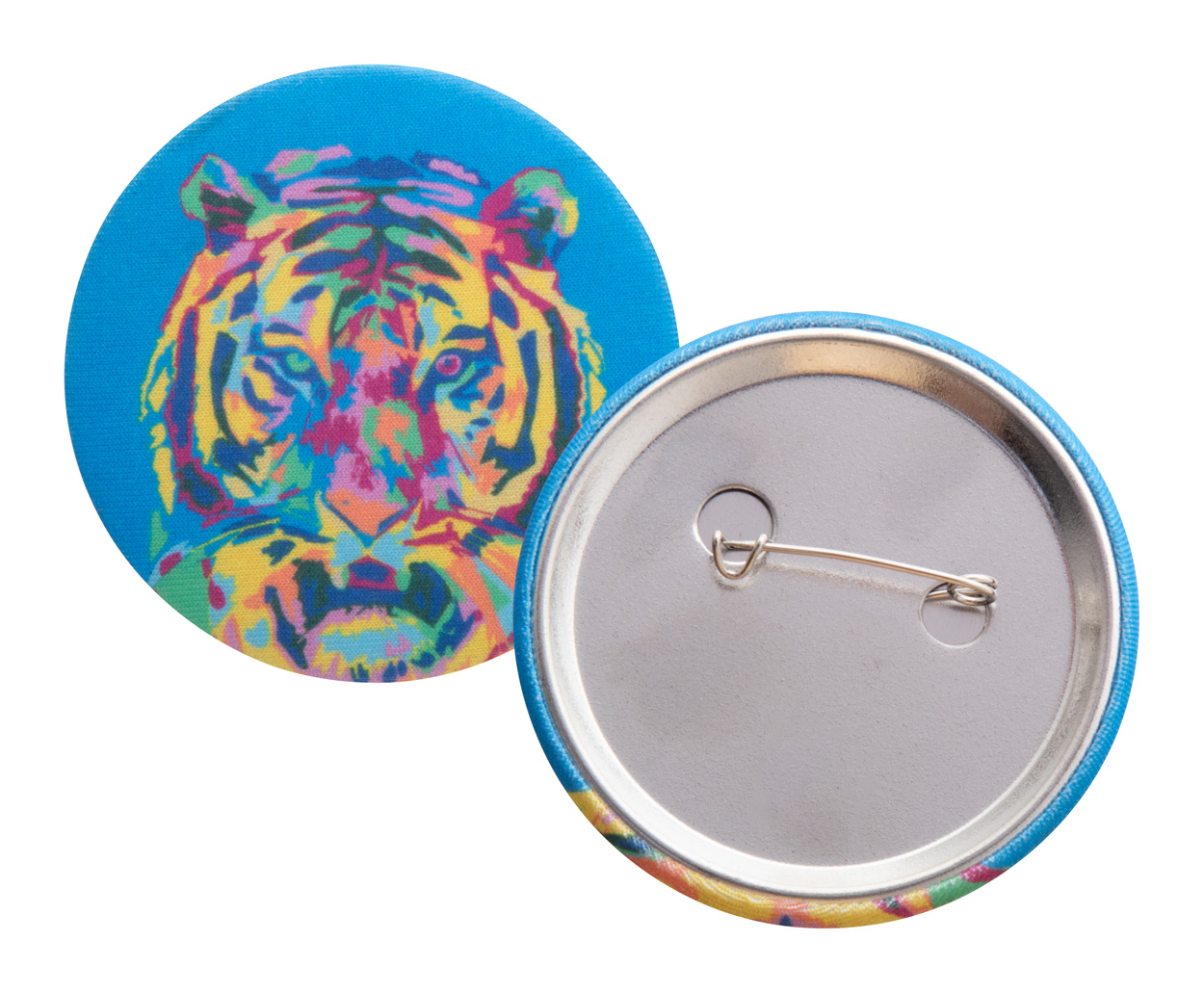
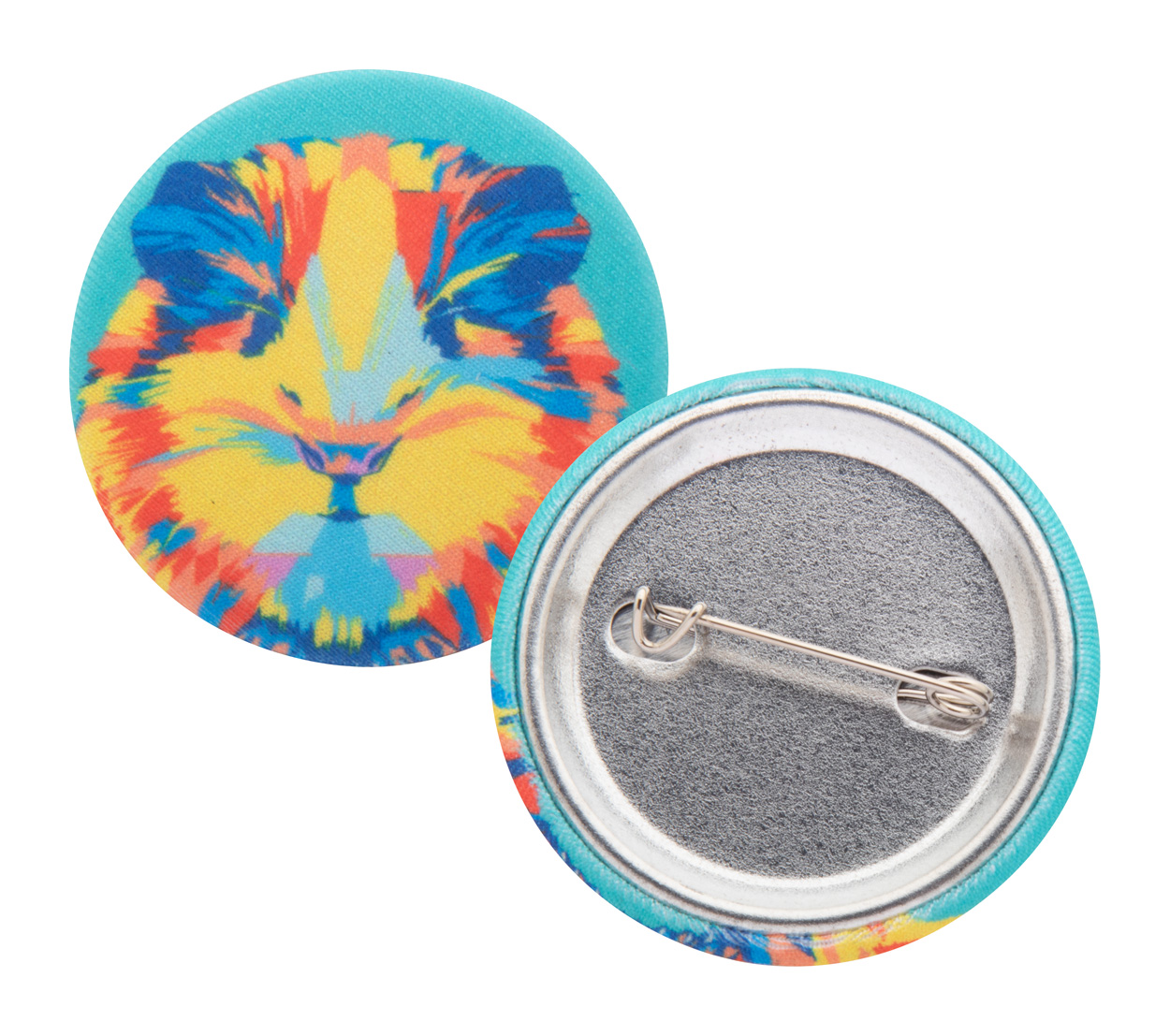
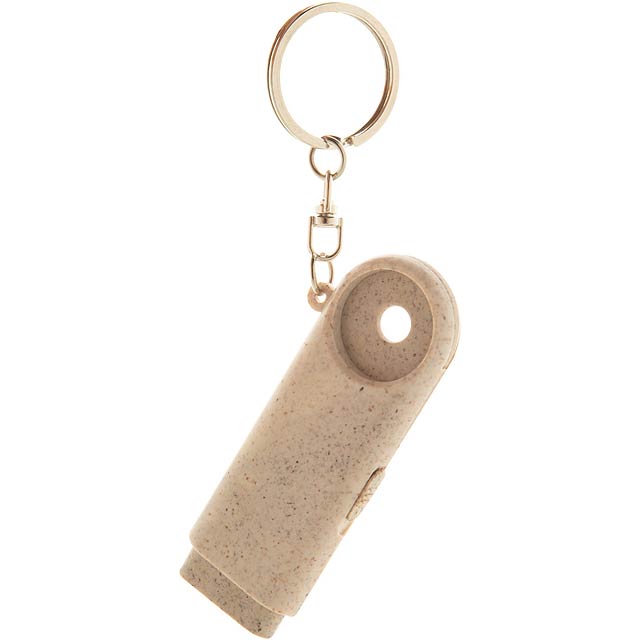
The most common custom orders include: 3D-printed models of a company's own products (miniature production lines, cosmetic products, cars or buildings) used as collectible promotional gifts; unique packaging in wooden boxes with engraved motifs for premium wines and delicacies; metal medals and plaques for company anniversaries, employee recognition or VIP clients; jewellery sets featuring a corporate logo (cufflinks, keyrings in precious metals, brooches); for IT and technology companies — 3D-printed functional devices (mini drones, robotic models, prototypes); for construction companies — miniature building elements (bricks, panels) as keyrings. A growing trend is personalised one-of-a-kind items bearing each recipient's name — CNC technology makes individual customisation feasible even for small production runs.
 English - EUR
 Deutsch - EUR
 Slovensky - EUR
 Česky - CZK