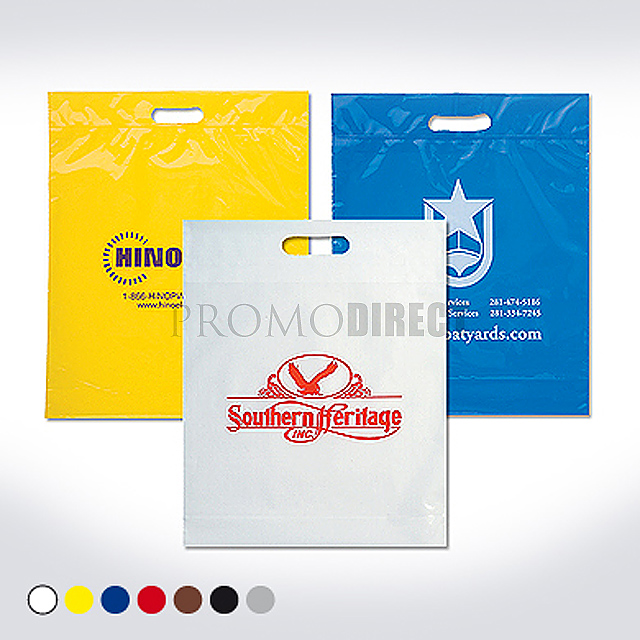
What materials are modern promotional carrier bags made from, and what do the abbreviations LDPE and HDPE stand for?
Plastic carrier bags are classified according to the density of the polyethylene used, which fundamentally affects their appearance and properties. LDPE (low-density polyethylene) bags are soft, smooth and elastic — they do not rustle when moved and convey a more premium feel. They are also resistant to puncturing by sharp box edges. HDPE (high-density polyethylene) bags, by contrast, are thinner, stronger under tension, produce a characteristic rustling sound and represent the most economical option for high-volume distribution. All modern bags in our range meet stringent environmental standards for reusable use.
What types of handles and reinforcements do plastic carrier bags offer for higher load capacity?
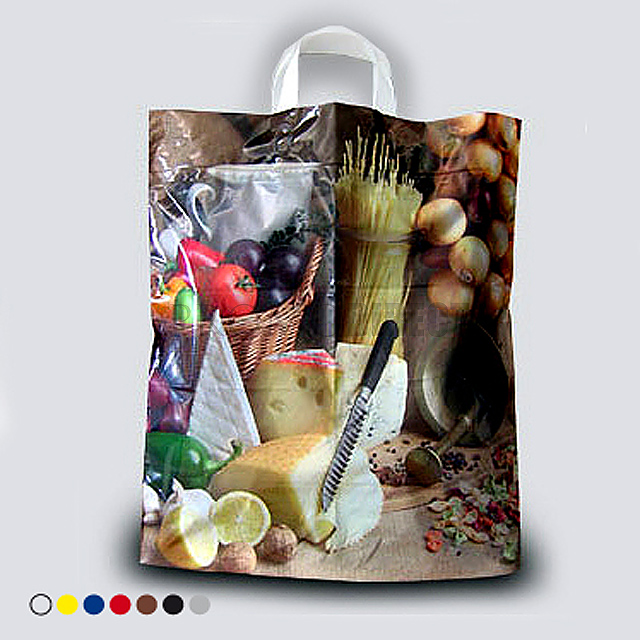
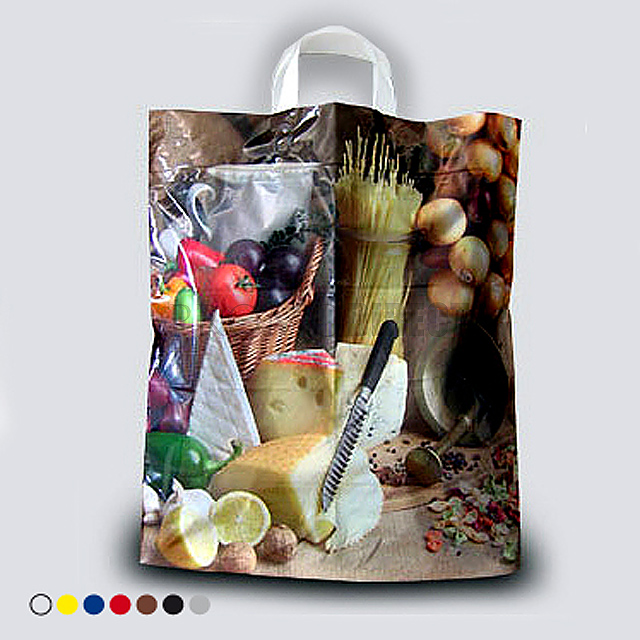
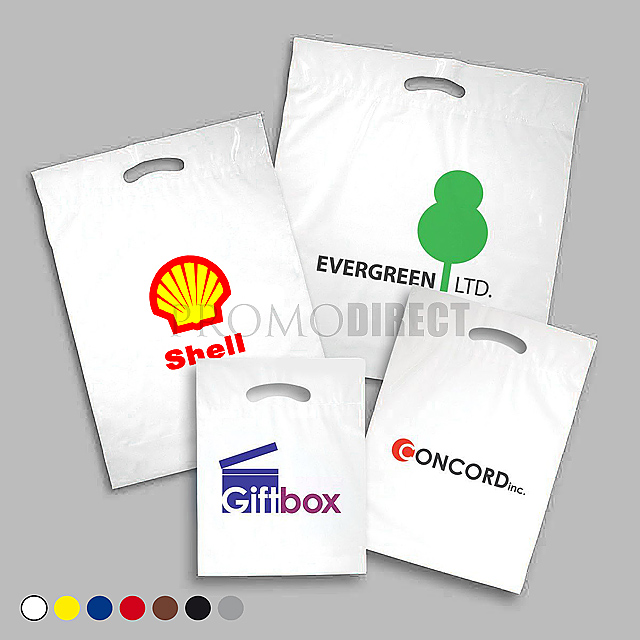
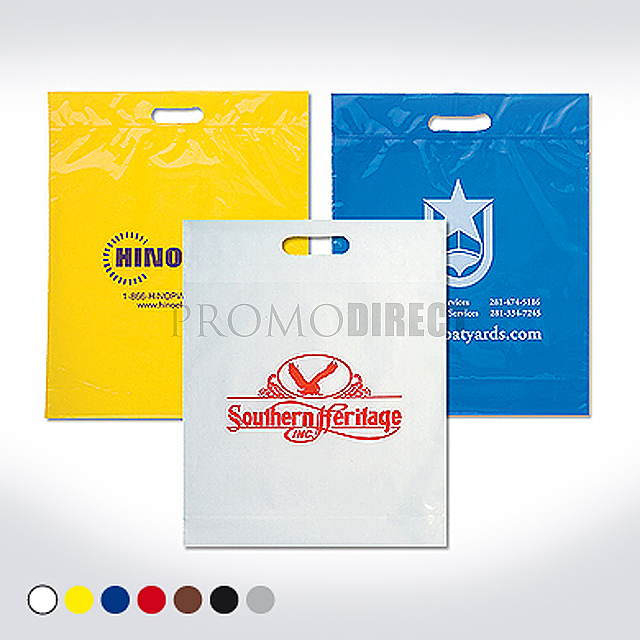
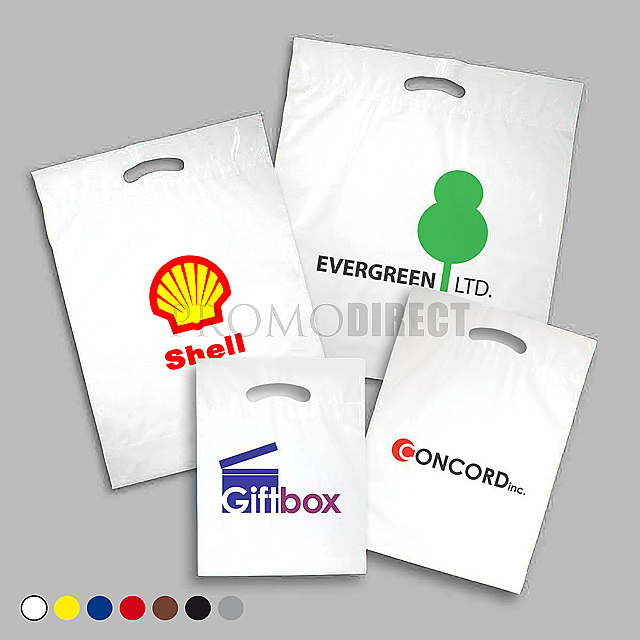
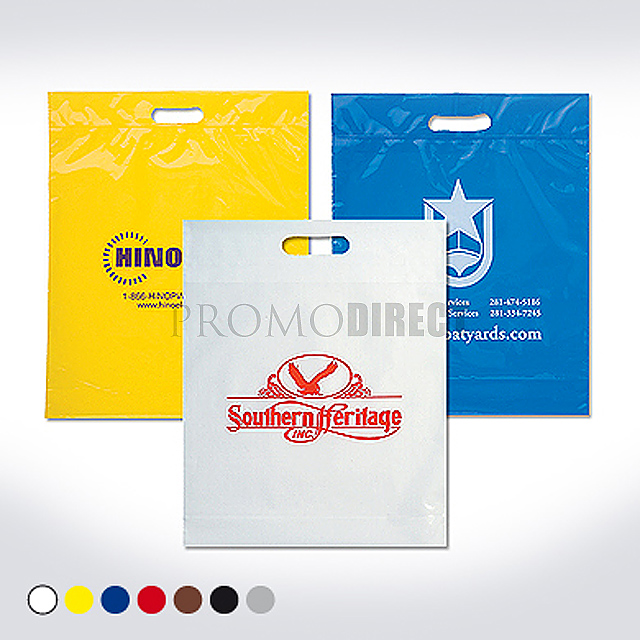
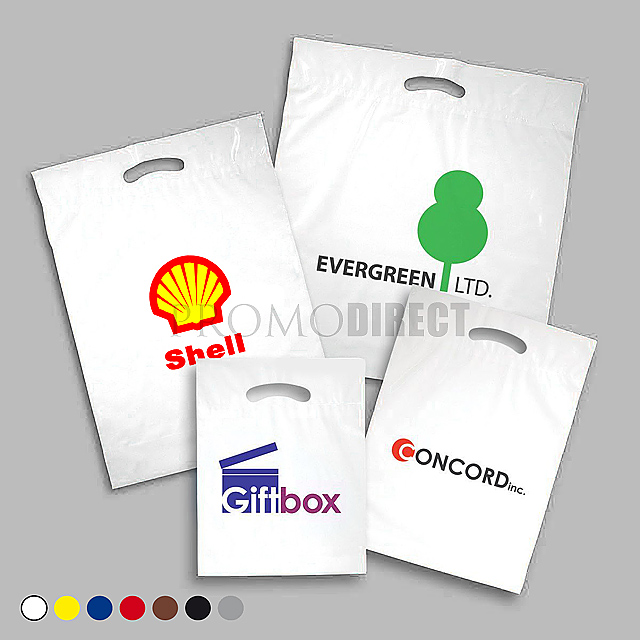
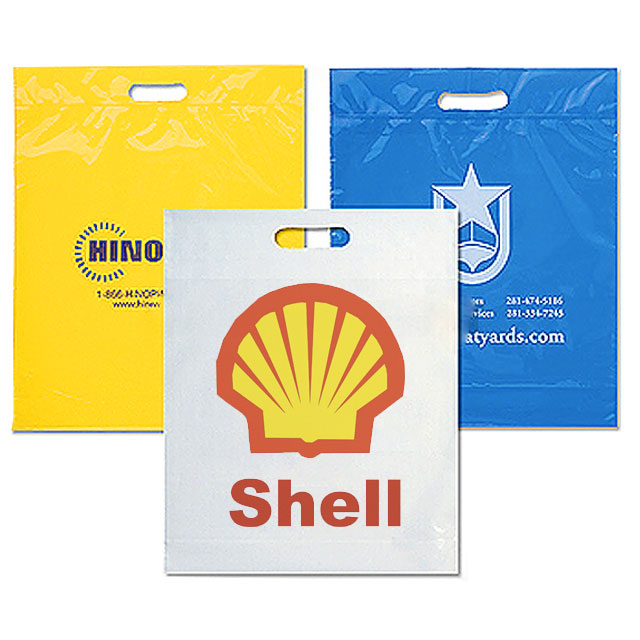
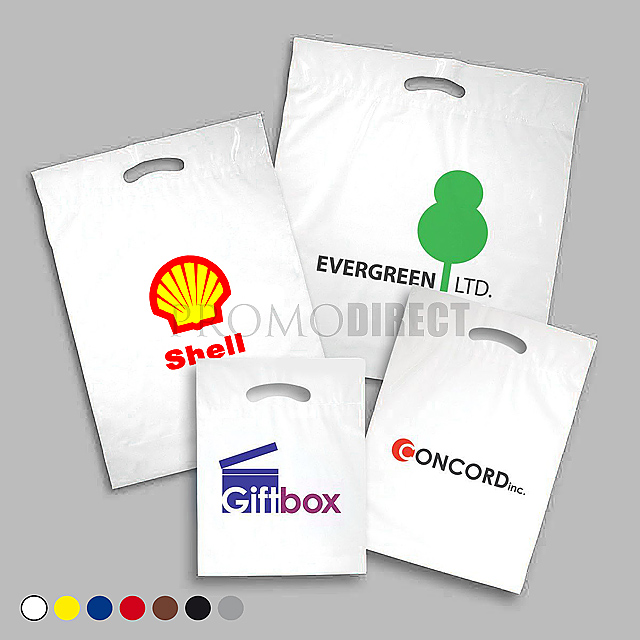
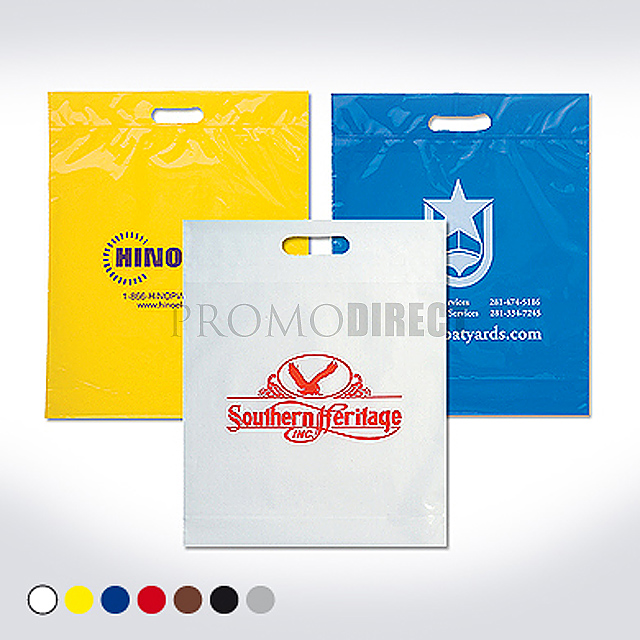
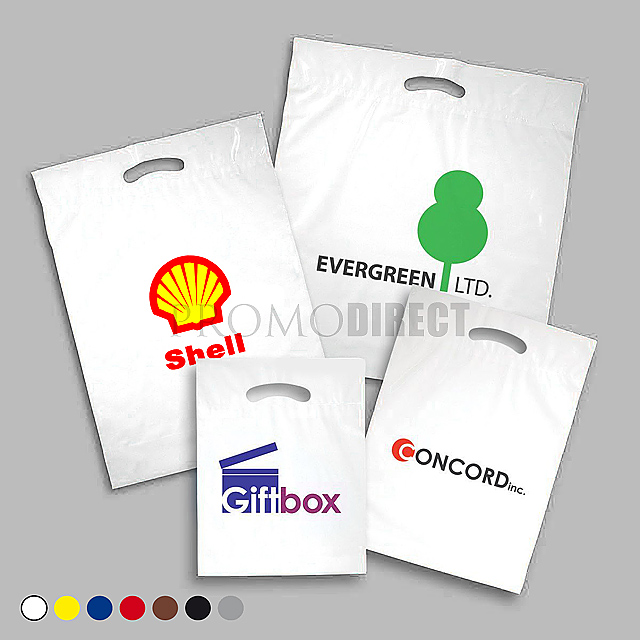
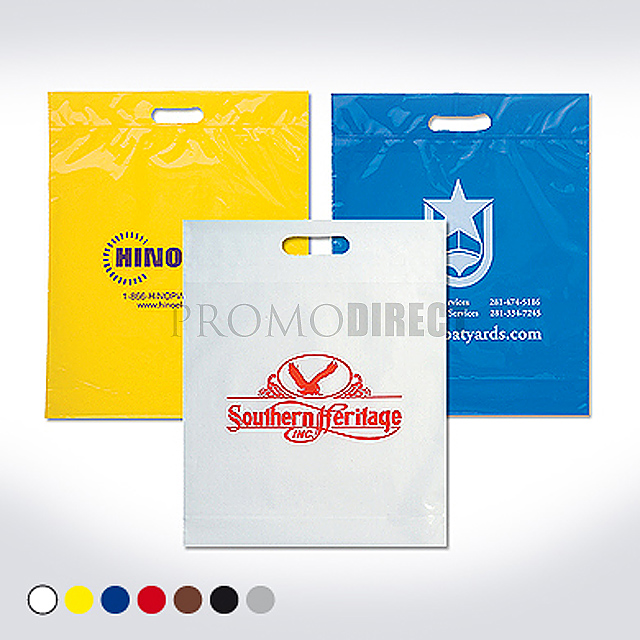
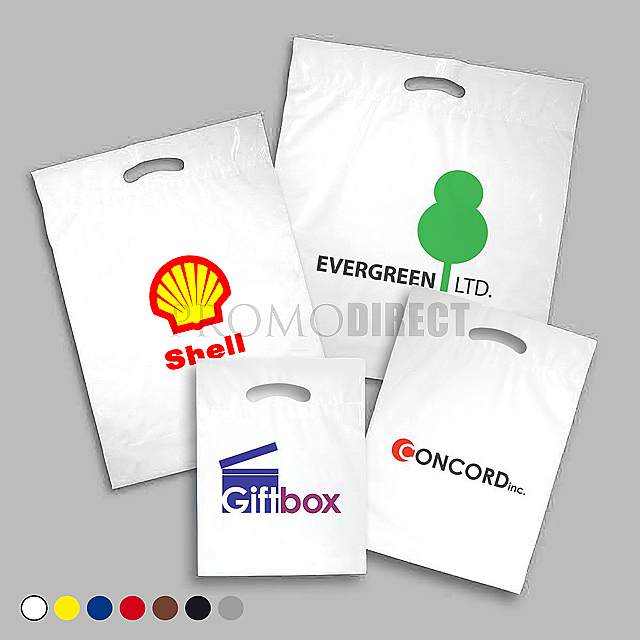
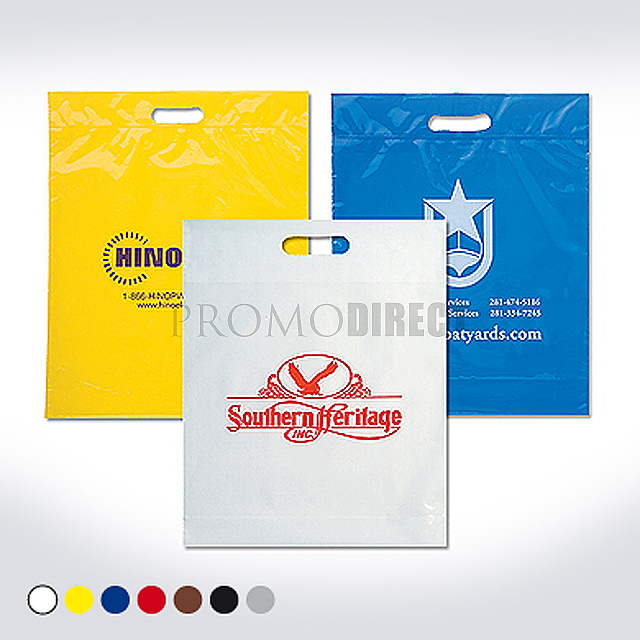
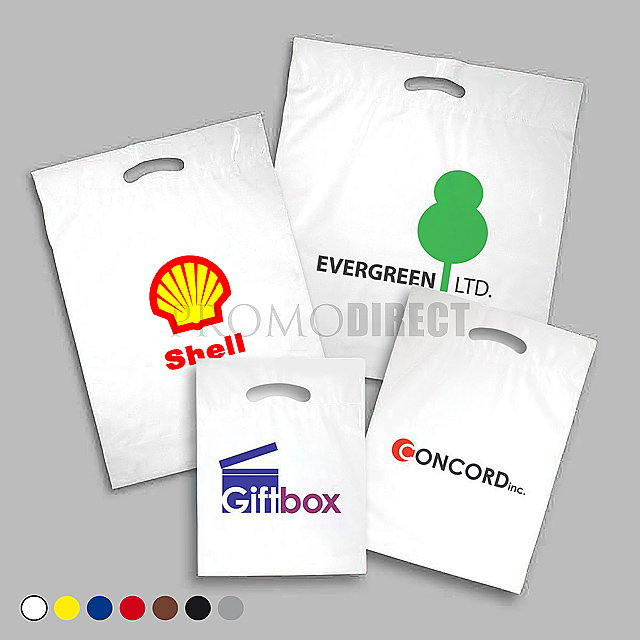
The load capacity and carrying comfort of a bag depend on the type of handle. The basic option is a bag with a so-called die-cut handle (a punched-out opening in the bag itself). For heavier purchases or gifts we recommend choosing bags with a die-cut handle reinforced on the inside with a welded plastic backing plate — this prevents the handle from stretching or tearing. The highest comfort and load capacity is provided by bags with welded strap handles, which extend above the top edge of the bag and allow comfortable carrying even over longer distances.
Which printing technologies guarantee top-quality logo reproduction on plastic carrier bags?
Branding plastic bags depends on order volume. For small and medium runs of stock bags, precise screen printing is used — it delivers excellent coverage and vibrant corporate colours. For large industrial orders of several thousand pieces, printing is carried out on rotary presses using flexographic printing before the bag itself is sealed. Flexographic printing allows high production speeds, full-colour output and complex graphic designs across the entire surface of the bag, ensuring your logo stands out in retail zones and city streets.


 English - EUR
 Deutsch - EUR
 Slovensky - EUR
 Česky - CZK