What materials are used to make modern bottles, and what are Tritan and borosilicate glass?
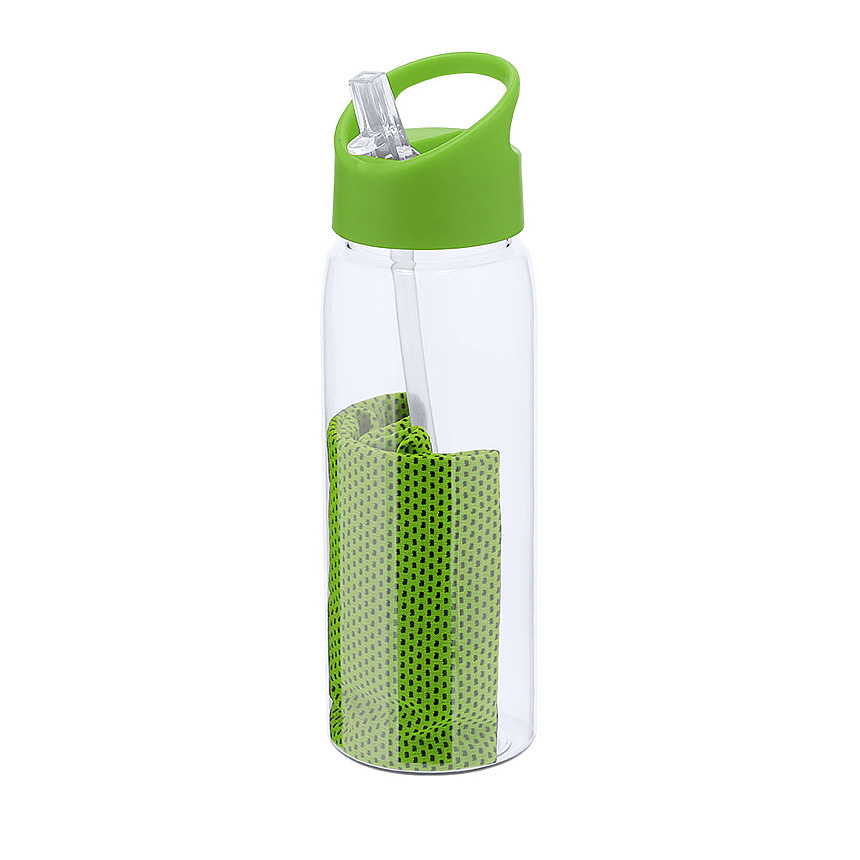
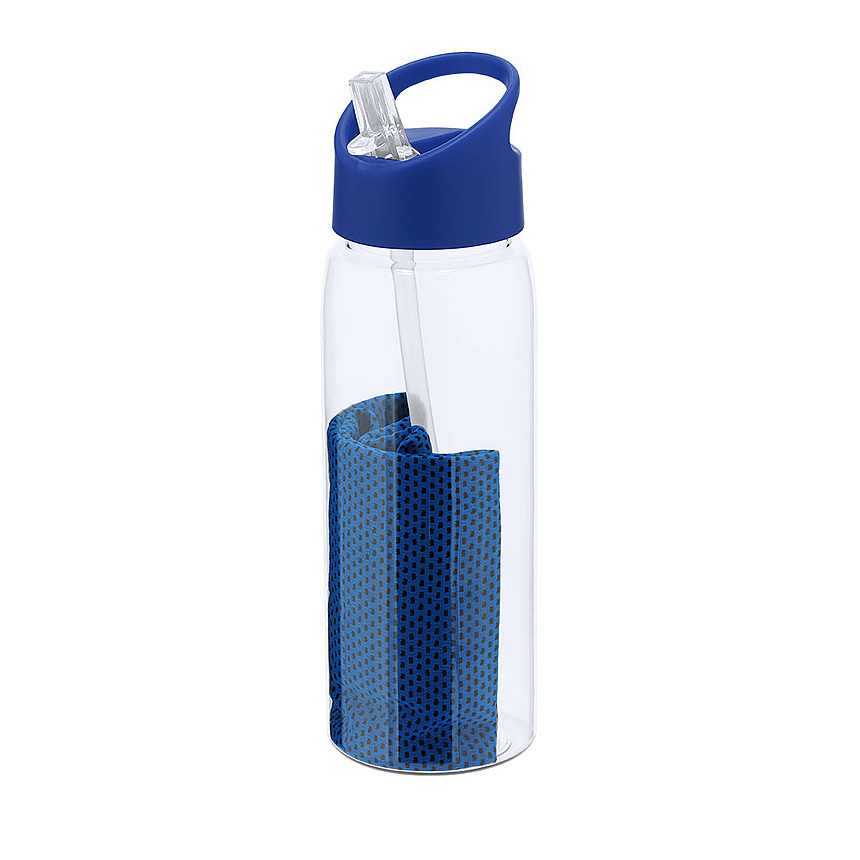
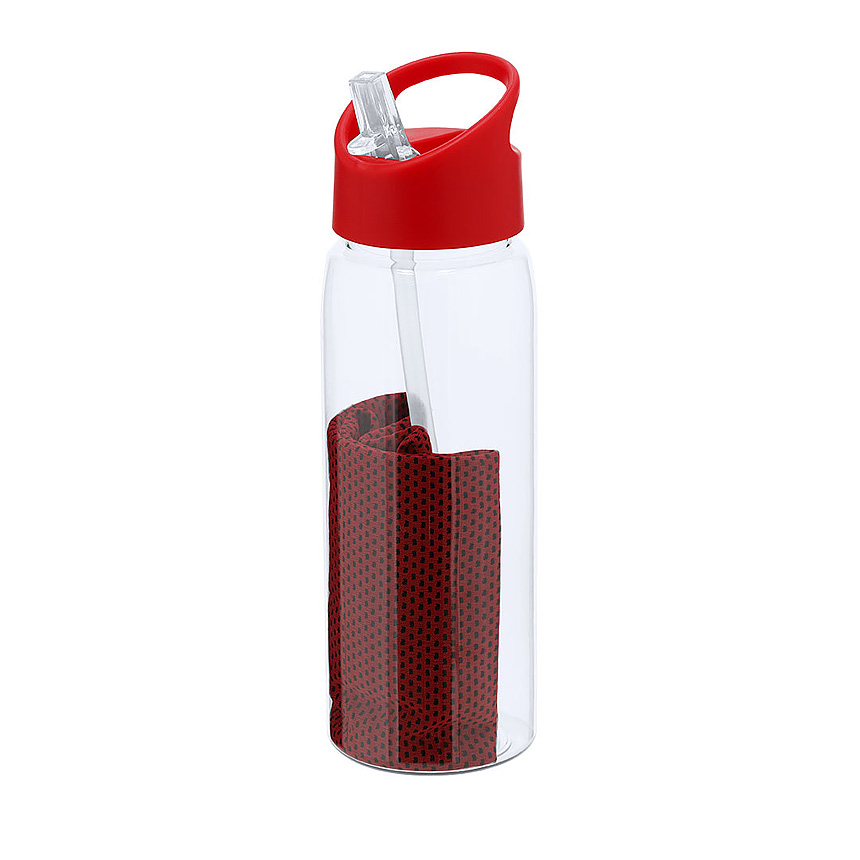
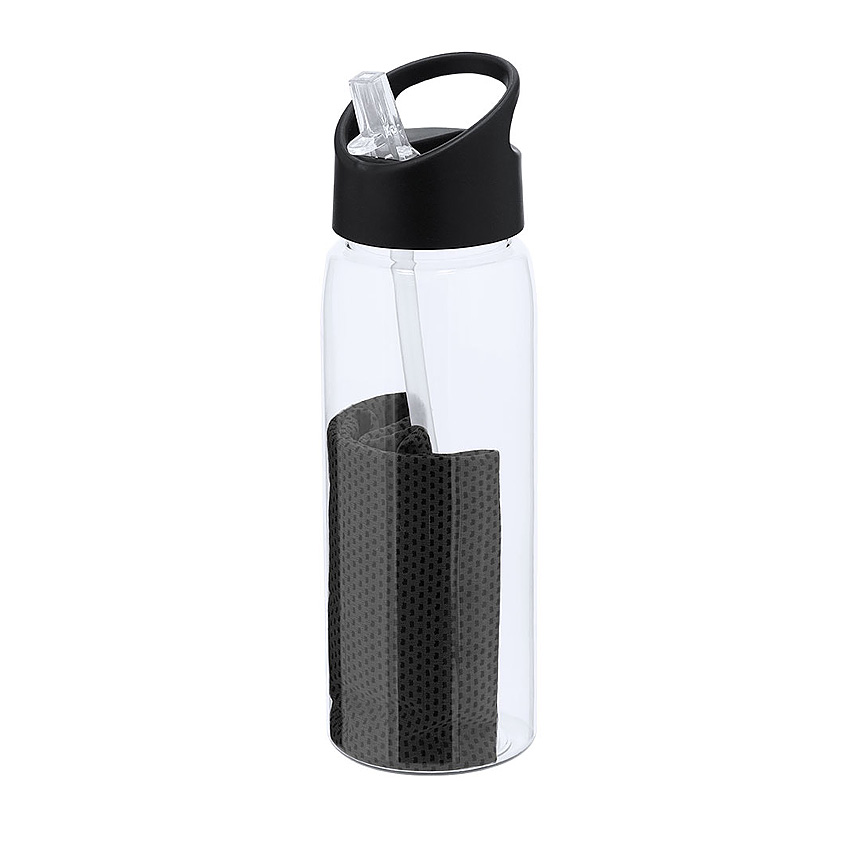
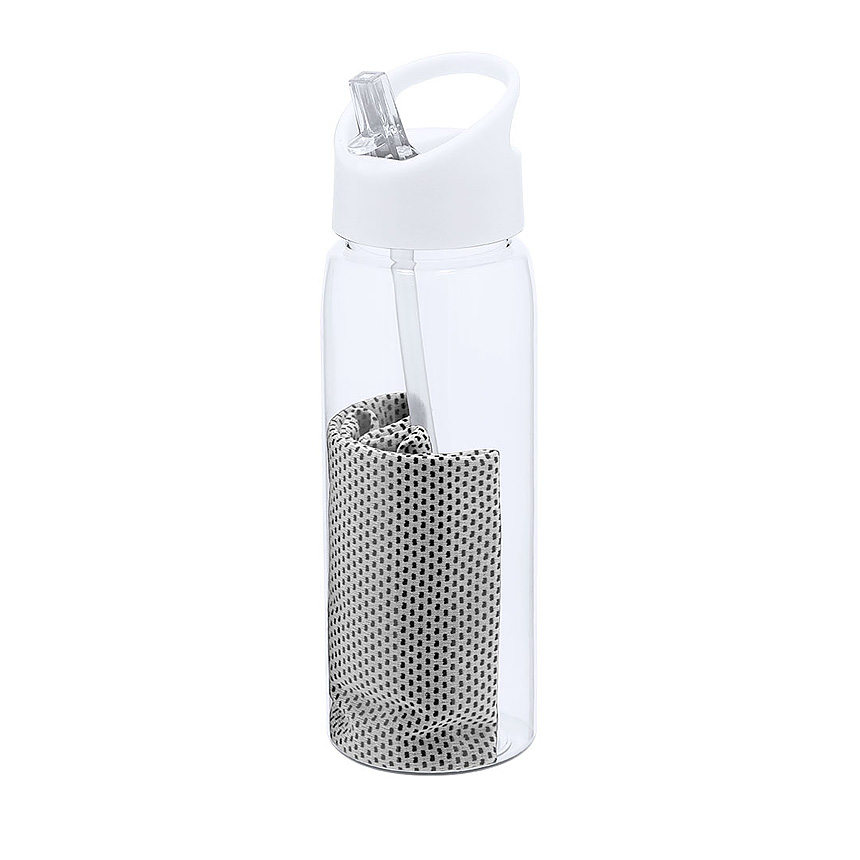
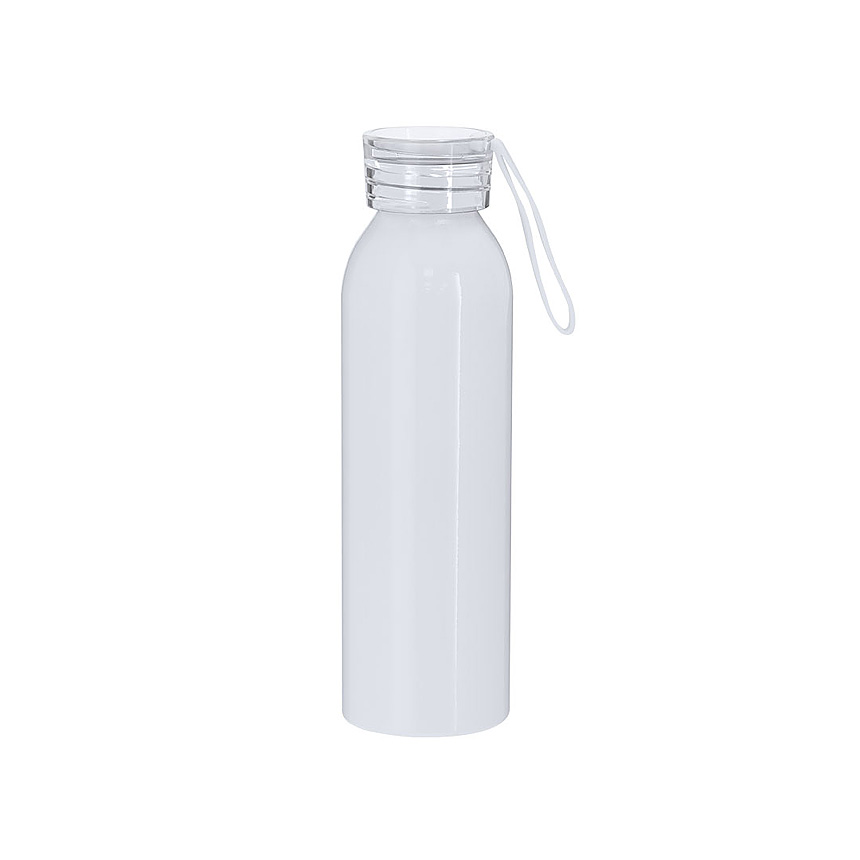
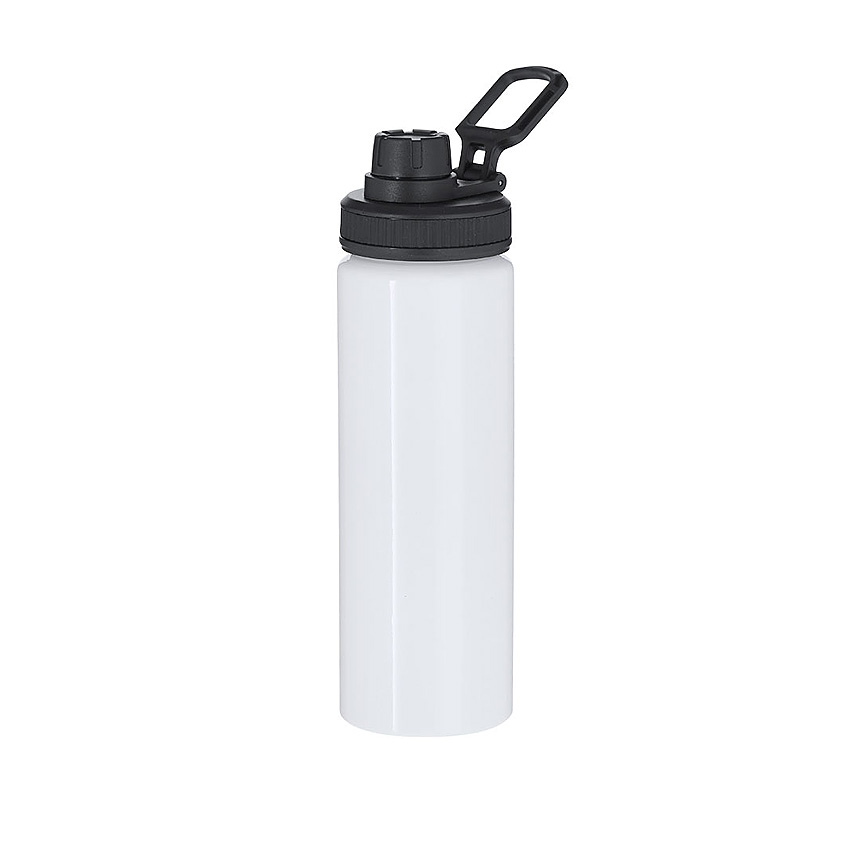
The choice of material fundamentally determines a bottle's properties. Alongside stainless steel, modern eco-friendly plastics and glass are very much in demand. Tritan is a premium copolyester that is as clear as glass, extremely lightweight, impact-resistant when dropped, and free of harmful substances (BPA free). It also absorbs no odours or flavours from beverages. Borosilicate glass is highly resistant to rapid temperature changes (thermal shock), meaning it can hold hot tea just as well as ice-cold water. These bottles are often complemented by a protective neoprene, silicone or natural cork sleeve, which improves grip and protects the bottle from breakage.
How do modern vacuum stainless steel thermoses and travel mugs work, and how long do they keep drinks at temperature?
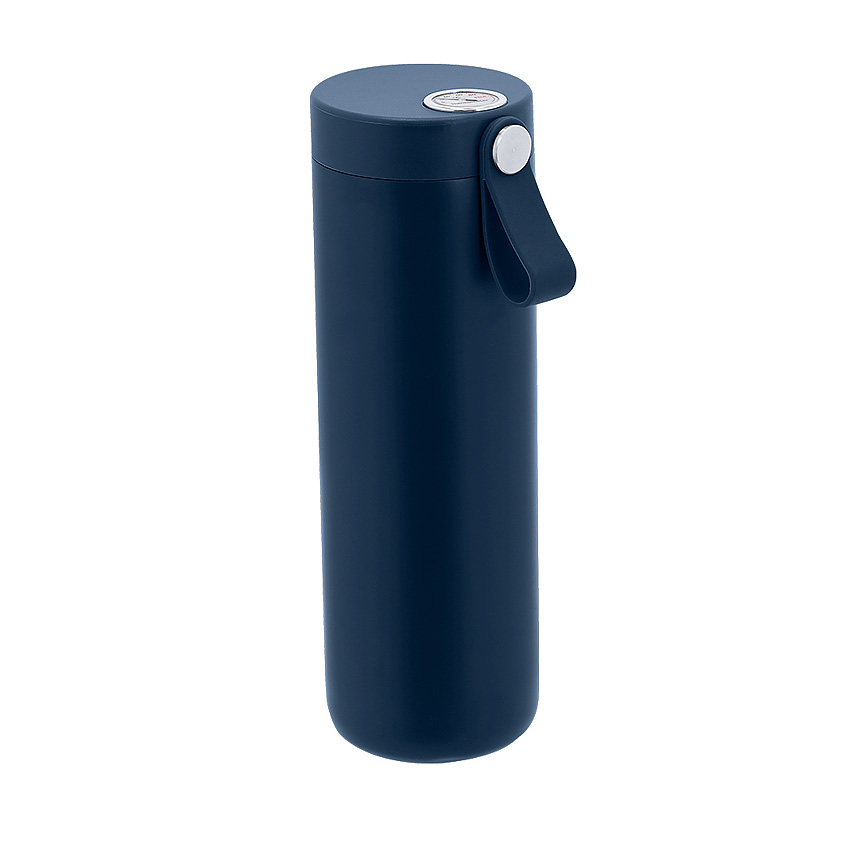
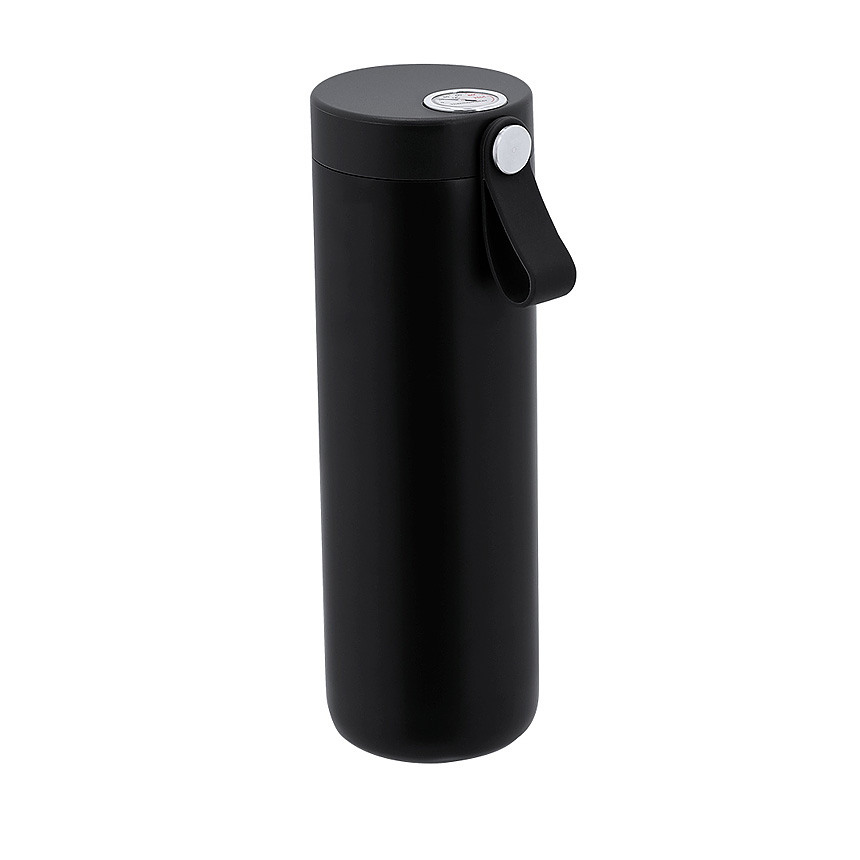
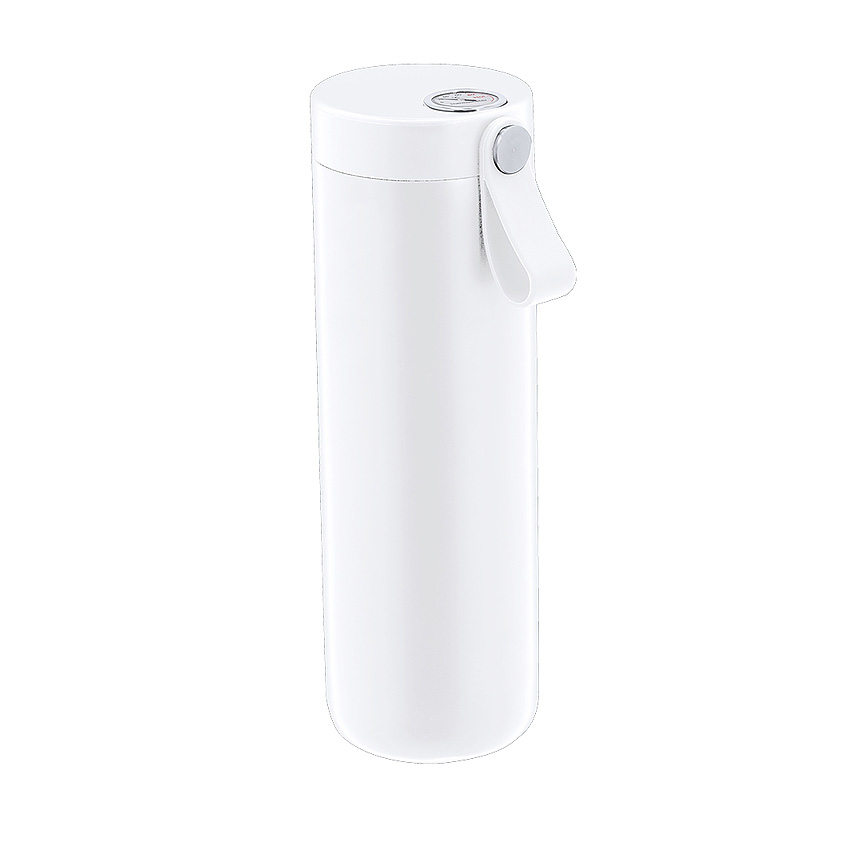
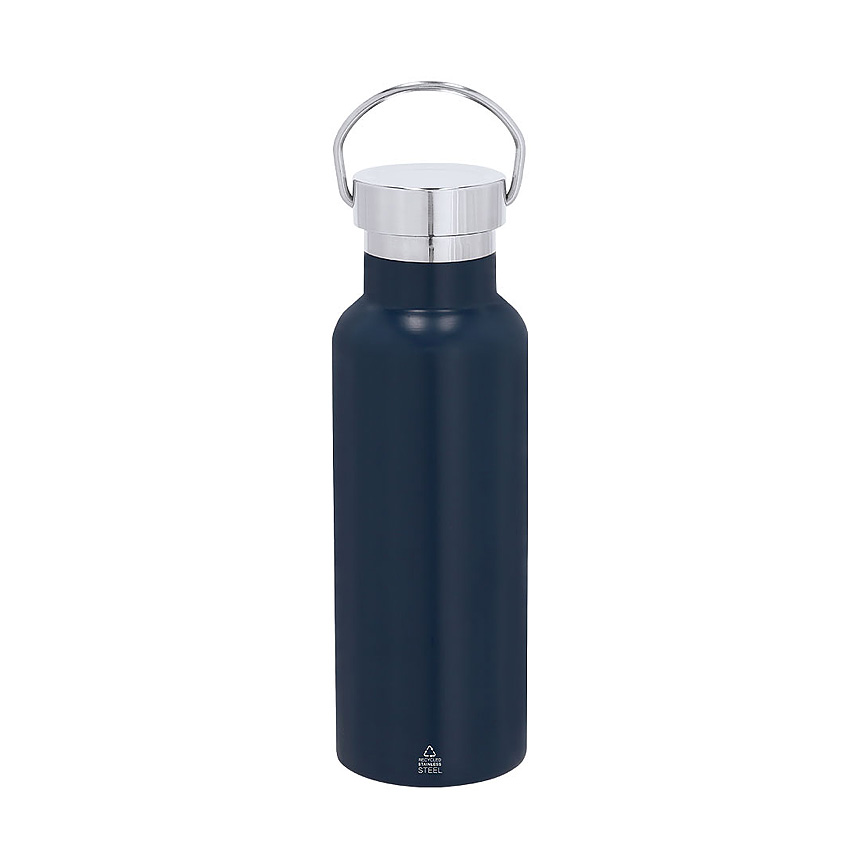
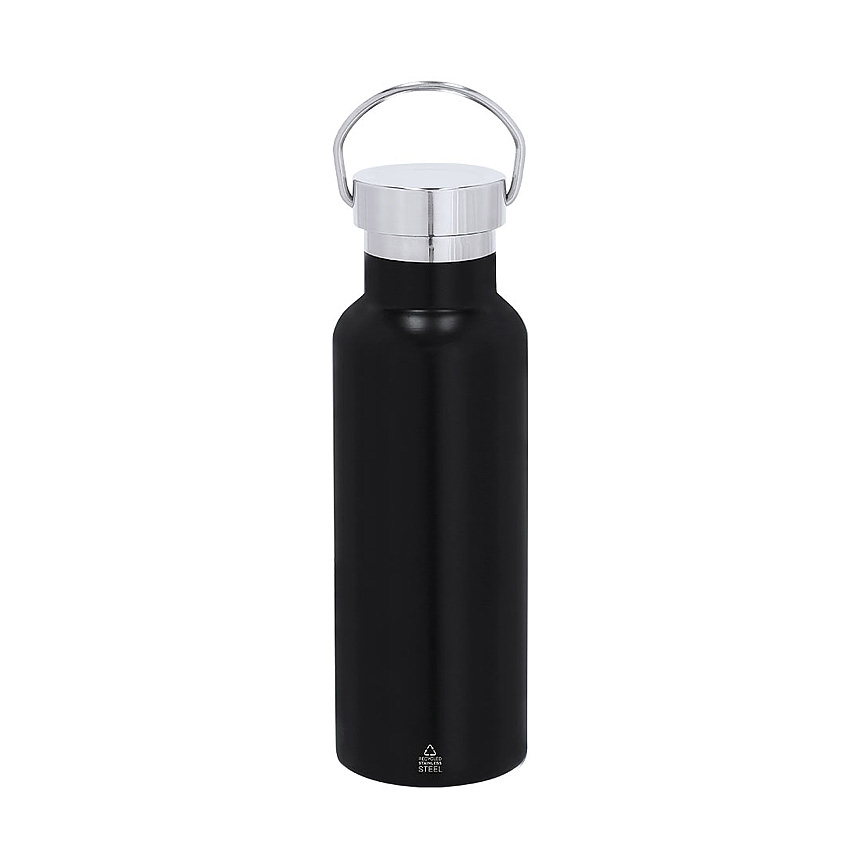
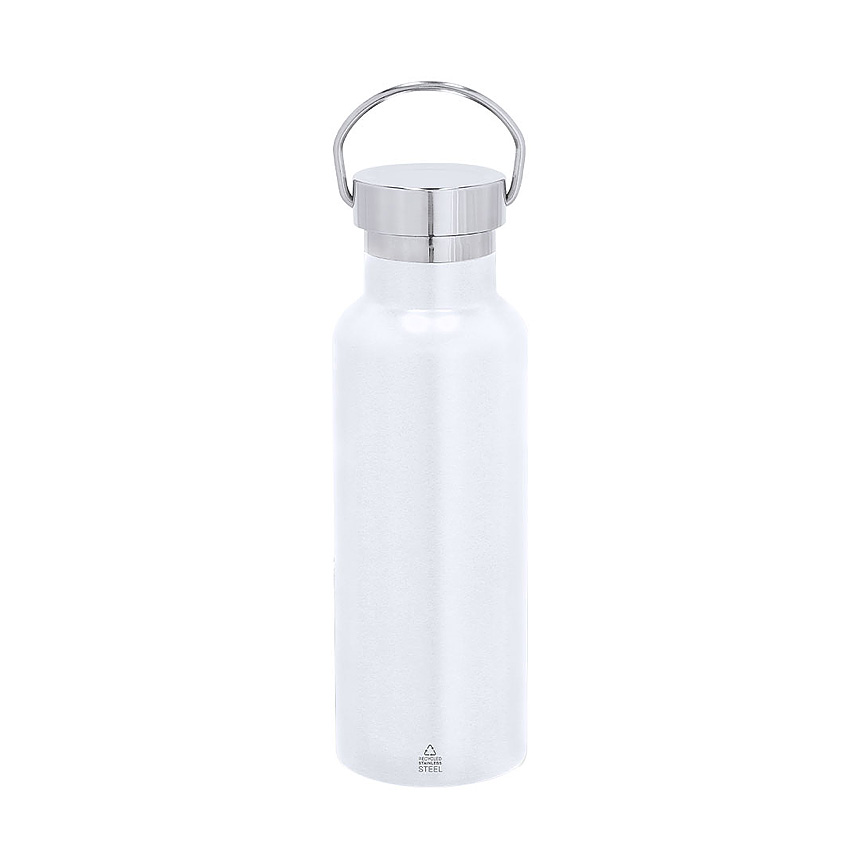
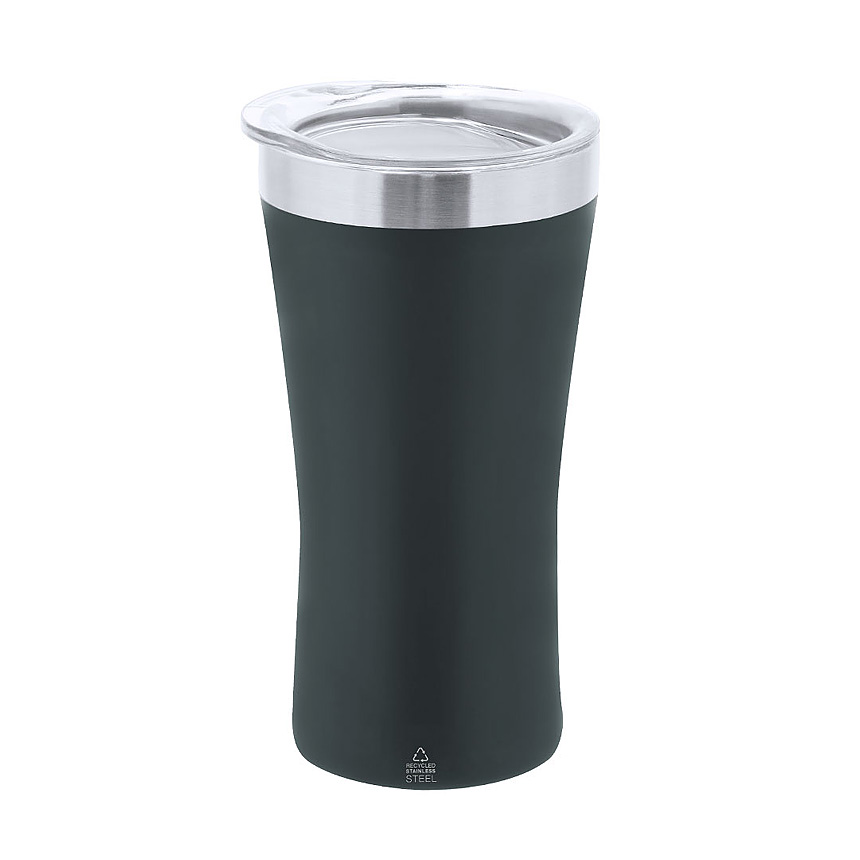
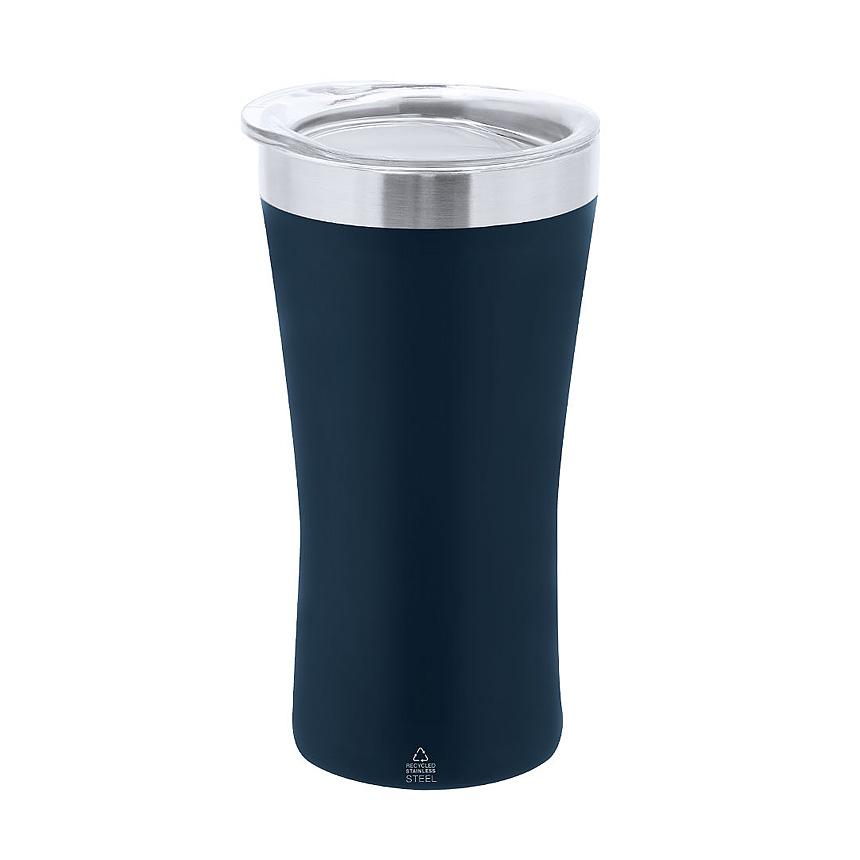
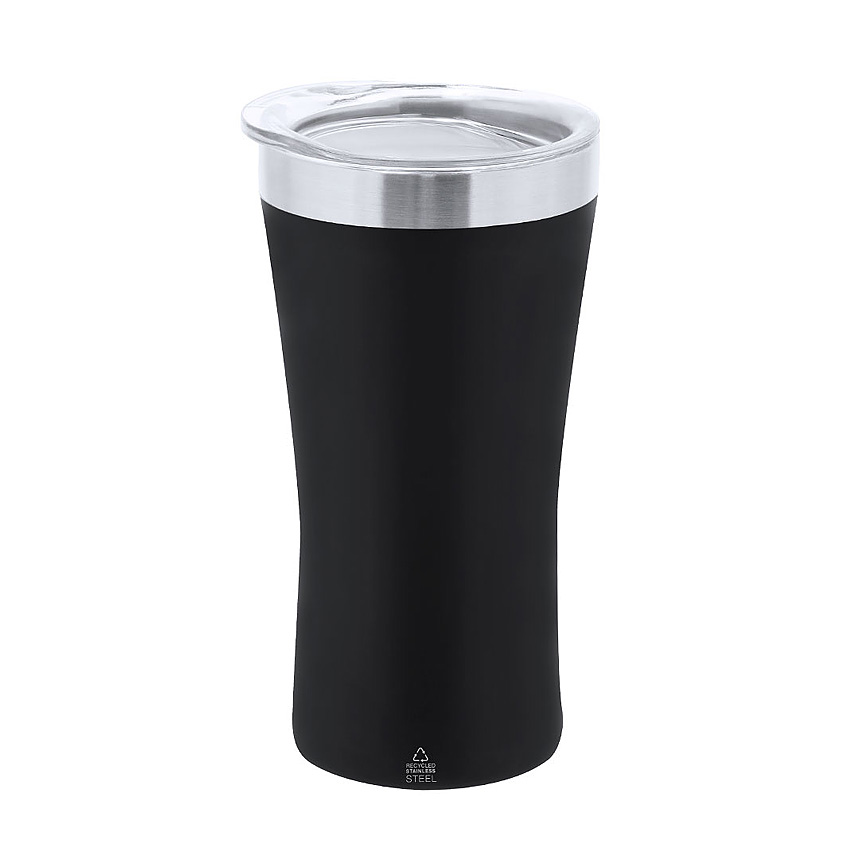
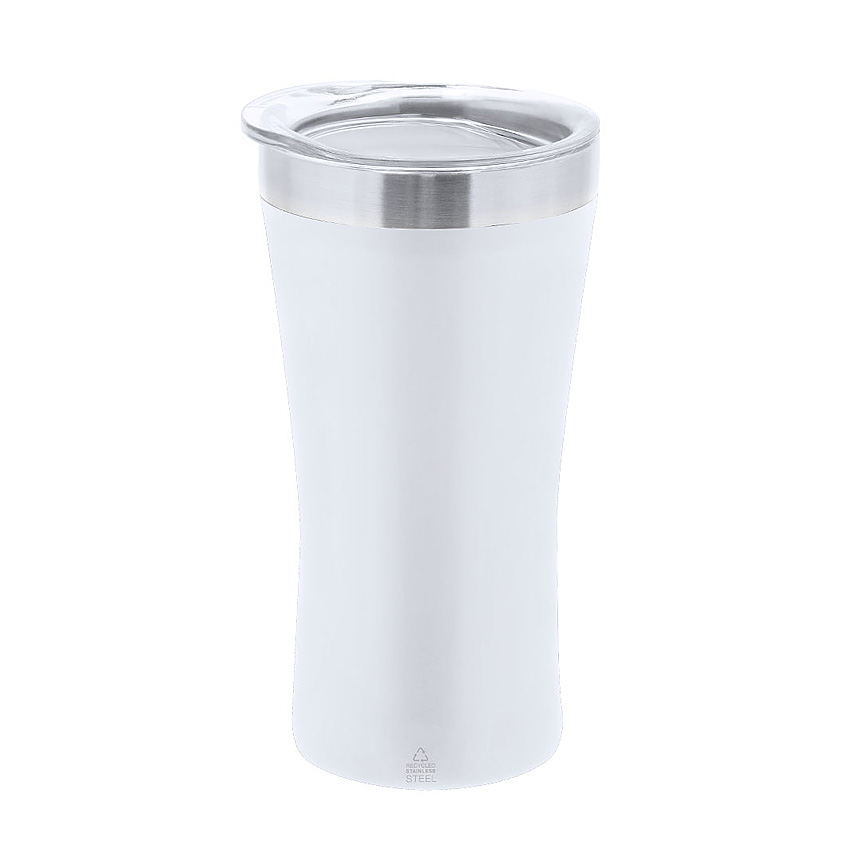
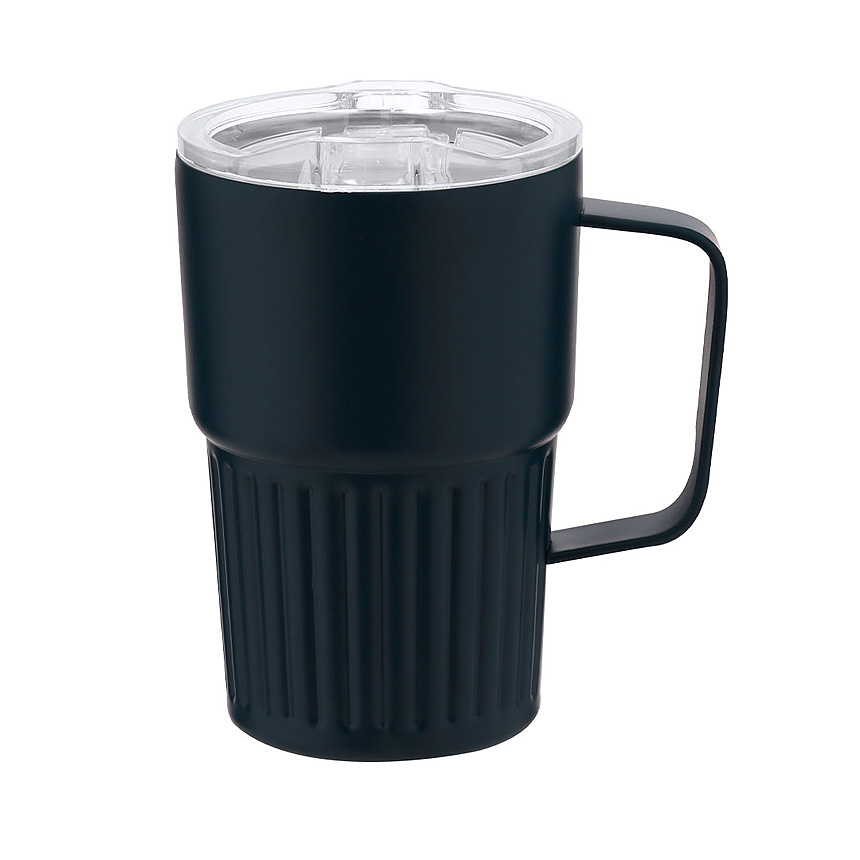
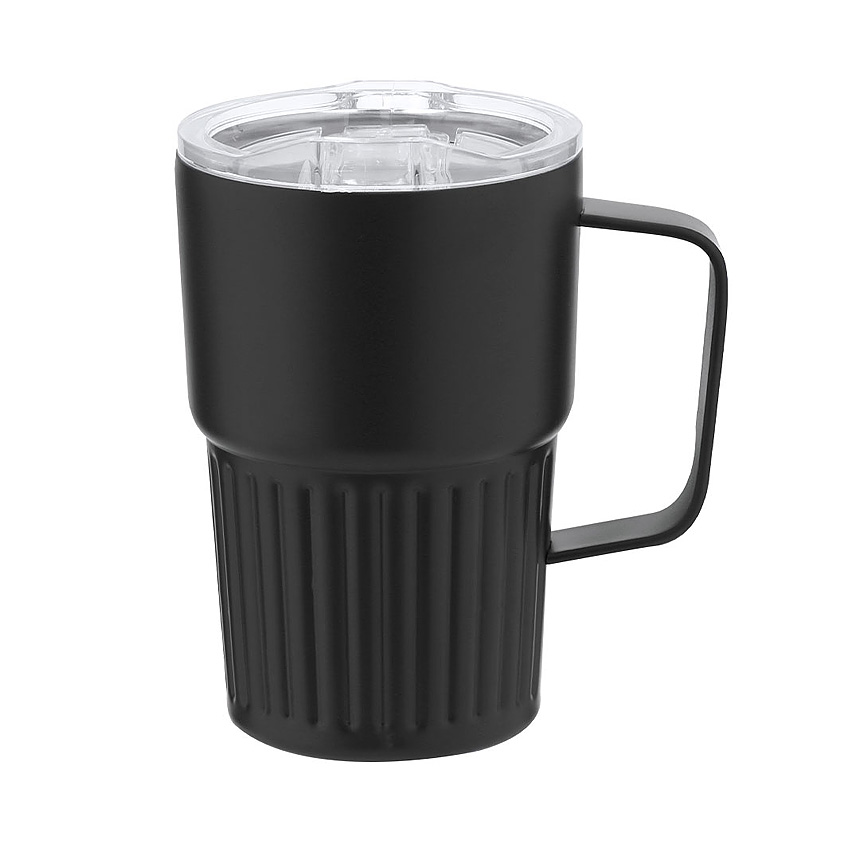
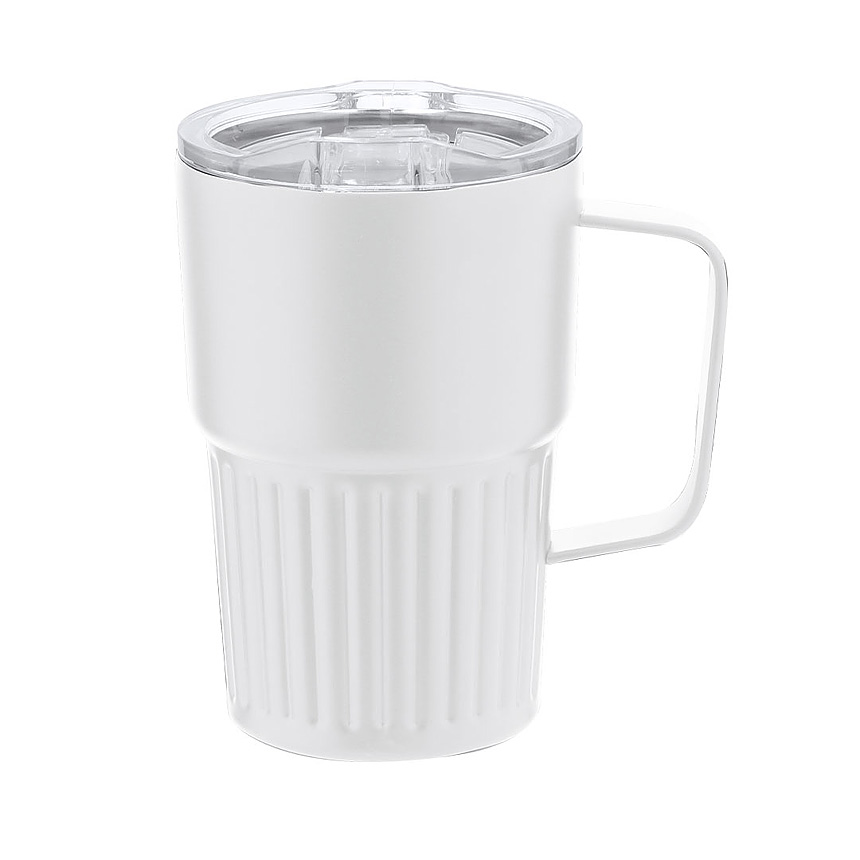
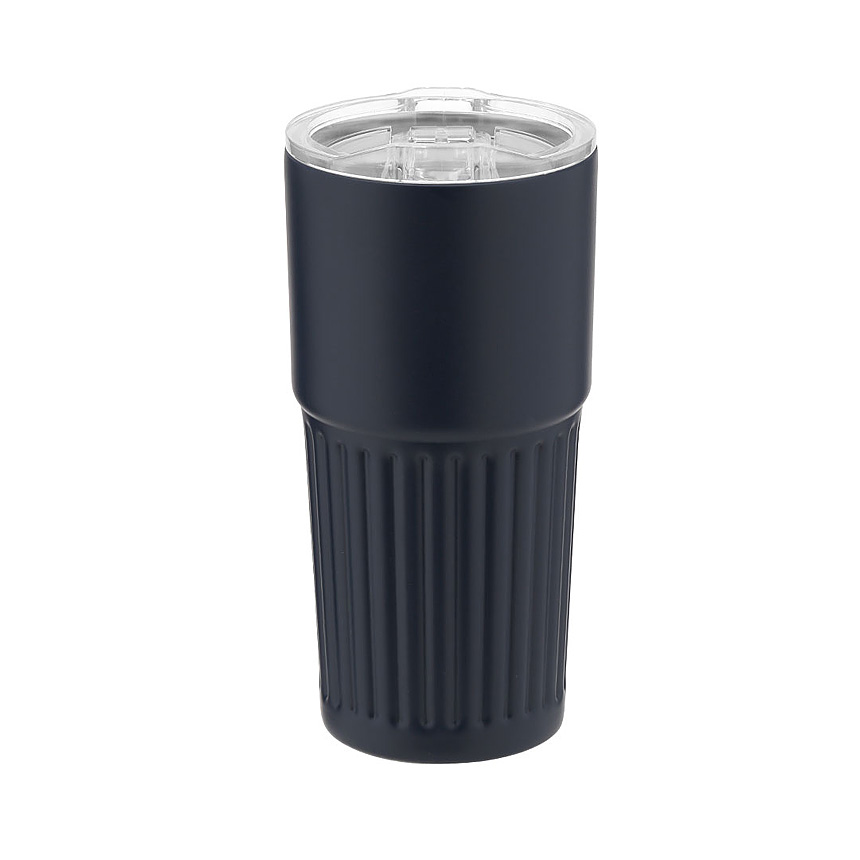
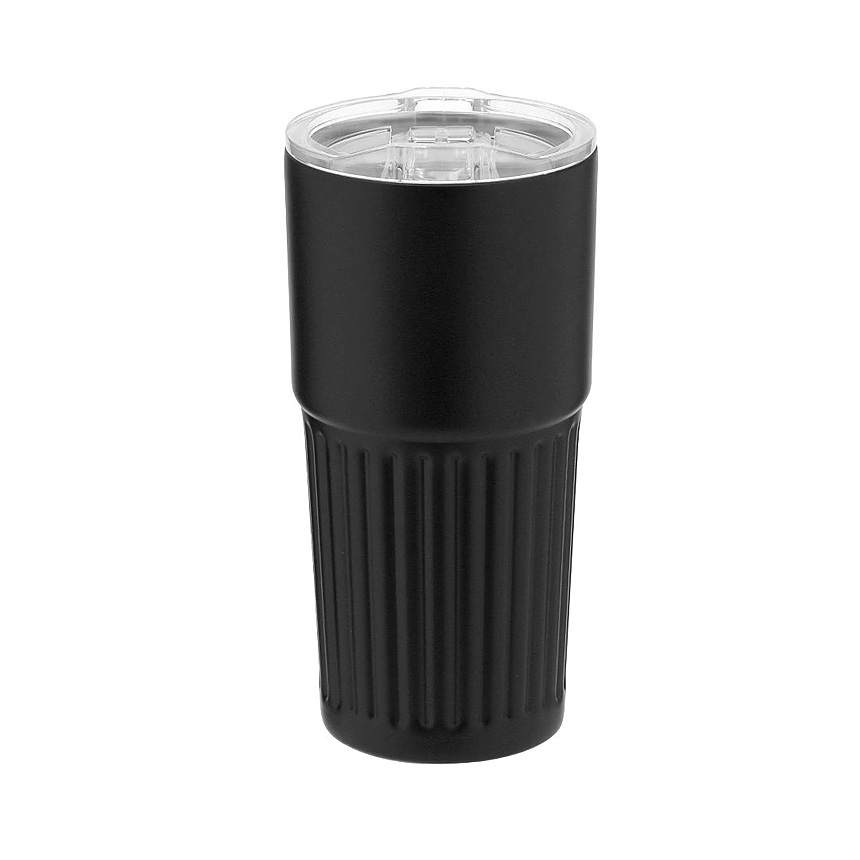
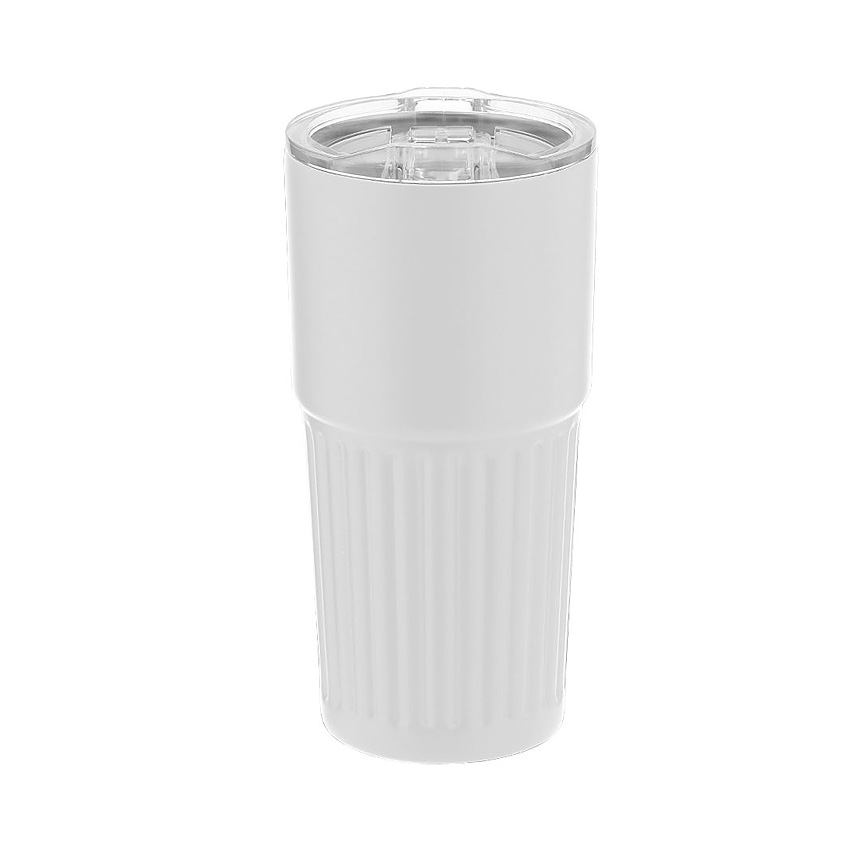
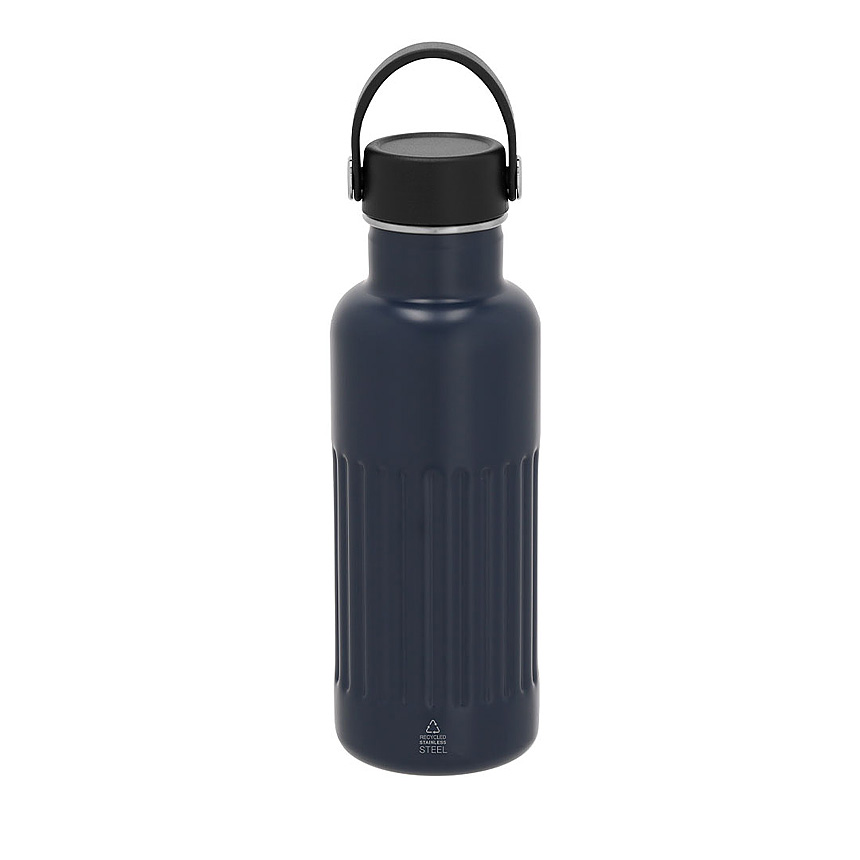
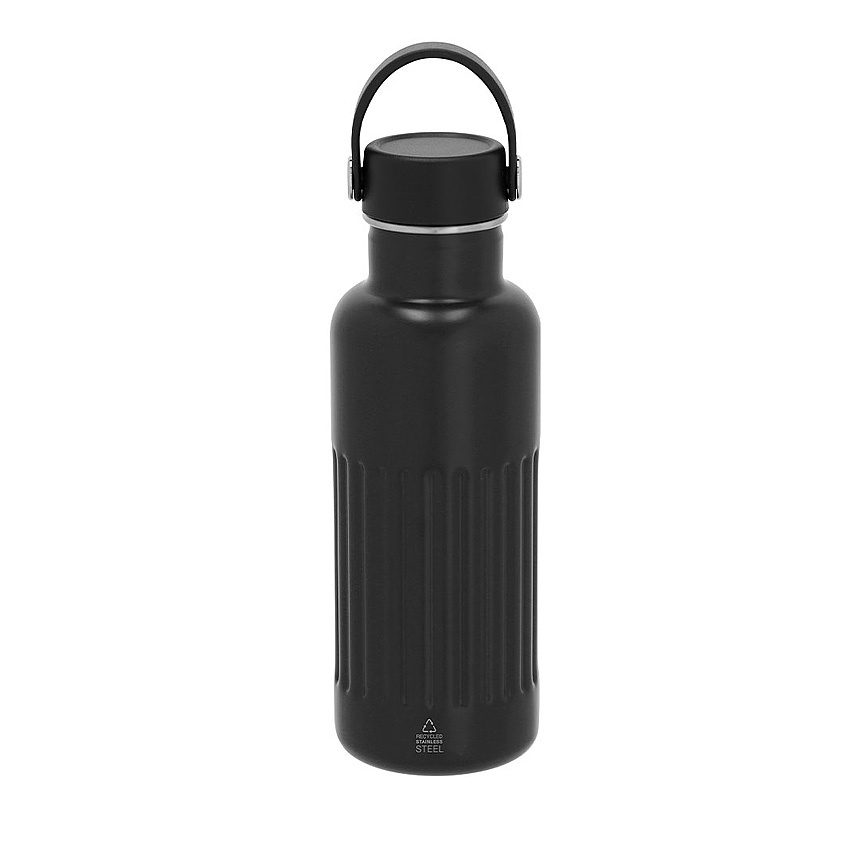
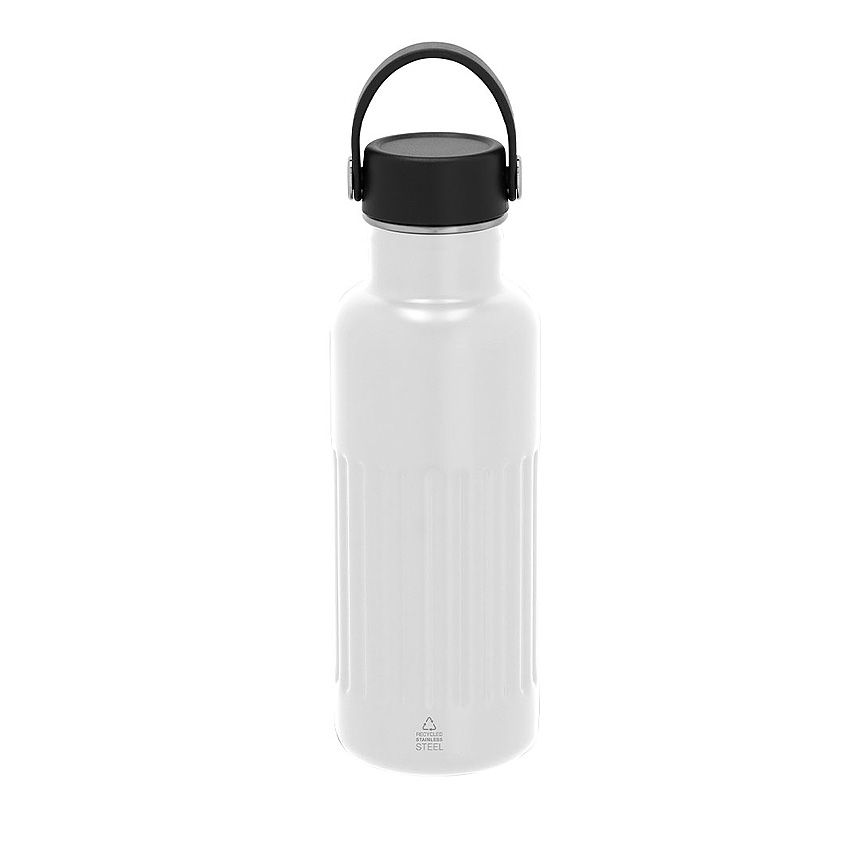
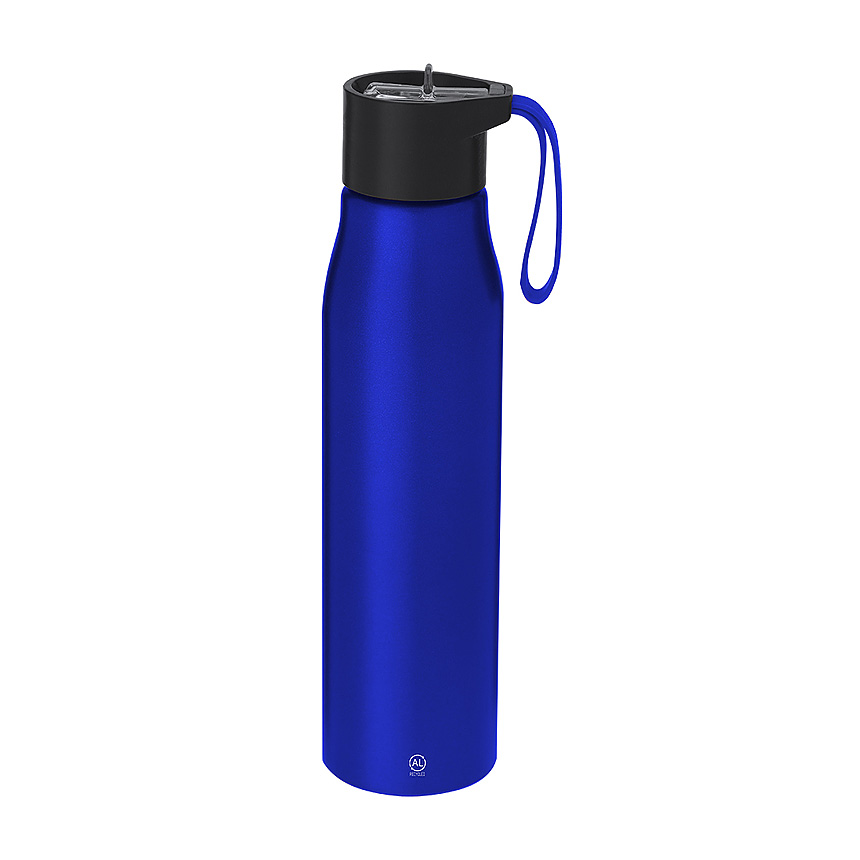
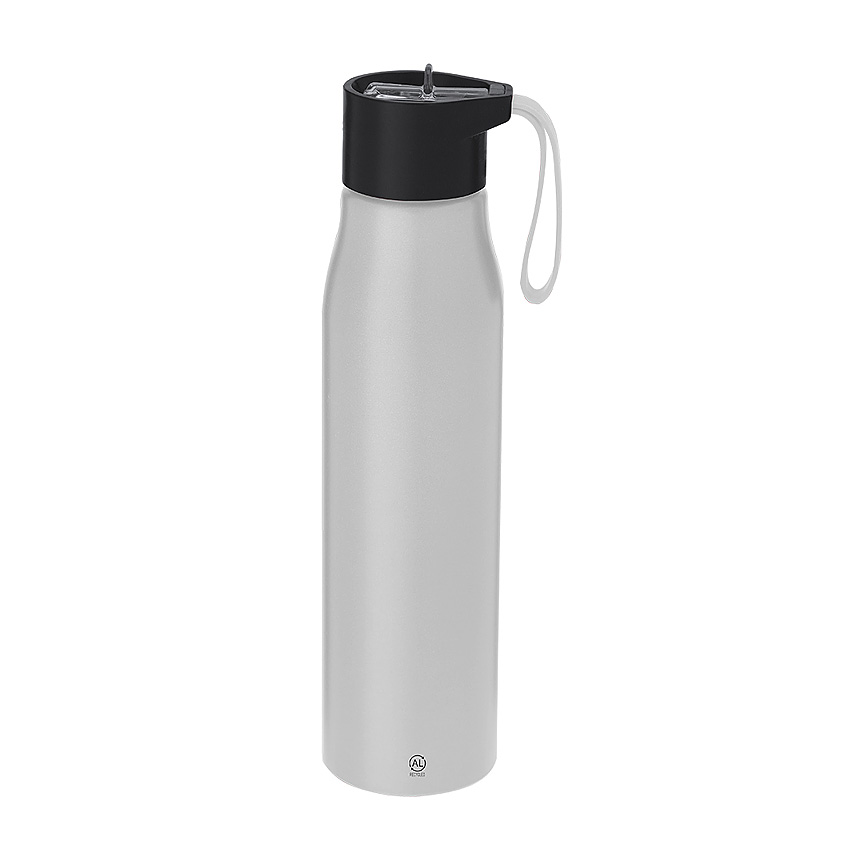
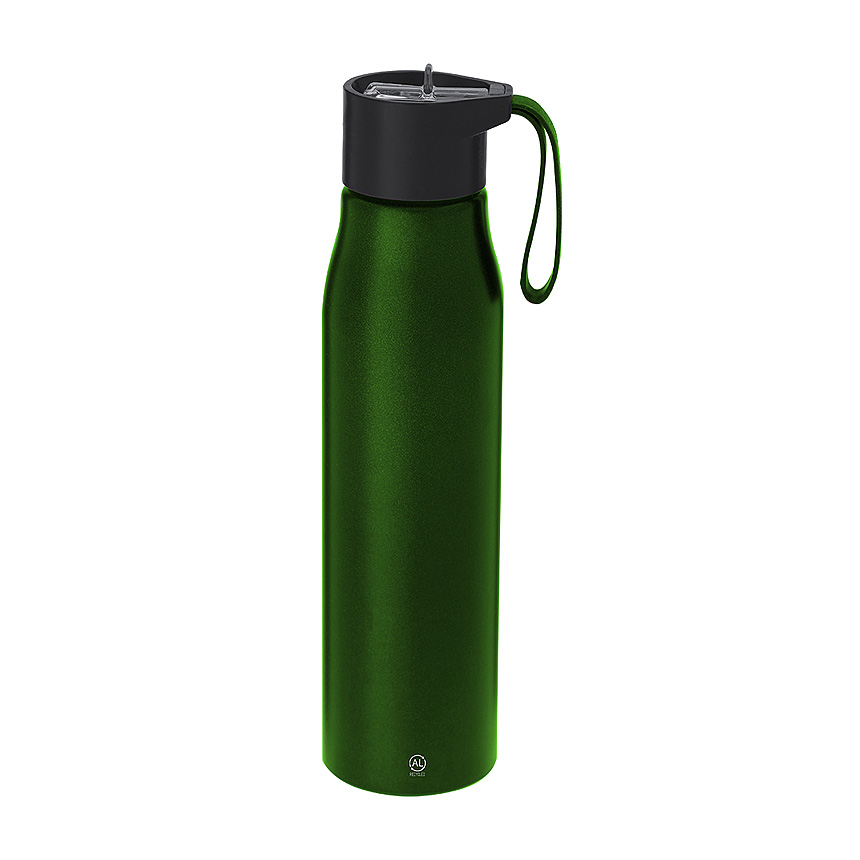
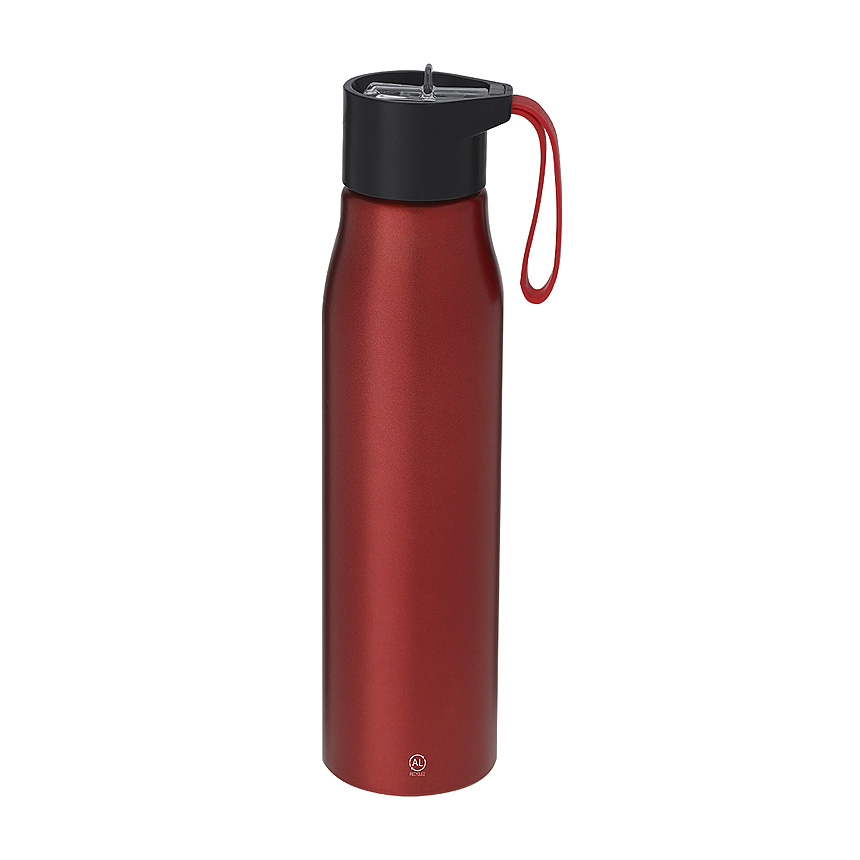
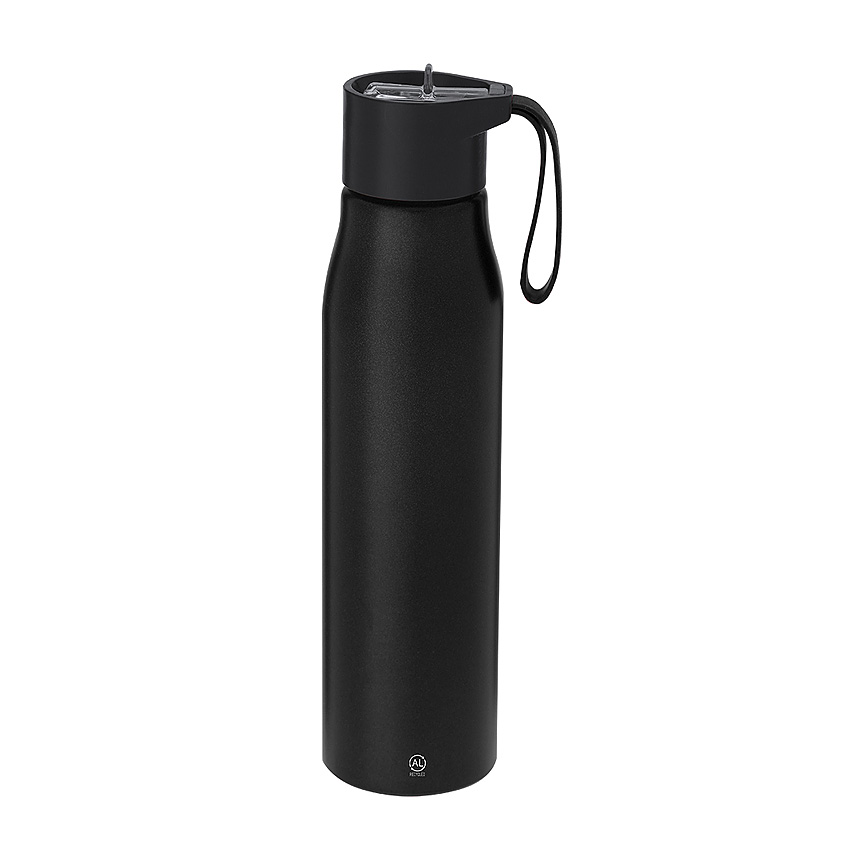
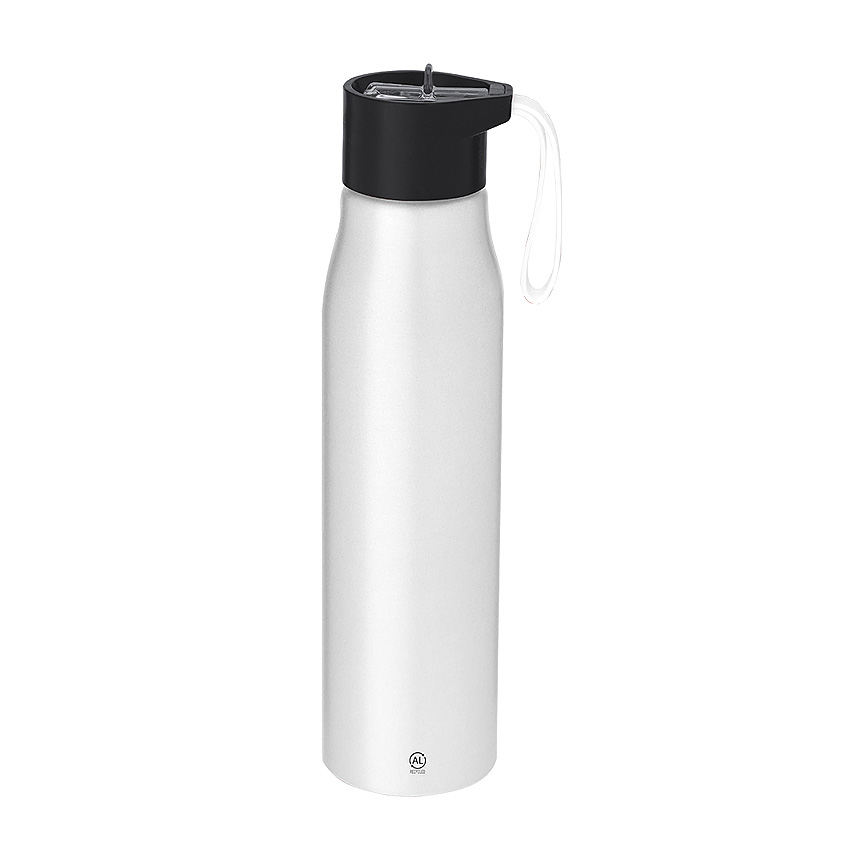
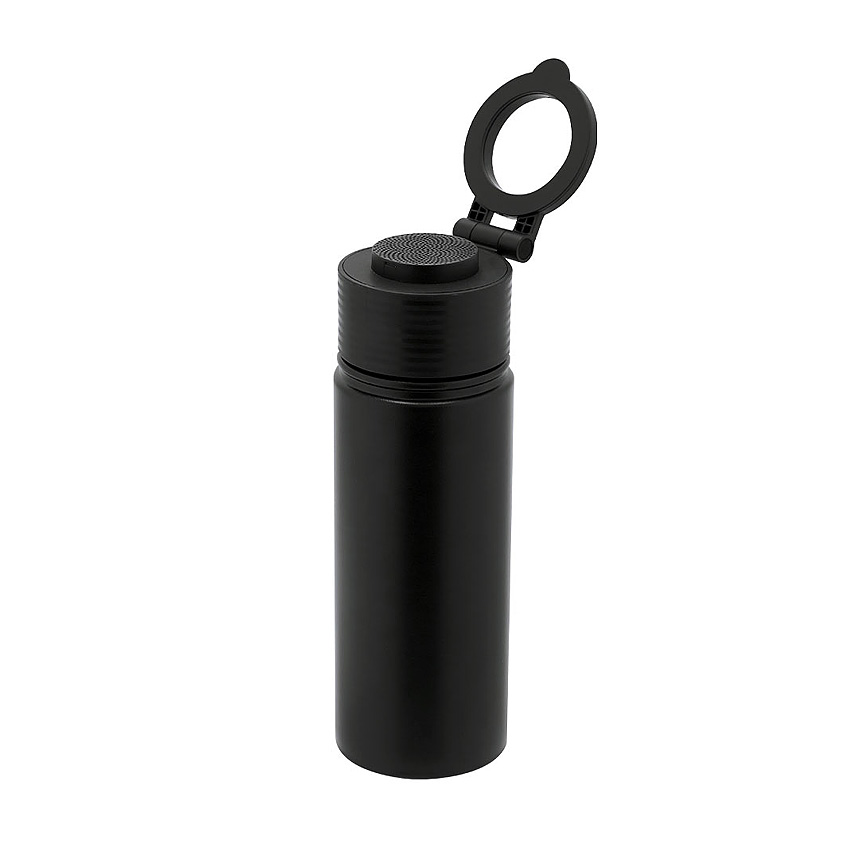
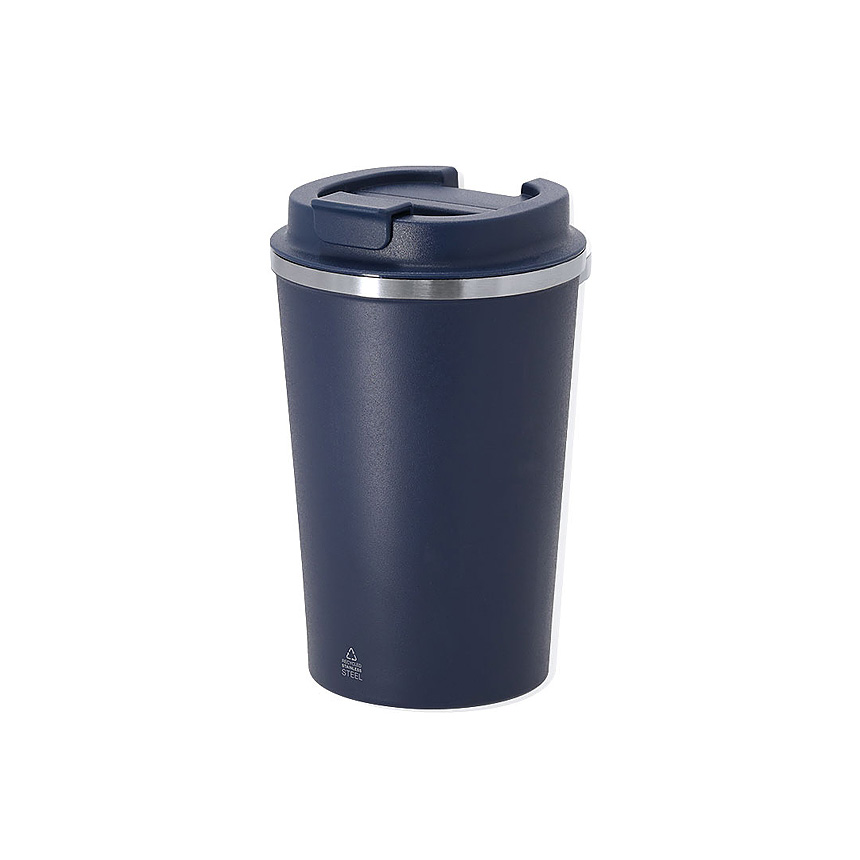
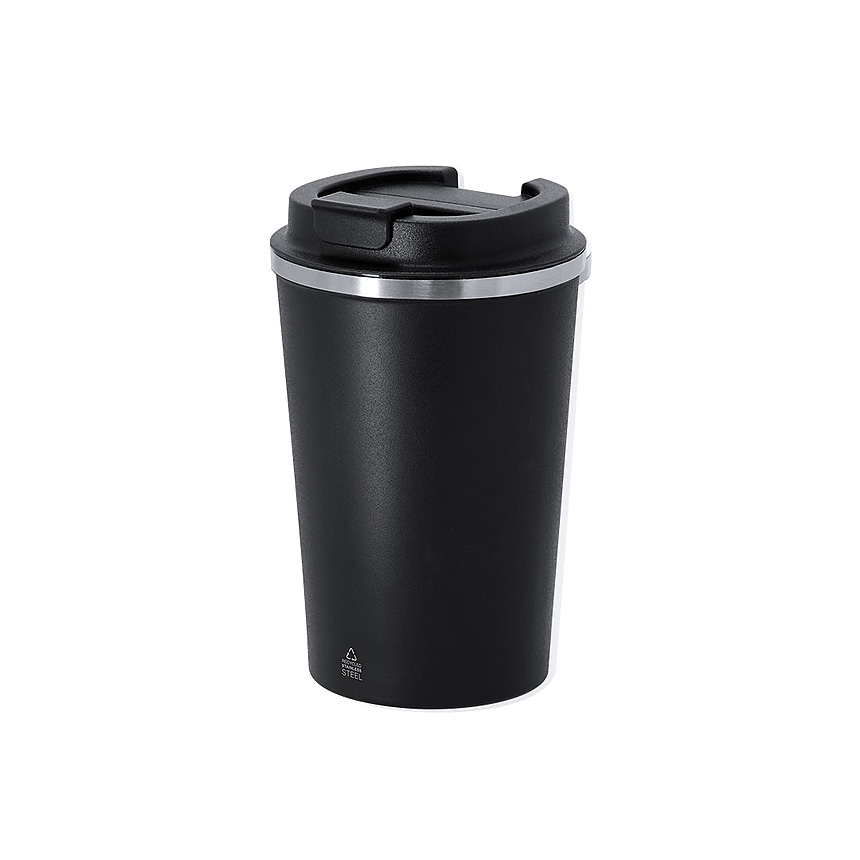
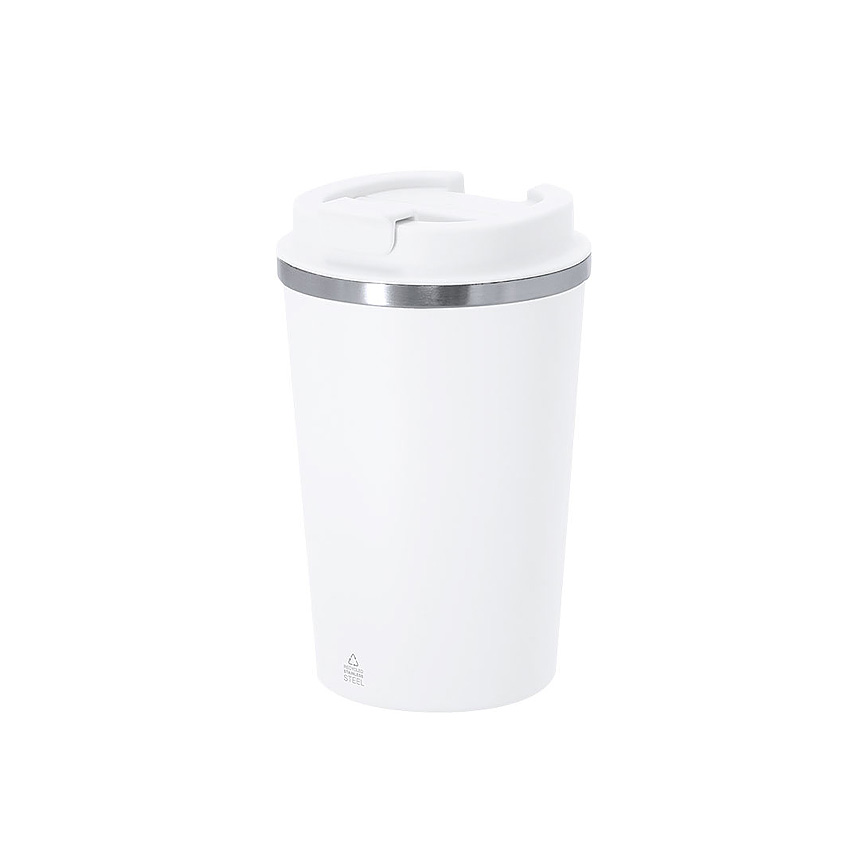
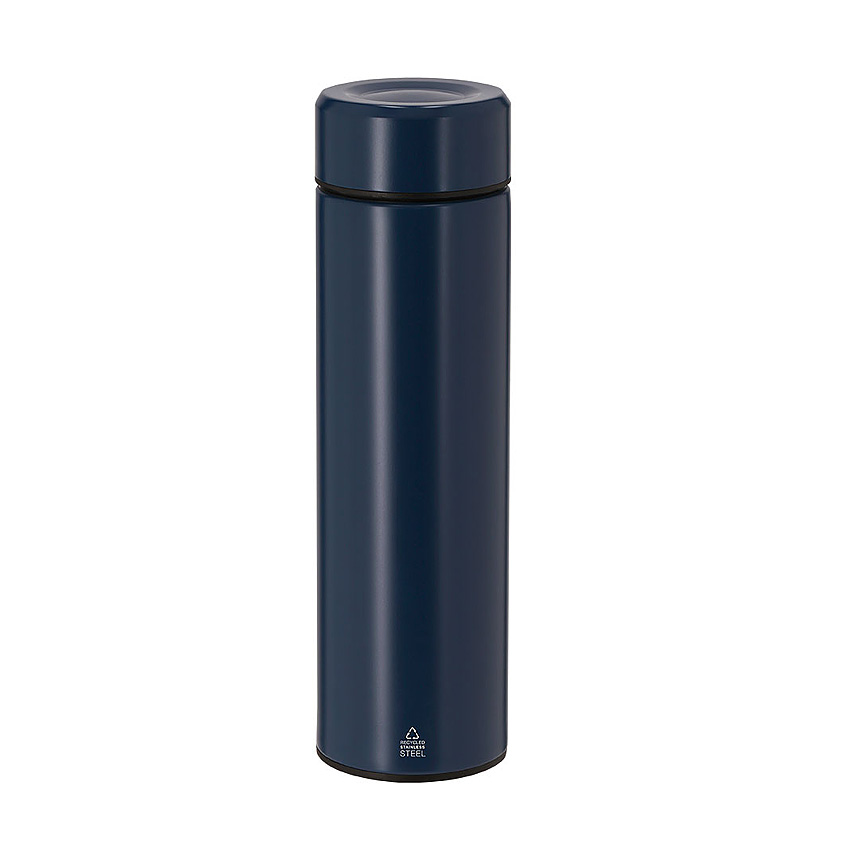
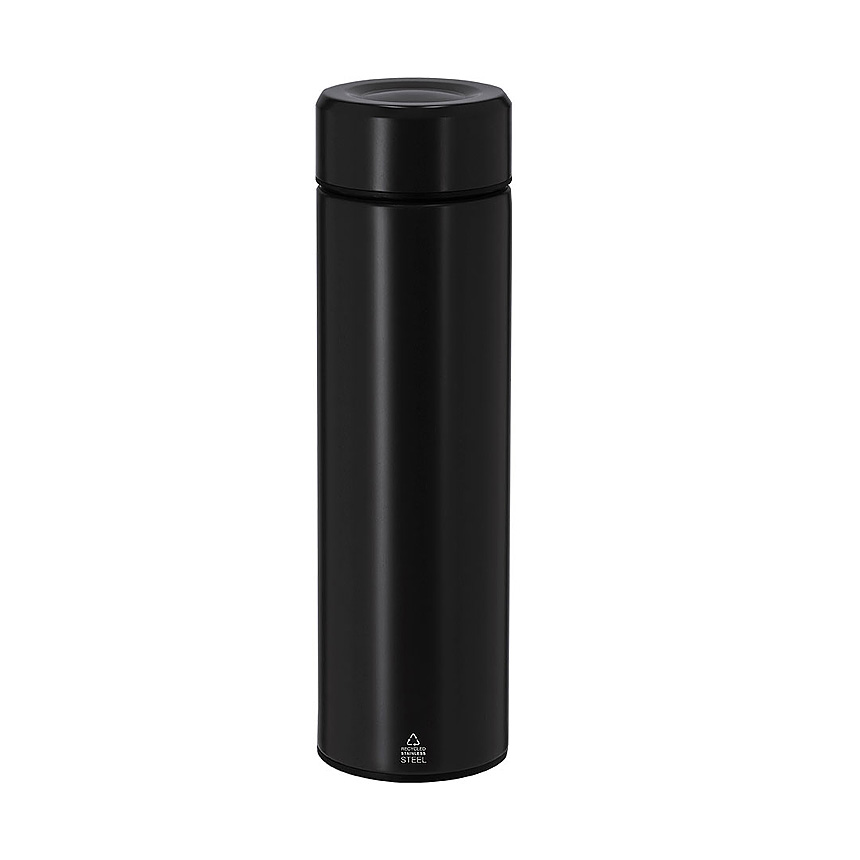
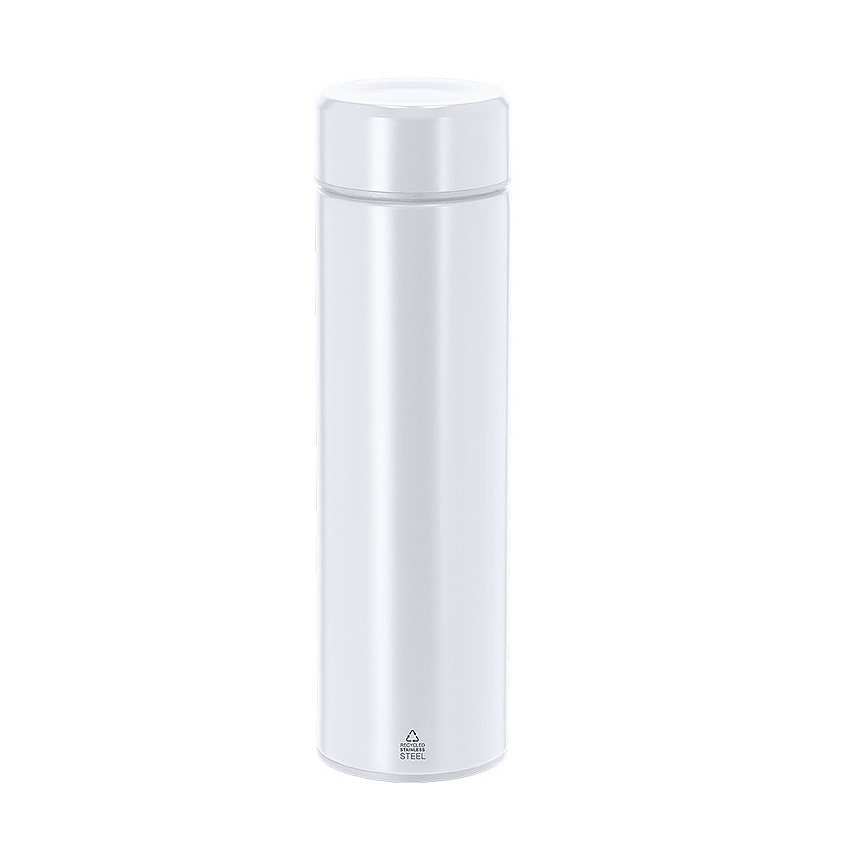
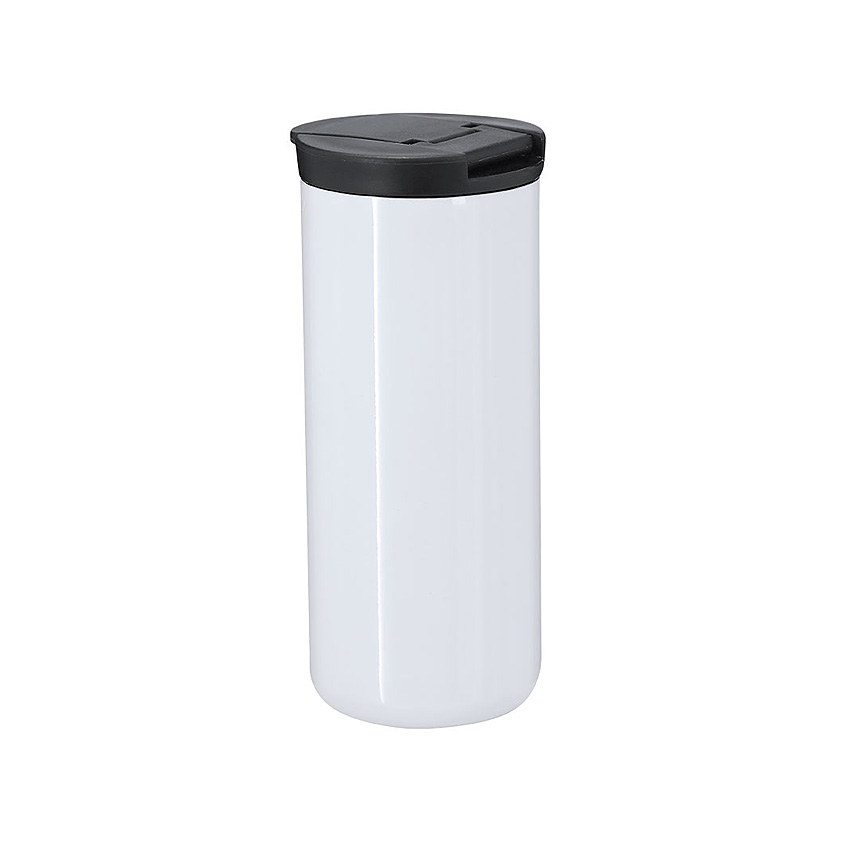
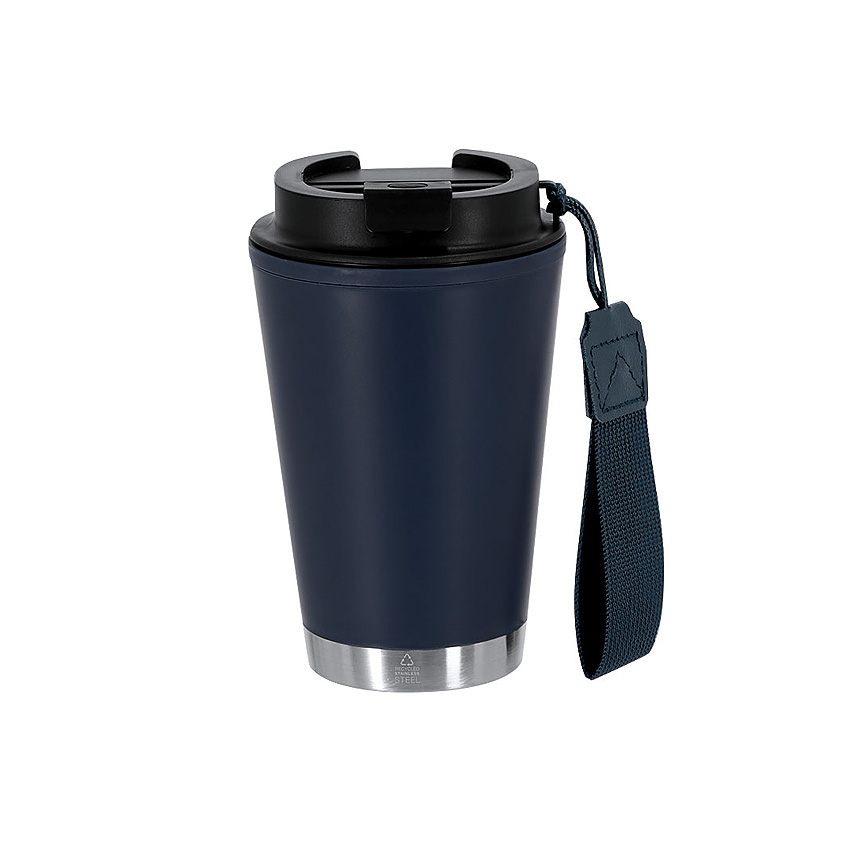
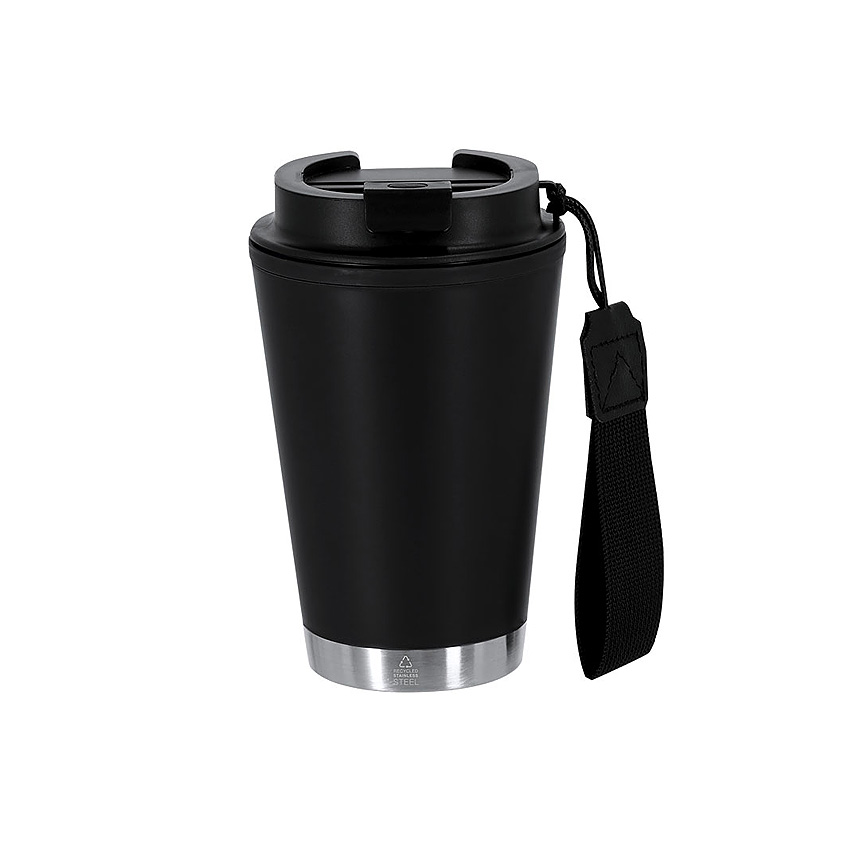
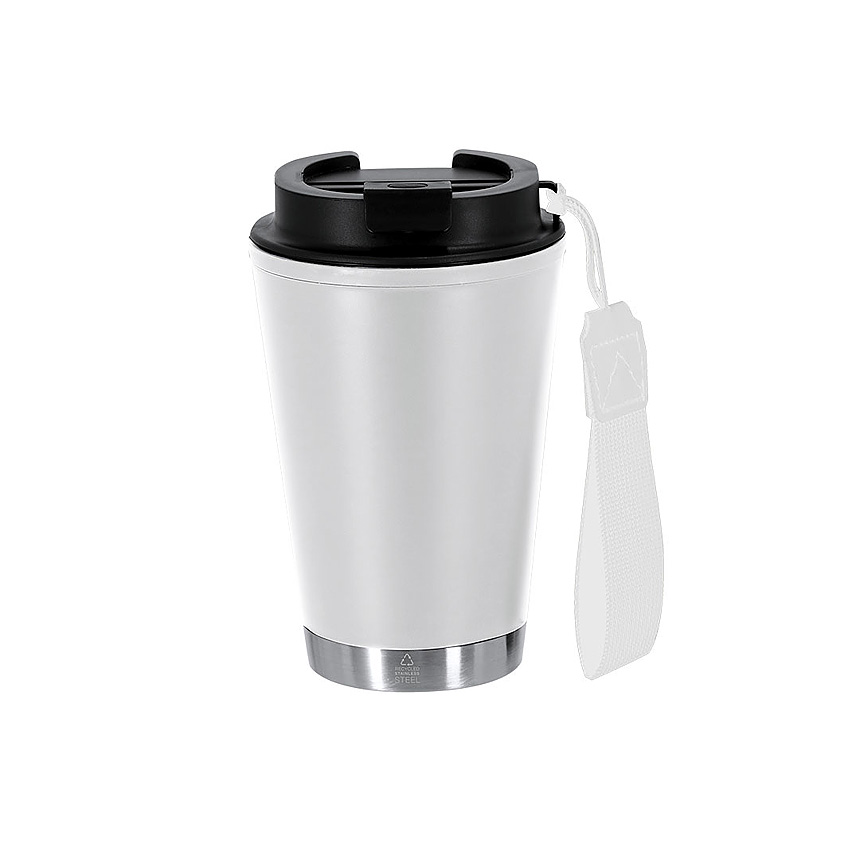
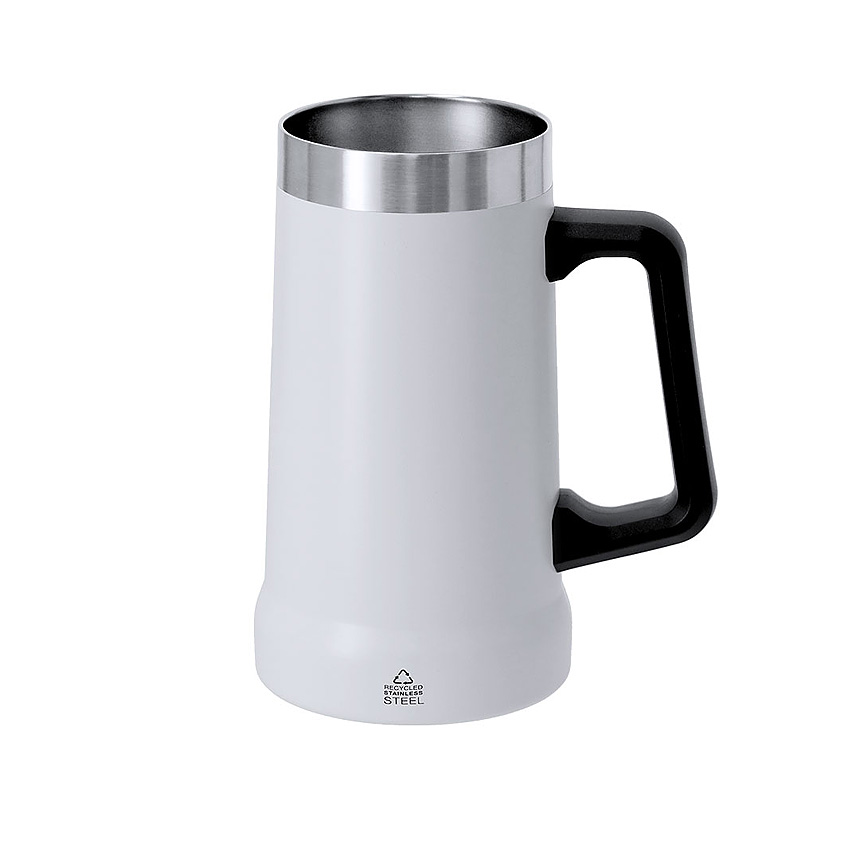
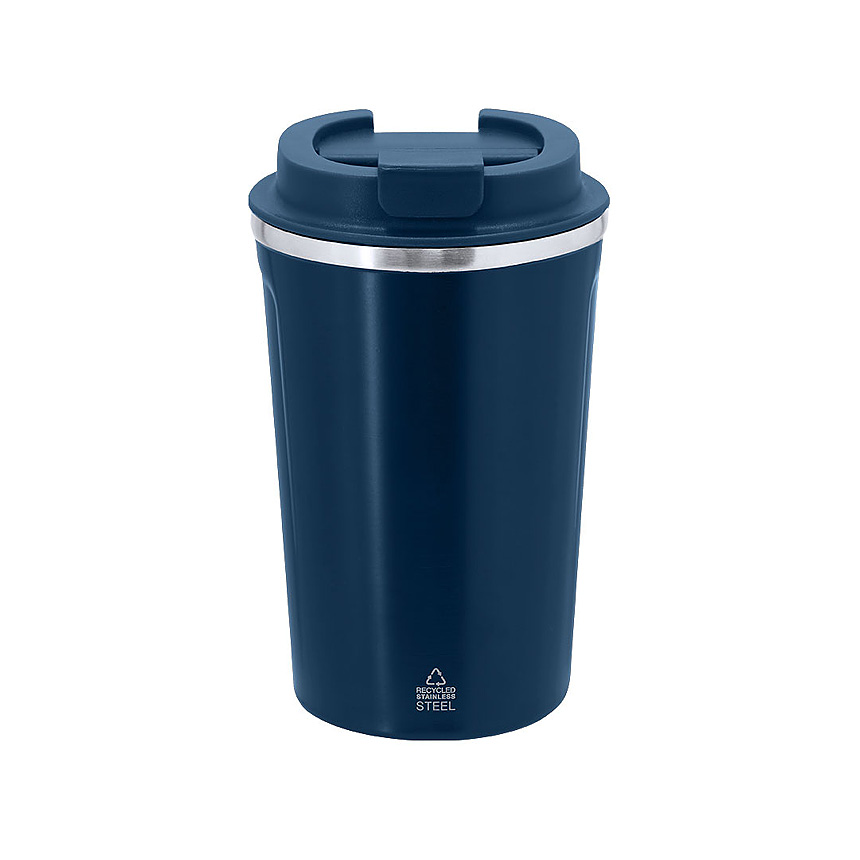
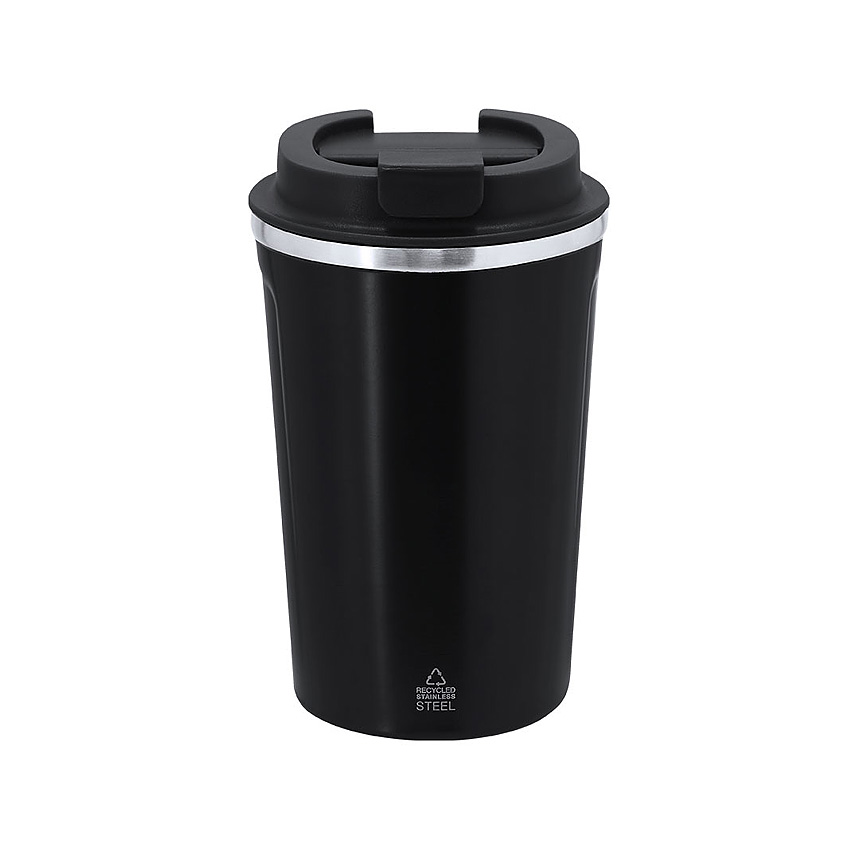
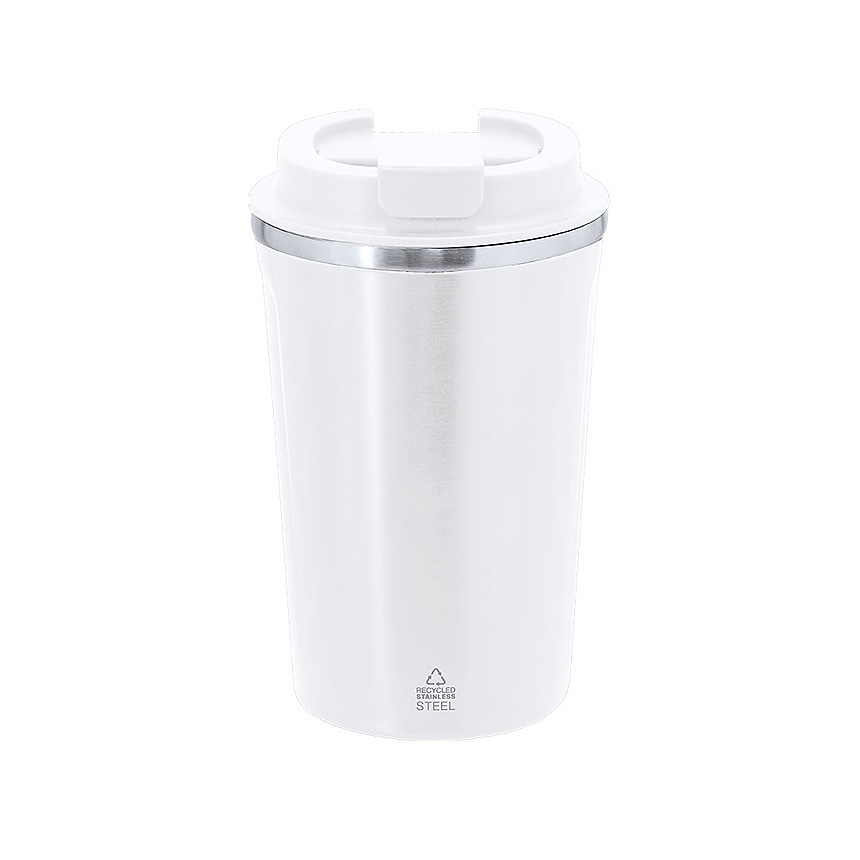
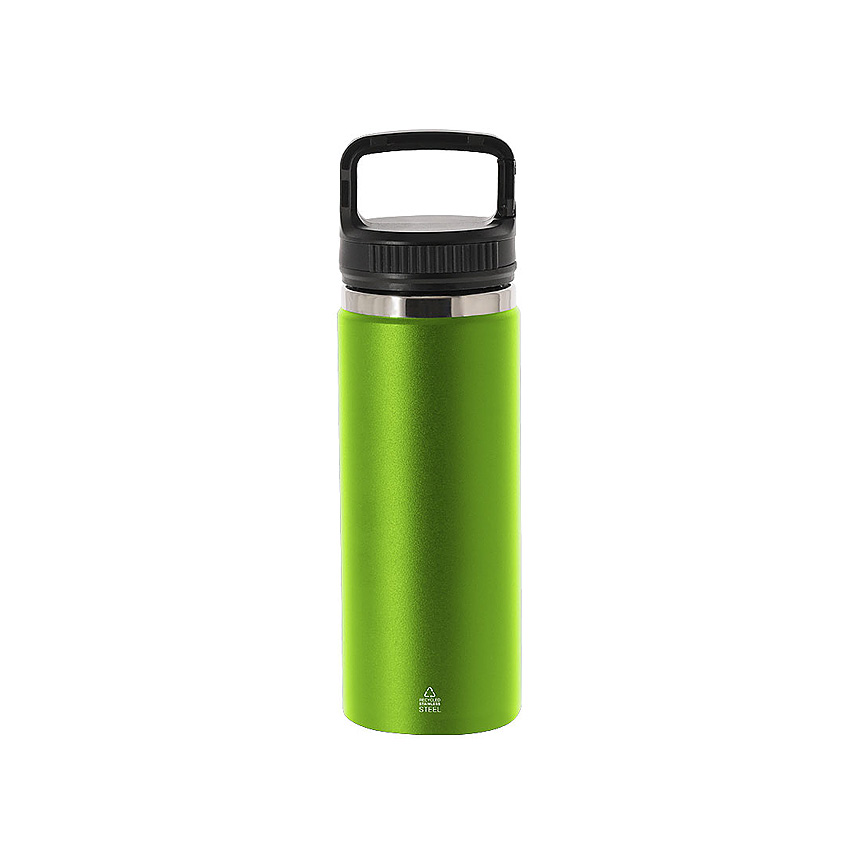
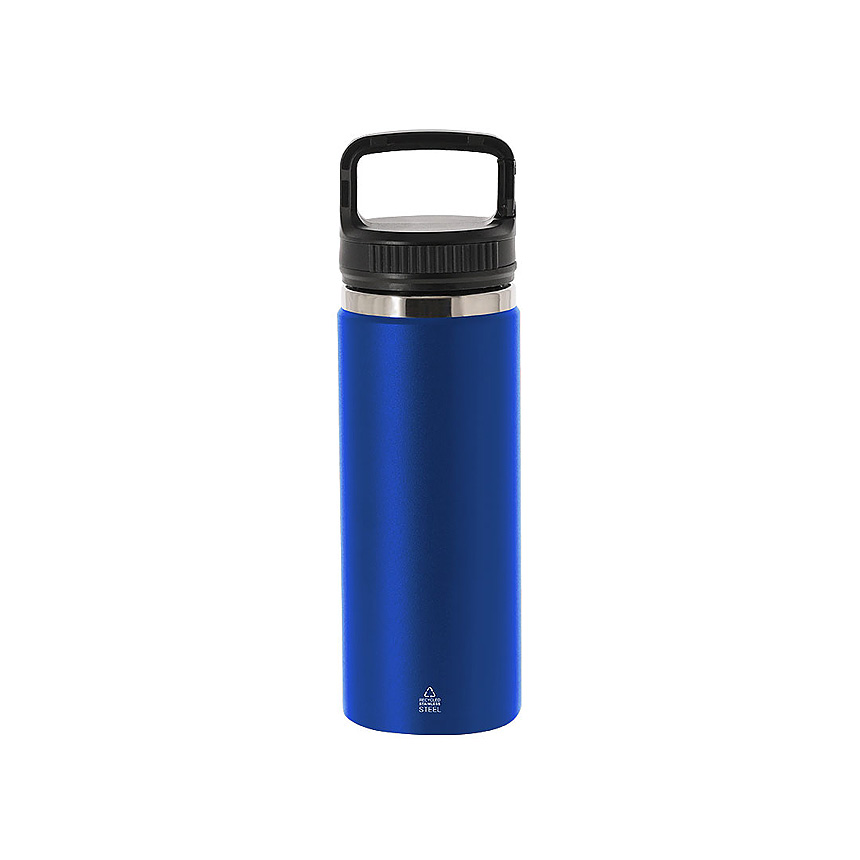
High-quality thermoses and travel mugs are made from food-grade stainless steel (18/8 standard) and feature a double-wall construction with the air evacuated between the inner and outer walls (vacuum insulation). A vacuum is the best thermal insulator because it eliminates heat transfer by conduction. Top vacuum thermoses (including premium models from brands such as Stanley or CamelBak) can keep drinks hot for up to 12 hours and ice-cold for more than 24 hours. Modern travel mugs with a leak-proof lid and an accidental-opening lock are ideal for safely drinking coffee in the car or on the way to the office.
What are the differences between specific bottle types such as cycling bidons, collapsible bottles and metal flasks?
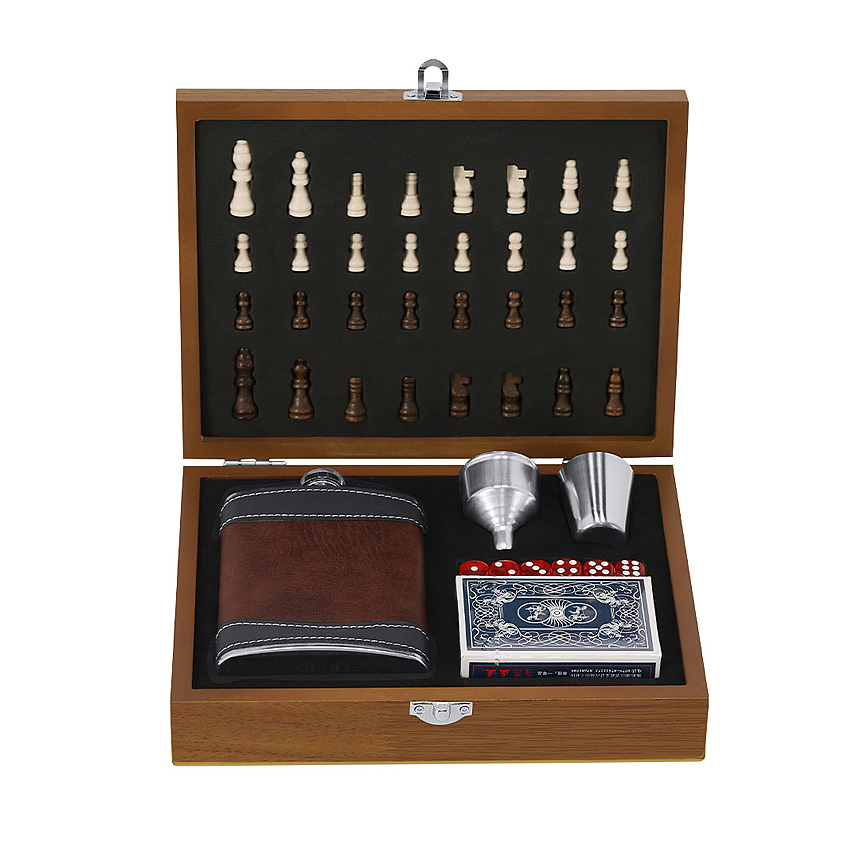
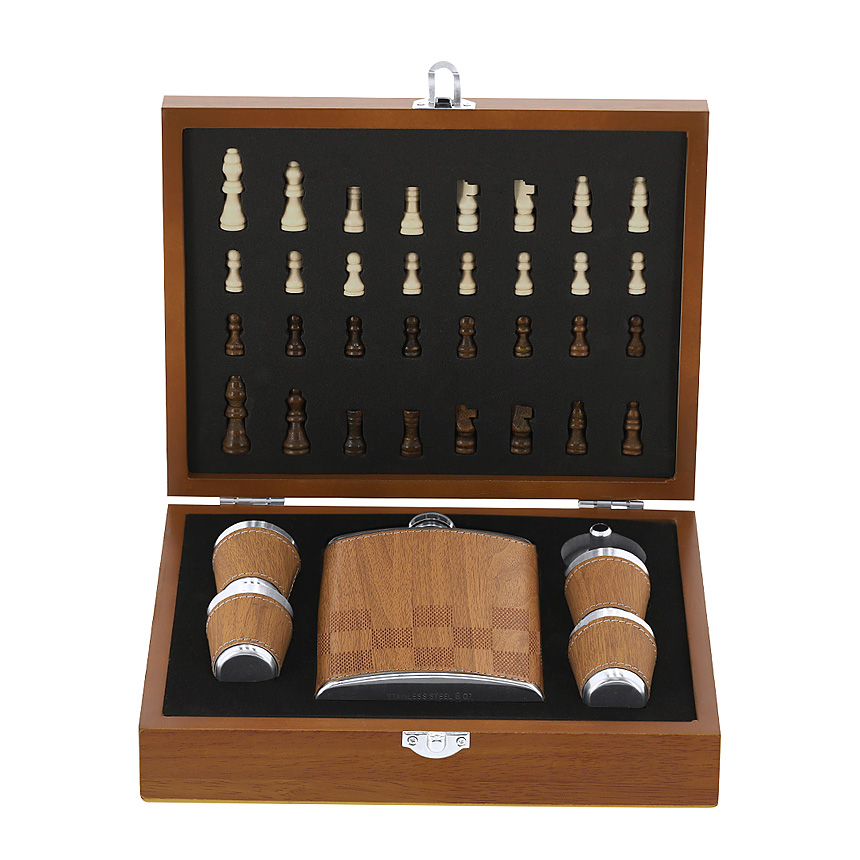
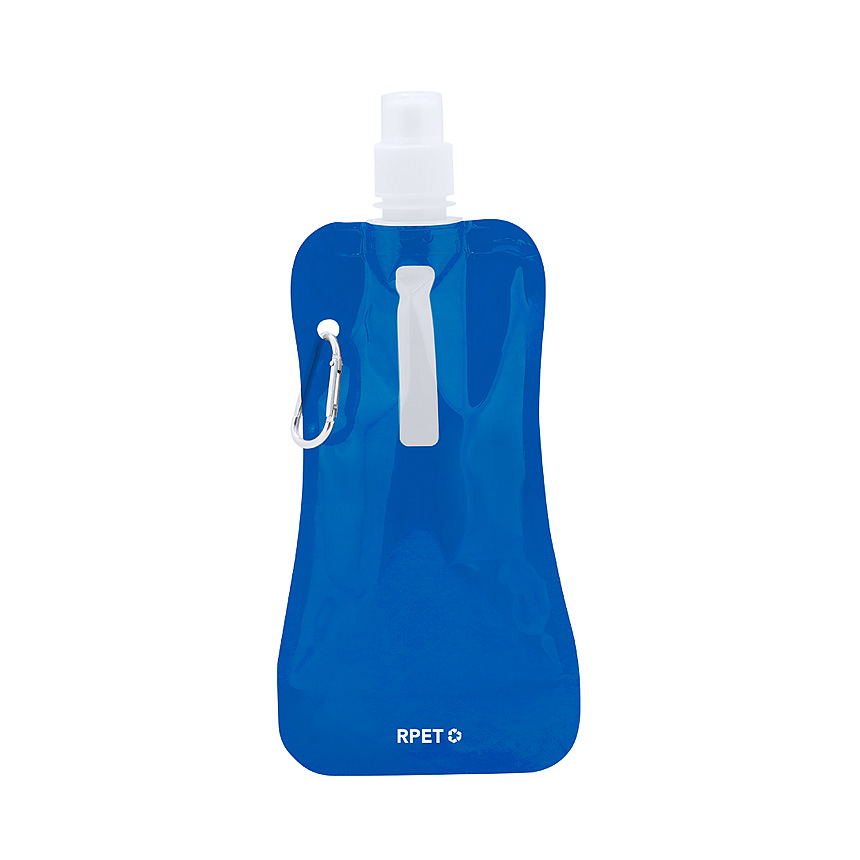
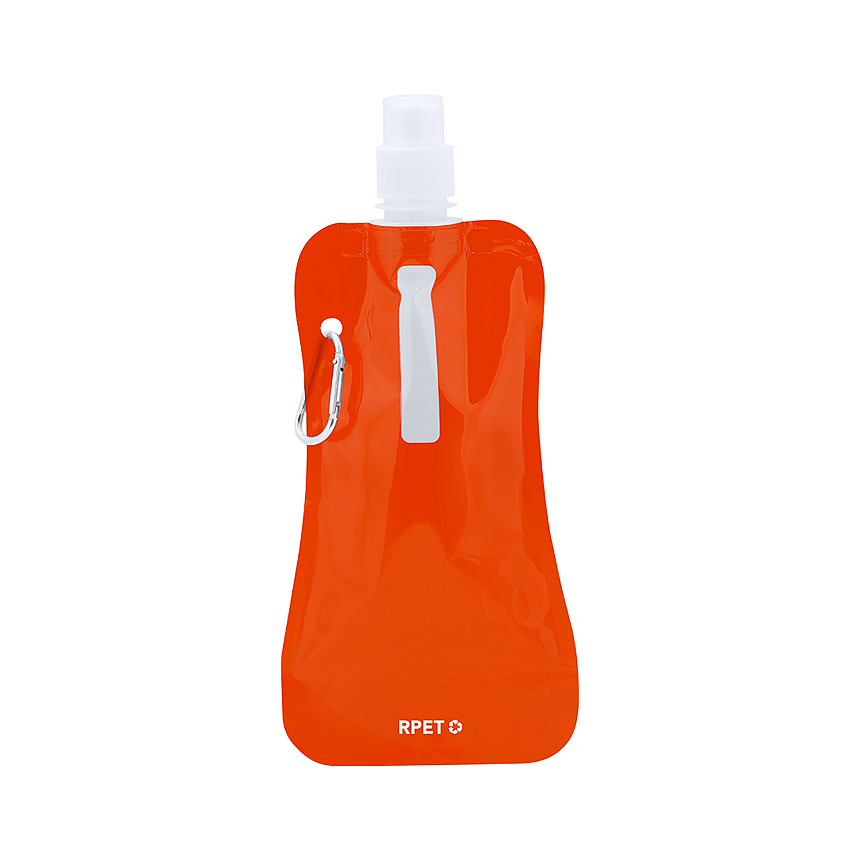
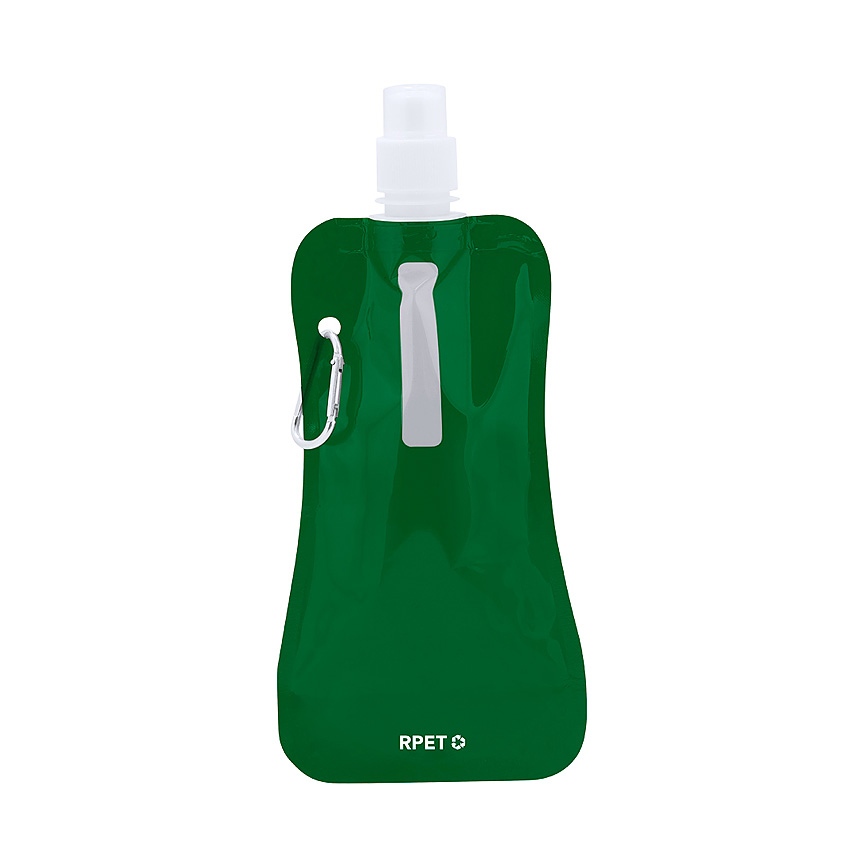
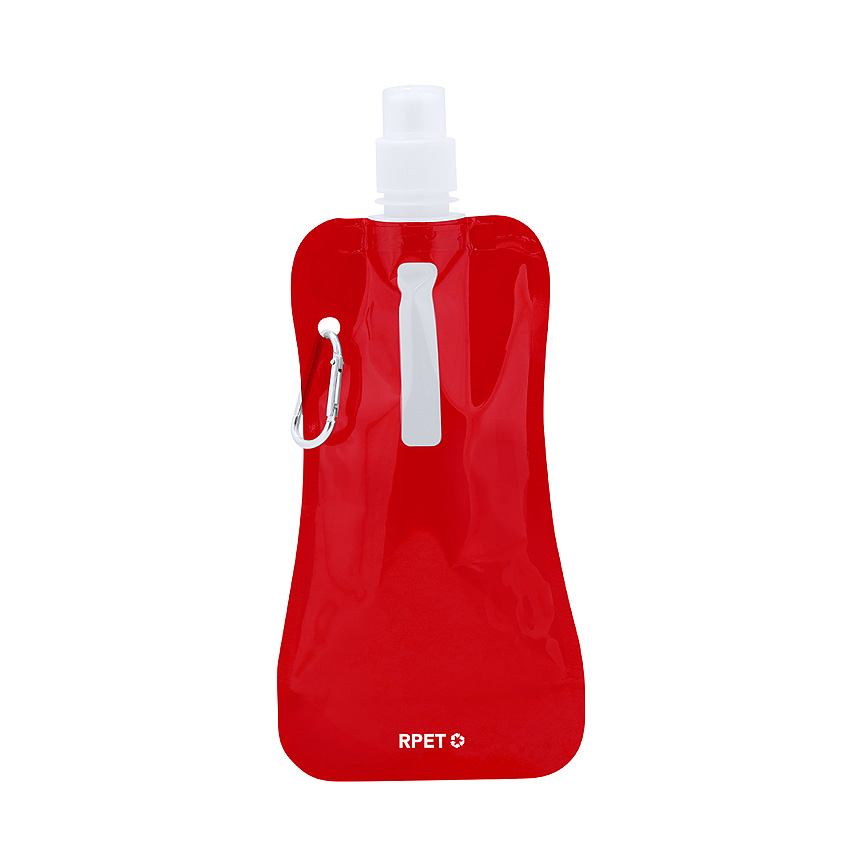
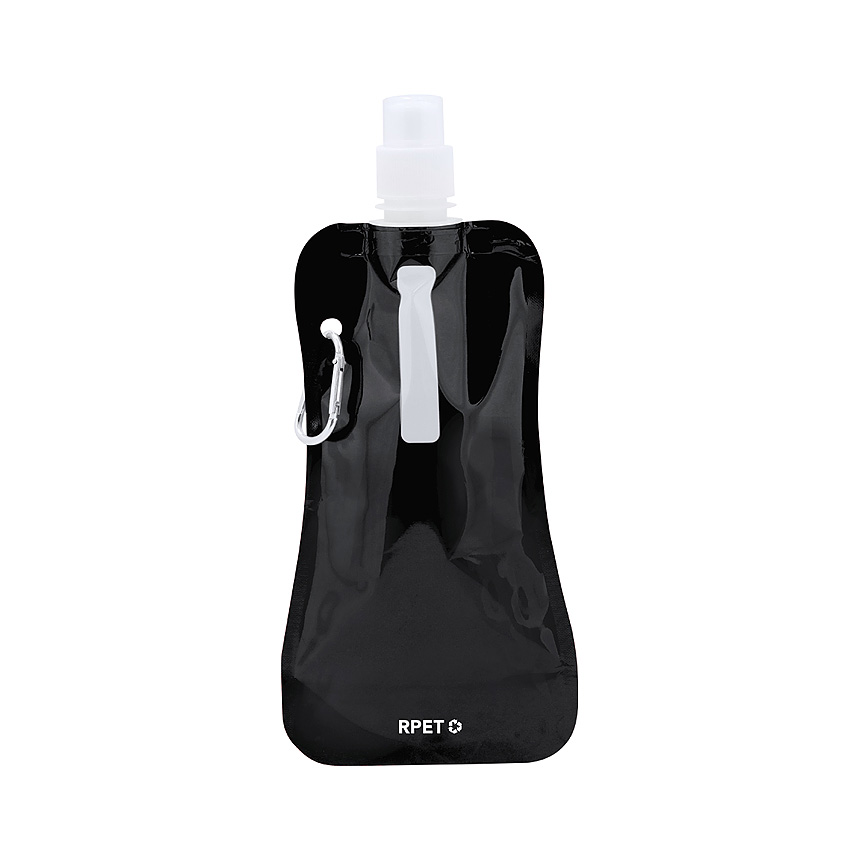
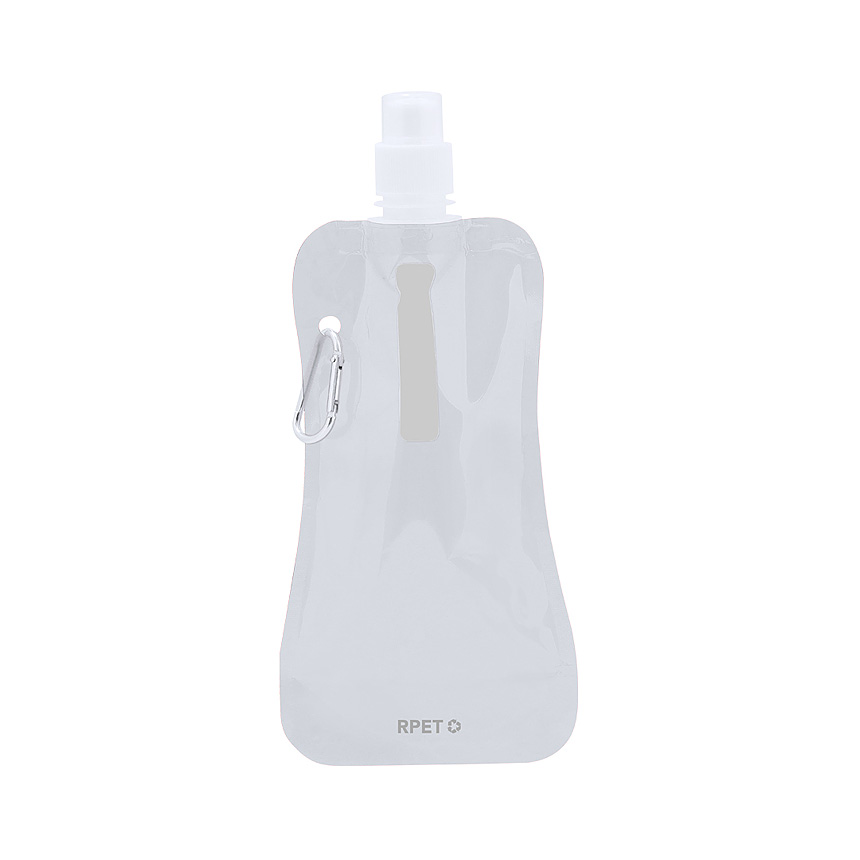
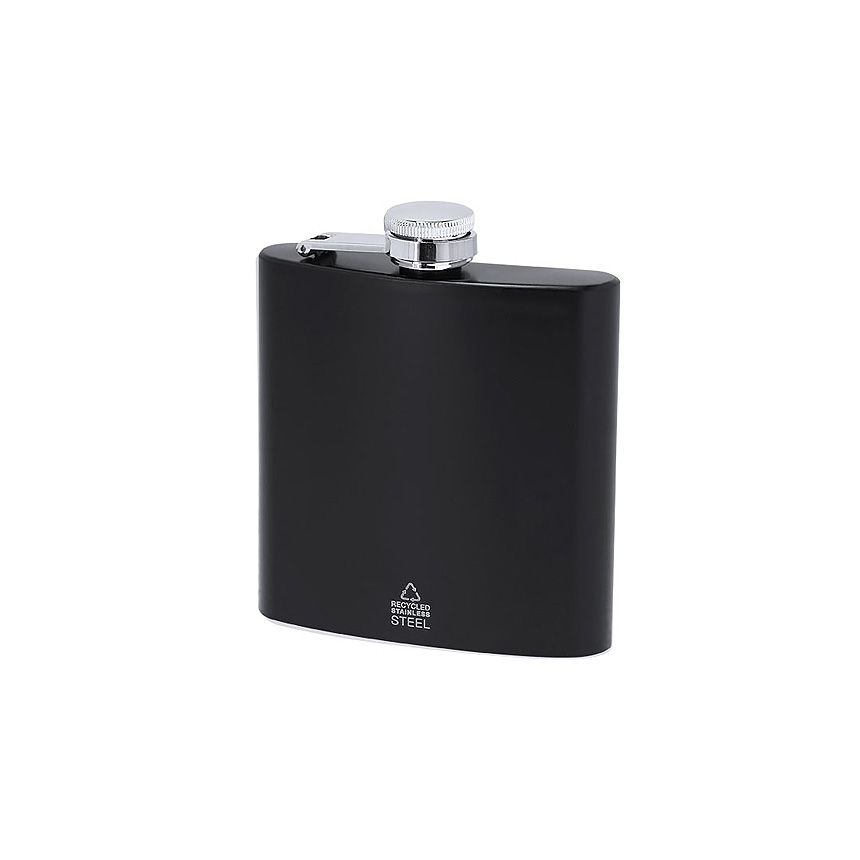
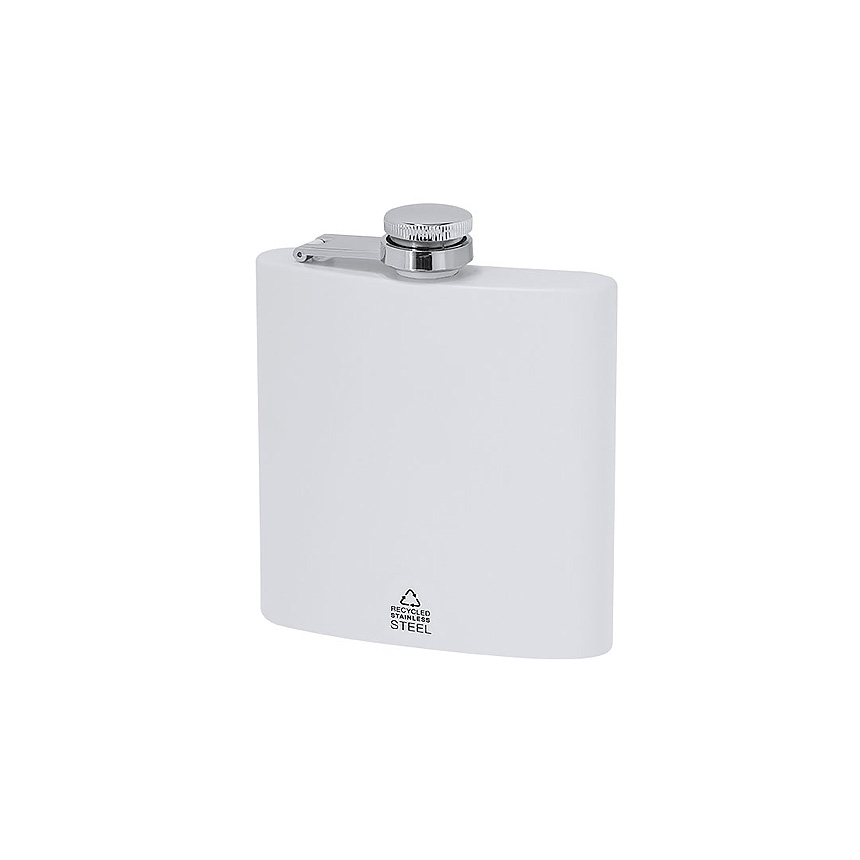
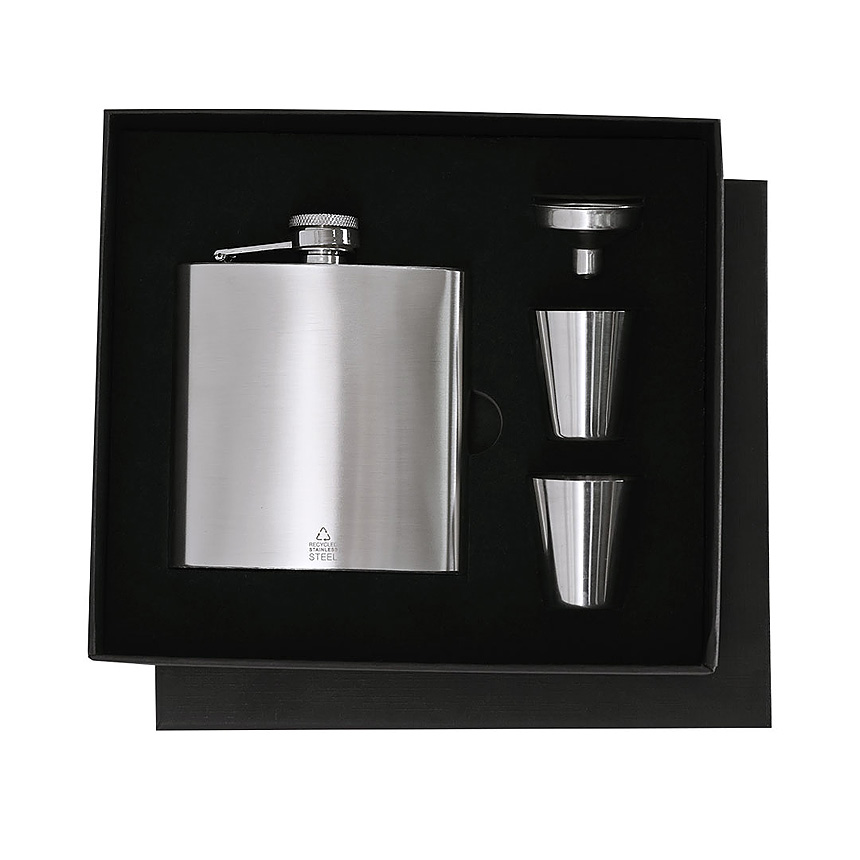
Each type addresses a different user need. Cycling bottles (bidons) are made from soft, squeezable plastics and feature a sports cap for quick one-handed drinking on the go. Collapsible bottles — made from lightweight silicone or flexible TPU — are ideal for travellers: once empty, they can be rolled up to a minimal size and take up virtually no space in a backpack. Classic metal flasks made from stainless steel with a bayonet cap are a traditional, elegant gift for men and outdoor enthusiasts, designed for carrying a small quantity of premium spirits.
Why are lidded tumblers and double-walled mugs with bamboo or cork elements (Americano style) a hit in sustainable marketing?
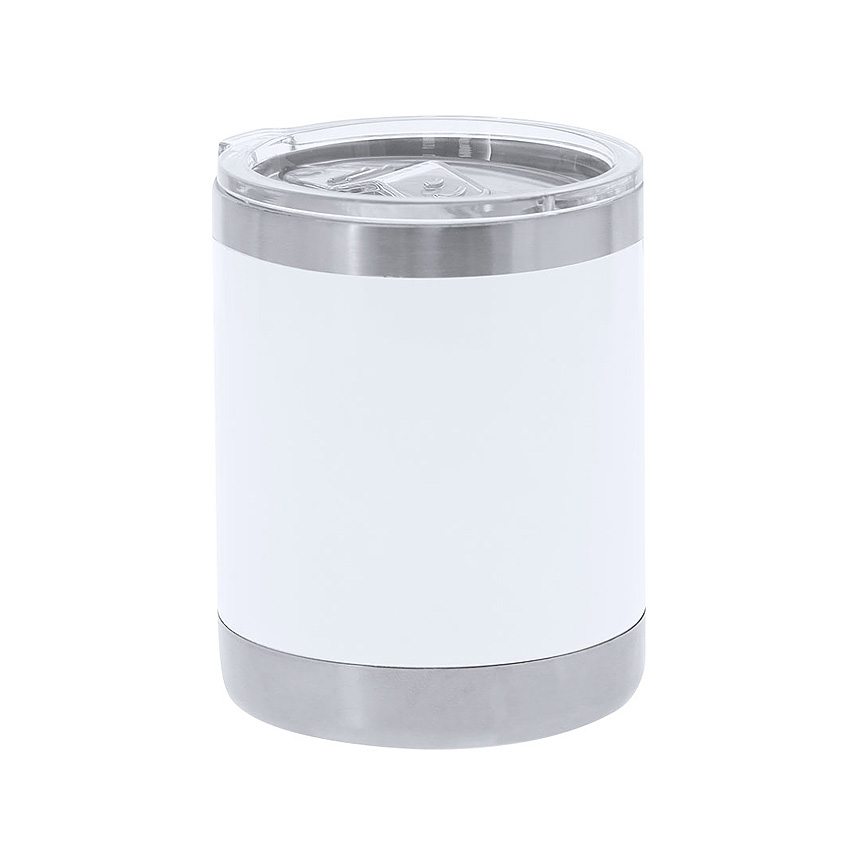
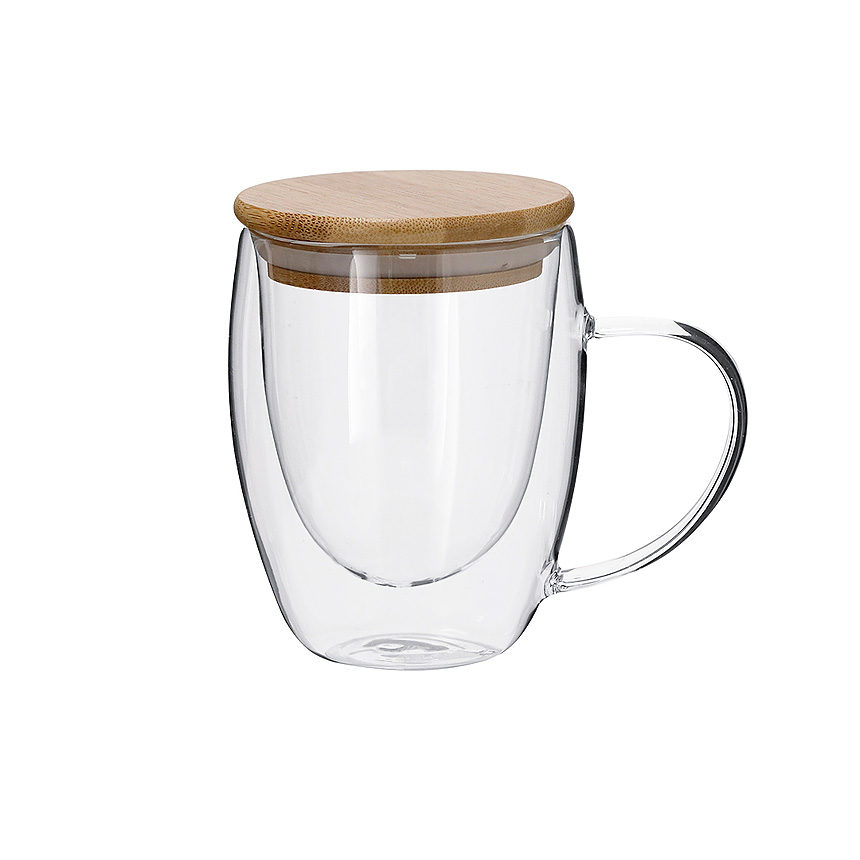
Travel coffee-to-go cups in the Americano style are massively replacing single-use paper and plastic cups from coffee shops, allowing users to dramatically reduce waste production. A major trend is double-walled mugs with lids combined with natural materials. The base or outer sleeve of the mug is often covered with natural cork or polished bamboo. These elements serve as excellent natural thermal insulation — the mug feels very comfortable to hold, does not burn the hands, and visually communicates the eco-conscious mindset and modern lifestyle of its owner.
What are the options for full-surface branding on stainless steel bottles and thermal mugs?
Stainless steel and Tritan bottles offer excellent opportunities for high-impact marketing. For single-colour logos on metal thermal bottles, rotary laser engraving is the best choice — it can engrave a logo around the entire circumference of the bottle (360-degree branding). This engraving is completely permanent and cannot be washed off. For plastic and Tritan bottles, rotary screen printing is used. If your corporate artwork requires a full-colour design, photographs or complex colour gradients, modern digital UV printing with a circular attachment is the ideal solution — it prints the entire surface of the bottle from top to bottom at outstanding high resolution.


 English - EUR
 Deutsch - EUR
 Slovensky - EUR
 Česky - CZK