How do I choose the right material and volume for a corporate promotional mug?
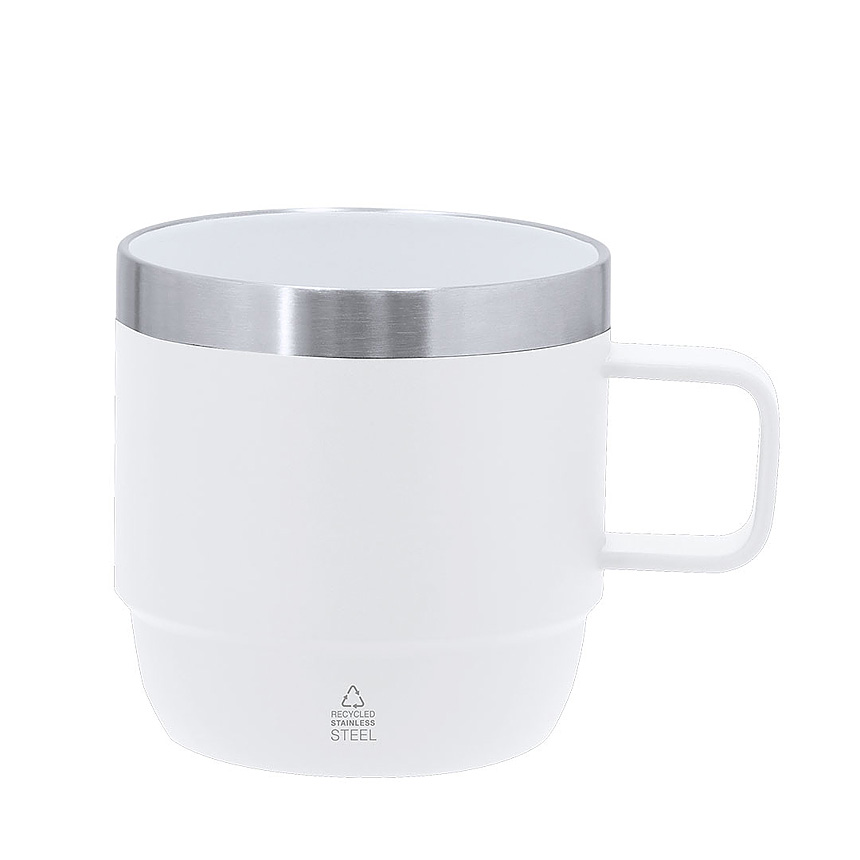
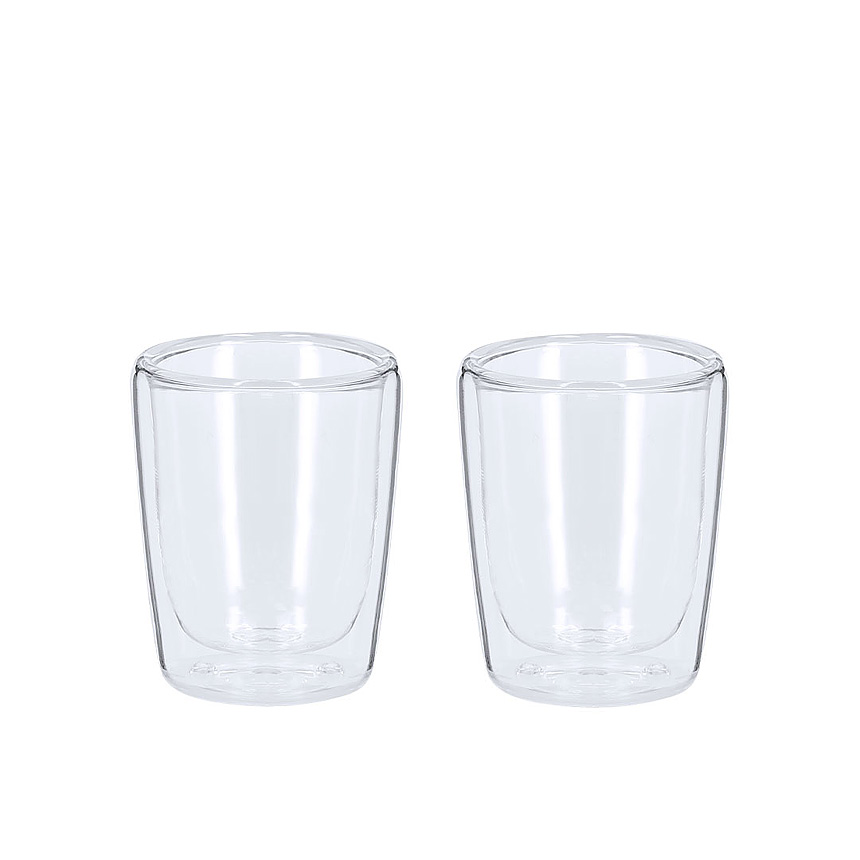
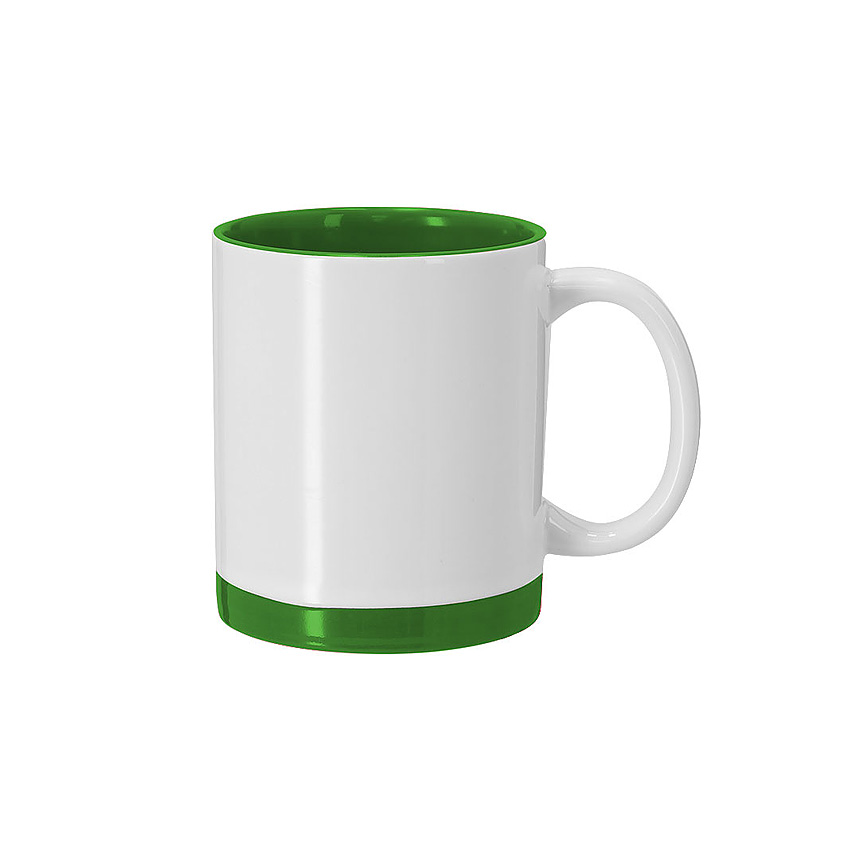
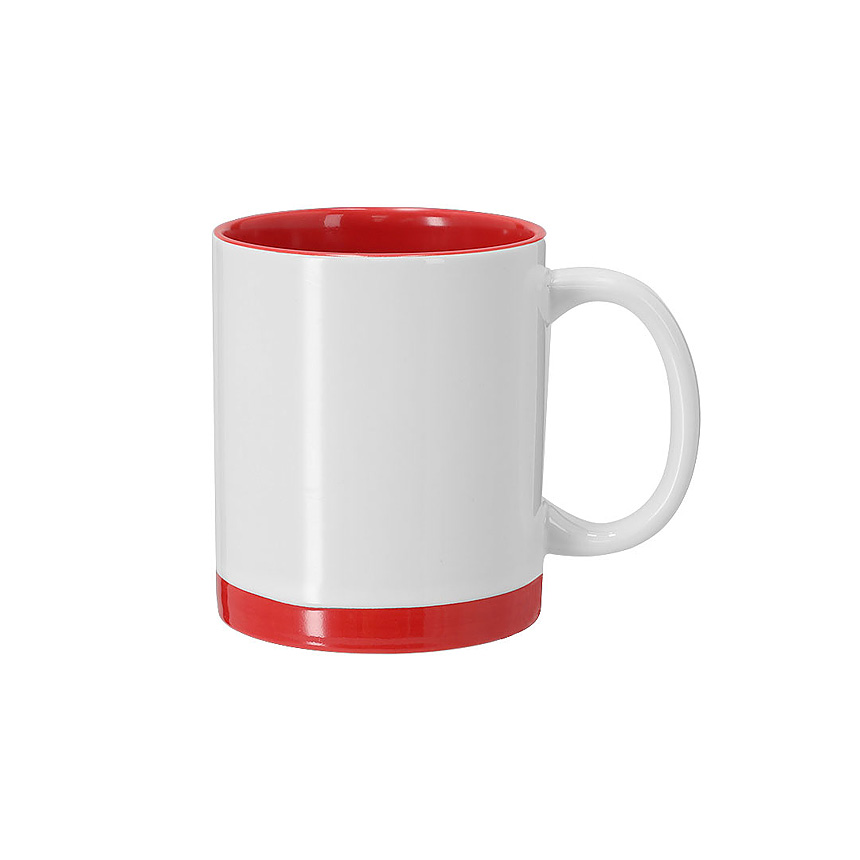
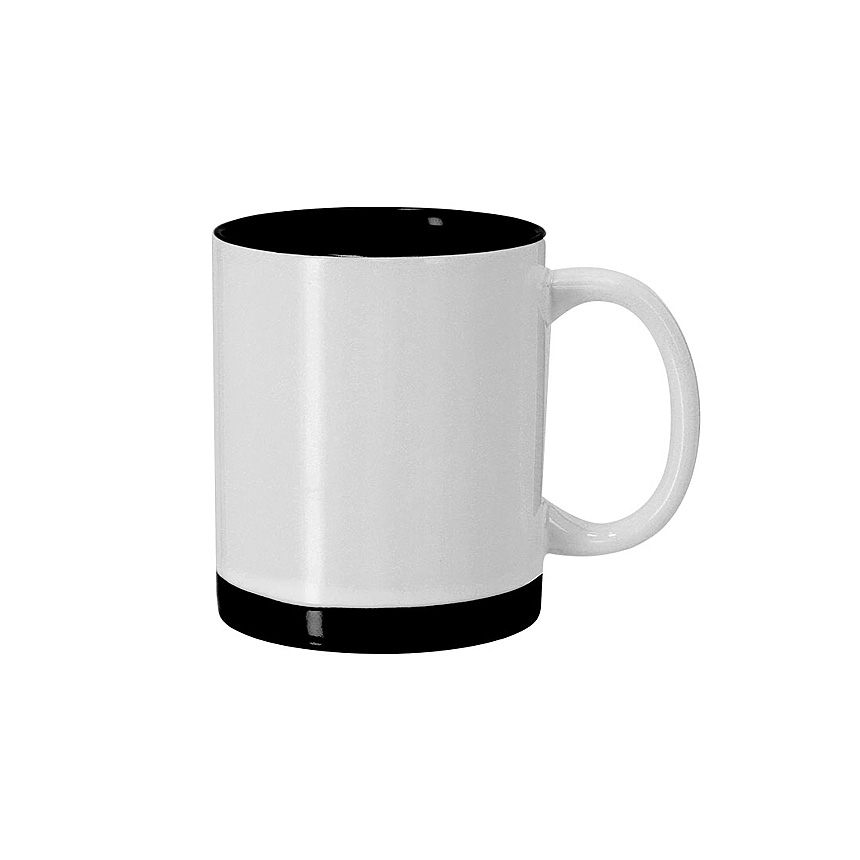
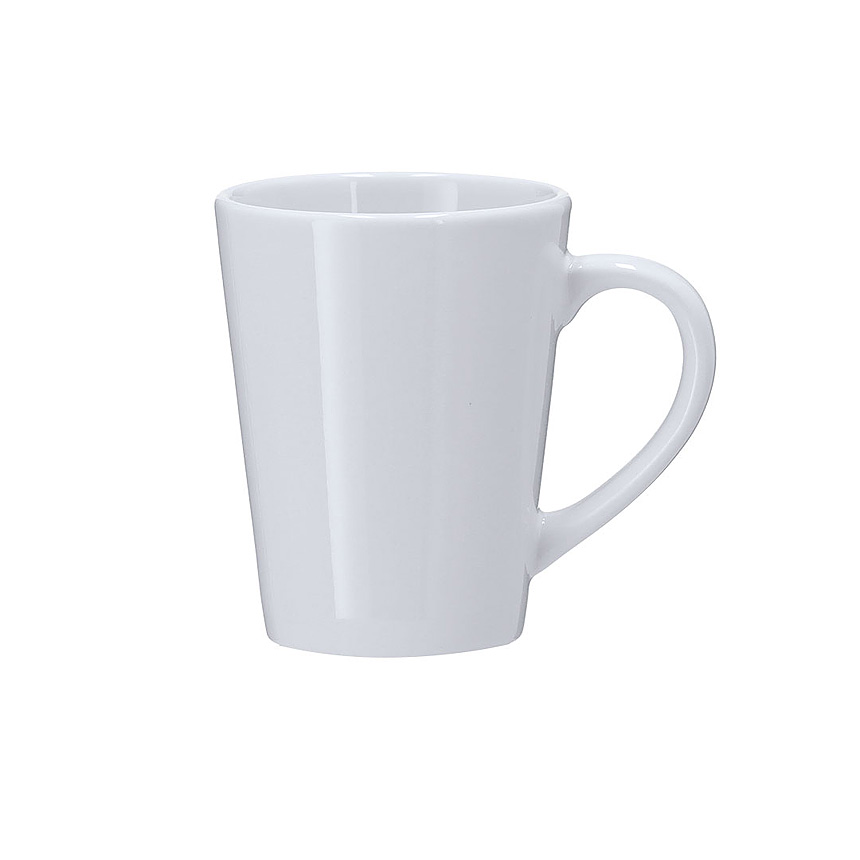
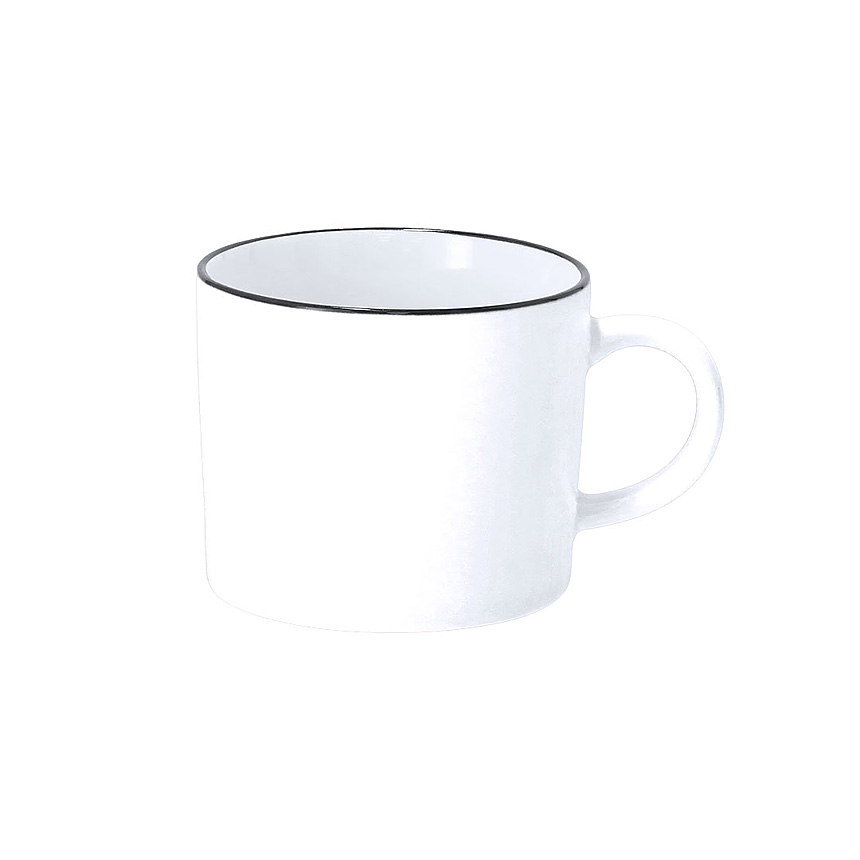
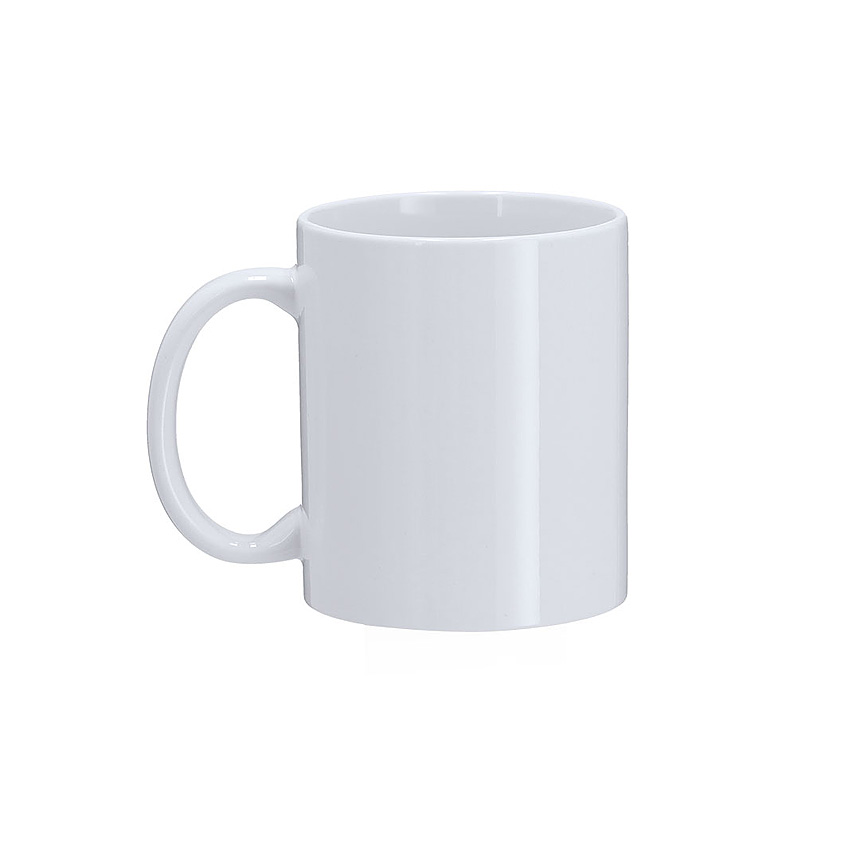
The choice of mug depends on the preferred beverage and the target audience. Classic ceramic mugs with a capacity of 250 to 350 ml are the industry standard for serving coffee and tea in office environments. Porcelain mugs have thinner walls, are lighter and convey a more premium feel, making them an ideal choice for boardrooms and management. Glass mugs — including models made from durable borosilicate glass — are a hit in modern cafes and offices, as they allow the layers of a latte macchiato or the colour of a herbal tea to shine through. For fans of larger drinks, volumes of 450 ml and above are the right choice.
What is the difference between standard mug printing and high-temperature firing in terms of dishwasher resistance?
Two fundamental technologies are used for mug branding. Direct printing (pad printing or screen printing) is cured at lower temperatures and is well suited to simpler logos — it offers an attractive price point, but requires more careful hand washing. For absolute resistance to daily washing in industrial dishwashers, high-temperature firing is used (decoration with precious metal compounds or hydro-glaze). The logo is first printed onto transfer paper, applied to the mug, and then fired in a kiln at temperatures above 700 °C. The colour fuses with the glaze, creating a completely permanent and non-washable bond.
What are magic mugs and what other modern surface finishes exist for promotional mugs?
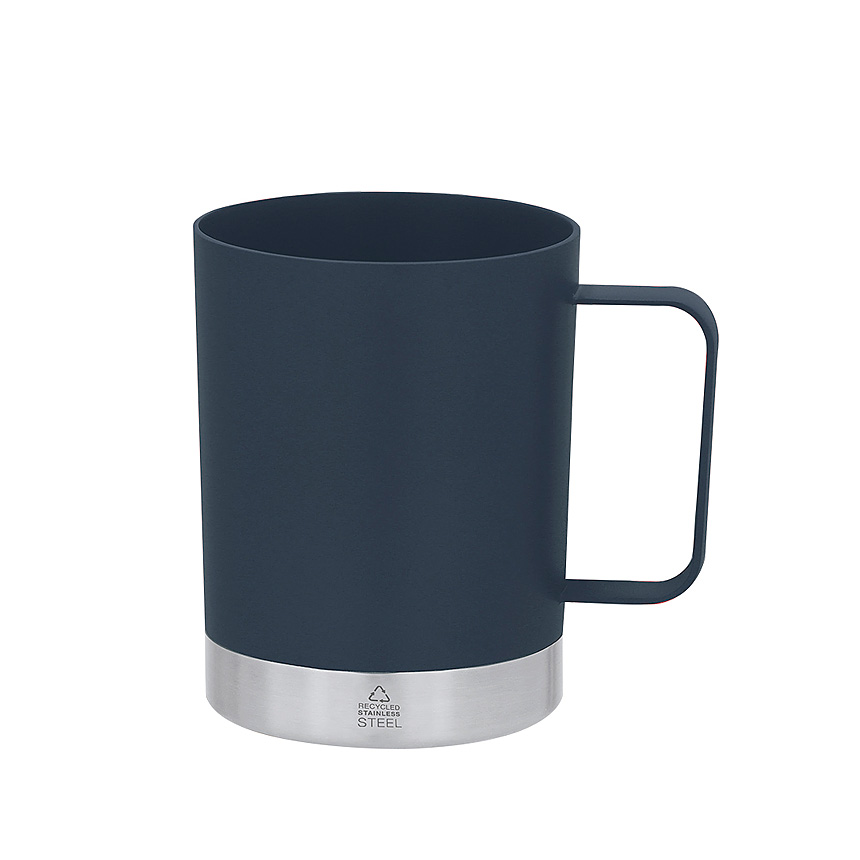
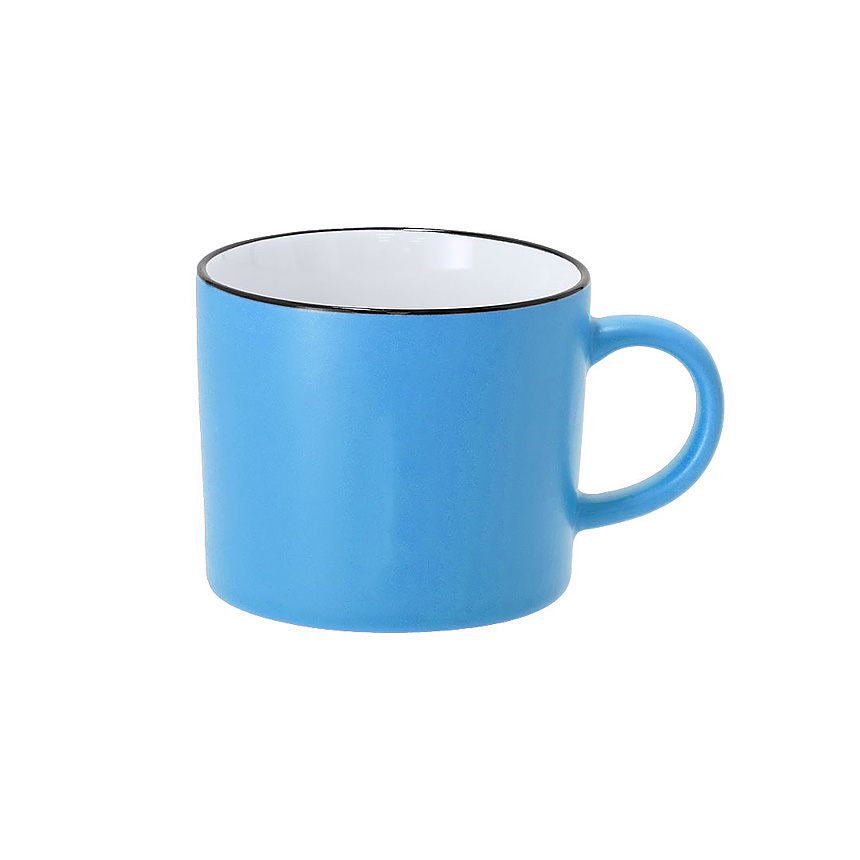
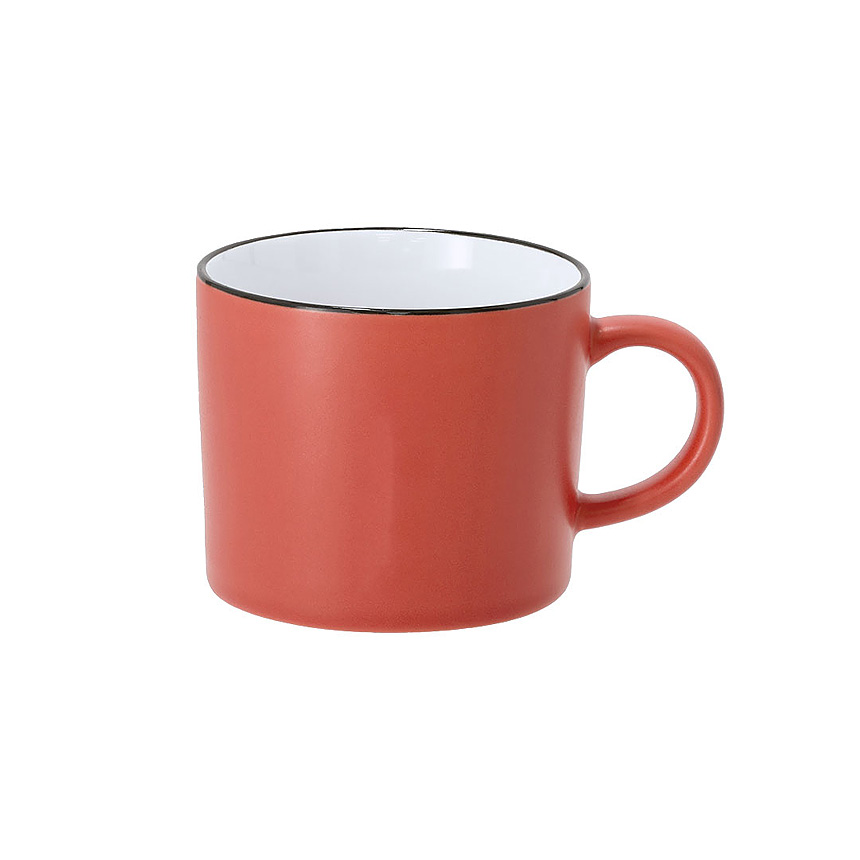
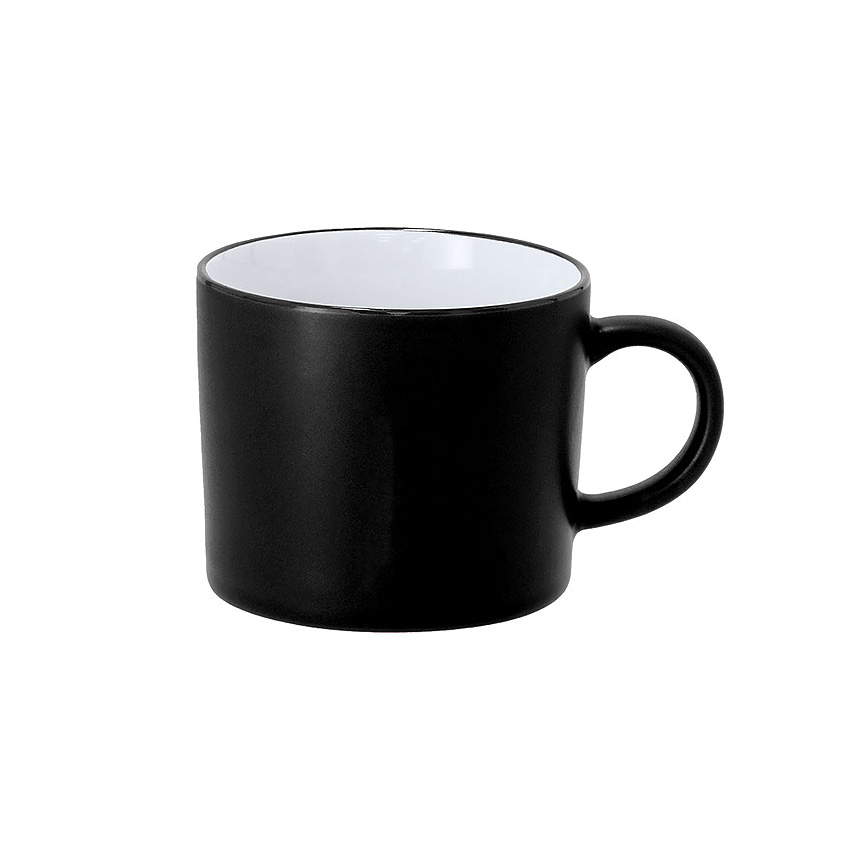
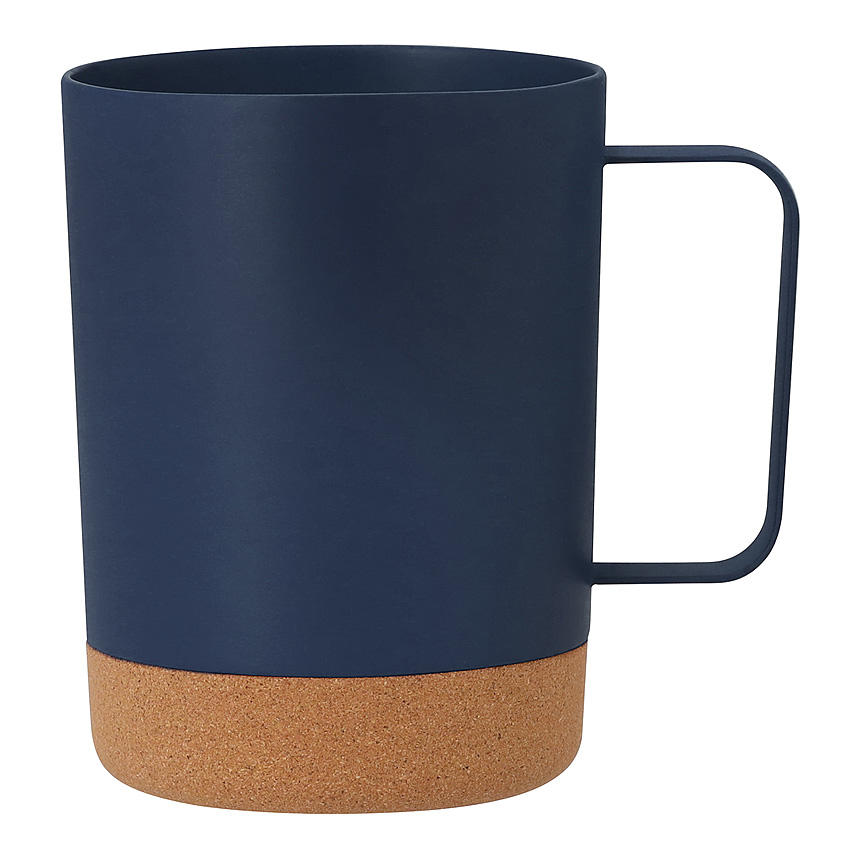
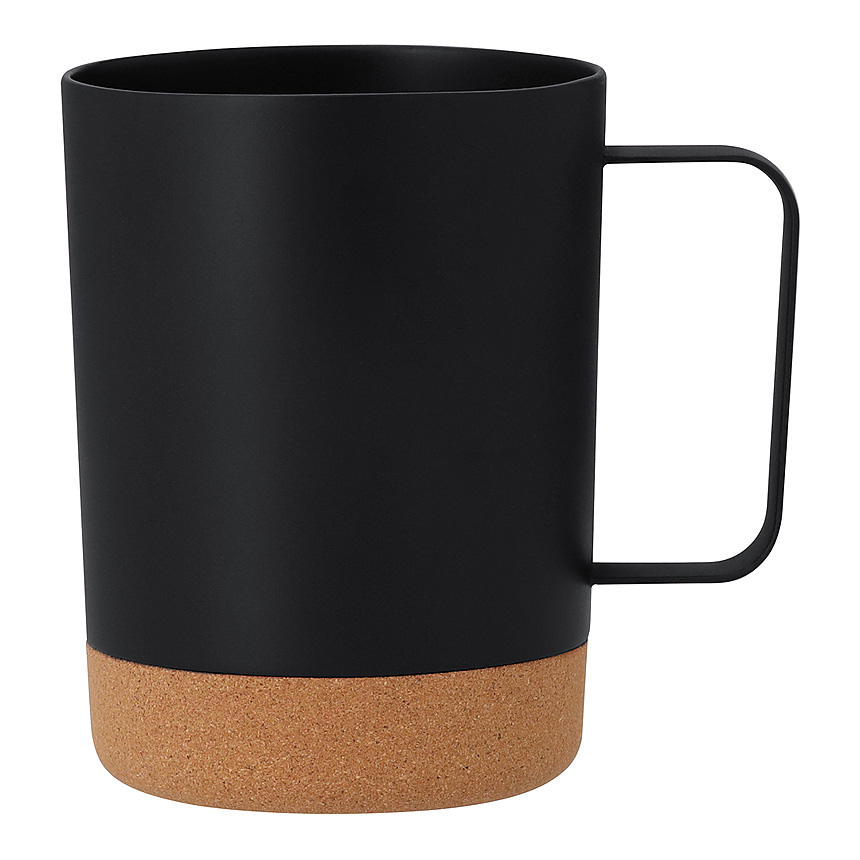
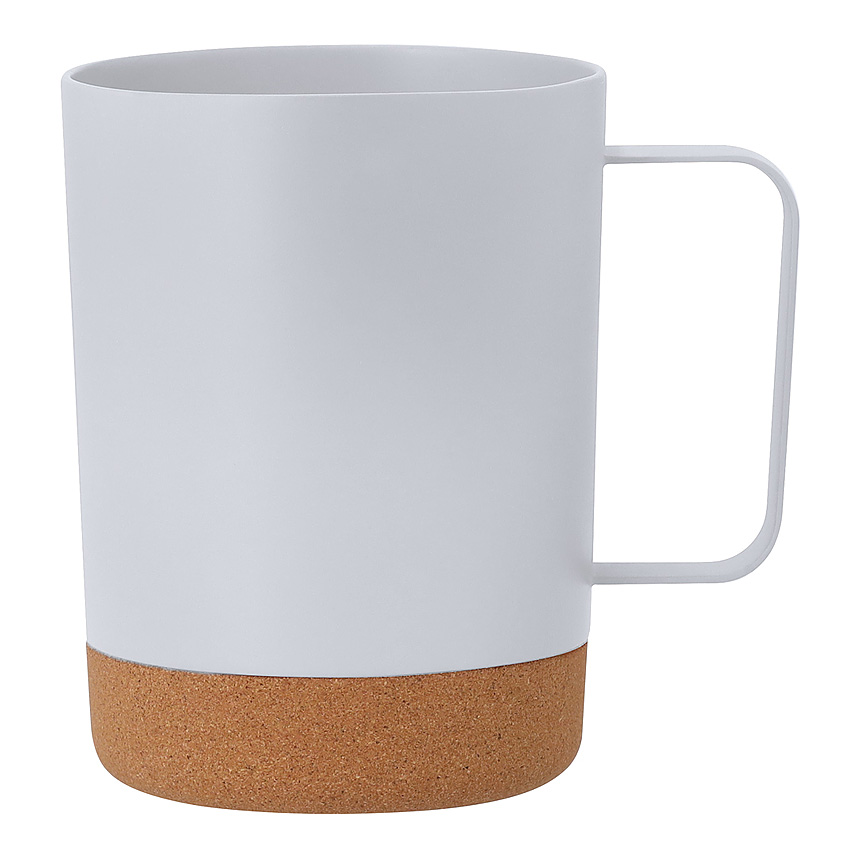
Mug technology offers some very creative possibilities. 'Magic' mugs are coated with a special heat-sensitive layer. When cold, the mug appears in a single colour (e.g. black), but once a hot drink is poured in, the surface turns white and reveals a hidden full-colour company logo or graphic. Other major trends include mugs with a matte soft-touch finish that feels very pleasant to the touch, mugs with a chalkboard surface on which messages can be written, and mugs combined with a natural cork or bamboo base that protects the desk from scratches.
What are the advantages of outdoor enamel mugs, tea sets with teapots, and festive glassware such as beer steins and event cups?
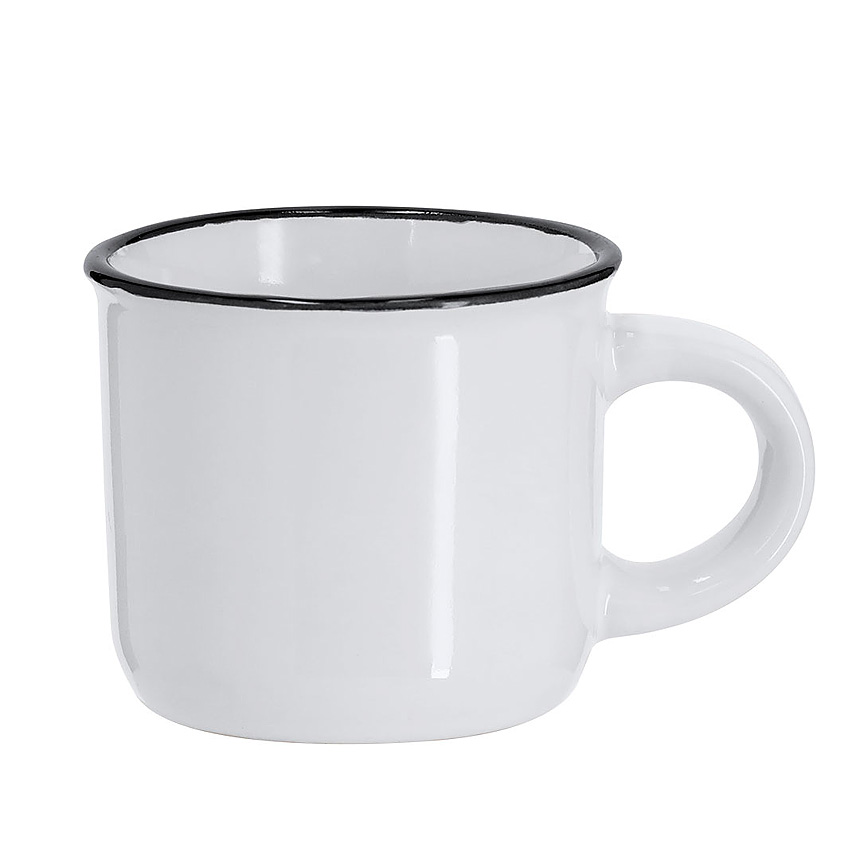
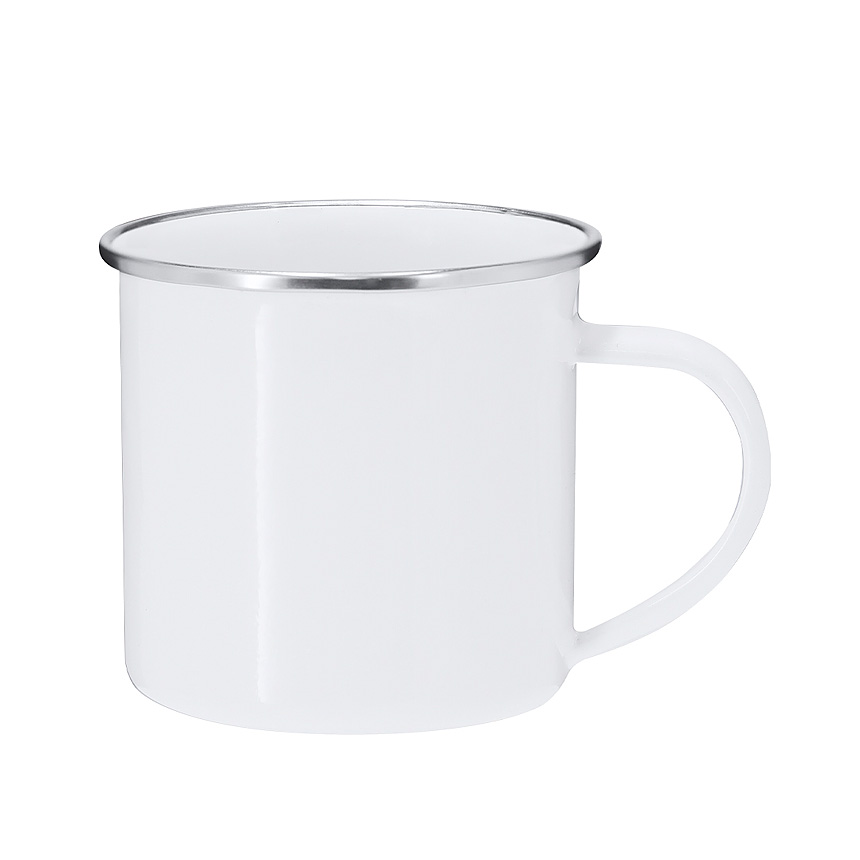
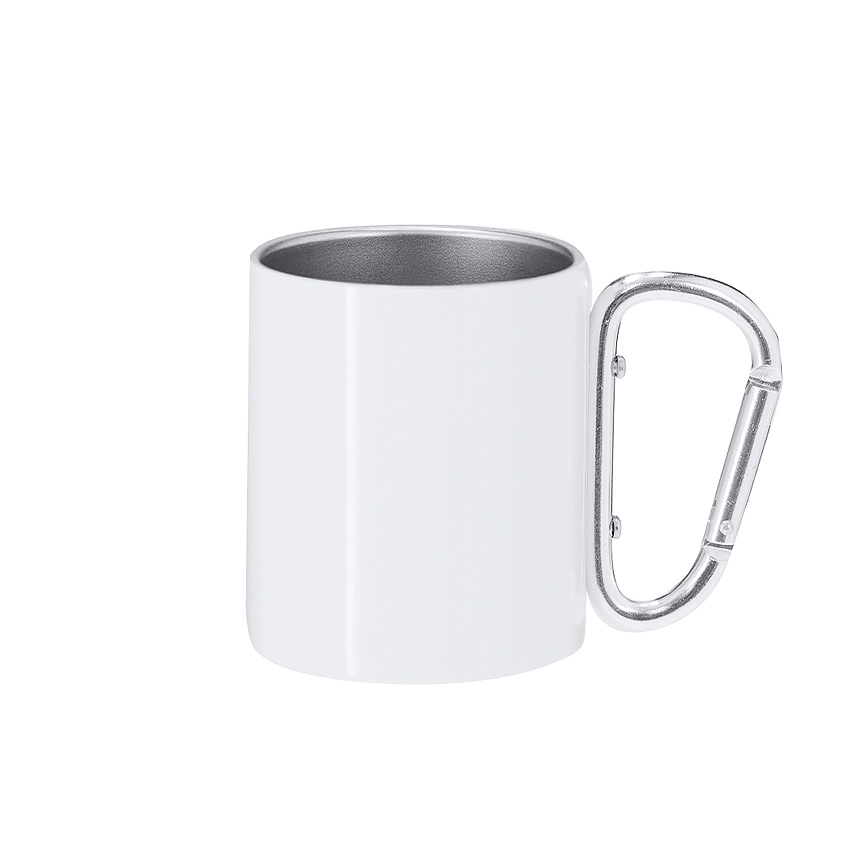
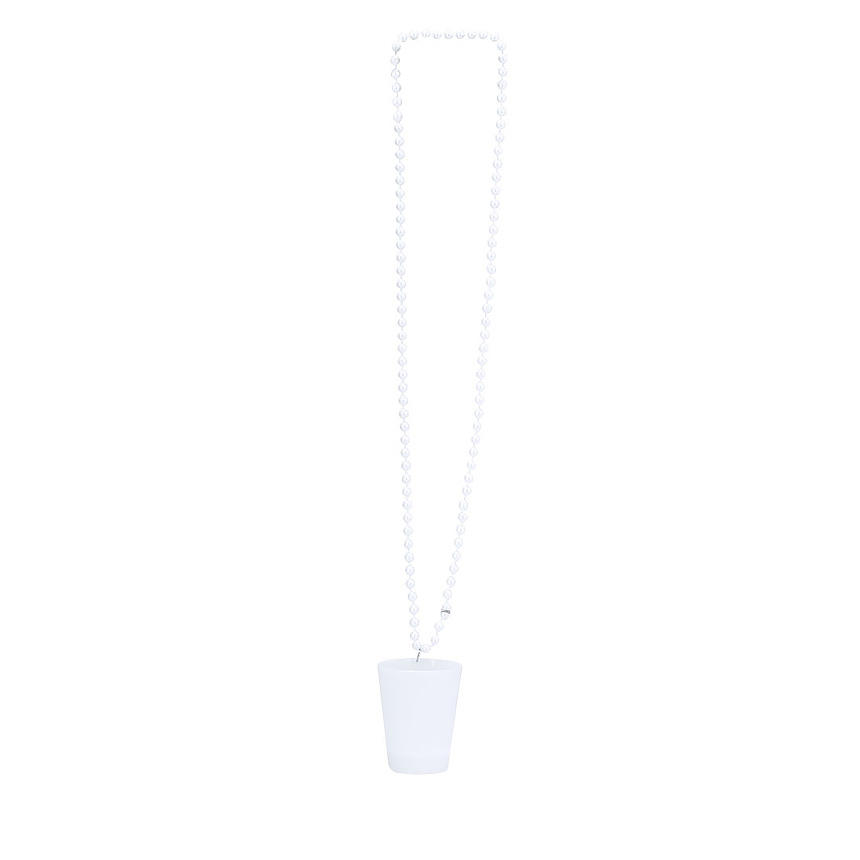
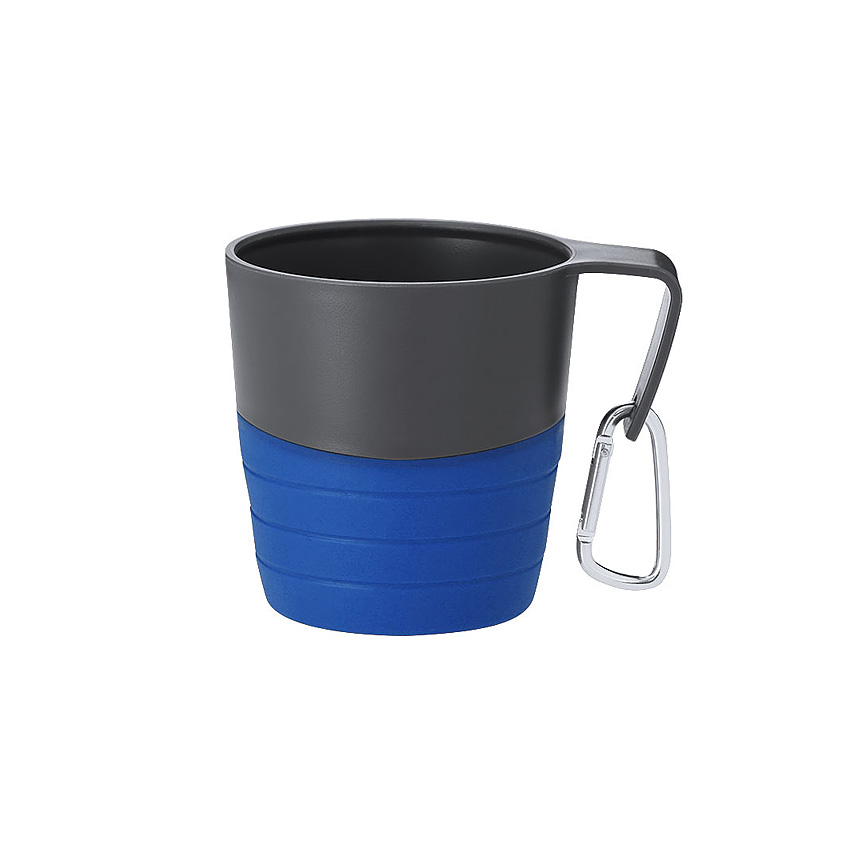
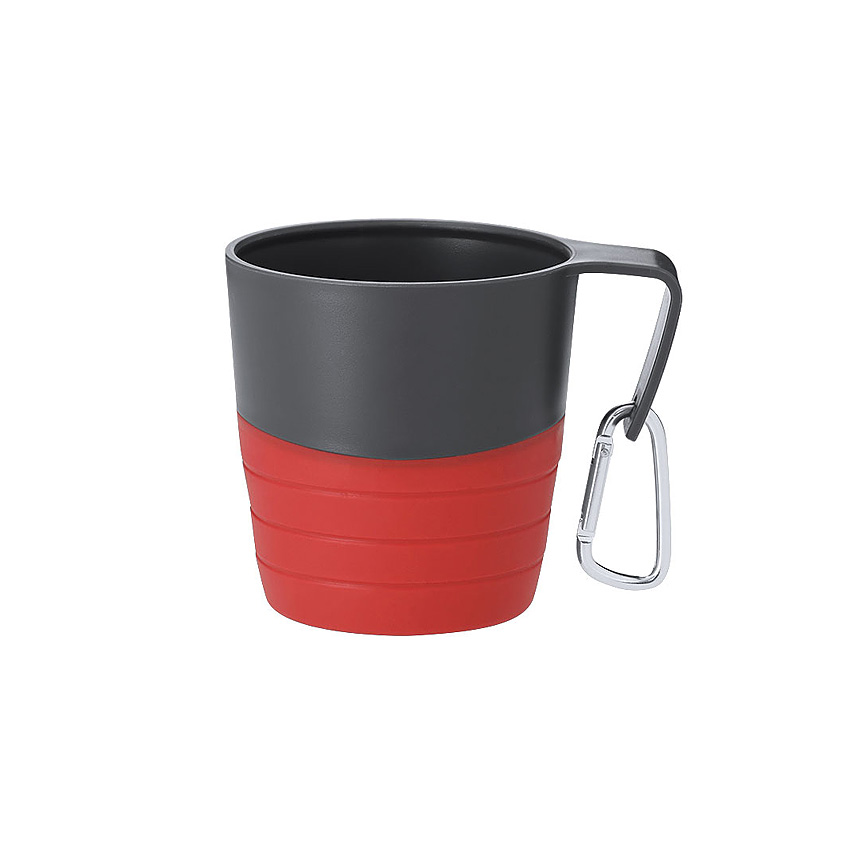
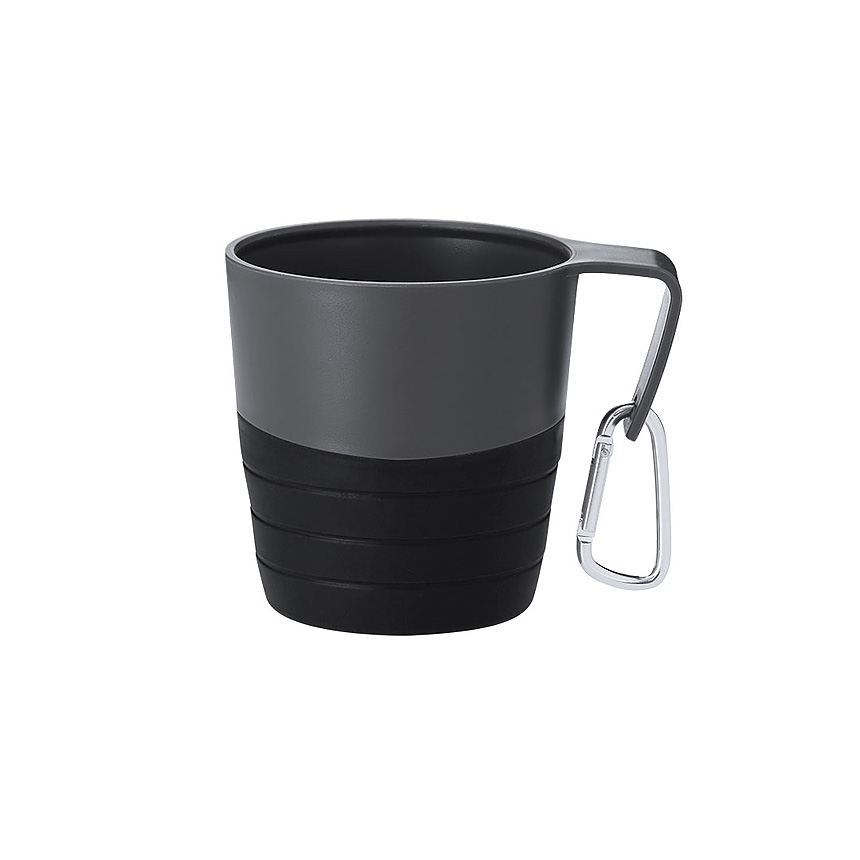
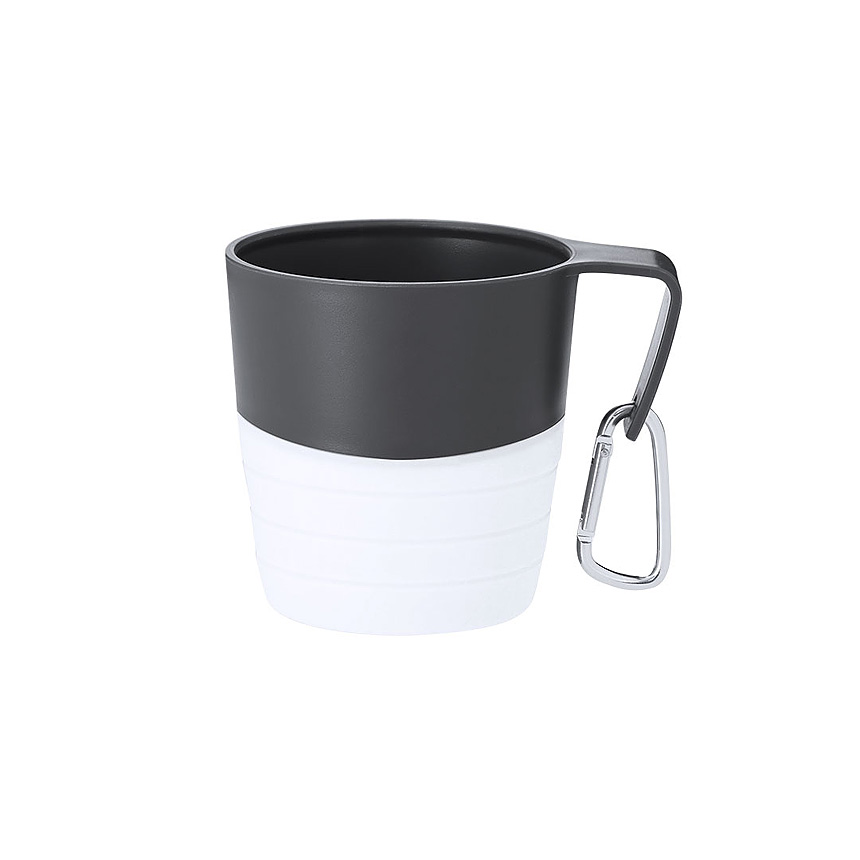
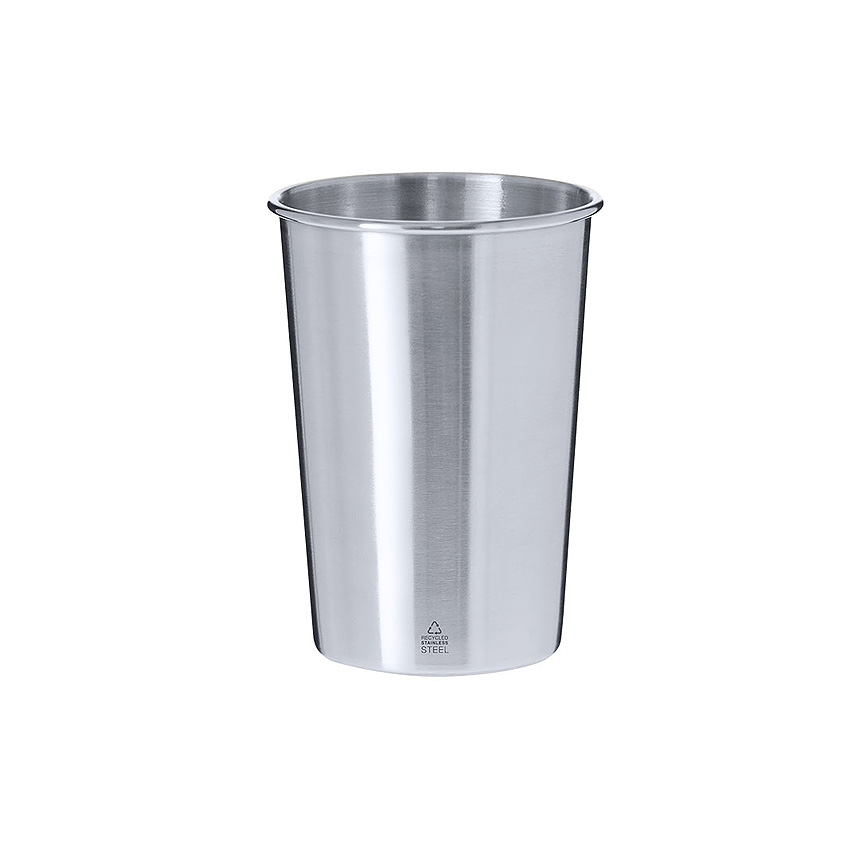
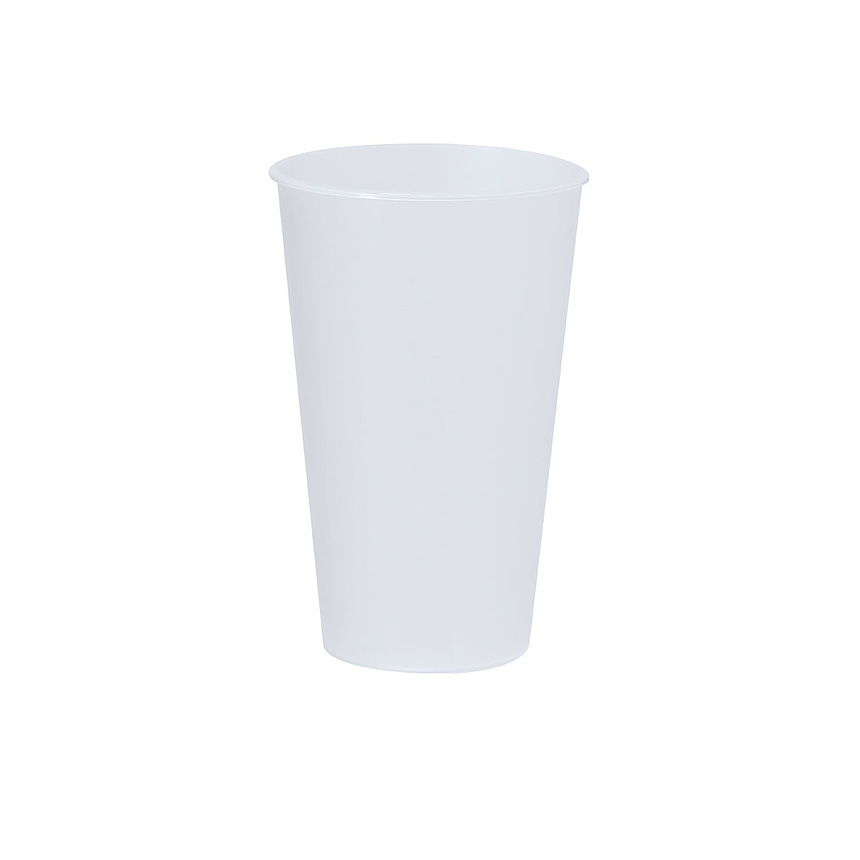
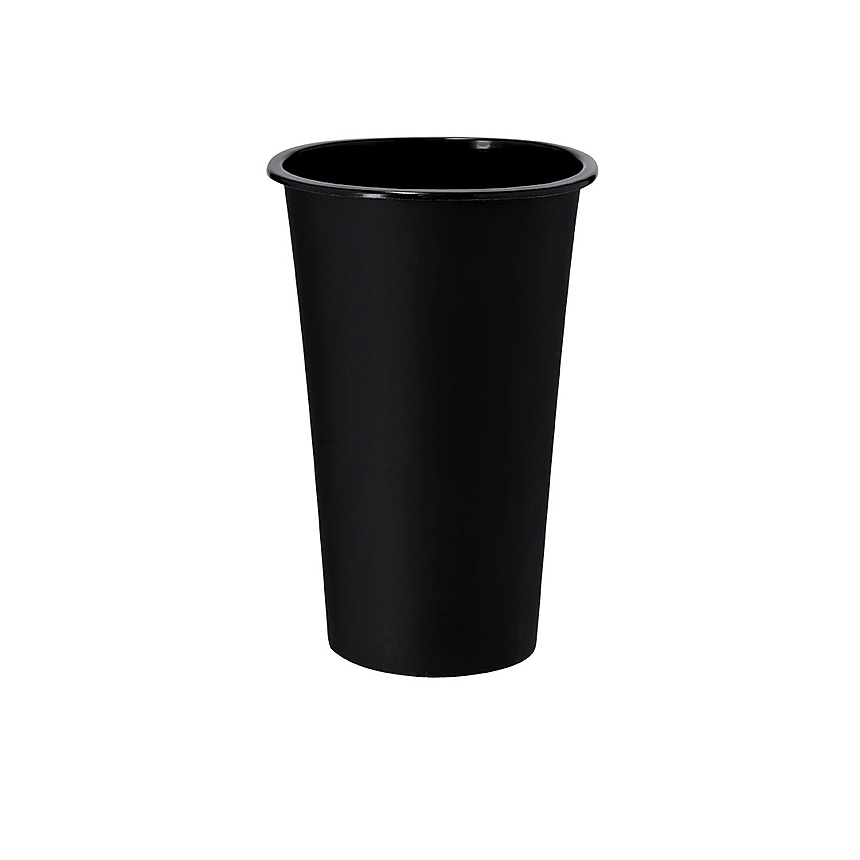
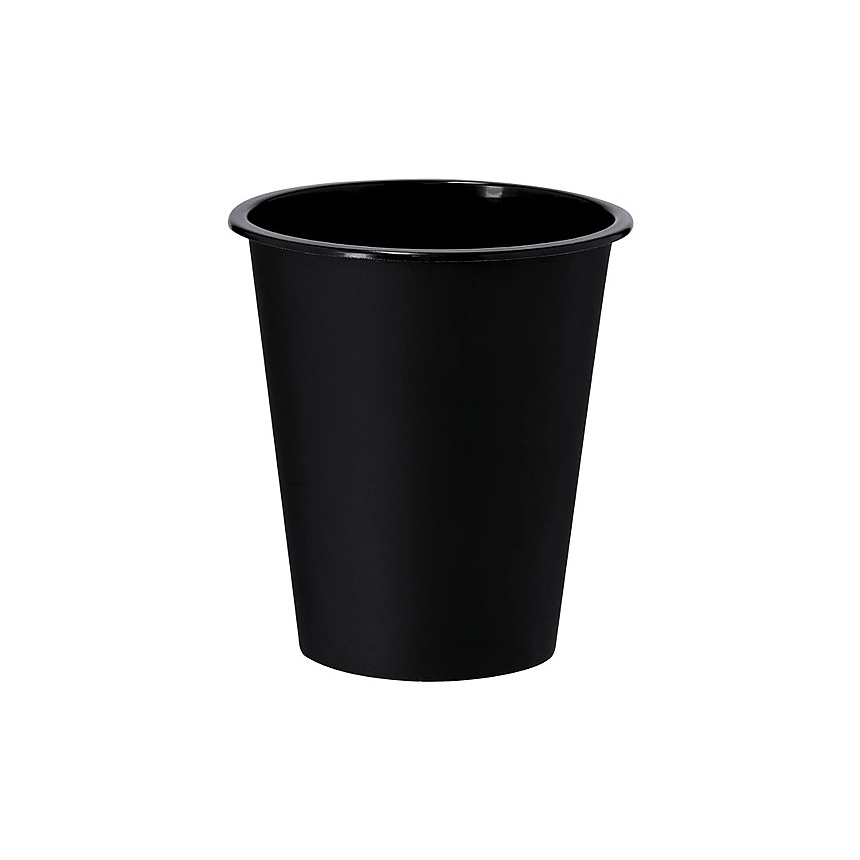
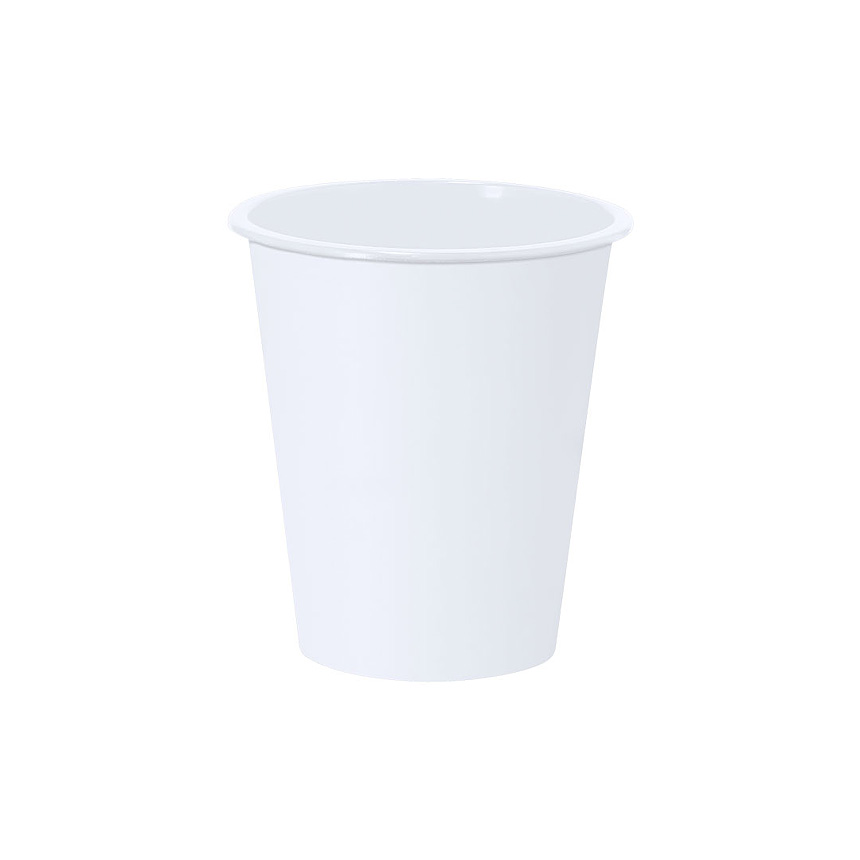
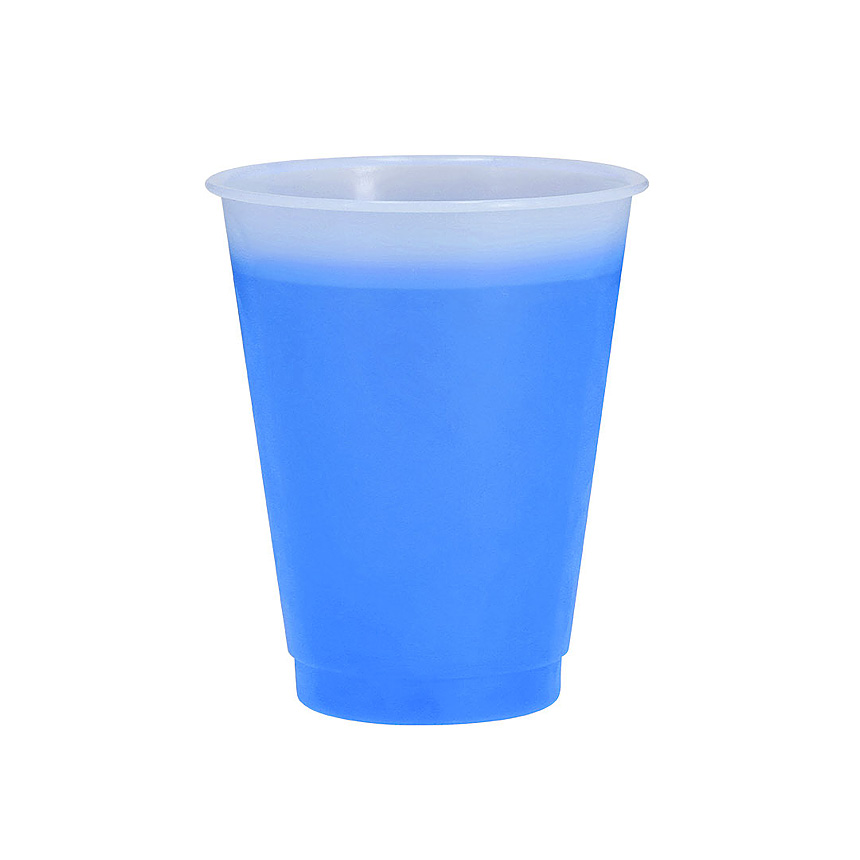
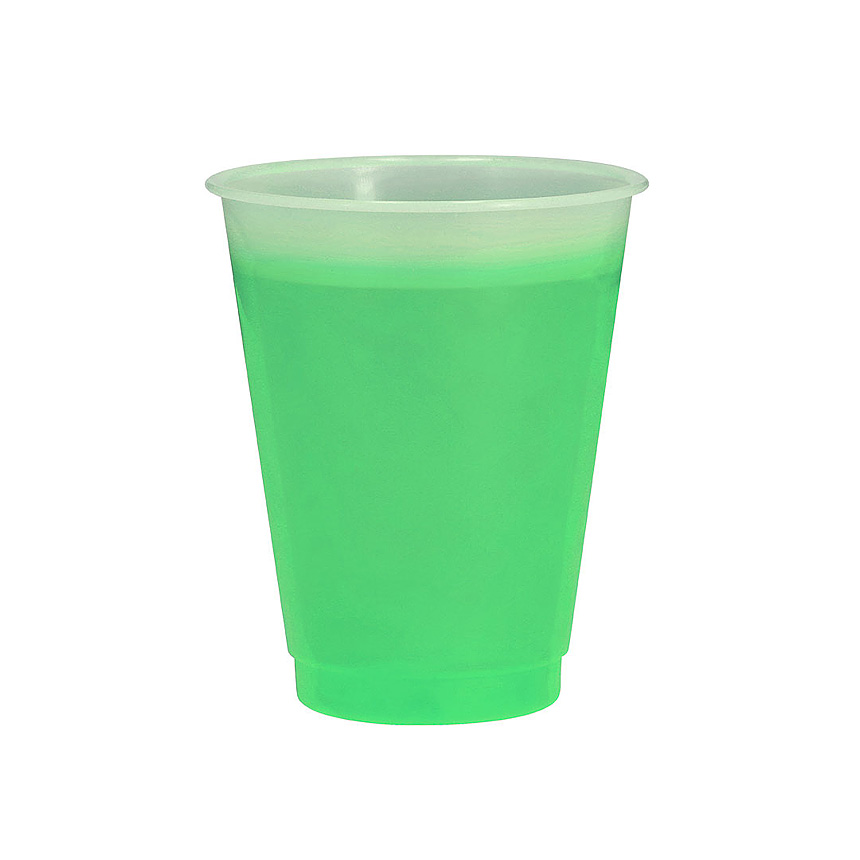
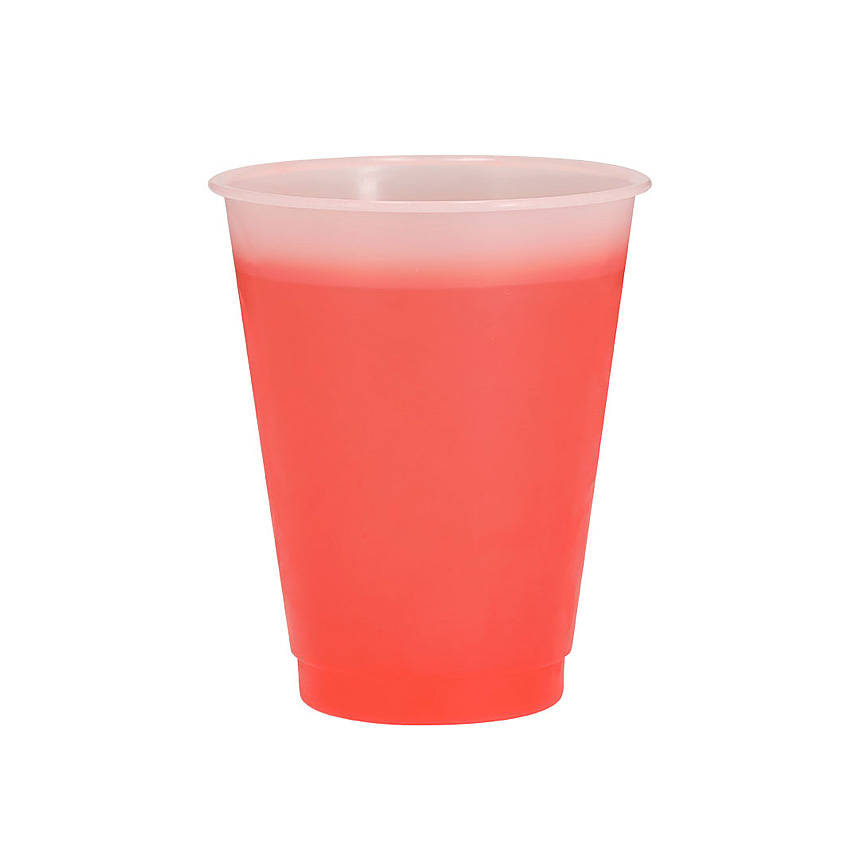
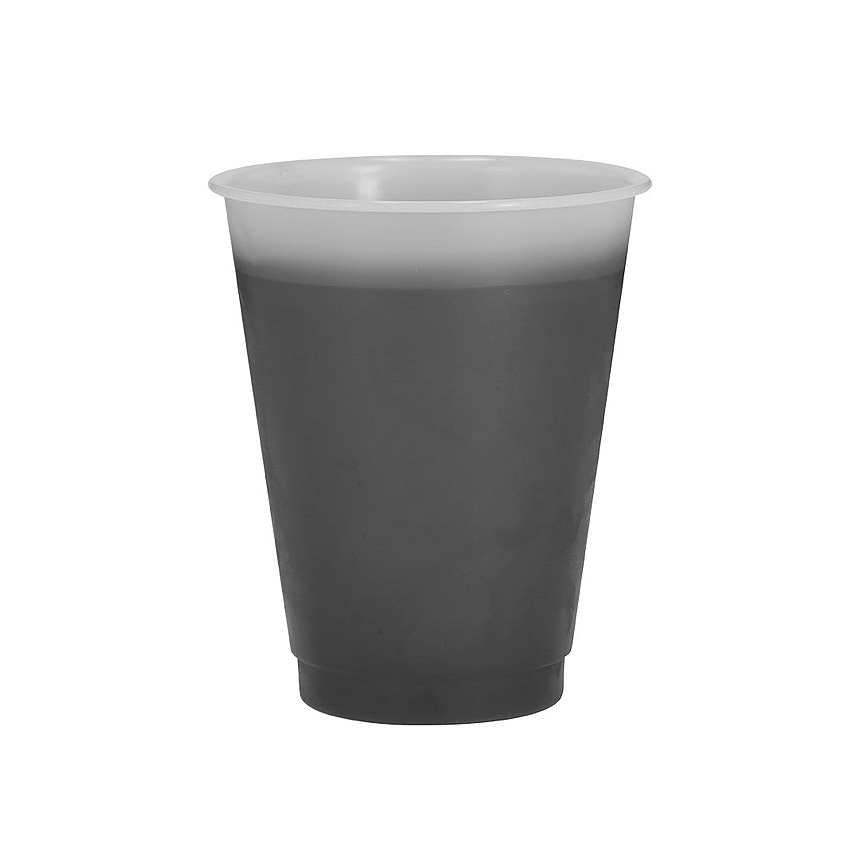
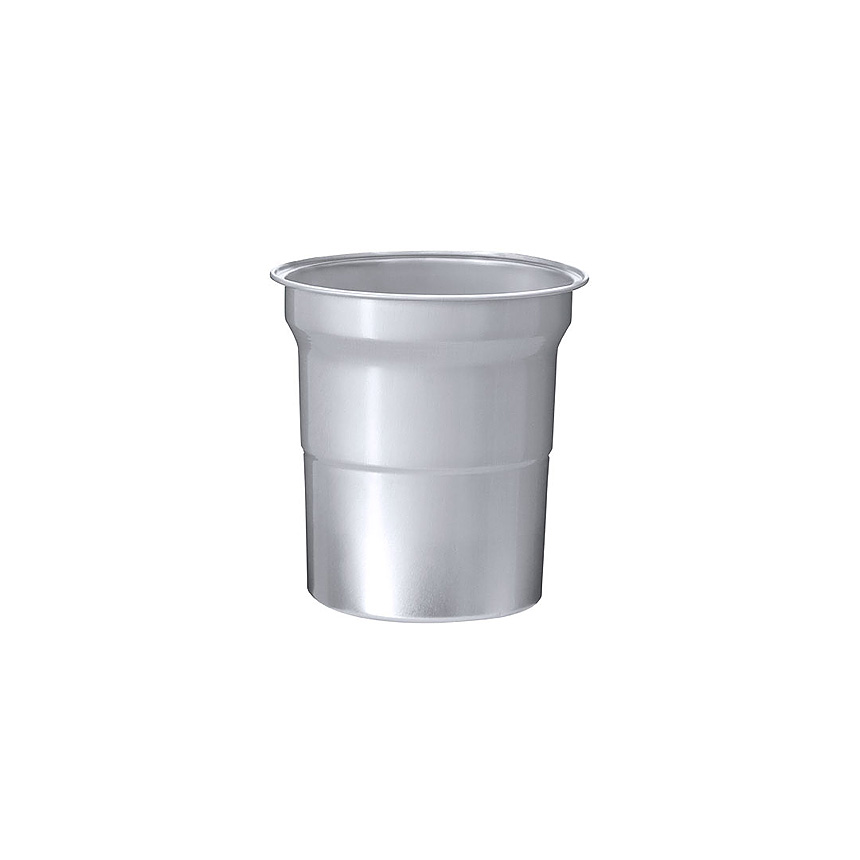
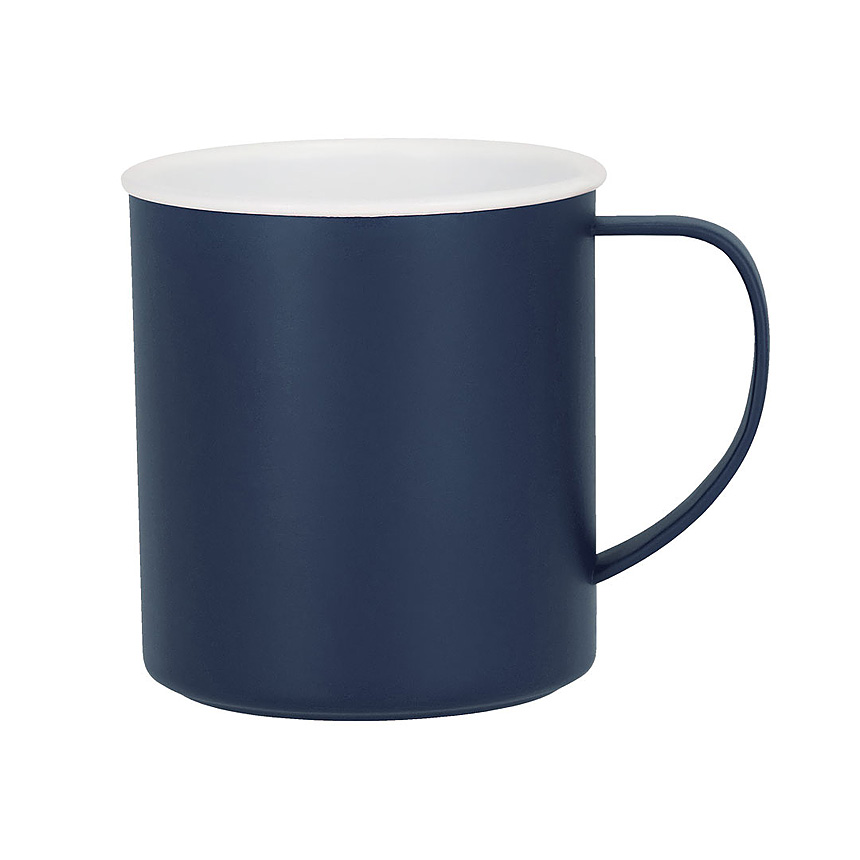
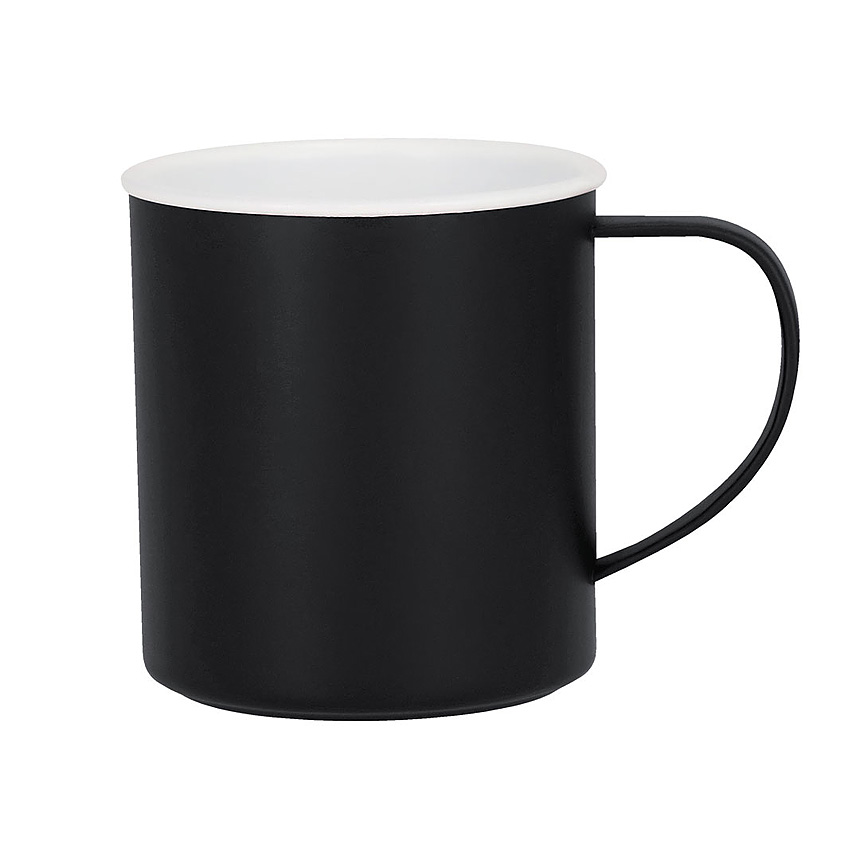
Each type of drinkware targets a specific experience and occasion. Metal enamel mugs are a hit for outdoor use, camping and food-service operations, as they are virtually unbreakable and evoke a popular retro feel. Complete mug-and-teapot sets (tea and coffee services) make excellent premium gifts for business partners or for corporate kitchens, where they encourage the ritual of gathering together. Beer glasses, wine tasting glasses and robust beer steins are essential for corporate parties, beer festivals and hospitality environments. For mass festivals, concerts and outdoor events, durable printed plastic cups are ideal — they frequently function as returnable deposit cups, eliminating single-use waste.
What are the differences between mug printing technologies — from low-temperature printing to high-temperature firing, full-colour sublimation, sandblasting and relief techniques?
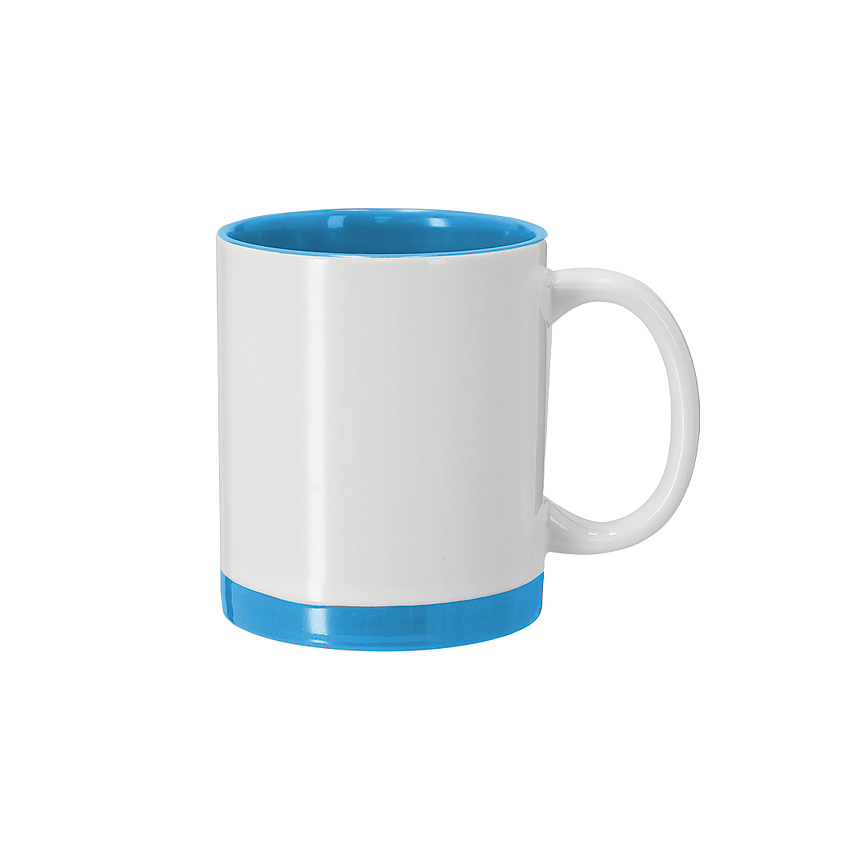
The choice of technology defines the appearance, durability and overall quality of the branding. Low-temperature printing (direct printing) is the most economical option for simple logos, but requires gentle hand-washing. High-temperature firing (decoration above 700 °C) is a premium solution in which the colour fuses with the glaze, guaranteeing maximum quality and full dishwasher resistance. Full-colour sublimation is ideal for photo prints and complex graphic motifs edge to edge, where the colour is absorbed into the mug's special polyester coating. For glass mugs, beer glasses and carafes, sandblasting is the most suitable technique, producing an elegant matte surface. Particularly exclusive are relief techniques — deep sandblasting or embossed printing — which give the logo a tactile 3D dimension. The overall premium impression of the gift is completed by packaging mugs in custom-printed paper boxes with a transparent window.


 English - EUR
 Deutsch - EUR
 Slovensky - EUR
 Česky - CZK