What sustainable materials dominate the eco bag segment, and what does the abbreviation RPET mean?
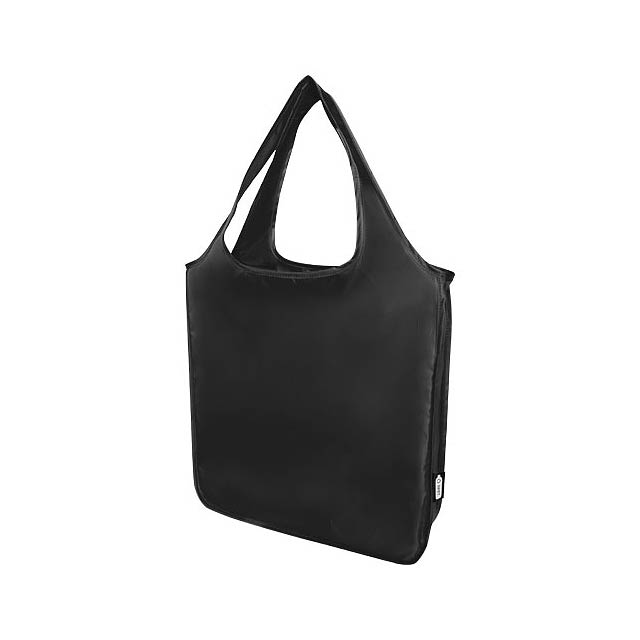
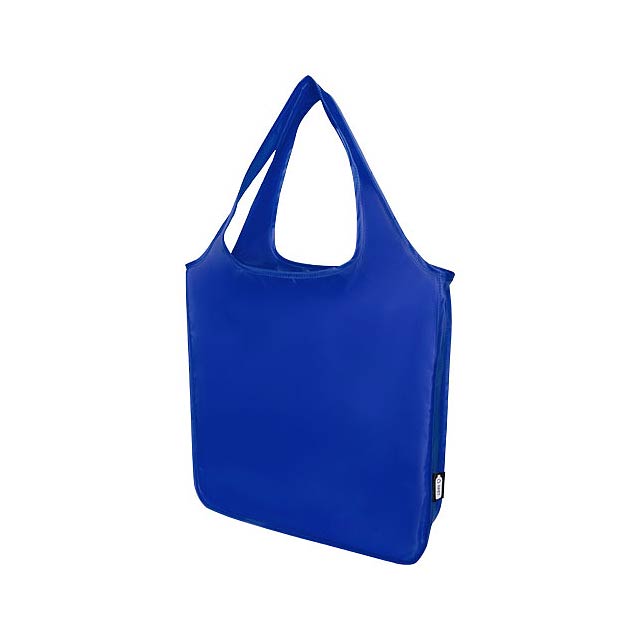
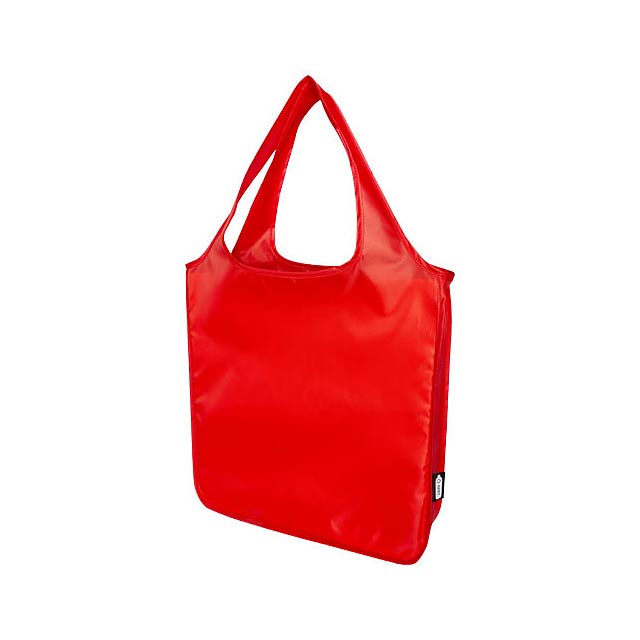
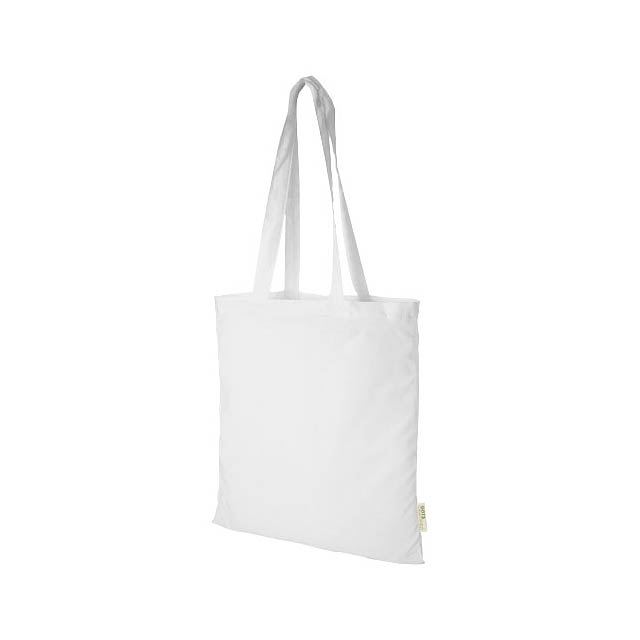
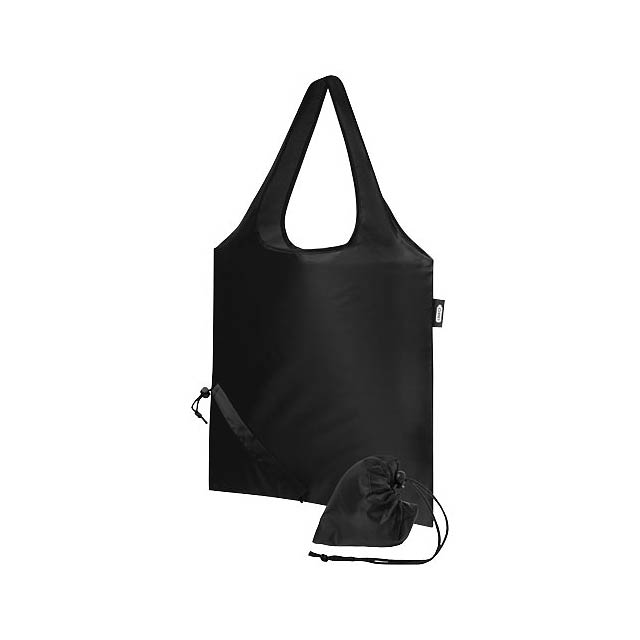
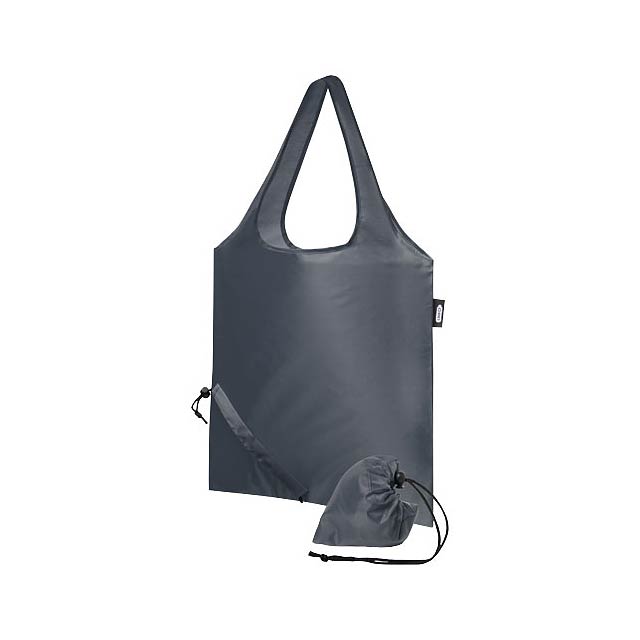
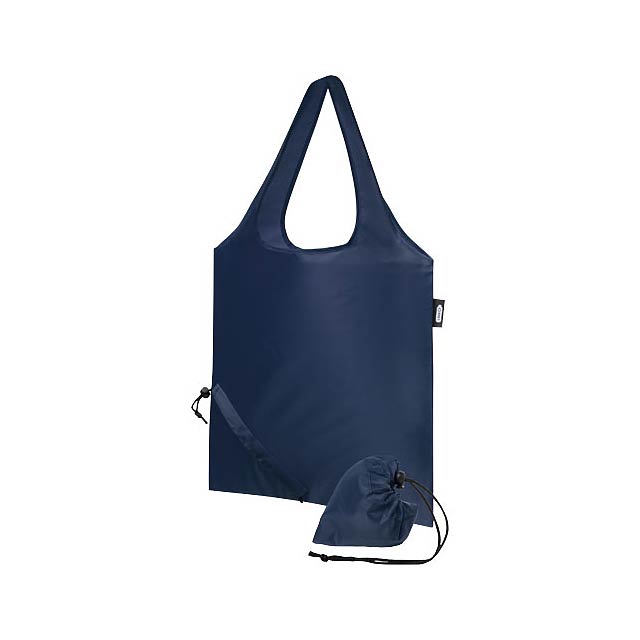
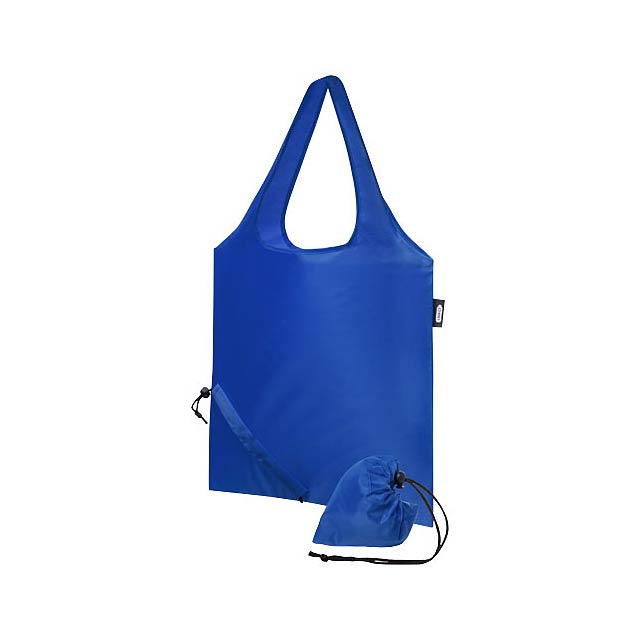
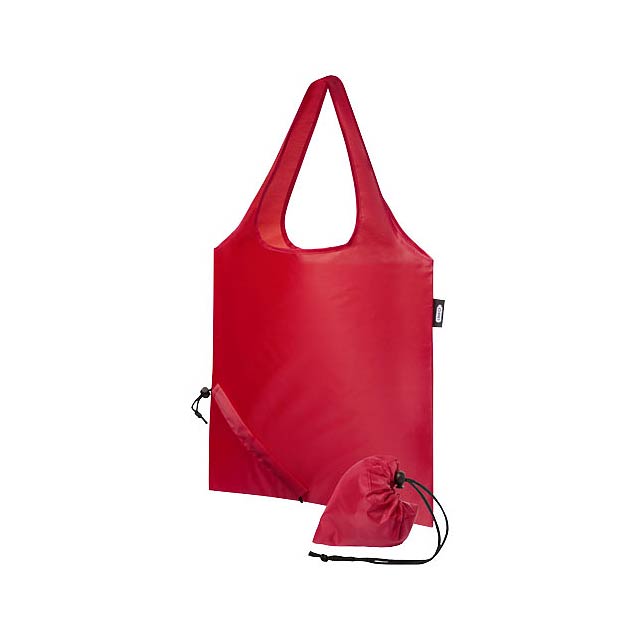
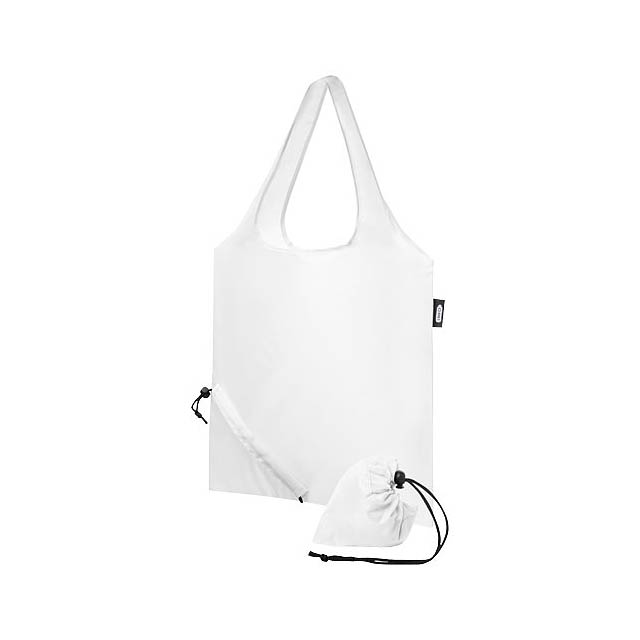
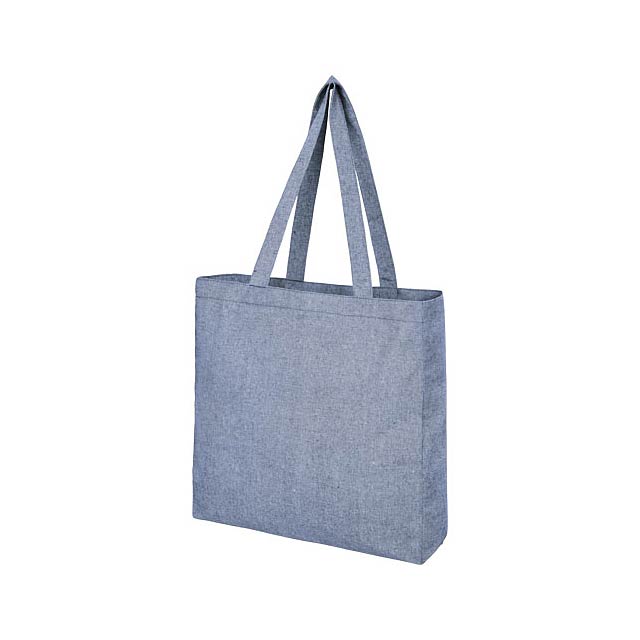
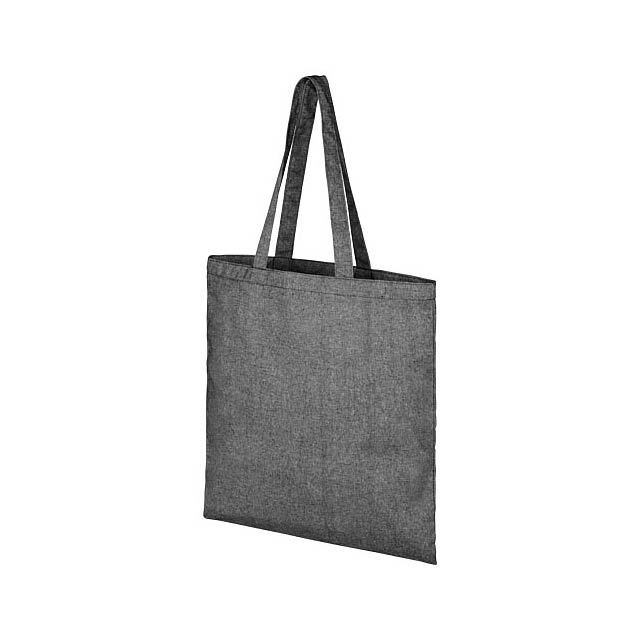
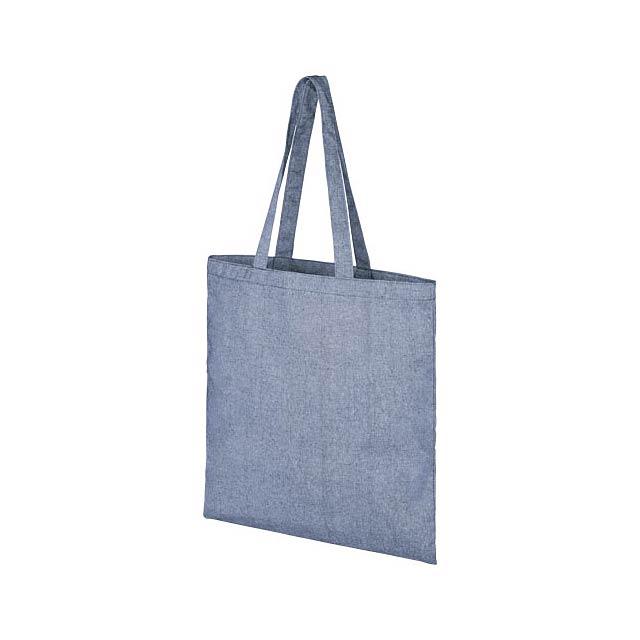
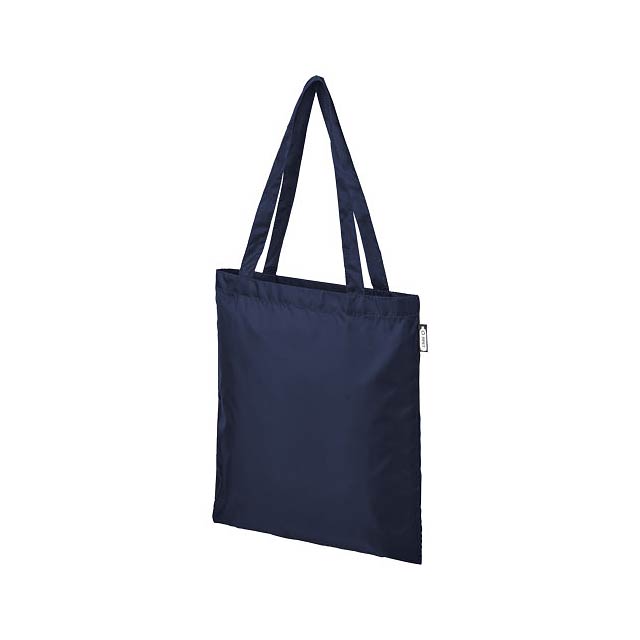
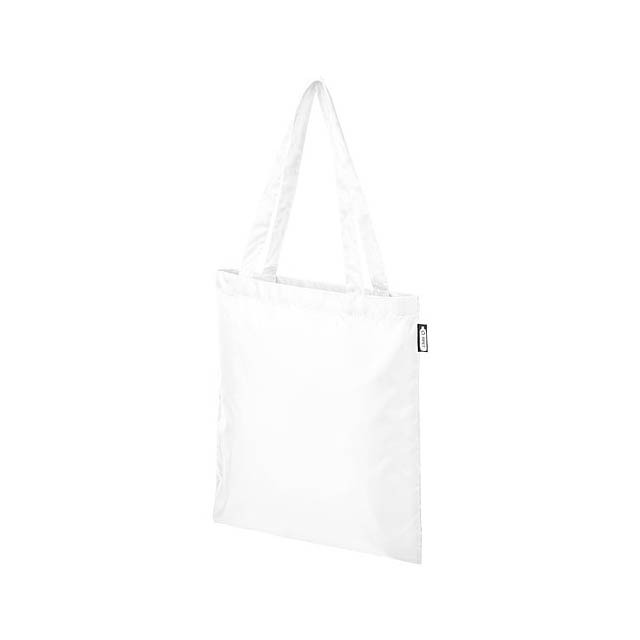
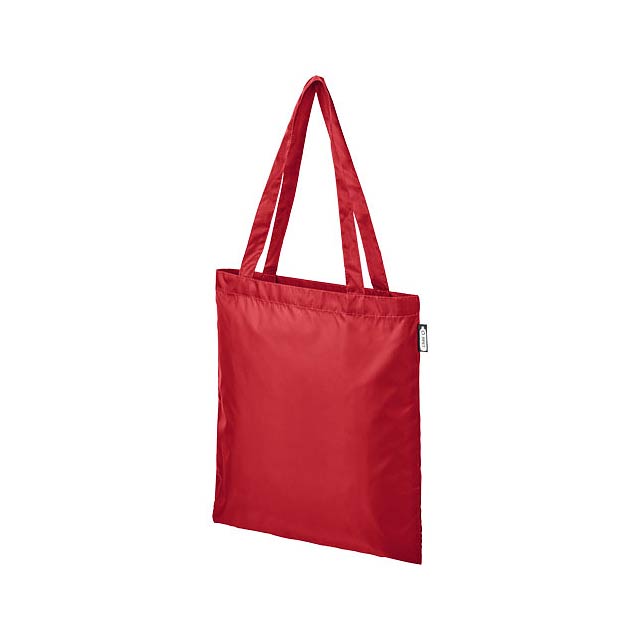
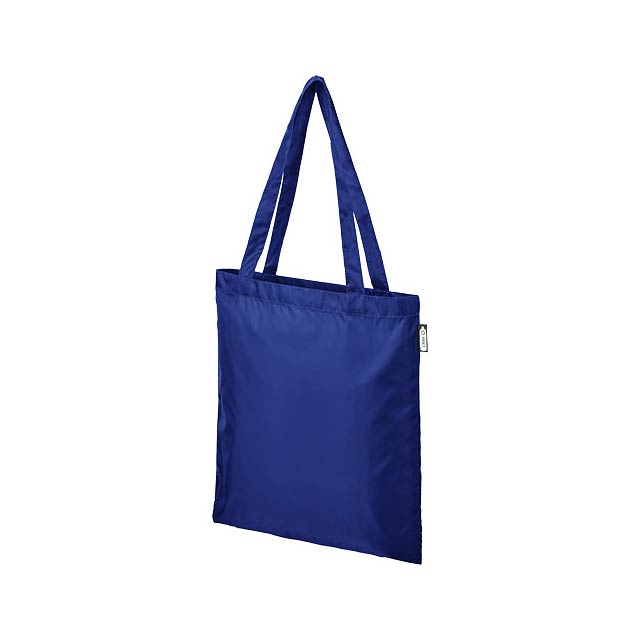
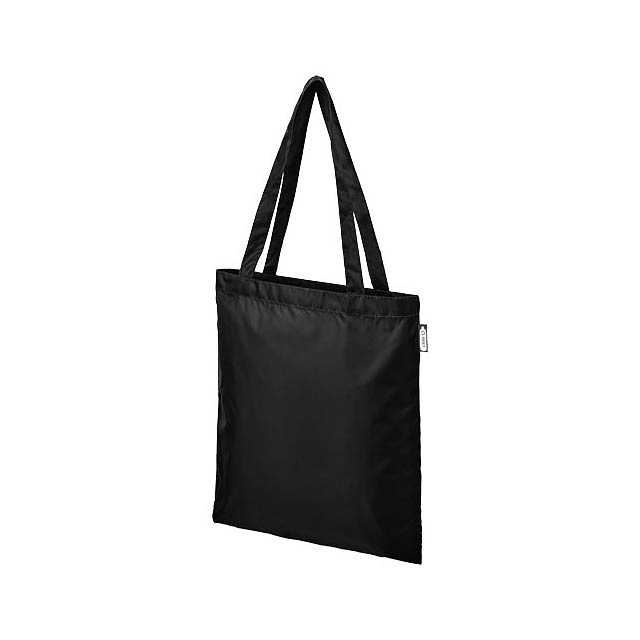
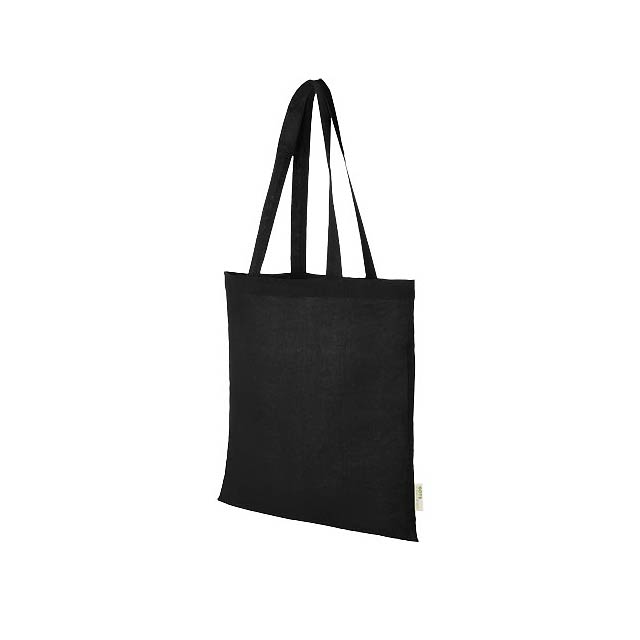
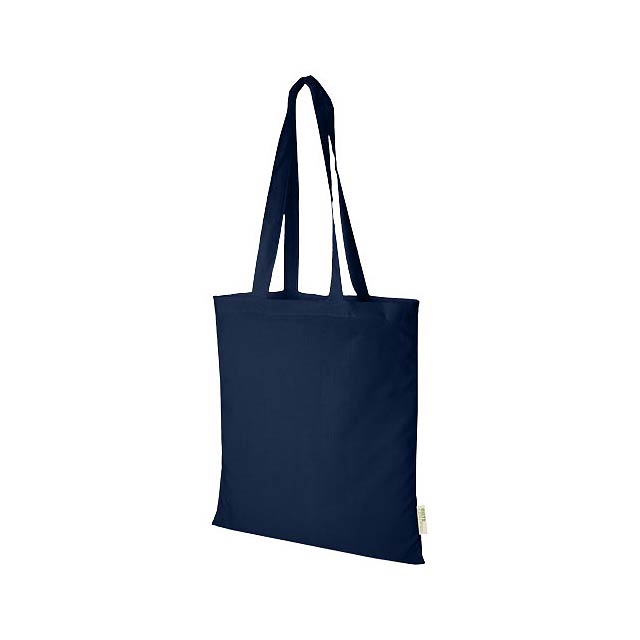
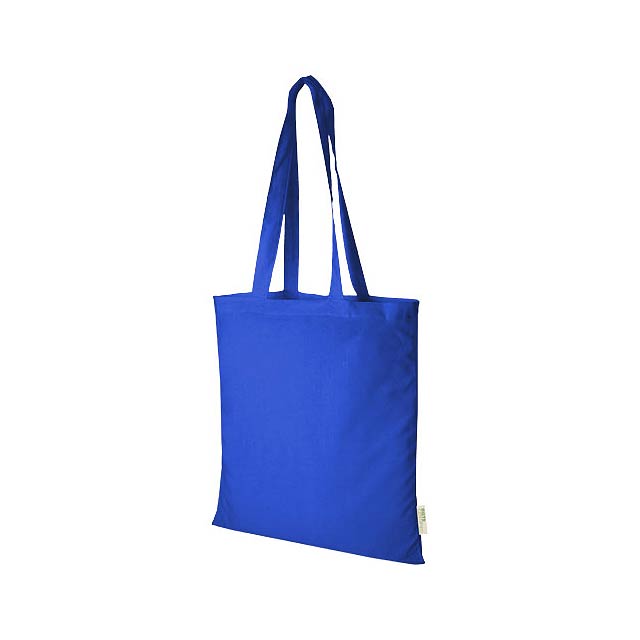
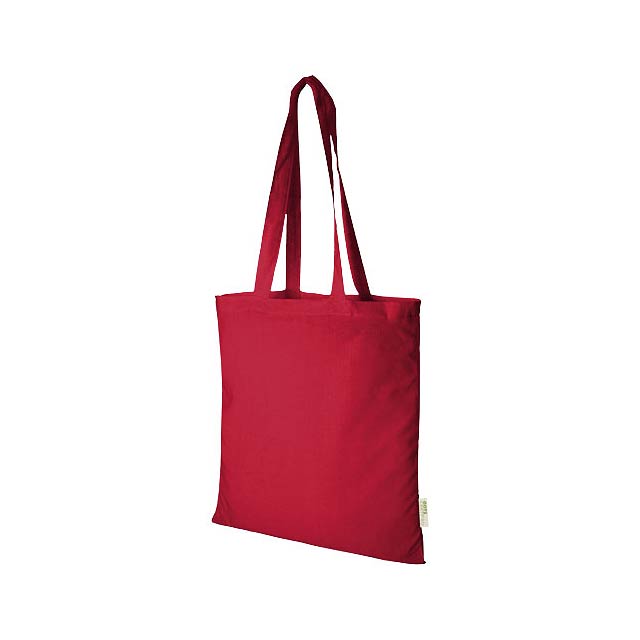
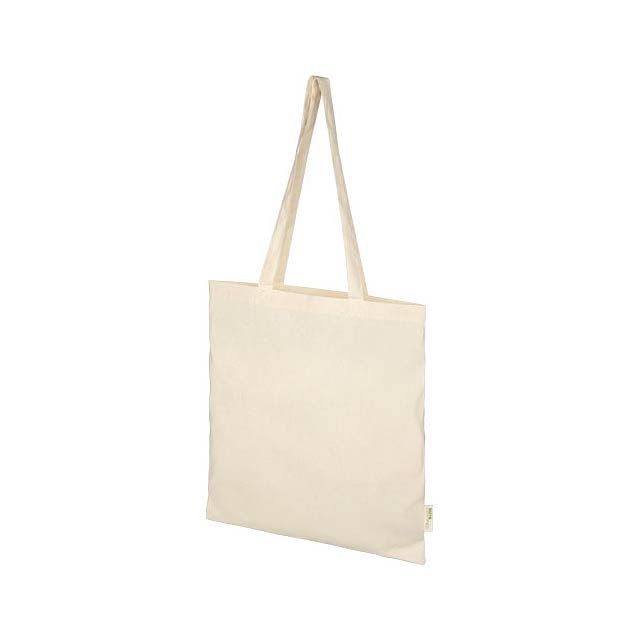
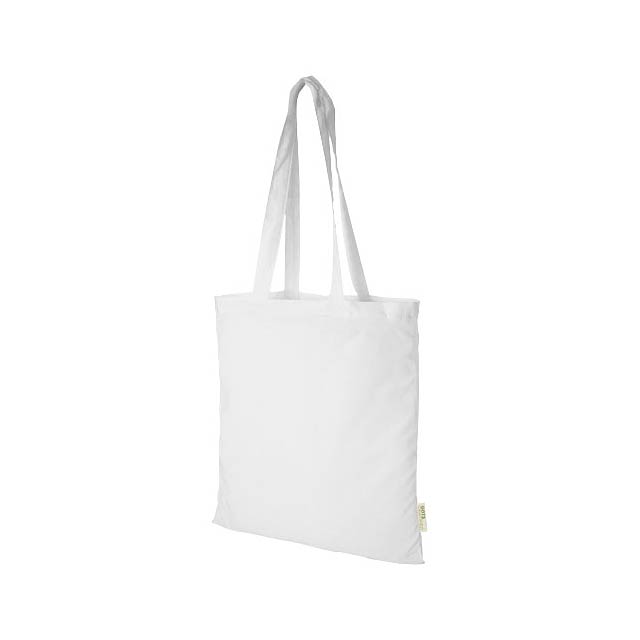
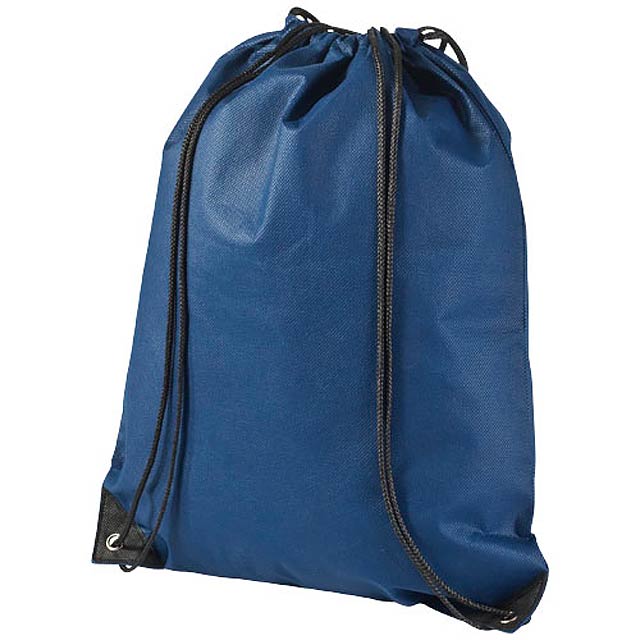
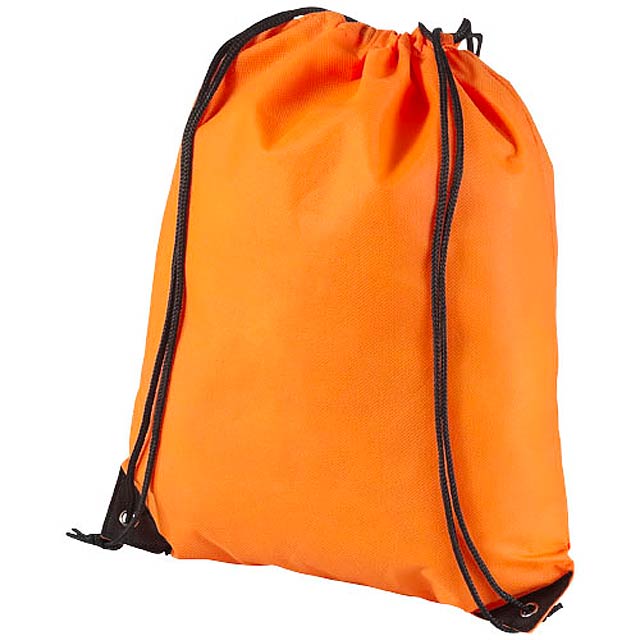
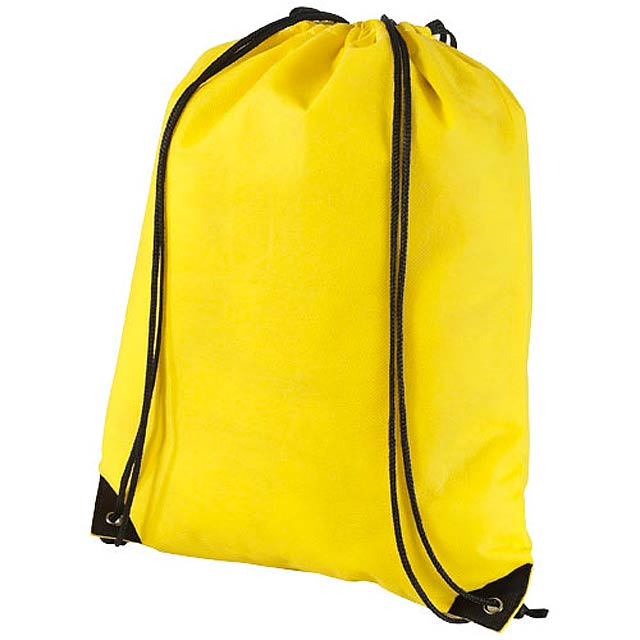
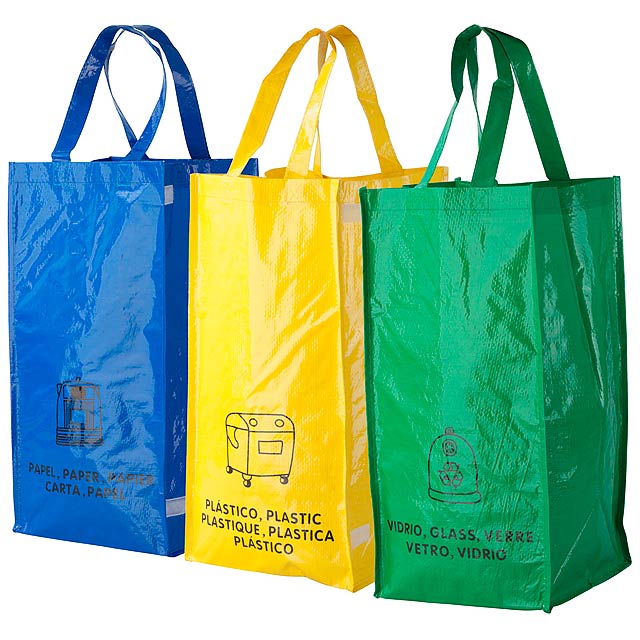
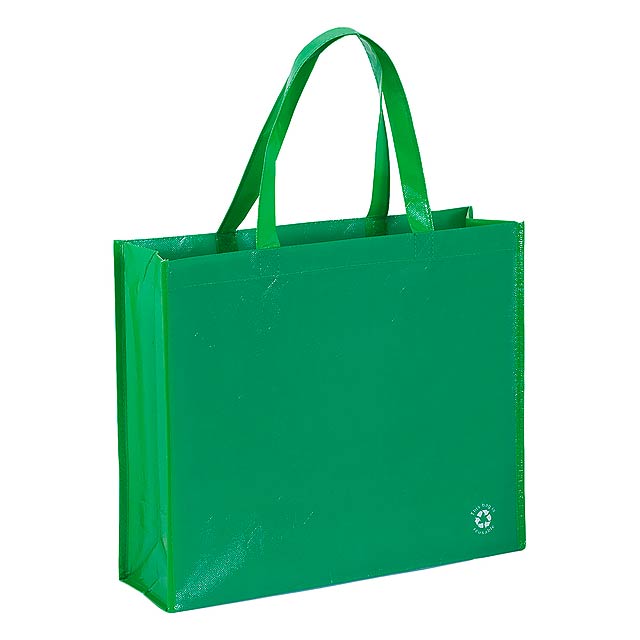
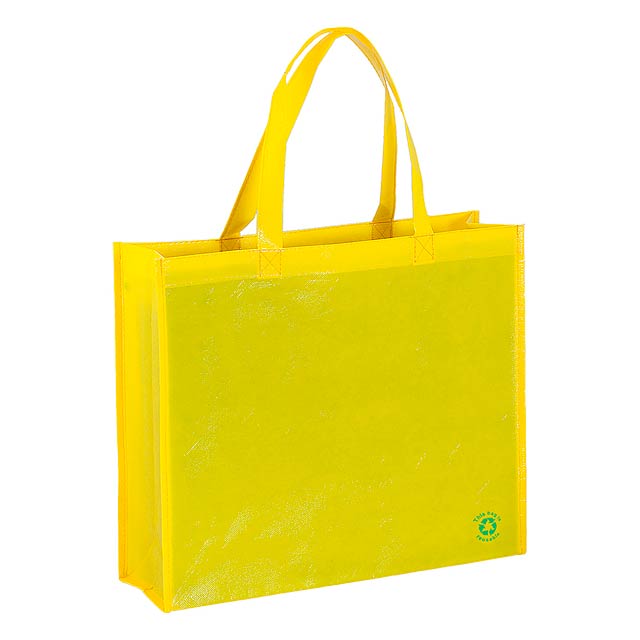
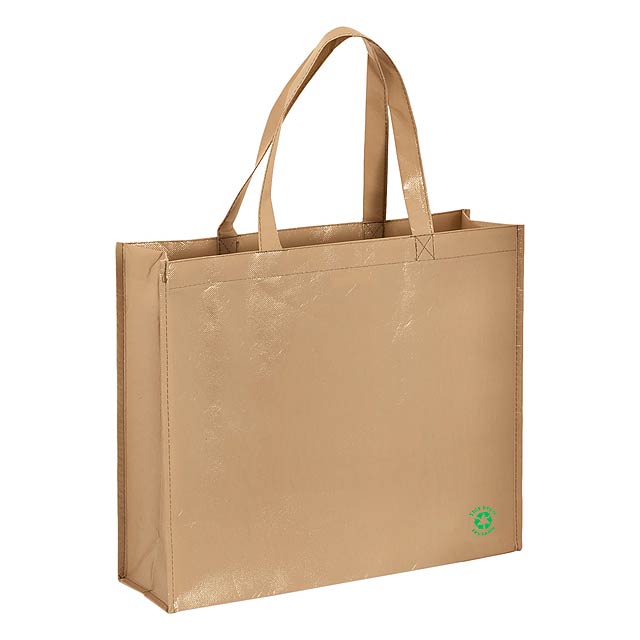
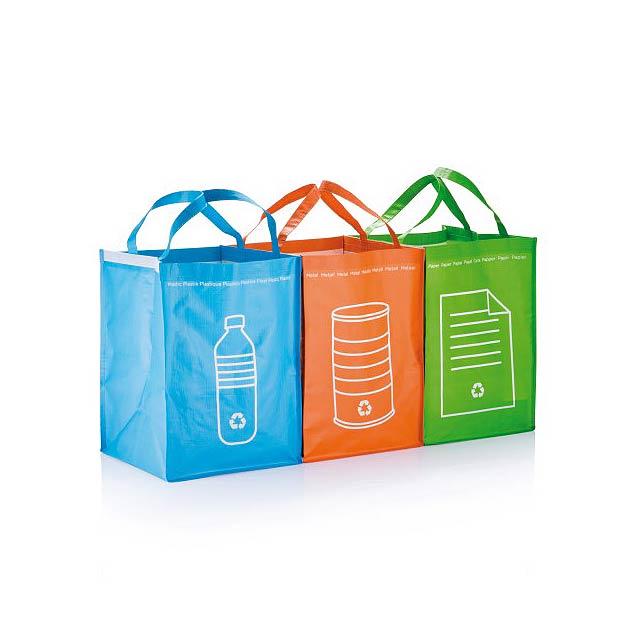
In the eco shopping and conference bag segment, nature-friendly materials take centre stage. These include GOTS-certified organic cotton, natural jute, hemp canvas and washable paper. A major hit is RPET — recycled polyester made from used PET bottles. This process gives plastic waste a new life, reduces petroleum consumption and lowers the carbon footprint. RPET bags offer the same strength, load capacity and tear resistance as conventional polyester, while visually and tactilely presenting your company as a modern brand with a strong sense of corporate responsibility (ESG).
Which printing technologies are best suited for branding eco-friendly bags made from cotton, jute and rPET?
The choice of decoration technology adapts to the structure of each sustainable material. For single- and multi-colour corporate logos on organic cotton and recycled rPET textile bags, screen printing is the most suitable option — it offers excellent coverage, vivid colours and long-lasting durability. For jute, which has a naturally coarse and porous structure, a robust screen printing application with a heavier ink layer is used to ensure perfect legibility. If your artwork requires full-colour photographic printing (for example, on all-over designed shopping bags), the ideal choice is eco-friendly digital transfer printing with certified water-based inks.
Why are high-gsm organic cotton tote bags an excellent long-term marketing tool?
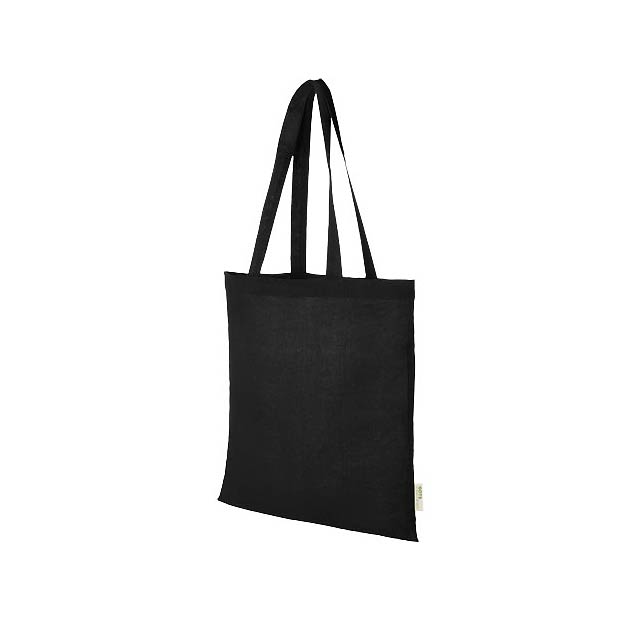
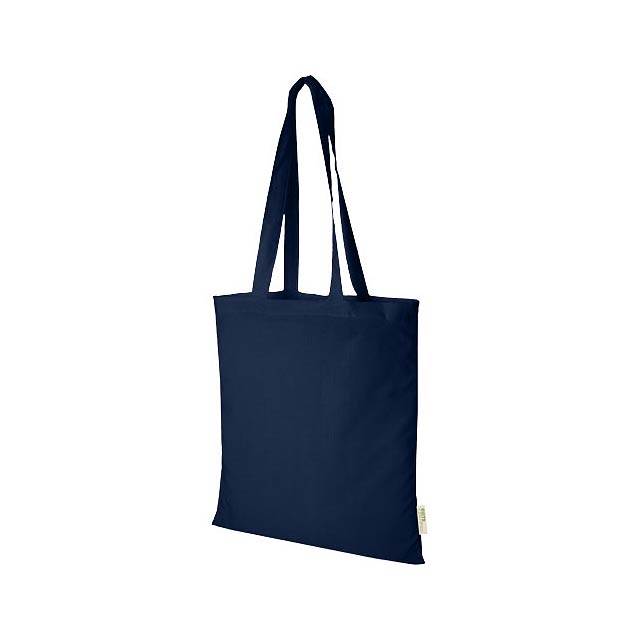
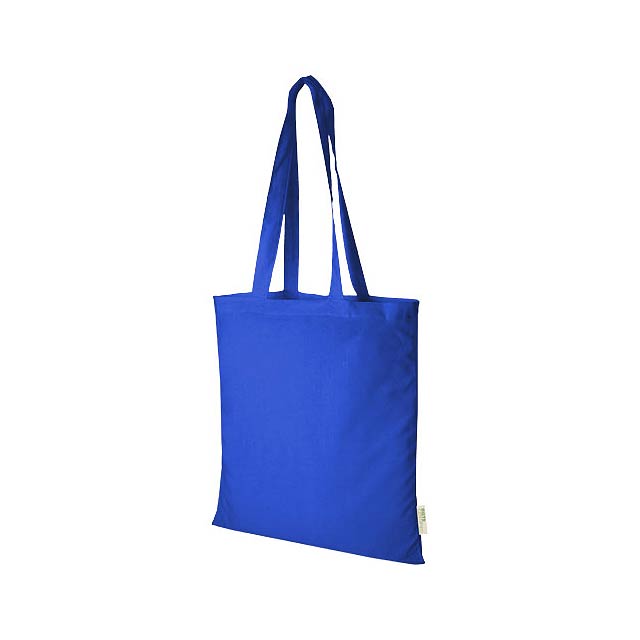
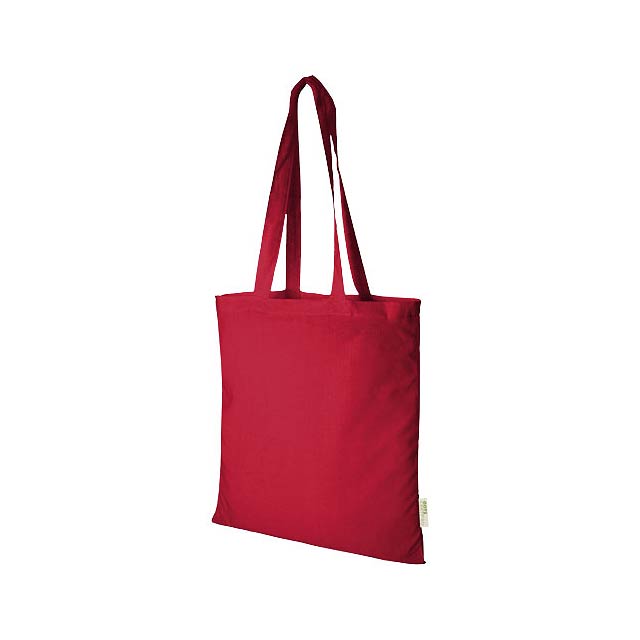
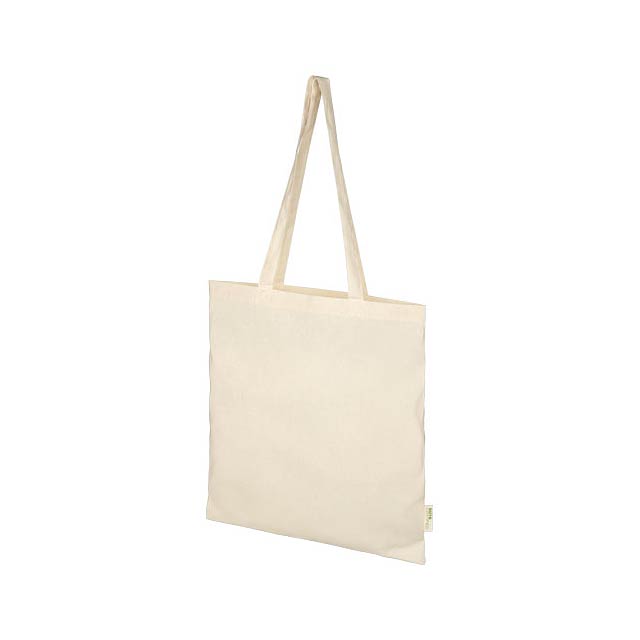
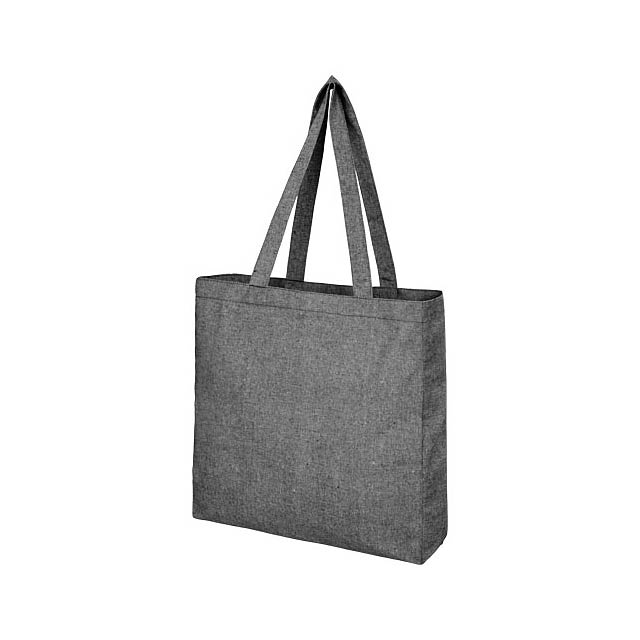
High-gsm organic cotton bags (above 200–300 g/m²) are highly valued for their robustness, reinforced seams and exceptional durability. People do not discard them — they use them repeatedly for many years for everyday shopping, trips to the library, the beach or the gym. In doing so, they massively replace single-use plastic bags. From a marketing perspective, this bag functions as a free mobile billboard — your large logo is constantly in view of hundreds of people on streets, public transport and in supermarkets, maximising the number of advertising impressions over the long term.
How should eco-friendly textile bags be cared for to maintain their shape and printed logo?
To keep eco-friendly bags looking their best and functioning properly, we recommend gentle care. Bags made from organic cotton or RPET material should always be washed inside out at a maximum of 30 °C, ideally on a delicate cycle. **Never use fabric softener** or aggressive bleaching agents, as these can damage the fibre structure or cause the printed inks to bleed. Natural jute bags must not be machine-washed at all — any dirt can simply be wiped off with a damp cloth and the bag left to air-dry. Textile bags with printed logos should be ironed exclusively from the reverse side, never directly over the printed logo.


 English - EUR
 Deutsch - EUR
 Slovensky - EUR
 Česky - CZK